

 プレビュー
プレビュー
 シェアする
シェアする シェアする
シェアする
 詳細を見る
詳細を見る

 ダウンロード
 似ている作品
 X線調査
X線調査 スライドショー
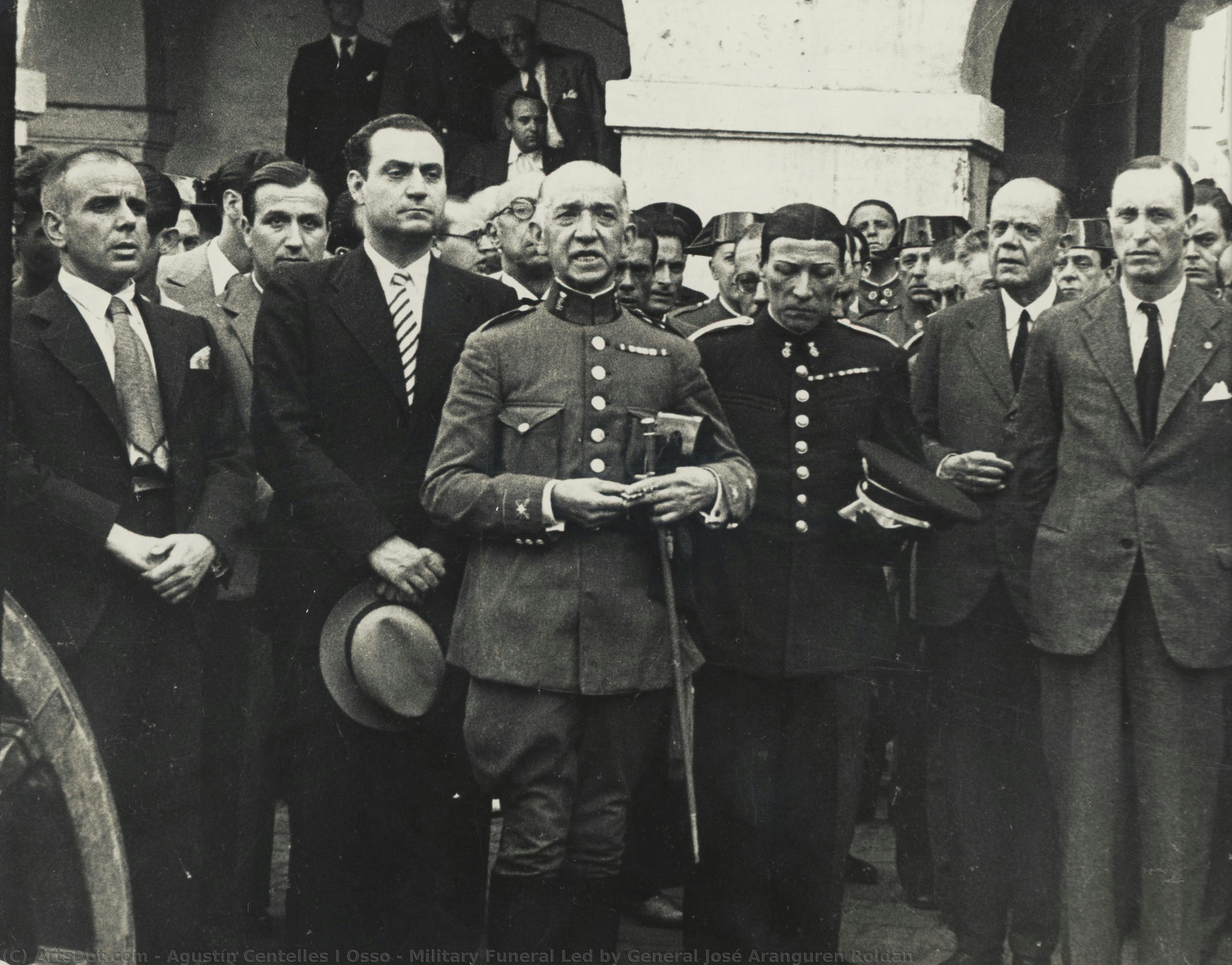
Military Funeral Led by General José Aranguren Roldán


 詳細を見る
詳細を見る
ジークレー/アートプリント
迅速な制作と多彩な仕上げオプションを備えた、ミュージアムクオリティのジークレーまたはキャンバスプリント。 ( 手描きの絵画を購入 画像を購入)




































作品のオリジナル比率に合わせた、当店の規定サイズからお選びください。

特定のフレームやスペースに合わせて、ご自身でサイズを指定することも可能です。選択されたサイズが元の画像の比率と一致しない場合、作品をトリミングするか、鏡面反射または単色での塗りつぶしによって画像を拡張いたします。制作を開始する前に、ご確認用のデジタルモックアップをお送りいたします。
画面上のプレビューには、実際のトリミングや拡張は反映されませんのでご注意ください。最終的な構図を正確に確認できるのは、モックアップのみとなります。
カスタムサイズも承っておりますが、元の比率を維持するためには、あらかじめ用意されたリストからサイズを選択することをお勧めいたします。


 ガラスオプションは、110cm未満のサイズでのみご利用いただけます。

Military Funeral Led by General José Aranguren Roldán
ジークレー/アートプリント
複製画のサイズ
-


合計金額
$ 62
関連作品








アーティストの略歴
A Pioneer of Witness: The Life and Legacy of Agustín Centelles
Agustín Centelles i Ossó, born in Valencia, Spain, in 1909, emerged as a pivotal figure in the nascent field of European photojournalism—a chronicler whose lens captured not merely images, but the raw, unvarnished truth of a nation fractured by conflict and exile. Often hailed as “the Spanish Robert Capa,” this comparison speaks to Centelles’s direct, unflinching style and his dedication to documenting life on the front lines, yet it only begins to scratch the surface of a career marked by both artistic brilliance and profound human empathy. His early life saw a relocation to Barcelona with his family, where he embarked upon an apprenticeship in 1924 at Ramón de Baños’s photographic studio, laying the foundation for his technical mastery in portraiture. This formal training was soon complemented by a growing fascination with the possibilities of the miniature Leica camera—a revolutionary tool that allowed him unprecedented mobility and immediacy in capturing unfolding events.The Spanish Civil War: A Visual Testament
Centelles's name is inextricably linked to the Spanish Civil War (1936-1939). As one of the first photojournalists on the scene following the fascist uprising, he relentlessly pursued the story, eschewing the cumbersome equipment of his contemporaries for the agility afforded by his Leica. He wasn’t simply *reporting* the war; he was immersed in it, documenting the formation of militias, the arduous journeys to the front lines, and the brutal realities of battles like Teruel. In 1937, Centelles assumed a critical role as head of the Photographic Services Unit of the Eastern Army, later commissioned by the Department for Information, working alongside figures like Jaume Miravitlles, Salvador Pujol, and Pere Català i Roca. His photographs from this period are not grand narratives of heroism or political ideology; they are intimate glimpses into the lives of ordinary people caught in extraordinary circumstances—a mother’s grief, a soldier’s exhaustion, the quiet determination of those defending their ideals. This commitment to portraying the human cost of conflict set his work apart and established him as a uniquely powerful voice during this tumultuous era.Exile and Endurance: Documenting Life Within the Camps
The fall of Barcelona in 1939 forced Centelles into exile, a fate shared by countless Republicans fleeing Franco’s regime. This displacement did not halt his photographic endeavors; instead, it led him to document another harrowing chapter of human suffering—life within the French internment camps at Argelès-sur-Mer and Bram. These photographs are perhaps among his most poignant work, revealing the squalor, desperation, and resilience of refugees stripped of their homes and dignity. Within these confines, Centelles, alongside Salvador Pujol, secretly established a clandestine photographic laboratory, preserving images that would otherwise have been lost to history. He slept with his suitcase containing the negatives clutched close, safeguarding not just his work but also the stories of those he photographed. This act of preservation speaks volumes about his unwavering commitment to bearing witness and ensuring that these experiences were not forgotten.Rediscovery and Lasting Impact
For decades following the war, Centelles’s work remained largely hidden from public view, a casualty of political repression and exile. It wasn't until 1976, when his sons unearthed a cache of over 4,000 negatives concealed in Carcassonne, that his legacy began to be fully recognized. The subsequent exhibition *Imatges d’un reporter* (Images of a Reporter) in 1978 marked a turning point, bringing his powerful photographs to a wider audience and solidifying his place as a pioneer of modern photojournalism. The eventual sale of his archive to the Spanish Ministry of Culture in 2009—despite competing offers from other institutions—ensured that his work would be preserved for future generations. Today, Centelles’s images serve as a vital historical record, offering invaluable insights into the complexities of the Spanish Civil War and the human consequences of political conflict. His influence extends beyond the realm of photography; he remains an enduring symbol of courage, empathy, and the power of visual storytelling to shape our understanding of the past.- Key Influences: Ramón de Baños (early training), Josep Badosa (artistic development), Robert Capa (comparative figure in photojournalism).
- Major Achievements: Pioneering Spanish photojournalism, documenting the Spanish Civil War and French internment camps, establishing a clandestine photographic laboratory during exile.
- Historical Significance: Centelles’s work provides an invaluable visual record of a pivotal period in Spanish history, offering insights into the human cost of conflict and the resilience of those affected by political upheaval. His photographs continue to be studied and exhibited worldwide, serving as a powerful reminder of the importance of bearing witness.
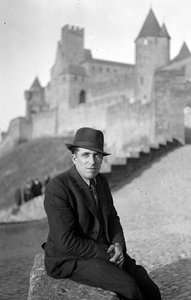
agustín centelles i osso
1909 - 1985 , Spain
基本情報
- Artistic Movement Or Style: Photojournalism
- Date Of Birth: 1909
- Date Of Death: 1985
- Full Name: Agustín Centelles i Ossó
- Nationality: Spanish
- Notable Artworks:
- Images of Spanish Civil War
- French internment camps photos
- Place Of Birth: Valencia, Spain

