

 プレビュー
プレビュー
 プリントを購入
 シェアする
シェアする シェアする
シェアする
 詳細を見る
詳細を見る

 ダウンロード
 似ている作品
 X線調査
X線調査 スライドショー
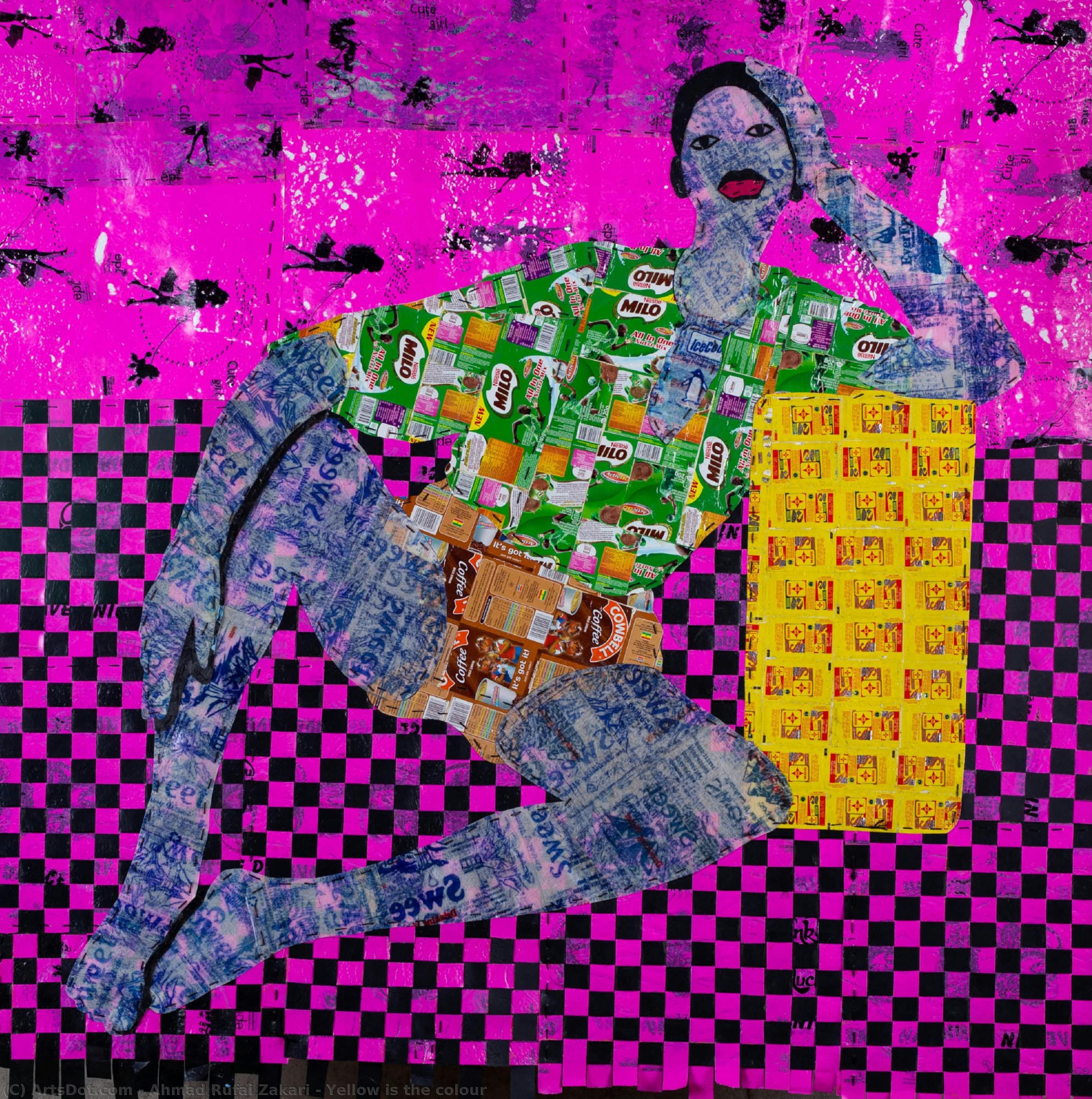
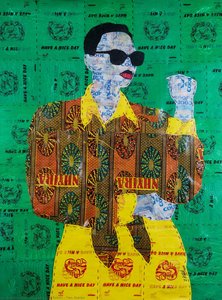
Yellow is the colour


 詳細を見る
詳細を見る




P118B $10

P118H $10

P118W $10

P438Z $10

P508JH $12

P508YH $12

P805H $10

P805Z $10

P919BZ $10

P919G $10

P919XJ $10

P959ZH $10

P968JZ $12

W106C $8

W218G $10

W218JH $8

W218Y $10

W307PJ $10

W316G $10

W316PJ $8

W316Y $10

W398PJ $8

W4111J $10

W500HY $15

W500JH $15

W692G $12

W849H $8

W940BG $15

W953PJ $8




作品のオリジナル比率に合わせた、当店の規定サイズからお選びください。

特定のフレームやスペースに合わせて、ご希望のサイズをご入力いただけます。選択されたサイズが元の画像の比率と異なる場合、アートワークをトリミングするか、手描きで要素を追加して絵画を拡張いたします。デジタルモックアップ を制作し、制作開始前にご確認(承認)をいただきます。
画面上のプレビューは、実際のトリミングや拡張を正確に反映しているものではありません。最終的な構図は、モックアップによってのみ正確にご確認いただけます。
カスタムサイズもご利用いただけますが、元の比率を維持するためには、あらかじめ用意されたリストからサイズを選択することをお勧めいたします。
ご注文後、ArtsDot.com チームより詳細な指示をお送りするとともに、仕上がりイメージ(モックアップ)をご提供いたします。


 ガラスオプションは、110cm未満のサイズでのみご利用いただけます。

Yellow is the colour
複製技法
複製画のサイズ
-


合計金額
$ 263
関連作品

アーティストの略歴
The Alchemy of Waste: The Visionary Art of Ahmad Rufai Zakari
In the vibrant landscape of contemporary Ghanaian art, few voices resonate with as much tactile urgency and social depth as Ahmad Rufai Zakari. Born in Ghana in 1990, Zakari has emerged not merely as a creator of images, but as an alchemist of the discarded. His practice is a profound engagement with the realities of modern existence, specifically the environmental and human costs of global consumerism. Growing up amidst the shifting tides of Ghanaian society, Zakari witnessed firsthand the pervasive impact of industrialization—the way single-use plastics, once convenient, become permanent scars upon the landscape. This observation became the seed for an artistic journey that seeks to transform the ephemeral debris of modern life into enduring monuments of human dignity.
Zakari’s medium is perhaps his most radical statement. Eschewing traditional oils or acrylics, he utilizes a sophisticated form of collage and assemblage, meticulously repurposing single-use plastics—bags, food packaging, water sachets, and bottles—to construct his figures. This technique is far more than an aesthetic choice; it is a deliberate act of environmental stewardship. By trimming these found objects into precise shapes and stitching them together with rope and needle, he creates a textured, multidimensional surface that mimics the depth of fine art painting while retaining the raw, physical reality of its components. In his hands, the very materials that threaten our ecosystems are reborn as canvases of beauty, forcing the viewer to confront their own relationship with consumption and the culture of disposability.
Reimagining Identity Through Plastic and Thread
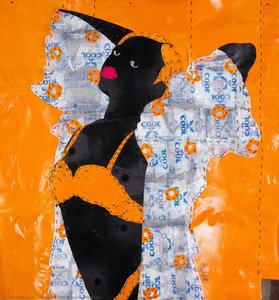
The subjects of Zakari’s work are often powerful, dynamic portraits of women, particularly Black women, who serve as vessels for themes of resilience, strength, and defiance. His compositions frequently feature figures in motion or poised with a commanding presence, embodying aspirations for liberation and empowerment. Through his use of vibrant, often clashing colors found within plastic wrappers, he creates a visual rhythm that feels both contemporary and deeply rooted in the aesthetic traditions of African textiles and folklore. These portraits are not mere representations; they are reimagined icons that challenge conventional perspectives on femininity and social status.
Several of his works stand as pillars of his creative achievement, each exploring different facets of the human condition:
- Janet: A mesmerizing masterpiece that functions as a complex, tactile tapestry. In this piece, Zakari explores themes of carelessness and transgression, using the textures of food packages to create a figure that is both fragile and indomitable.
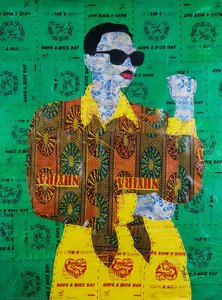
- Zakiya: A vibrant celebration of modernity where the boundaries between waste and wonder dissolve. Clad in a brilliant yellow shirt, the subject stands as a beacon of joy against a lush backdrop, illustrating how beauty can be reclaimed from the overlooked.
- Hawa One: A work that invites the viewer into a world where the discarded becomes divine, featuring a serene presence draped in luminous colors that radiate warmth and spiritual depth.
- Melanin I: An energetic exploration of movement and identity, where the rhythmic presence of a dancing figure captures the uninhibited spirit of life amidst the remnants of consumer culture.
A Legacy of Social Commentary and Artistic Evolution
The evolution of Zakari’s style reveals a deep connection to the history of collage, drawing subtle inspirations from Surrealist pioneers such as Kurt Schwitters and Max Ernst. However, he has moved beyond mere imitation to create a uniquely African narrative that addresses the specificities of labor exploitation and environmental degradation in contemporary Ghana. His work sits at the intersection of fine art and activism, where every stitch of thread and every fragment of plastic serves as a critique of the pervasive culture of waste.
As his practice continues to develop, Zakari’s historical significance lies in his ability to bridge the gap between the environmental crisis and the human spirit. He compels us to look closer at what we cast aside, suggesting that within the wreckage of modern consumerism, there exists the potential for profound rebirth. Through his innovative technique and unflinching social gaze, Ahmad Rufai Zakari ensures that the voices of the marginalized and the stories of our changing planet are not just heard, but seen in all their textured, brilliant glory.
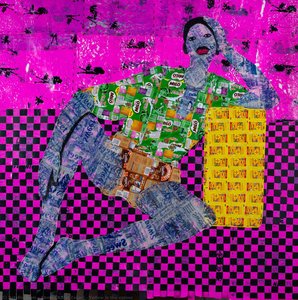
ahmad rufai zakari
1990 - , Ghana
基本情報
- Artistic Movement Or Style: Plastic Collage Art
- Full Name: Ahmad Rufai Zakari
- Nationality: Ghanaian
- Notable Artworks:
- Janet
- Yellow is the colour
- Place Of Birth: Ghana
関連記事
Piet Mondrian: Deconstructing Reality – A Study of Neo-Plasticism & Universal Harmony
Explore the revolutionary art of Piet Mondrian and the principles of Neo-Plasticism. Discover De Stijl's influence, iconic compositions like 'Composition with Red, Yellow and Blue,' and Mondrian’s lasting legacy on modern design.
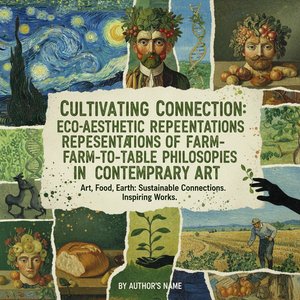
Cultivating Connection: Eco-Aesthetic Representations of Farm-to-Table Philosophies in Contemporary Art
Explore how contemporary art reflects the farm-to-table movement & sustainable living. Discover artists championing ecological awareness, ethical practices, and a deeper connection to our food systems. Expert insights & inspiring works.
The Magic of Collage: How to Layer Texture and Story into Your Home Decor
Elevate your interiors with the magic of collage. Discover expert tips on layering texture, 3D elements, and personal narratives through mixed media art to create a soulful, sophisticated home decor experience.
デジタルネイティブ世代の消費と Appropriation:次世代ポップアートの隆盛
デジタルネイティブ世代の感性を捉えた現代アート作品をArtsDotで。アプロプリエーション、ポスト・インターネット表現、カスタムポートレートなど、高品質な油絵複製と専門のアートコンサルテーションを提供します。コレクションの拡充や空間デザインに。
Theo van Doesburg: Pioneering De Stijl & the Evolution of Neo-Plasticism
Explore the revolutionary De Stijl movement & Neo-Plasticism with our expert guide. Discover Piet Mondrian, Theo van Doesburg, and the lasting impact of this influential art style. Learn about collecting & investing in De Stijl masterpieces.

