

 プレビュー
プレビュー
 プリントを購入
 シェアする
シェアする シェアする
シェアする
 詳細を見る
詳細を見る

 ダウンロード
 似ている作品
 X線調査
X線調査 スライドショー
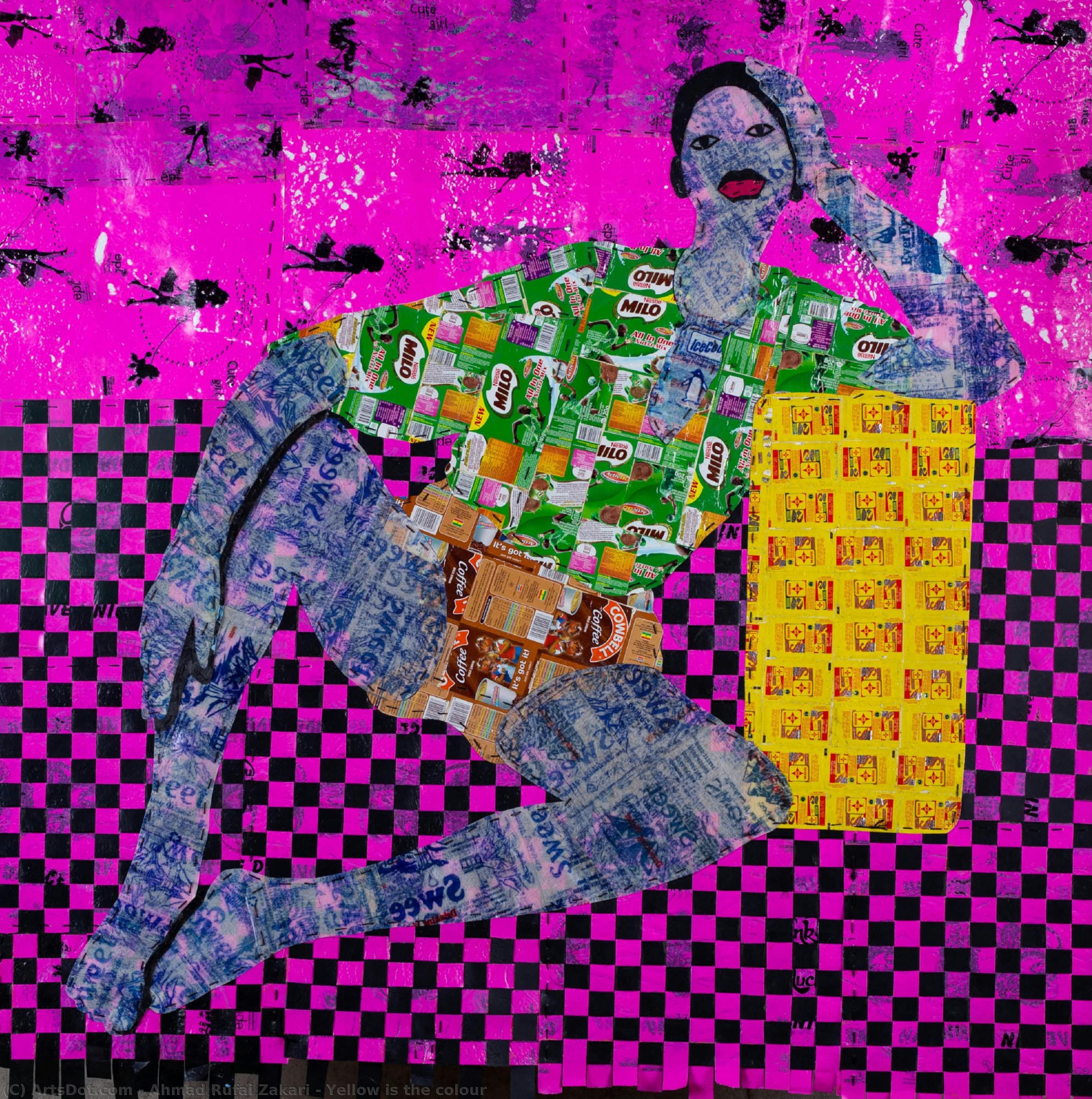
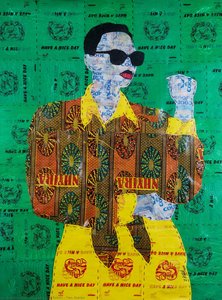
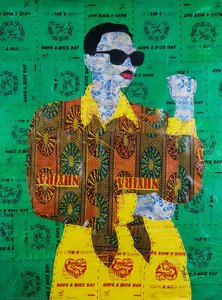
Yellow is the colour


 詳細を見る
詳細を見る
オンラインプレビューをはるかに凌ぐ、高解像度で鮮明なデジタル画像をご購入いただけます。
各ファイルは、社内の専門家が高度なツールと熟練した手作業によるレタッチを用いて、細心の注意を払って準備されています。すべての画像において、卓越した鮮明度、正確な色彩再現性、そして繊細なディテールを保証いたします。
最終ファイルは、プロフェッショナルな編集・印刷環境ですぐにご利用いただけるよう最適化された状態で、72時間以内にメールにてお届けいたします。これは、一流のデザインスタジオ、出版社、ギャラリーから信頼されているものと同等の品質です。
デジタル画像のご注文に付随する特典
高品質なデジタル画像配信を、確かな品質で。
ArtsDot.com を選ぶことは、単に画像を手に入れることではありません。それは、プロの手によって精密に仕上げられ、満足保証が付いた高品質なデジタルアートワークを受け取ることを意味します。ご注文いただいた際に自動的に付随する内容は、以下の通りです:

メールですぐにお届け
ご注文から72時間以内に、高解像度のデジタル画像ファイルがメールでお手元に届きます。すぐにそのままご利用いただけます。

AI技術で最適化されたデジタルファイル
お客様の作品は、高度なAIツールと専門家による手作業の編集を組み合わせてプロフェッショナルに最適化されており、細部のディテール、鮮明さ、そして正確な色再現性を最大限に引き出しています。

一生涯無料の再送サービス
ファイルを誤って削除したり、紛失してしまったりしましたか?ご安心ください。いつでも無料で再送いたします。

輸入手数料は一切かかりません
関税や手数料、配送料を気にすることなく、お気に入りのアートワークをすぐにお楽しみいただけます。デジタルダウンロードは常に免税です。

色彩再現の保証
プロ仕様のツールとカラーマネジメント技術を用いることで、デジタル画像が元の色を最大限に忠実に再現することを保証いたします。

60日間満足保証
ご購入いただいたデジタル画像にご満足いただけない場合は、60日以内であれば、修正または100%の返金(理由を問う必要はありません)をさせていただきます。

100% 返金保証
ご満足いただけない場合は、デジタルファイルを受け取ってから60日以内であれば、理由を問わず全額返金いたします。

まとめ買い割引
3枚購入で10%OFF - 5枚購入で15%OFF - 10枚以上購入で20%OFF。クリエイティブなプロジェクト、ギャラリー、エージェンシーに最適です。
関連作品

作家の略歴
The Alchemy of Waste: The Visionary Art of Ahmad Rufai Zakari
In the vibrant landscape of contemporary Ghanaian art, few voices resonate with as much tactile urgency and social depth as Ahmad Rufai Zakari. Born in Ghana in 1990, Zakari has emerged not merely as a creator of images, but as an alchemist of the discarded. His practice is a profound engagement with the realities of modern existence, specifically the environmental and human costs of global consumerism. Growing up amidst the shifting tides of Ghanaian society, Zakari witnessed firsthand the pervasive impact of industrialization—the way single-use plastics, once convenient, become permanent scars upon the landscape. This observation became the seed for an artistic journey that seeks to transform the ephemeral debris of modern life into enduring monuments of human dignity.
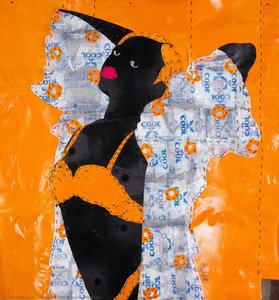
Zakari’s medium is perhaps his most radical statement. Eschewing traditional oils or acrylics, he utilizes a sophisticated form of collage and assemblage, meticulously repurposing single-use plastics—bags, food packaging, water sachets, and bottles—to construct his figures. This technique is far more than an aesthetic choice; it is a deliberate act of environmental stewardship. By trimming these found objects into precise shapes and stitching them together with rope and needle, he creates a textured, multidimensional surface that mimics the depth of fine art painting while retaining the raw, physical reality of its components. In his hands, the very materials that threaten our ecosystems are reborn as canvases of beauty, forcing the viewer to confront their own relationship with consumption and the culture of disposability.
Reimagining Identity Through Plastic and Thread
The subjects of Zakari’s work are often powerful, dynamic portraits of women, particularly Black women, who serve as vessels for themes of resilience, strength, and defiance. His compositions frequently feature figures in motion or poised with a commanding presence, embodying aspirations for liberation and empowerment. Through his use of vibrant, often clashing colors found within plastic wrappers, he creates a visual rhythm that feels both contemporary and deeply rooted in the aesthetic traditions of African textiles and folklore. These portraits are not mere representations; they are reimagined icons that challenge conventional perspectives on femininity and social status.
Several of his works stand as pillars of his creative achievement, each exploring different facets of the human condition:
- Janet: A mesmerizing masterpiece that functions as a complex, tactile tapestry. In this piece, Zakari explores themes of carelessness and transgression, using the textures of food packages to create a figure that is both fragile and indomitable.
- Zakiya: A vibrant celebration of modernity where the boundaries between waste and wonder dissolve. Clad in a brilliant yellow shirt, the subject stands as a beacon of joy against a lush backdrop, illustrating how beauty can be reclaimed from the overlooked.
- Hawa One: A work that invites the viewer into a world where the discarded becomes divine, featuring a serene presence draped in luminous colors that radiate warmth and spiritual depth.
- Melanin I: An energetic exploration of movement and identity, where the rhythmic presence of a dancing figure captures the uninhibited spirit of life amidst the remnants of consumer culture.
A Legacy of Social Commentary and Artistic Evolution
The evolution of Zakari’s style reveals a deep connection to the history of collage, drawing subtle inspirations from Surrealist pioneers such as Kurt Schwitters and Max Ernst. However, he has moved beyond mere imitation to create a uniquely African narrative that addresses the specificities of labor exploitation and environmental degradation in contemporary Ghana. His work sits at the intersection of fine art and activism, where every stitch of thread and every fragment of plastic serves as a critique of the pervasive culture of waste.
As his practice continues to develop, Zakari’s historical significance lies in his ability to bridge the gap between the environmental crisis and the human spirit. He compels us to look closer at what we cast aside, suggesting that within the wreckage of modern consumerism, there exists the potential for profound rebirth. Through his innovative technique and unflinching social gaze, Ahmad Rufai Zakari ensures that the voices of the marginalized and the stories of our changing planet are not just heard, but seen in all their textured, brilliant glory.
ahmad rufai zakari
1990 - , Ghana
プロフィール概要
- Artistic Movement Or Style: Plastic Collage Art
- Full Name: Ahmad Rufai Zakari
- Nationality: Ghanaian
- Notable Artworks:
- Janet
- Yellow is the colour
- Place Of Birth: Ghana

