 プレビュー
プレビュー
 シェアする
シェアする シェアする
シェアする
 詳細を見る
詳細を見る

 ダウンロード
 似ている作品
 X線調査
X線調査 スライドショー
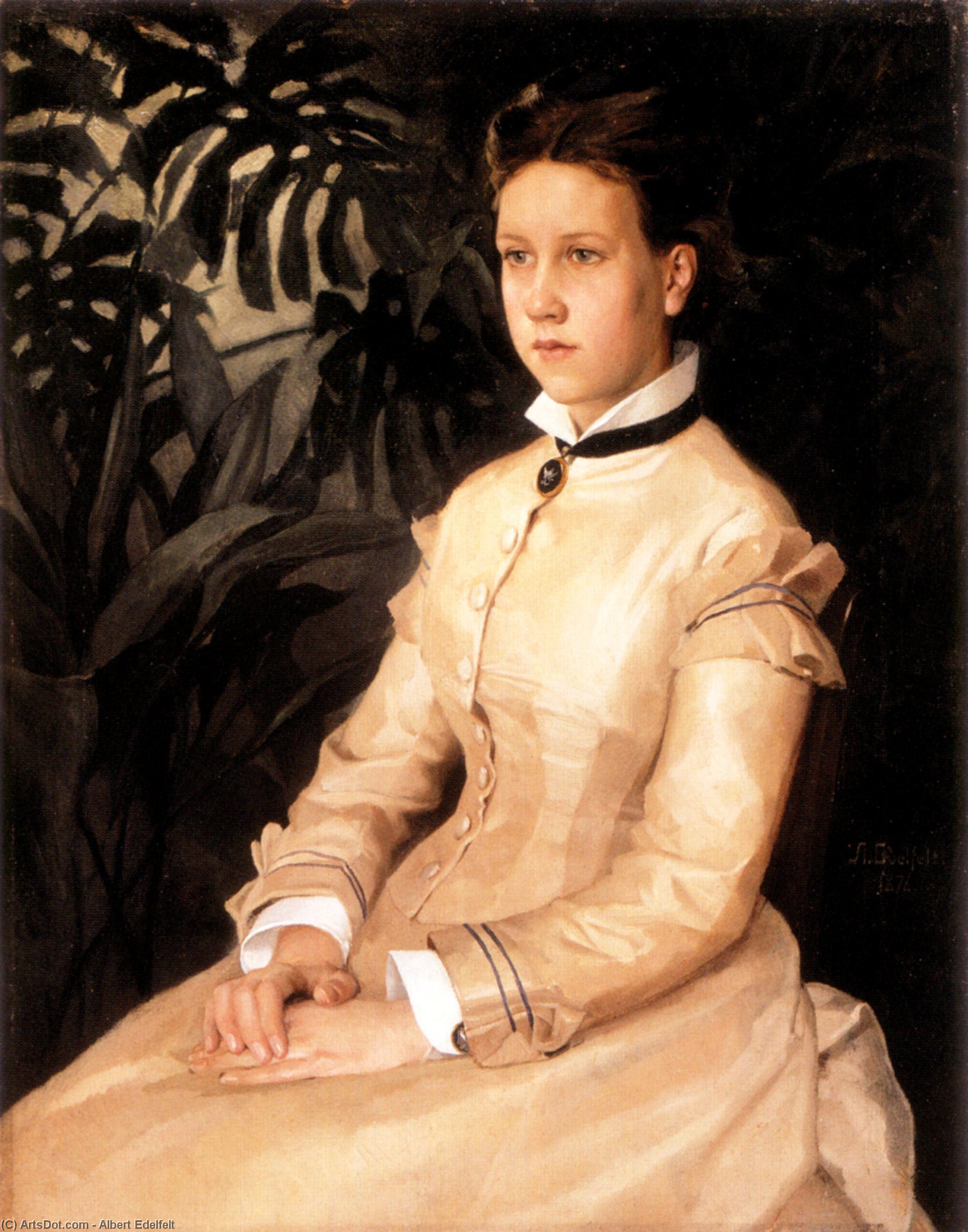
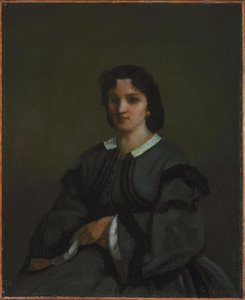
Portrait of the Artist's Sister Ellen Edelfelt


 詳細を見る
詳細を見る
ジークレー/アートプリント
迅速な制作と多彩な仕上げオプションを備えた、ミュージアムクオリティのジークレーまたはキャンバスプリント。 ( 手描きの絵画を購入 画像を購入)




































作品のオリジナル比率に合わせた、当店の規定サイズからお選びください。

特定のフレームやスペースに合わせて、ご自身でサイズを指定することも可能です。選択されたサイズが元の画像の比率と一致しない場合、作品をトリミングするか、鏡面反射または単色での塗りつぶしによって画像を拡張いたします。制作を開始する前に、ご確認用のデジタルモックアップをお送りいたします。
画面上のプレビューには、実際のトリミングや拡張は反映されませんのでご注意ください。最終的な構図を正確に確認できるのは、モックアップのみとなります。
カスタムサイズも承っておりますが、元の比率を維持するためには、あらかじめ用意されたリストからサイズを選択することをお勧めいたします。


 ガラスオプションは、110cm未満のサイズでのみご利用いただけます。

Portrait of the Artist's Sister Ellen Edelfelt
ジークレー/アートプリント
複製画のサイズ
-


合計金額
$ 62
Portrait of the Artist’s Sister Ellen Edelfelt: A Window into Finnish Realism
Albert Edelfelt's "Portrait of the Artist’s Sister Ellen Edelfelt," painted in 1876, is more than just a likeness; it’s a poignant meditation on familial connection and the burgeoning realist movement within Finnish art. This captivating work offers a glimpse into the life and sensibilities of a young woman – Ellen Edelfelt – while simultaneously showcasing the artist's masterful command of light, color, and psychological depth. The painting depicts Ellen seated in a simple chair before a tree, her gaze direct and engaging with the viewer, creating an immediate sense of intimacy.
The scene itself is deceptively tranquil. The backdrop of the tree introduces a subtle element of nature’s permanence – a counterpoint to the fleeting beauty captured within the portrait. Two additional chairs subtly suggest a domestic setting, hinting at the everyday life and relationships that shaped Ellen's world. Edelfelt’s meticulous attention to detail extends beyond mere representation; he captures not just her physical appearance but also an underlying sense of quiet dignity and perhaps even a touch of melancholy – emotions frequently explored in the works of Finnish artists during this period.
The Realist Vision: Edelfelt's Artistic Journey
Born in Porvoo, Finland, in 1854, Albert Edelfelt’s artistic development was profoundly influenced by his time abroad. His early training at the drawing school of the Finnish Art Society laid a foundation for his future work, but it was his sojourns to Antwerp and Paris that truly shaped his style. At the Antwerp Academy, he studied history painting, absorbing the grand narratives and technical virtuosity characteristic of the era. However, it was his time in Paris – particularly under the guidance of Jean-Léon Gérôme – that cemented his commitment to realism. Gérôme’s influence is evident in Edelfelt's ability to render textures with remarkable accuracy and his focus on portraying everyday subjects with honesty and sensitivity.
Edelfelt’s breakthrough came with a gold medal at the Paris Universal Exposition of 1889, propelling him into the forefront of Finnish art. This success allowed him to dedicate himself fully to capturing the essence of his homeland – its people, landscapes, and traditions – through a distinctly realist lens.
Technique and Emotional Resonance
Edelfelt’s technique in “Portrait of the Artist’s Sister Ellen Edelfelt” is characterized by a smooth, almost velvety brushstroke. He skillfully employs light to sculpt Ellen's features, creating a sense of volume and depth. The muted color palette – dominated by browns, greens, and whites – contributes to the painting’s somber yet dignified mood. Notably, he avoids overly dramatic lighting or elaborate ornamentation, opting instead for a naturalistic approach that emphasizes the subject’s inherent beauty and character. This restraint is key to the emotional impact of the piece; it invites viewers to contemplate Ellen's inner life rather than simply admiring her outward appearance.
The directness of Ellen’s gaze, combined with the quiet stillness of the scene, creates a powerful sense of connection between the viewer and the subject. It is this ability to evoke genuine emotion through carefully observed detail that defines Edelfelt's legacy as one of Finland’s most important realist painters.
関連作品

アーティストの略歴
幼少期と芸術への目覚め
1854年7月21日、フィンランドのポーヴォーで生まれたアルベルト・エデルフェルトは、カール・アルベルト・エデルフェルトとアレクサンドラ・エデルフェルト(旧姓ブラント)を両親に持ちます。スウェーデン語を話すフィンランド人家庭に育った彼は、幼い頃から芸術への強い情熱を抱き、1869年にはフィンランド美術協会の絵画学校で正式な教育を受けるようになりました。ポーヴォーの美しい自然は彼の初期の作品に大きな影響を与え、その繊細な色彩感覚と風景描写の才能を開花させました。芸術的旅路:アントワープからパリへ
エデルフェルトの芸術的な探求は、様々な名門機関での研鑽へと繋がります。1873年から1874年にはアントワープ王立美術アカデミーで歴史画の技術を磨き、その後、1874年から1878年までパリ国立美術学校(École Nationale des Beaux-Arts)に入学しました。そこで彼はジャン=レオン・ジェロームに師事し、その写実的な技法と構図力を深く学びました。また、サンクトペテルブルクにも短期間滞在し、多様な芸術的影響を受けながら独自のスタイルを確立していきました。パリでの経験は、彼の作品に新たな視点と洗練された表現をもたらしました。名声の獲得と代表作
1889年のパリ万国博覧会で金メダルを受賞したことが、エデルフェルトの名声を決定づけました。この頃から、彼の作品は国際的に評価されるようになります。代表作としては、ルイ・パスツール像が挙げられ、この作品によって彼はフランスのレジオン・ドヌール勲章を授与されました。また、ブー דוワールに佇む若い女性は、彼の女性描写における繊細さと優雅さを際立たせる傑作であり、白樺林の下はフィンランドの風景を情感豊かに表現した作品として知られています。リアリズム運動への貢献と後世への影響
エデルフェルトは、フィンランドで最初に国際的な名声を得た芸術家の一人であり、フィンランドのリアリズム運動に大きく貢献しました。彼の作品は、当時の社会情勢や人々の生活を忠実に描き出し、多くの人々に感動を与えました。また、アクセリ・ガレン=カレラやグンナル・ベンドストロムといった若いフィンランド人画家たちに多大な影響を与え、彼らのパリでの活躍を支援しました。エデルフェルトの存在は、フィンランド美術界における重要な転換点となりました。美術館コレクションと記念
エデルフェルトの作品は、ヘルシンキのアテネウム美術館をはじめとする様々な美術館に所蔵されています。彼の遺産を称えるため、2004年には彼の生誕150周年を記念して100ユーロのエデルフェルト記念硬貨が発行されました。 主要な作品と美術館コレクション: さらに詳しく:
アルベルト・エデルフェルト
1854 - 1905 , 日本
基本情報
- Artistic Movement Or Style: 写実主義
- Artists Or Movements Influenced By This Artist:
- アクセリ・ガレン=カレラ
- グンナル・ベンドスト
- Artists Who Influenced This Artist: ['ジャン=レオン・ジェローム']
- Date Of Birth: 1854年7月21日
- Date Of Death: 1905年
- Full Name: アルベルト・グスタフ・アリスティデス・エデルフェルト
- Nationality: フィンランド人
- Notable Artworks (List Of Titles):
- ルイ・パスツールの肖像
- 若い女性のブードワール
- 白樺林の下
- Place Of Birth (City And Country): フィンランド ポルヴォー