

 プレビュー
プレビュー
 プリントを購入
 シェアする
シェアする シェアする
シェアする
 詳細を見る
詳細を見る

 ダウンロード
 似ている作品
 X線調査
X線調査 スライドショー
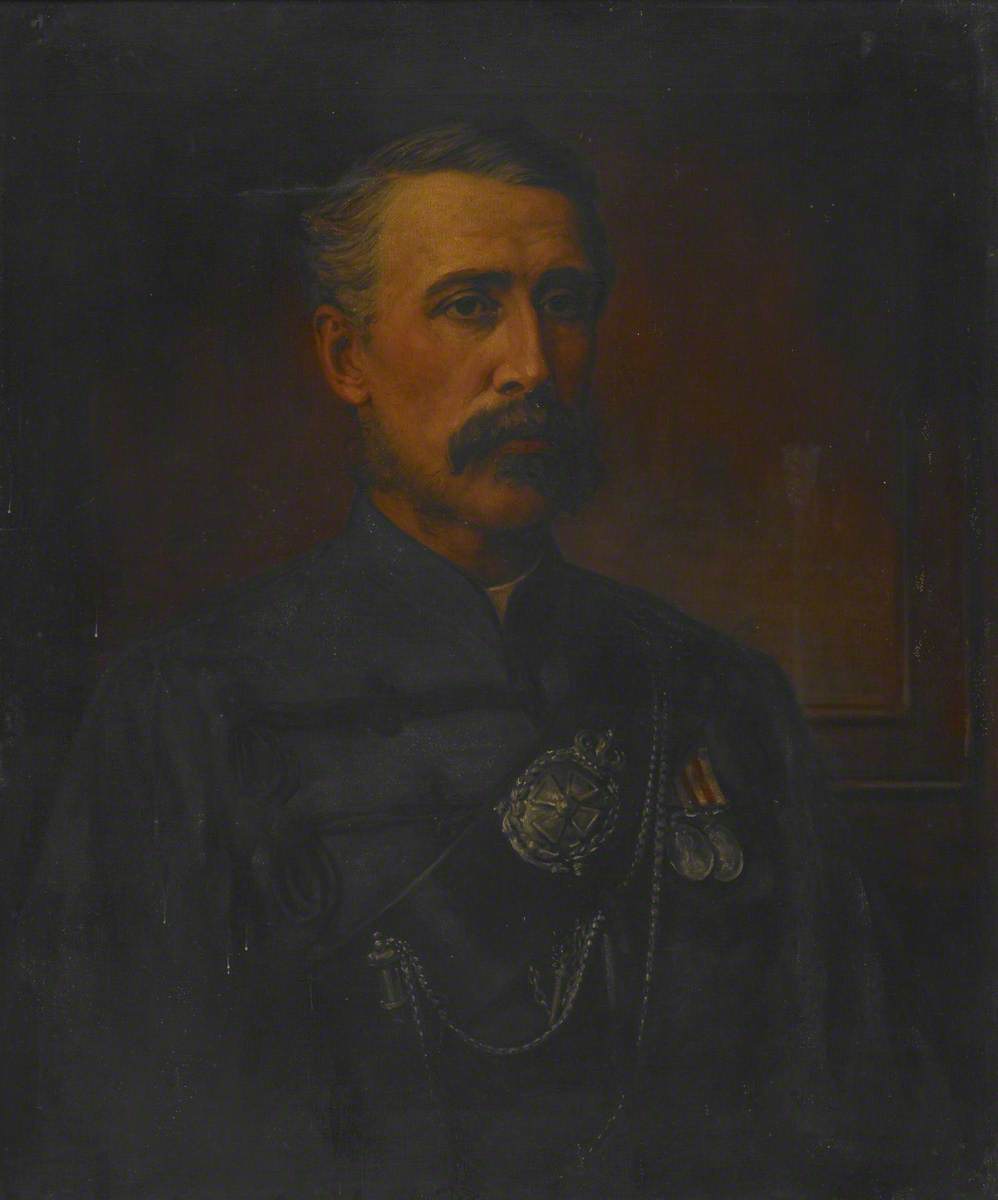
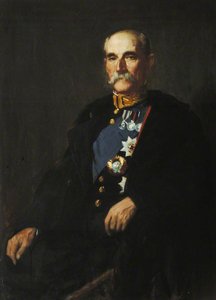
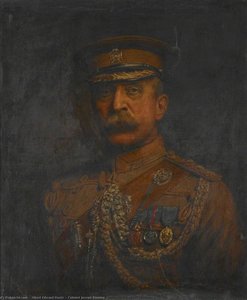
Colonel Bendyshe Walton, CIE


 詳細を見る
詳細を見る




































作品のオリジナル比率に合わせた、当店の規定サイズからお選びください。

特定のフレームやスペースに合わせて、ご希望のサイズをご入力いただけます。選択されたサイズが元の画像の比率と異なる場合、アートワークをトリミングするか、手描きで要素を追加して絵画を拡張いたします。デジタルモックアップ を制作し、制作開始前にご確認(承認)をいただきます。
画面上のプレビューは、実際のトリミングや拡張を正確に反映しているものではありません。最終的な構図は、モックアップによってのみ正確にご確認いただけます。
カスタムサイズもご利用いただけますが、元の比率を維持するためには、あらかじめ用意されたリストからサイズを選択することをお勧めいたします。
ご注文後、ArtsDot.com チームより詳細な指示をお送りするとともに、仕上がりイメージ(モックアップ)をご提供いたします。


 ガラスオプションは、110cm未満のサイズでのみご利用いただけます。

Colonel Bendyshe Walton, CIE
複製技法
複製画のサイズ
-


合計金額
$ 263
関連作品
アーティストの略歴
The Engineer of Light: The Life and Legacy of Albert Edward Harris
In the quiet, mist-shrouded landscapes of early twentieth-century Newfoundland, a unique artistic voice emerged from the intersection of industrial precision and romantic vision. Albert Edward Harris, an artist whose soul was as much tied to the rugged terrain of the North Atlantic as it was to the disciplined mind of an engineer, left behind a body of work that captures a vanishing era. Born in England around 1870, Harris carried with him the structured sensibilities of his formal training, yet his true passion lay in the evocative power of the natural world and the dignified presence of the human subject.
His journey was one of profound geographical and professional transformation. Emigrating to Newfoundland in 1907, Harris did not merely arrive as a visitor but became an integral part of the region's burgeoning industrial fabric. As an engineer, he navigated the complexities of the pulp and paper industry, eventually rising to the esteemed position of Managing Director of the Anglo-Newfoundland Development Company. This dual identity—the pragmatic architect of industry and the sensitive observer of beauty—imbued his art with a rare depth. His technical mastery allowed him to render the textures of military regalia and the structural majesty of landscapes with an exacting, realistic hand, while his artistic spirit sought the ephemeral glow of a sunset or the solemnity of a portrait.
A Vision of Newfoundland and Beyond
The works of Harris are often characterized by their profound connection to the Newfoundland landscape. His paintings serve as visual chronicles of a territory defined by its raw, untamed beauty. Whether capturing the serene light over Sunset near Caerphally or the sweeping vistas of the Atlantic coast, his brushwork conveys a deep reverence for the environment. This was not merely topographical documentation; it was an emotional engagement with the land. His ability to manipulate light and shadow brought a dramatic, almost cinematic quality to his oil paintings, making the rugged terrain feel both intimate and monumental.
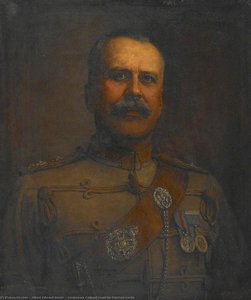
Beyond the landscape, Harris demonstrated a remarkable talent for portraiture, particularly in capturing the dignity of those within the British colonial and military spheres. His portraits, such as the 1919 depiction of Lieutenant Colonel Franklin Marston Leslie, are masterclasses in character study. In these works, he utilized his understanding of form and texture to highlight the weight of responsibility and the prestige of office, often focusing on the intricate details of military attire and the commanding presence of his subjects. This skill in portraiture allowed him to bridge the gap between the personal and the historical, immortalizing the faces of an era.
Cultural Stewardship and Lasting Impact
Harris’s contribution to the arts extended far beyond the canvas; he was a foundational pillar of the Newfoundland artistic community. In 1925, alongside Fanny McNeil, he co-founded The Newfoundland Society of Art. This institution was vital in fostering a local creative ecosystem, organizing exhibitions that brought both local talent and international works to the forefront of the colony's cultural life. Through this endeavor, Harris helped establish a sense of artistic identity for a region that was often viewed through a purely industrial or colonial lens.
His later years were spent in the picturesque village of Brigus, residing in Kent Cottage—a home famously once occupied by the American artist Rockwell Kent. It was here, amidst the salt air and coastal beauty, that Harris continued his creative pursuits until his passing on October 24, 1933. Today, his legacy is preserved in prestigious collections such as The Rooms Provincial Art Gallery in St. John's. To look upon a Harris painting is to witness the harmonious marriage of an engineer's precision and an artist's passion, a testament to a man who saw the profound beauty hidden within both the machine and the wild.
基本情報
- Artistic Movement Or Style: Landscape Painting
- Date Of Death: 24 October 1933
- Full Name: Albert Edward Harris
- Nationality: British
- Notable Artworks: ['Newfoundland Landscape']
- Place Of Birth: England