

 プレビュー
プレビュー
 プリントを購入
 シェアする
シェアする シェアする
シェアする
 詳細を見る
詳細を見る

 ダウンロード
 似ている作品
 X線調査
X線調査 スライドショー
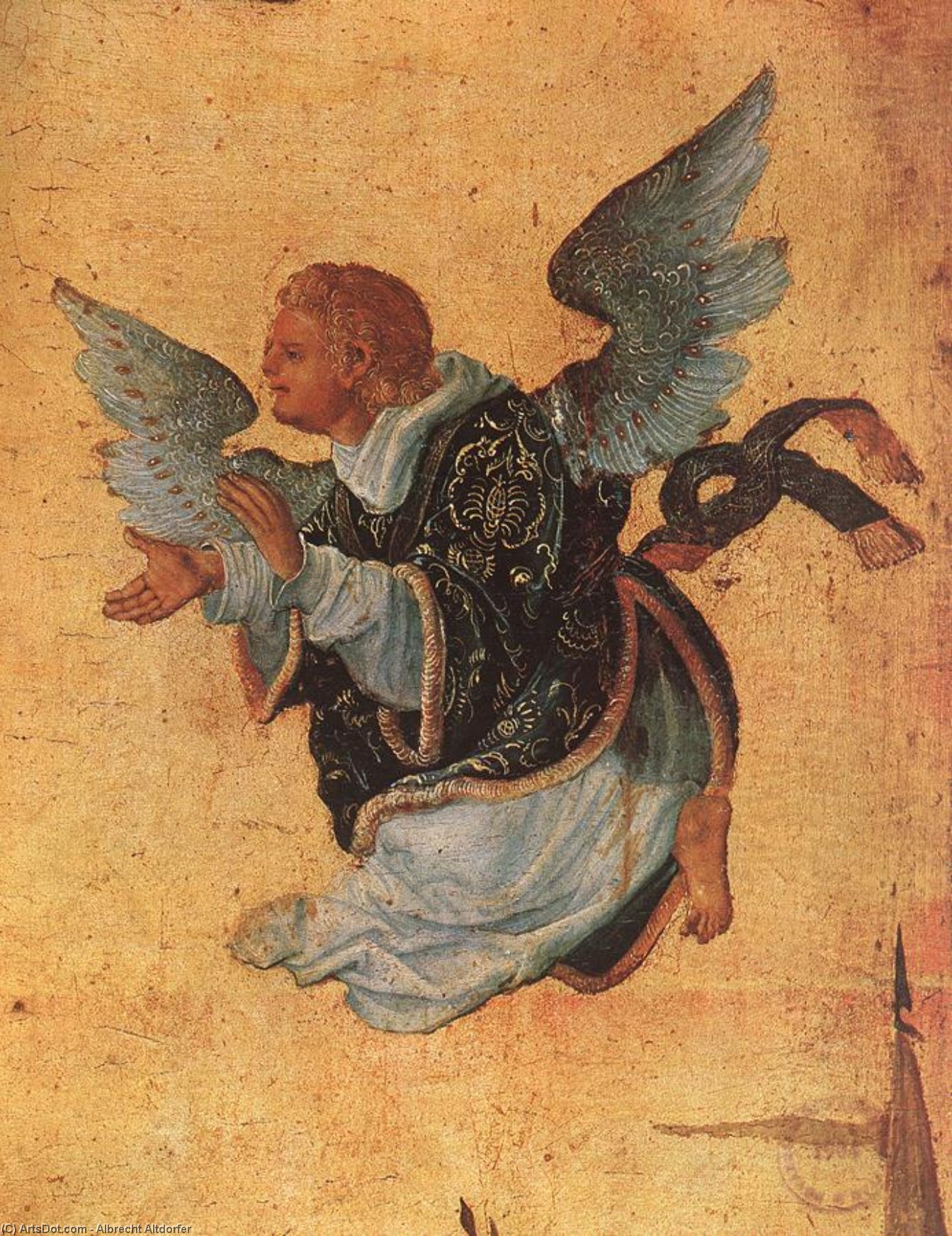
Christ on the Cross (detail)


 詳細を見る
詳細を見る
オンラインプレビューをはるかに凌ぐ、高解像度で鮮明なデジタル画像をご購入いただけます。
各ファイルは、社内の専門家が高度なツールと熟練した手作業によるレタッチを用いて、細心の注意を払って準備されています。すべての画像において、卓越した鮮明度、正確な色彩再現性、そして繊細なディテールを保証いたします。
最終ファイルは、プロフェッショナルな編集・印刷環境ですぐにご利用いただけるよう最適化された状態で、72時間以内にメールにてお届けいたします。これは、一流のデザインスタジオ、出版社、ギャラリーから信頼されているものと同等の品質です。
デジタル画像のご注文に付随する特典
高品質なデジタル画像配信を、確かな品質で。
ArtsDot.com を選ぶことは、単に画像を手に入れることではありません。それは、プロの手によって精密に仕上げられ、満足保証が付いた高品質なデジタルアートワークを受け取ることを意味します。ご注文いただいた際に自動的に付随する内容は、以下の通りです:

メールですぐにお届け
ご注文から72時間以内に、高解像度のデジタル画像ファイルがメールでお手元に届きます。すぐにそのままご利用いただけます。

AI技術で最適化されたデジタルファイル
お客様の作品は、高度なAIツールと専門家による手作業の編集を組み合わせてプロフェッショナルに最適化されており、細部のディテール、鮮明さ、そして正確な色再現性を最大限に引き出しています。

一生涯無料の再送サービス
ファイルを誤って削除したり、紛失してしまったりしましたか?ご安心ください。いつでも無料で再送いたします。

輸入手数料は一切かかりません
関税や手数料、配送料を気にすることなく、お気に入りのアートワークをすぐにお楽しみいただけます。デジタルダウンロードは常に免税です。

色彩再現の保証
プロ仕様のツールとカラーマネジメント技術を用いることで、デジタル画像が元の色を最大限に忠実に再現することを保証いたします。

60日間満足保証
ご購入いただいたデジタル画像にご満足いただけない場合は、60日以内であれば、修正または100%の返金(理由を問う必要はありません)をさせていただきます。

100% 返金保証
ご満足いただけない場合は、デジタルファイルを受け取ってから60日以内であれば、理由を問わず全額返金いたします。

まとめ買い割引
3枚購入で10%OFF - 5枚購入で15%OFF - 10枚以上購入で20%OFF。クリエイティブなプロジェクト、ギャラリー、エージェンシーに最適です。
作品の詳細
Albrecht Altdorfer: Pioneer of German Renaissance Landscape Painting & Key Figure of the Danube School
Albrecht Altdorfer (1480–1538) stands as a pivotal figure bridging the late Gothic period and the burgeoning German Renaissance, reshaping artistic sensibilities with an unprecedented focus on landscape painting. He wasn’t merely *of* his time; he actively propelled its evolution, establishing him as the foremost artist of the Danube School—a movement that irrevocably altered European art history. Born in Regensburg, Bavaria, Altdorfer emerged from a lineage steeped in artistic tradition – his father, Ulrich Altdorfer, was himself a painter and miniaturist – swiftly distinguishing himself not through adherence to established conventions but through audacious innovation. Regensburg’s strategic location on the Danube River fostered a vibrant cultural milieu that profoundly influenced his artistic vision, nurturing a deep connection to the natural world which would become central to his enduring oeuvre. Beyond his prodigious talent as an artist, Altdorfer possessed considerable civic responsibility, serving as both town architect and council member—a testament to his multifaceted capabilities. Yet, it was his singular contribution to landscape painting that cemented his legacy, marking him as a true visionary who anticipated the stylistic trends of subsequent generations.- Early Life & Artistic Training: Ulrich Altdorfer’s influence instilled in Albrecht a foundational understanding of artistic craftsmanship and perspective—skills honed during formative years amidst Regensburg's burgeoning artistic community.
- The Danube School: Altdorfer spearheaded the Danube School, alongside Lucas Cranach the Elder and Wolf Huber, championing landscape as an independent genre – a radical departure from prevailing artistic practices that prioritized narrative scenes over atmospheric depictions of nature.
- Technique & Style: His distinctive style characterized by thick brushstrokes, expressive coloration, and meticulous detail—particularly evident in his landscapes—reflected the influence of Giorgione and Lucas Cranach, demonstrating Altdorfer’s mastery of oil paint on parchment glued on wood.
Key Works & Landscape Innovations
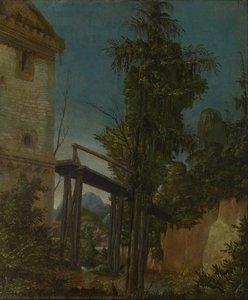
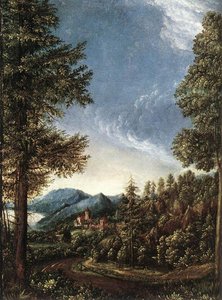
Altdorfer's artistic output exemplifies his groundbreaking approach to landscape representation. Notably, “Christ Carrying the Cross” (1513), housed in the Kunsthalle Hamburg and London’s National Gallery, stands as a cornerstone of Danube School aesthetics—a monumental depiction conveying profound spiritual symbolism through meticulously rendered natural elements. The painting captures Jesus' arduous journey towards Calvary, emphasizing his vulnerability against the backdrop of a dramatic mountain landscape imbued with evocative hues. Similarly, “Landscape with Footbridge” (1520), residing in London’s National Gallery, showcases Altdorfer’s masterful command of color and composition—a serene vista dominated by an enormous tree symbolizing resilience and divine grace. The artist's deliberate placement of the tree at the center of the scene underscores his belief that nature should inspire contemplation and reverence.- “Landscape with Footbridge” (1520): Demonstrates Altdorfer’s pioneering use of color to convey emotion and atmosphere, capturing a moment of profound stillness amidst towering pines and fir trees.
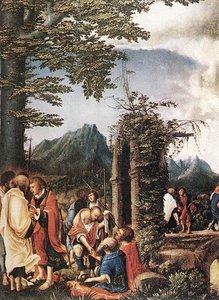
- “Christ Carrying the Cross” (1513): Exemplifies the Danube School's preoccupation with conveying spiritual themes through natural imagery—a powerful meditation on suffering and redemption.
Symbolism & Emotional Impact
Altdorfer’s landscapes transcend mere visual representation; they embody complex symbolic meanings rooted in Christian theology and humanist ideals. Recurring motifs such as trees, mountains, and streams serve as metaphors for faith, endurance, and the interconnectedness of humanity and divinity—themes explored with unwavering conviction throughout his oeuvre. The artist's meticulous attention to detail—from the texture of bark to the dappled sunlight filtering through foliage—creates an immersive experience that invites viewers to contemplate the sublime beauty of God’s creation. His paintings resonate with a palpable sense of solemnity and contemplation, reflecting Altdorfer’s profound spiritual conviction and his unwavering belief in the transformative power of art. Viewing these works evokes feelings of awe, serenity, and reverence—a testament to Altdorfer's enduring artistic legacy as one of the foremost landscape painters of the Renaissance.Legacy & Influence
Albrecht Altdorfer’s pioneering vision continues to inspire artists today, establishing him as a foundational figure in European art history. His influence extends beyond his own paintings—evident in the stylistic innovations of subsequent Danube School artists and reverberating throughout German painting—solidifying his position as a true innovator who irrevocably altered artistic conventions. Studying Altdorfer’s work offers invaluable insight into the genesis of landscape painting and illuminates the enduring power of art to convey spiritual truths and evoke profound emotional responses. His legacy endures not merely as an artist's achievement but as a cornerstone of cultural heritage—a testament to his transformative contribution to the artistic landscape of the Renaissance.関連作品

作家の略歴
アルブレヒト・アルトドルフ:北方ルネサンスの風景画を切り開いた先駆者
1480年頃、ドイツのレーゲンスブルクで生まれたアルブレヒト・アルトドルフは、ゴシック時代後期と勃興するドイツ・ルネサンスを結びつける重要な人物として知られています。彼は単なる時代の芸術家ではなく、特に風景画の分野において、その芸術的軌跡を積極的に変革しました。画家でありミニチュア作家でもあった父ウルリヒ・アルトドルフから受け継がれた豊かな芸術的伝統の中で育ち、若い頃から模倣者としてではなく、革新者としての才能を発揮しました。ドナウ川沿いに位置する自由都市レーゲンスブルクは、彼の形成期に活気ある文化的背景を提供し、自然界との深いつながりを育み、それが彼の作品の中心的なテーマとなりました。芸術活動に加え、アルトドルフは町長や評議会議員としても活躍し、その多才な才能を示しました。しかし、彼が独自の芸術的声を発揮したのは、1506年頃の初期の版画や素描を通してでした。特に『聖フランチェスコの聖痕』や『聖ヒエロニムス』は、彼の成熟したスタイルを予感させ、感情的な深みと細部への徹底的なこだわりを示しました。ドナウ派と革新的なビジョン
アルトドルフは、16世紀初頭に南ドイツで活動した影響力のある芸術家集団であるドナウ派の主要なメンバーとして広く認められています。この芸術サークルは、風景の表現力を探求することへの共通の関心を持ち、それを単なる背景から独立した主題へと高めました。アルトドルフ以前、風景画は主に宗教的または歴史的な物語の設定として機能していました。彼は自然をそれ自体として描き出し、大気と感情的な響きを与えました。1511年頃にドナウ川を下り、アルプス地方への旅が彼の芸術的発展にとって極めて重要でした。劇的な眺め、鬱蒼とした森林、そしてそびえ立つ山々は、彼の中に比類のない忠実さと感情をもって自然を描く情熱を呼び起こしました。彼は、おそらく、単に見たものを再現するだけでなく、畏敬の念や神秘性、さらには精神的なつながりといった感情的な反応を伝える最初の近代的な風景画家となりました。これは単なる地形的正確さではなく、『大トウヒ』のような作品に見られるように、自然の中にあることの*体験*をとらえることでした。傑作と芸術的影響
アルトドルフは、そのキャリアを通じて、絵画、版画、素描、建築設計など、多様な作品を制作しました。彼の最も有名な業績の一つに、1529年にバイエルン公ヴィルヘルム4世から依頼を受けた『アレクサンドロス大王のイッソスの戦い』があります。この壮大な絵画は、彼が構成と細部への習熟度を示しているだけでなく、戦闘シーンの劇的な緊張感を高めるために風景を革新的に使用していることを示しています。渦巻く雲、険しい山々、そして混沌とした兵士たちの乱闘は、圧倒的なエネルギーとスペクタクルを作り出します。1513年にインスブルックで神聖ローマ皇帝マクシミリアン1世と協力したことは、彼の芸術的視野をさらに広げ、大規模なプロジェクトに取り組む機会を提供しました。アルトドルフのスタイルは孤立して形成されたものではありませんでした。彼は様々な情報源からの影響を受けました。ジョルジョーネの詩的な叙情性、ルーカス・クラナッハ老人の表現力豊かな人物描写、そしてアルブレヒト・デューラーの細部へのこだわりがすべて彼の作品に痕跡を残しました。しかし、彼はこれらの影響を独自の人格的なビジョンへと統合し、感情的な強度、劇的な照明、そして喚起的な風景によって特徴づけられました。『浴後のヴィーナス』のような版画は、このメディアにおける彼のスキルを示しており、繊細な線と複雑なディテールが際立っています。遺産と永続的な影響
アルブレヒト・アルトドルフの芸術的遺産は、彼が生涯に制作した55枚のパネル画、120点の素描、そして数多くの版画を超えて広がっています。彼は風景画に対するアーティストのアプローチを根本的に変え、後世の人々がその表現力を探求するための道を開きました。彼の影響は、自然の崇高な美しさと感情的な力を捉えようとした後のドイツ・ロマン派の画家たちの作品に見ることができます。今日、アルトドルフの芸術作品は、ドイツのオストドイチェス・ガレリー美術館(*レーゲンスブルクのマリア』を所蔵)やオーストリアのKunstsammlungen und Museen Augsburgなど、世界中の主要な美術館に展示されています。彼の革新的な精神、技術的なスキル、そして自然界との深いつながりは、今日でもアーティストたちにインスピレーションを与え続けています。彼はドイツ・ルネサンスを代表する偉大な人物であり、風景を単なる背景としてではなく、深い感情と精神的な意味を呼び起こす強力な力として捉えた真の先駆者です。彼の作品は、世界に対する私たちの認識を変える芸術の永続的な力を証明しています—それは今日でも鑑賞者の心に響き続ける遺産です。アルトドルフの多様な作品を探求する
象徴的な風景画や戦闘シーンに加え、アルトドルフの芸術的範囲は、宗教的な主題、神話的な物語、さらには建築設計にも及びました。彼の『アブラハムの犠牲』のような聖書の物語の描写は、以前の解釈とは異なる劇的な強度と感情的な深みを与えられています。彼は単に聖典を説明しているのではなく、信仰を通して人間の状態を探求していました。『ムキウス・スキャエヴォラが手を燃やす』のような版画は、彼の線とディテールの習熟度を示しており、しばしば動きとドラマの感覚を伝えています。素描は、彼が細部にまで注意を払い、表現力豊かな陰影を使用していることを明らかにし、彼の創造的なプロセスへの親密な洞察を提供します。レーゲンスブルクの町長として、アルトドルフは都市の要塞や都市計画に貢献し、彼の実践的および芸術的な才能を示しました。彼が技術的なスキルと感情的な深みをシームレスに融合させた能力は、ルネサンスを代表するアーティストとしての地位を確固たるものにしました。アルトドルフの作品は、風景画への革新的なアプローチと人間の感情の深い探求のために、今日でも研究され、賞賛されています。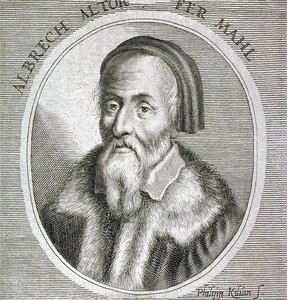
アルブレヒト・アルトドルファー
1480 - 1538 , ドイツ
プロフィール概要
- Artistic Movement Or Style: ダヌーベ派、ルネサンス
- Artists Or Movements Influenced By This Artist: ['ドイツ浪漫派画家']
- Artists Who Influenced This Artist:
- ジョルジョーネ
- ルーカス・クラナッハ
- アルブレヒト・デューラー
- Date Of Birth: 1480年頃
- Date Of Death: 1538年
- Full Name: アルブレヒト・アルトドルファー
- Nationality: ドイツ人
- Notable Artworks (List Of Titles):
- アレクサンドロス合戦
- 大きなトウヒ
- 聖ゲオルギと竜
- Place Of Birth (City And Country): ドイツ、レーゲンスブルク

