 プレビュー
プレビュー
 シェアする
シェアする シェアする
シェアする
 詳細を見る
詳細を見る

 ダウンロード
 似ている作品
 X線調査
X線調査 スライドショー
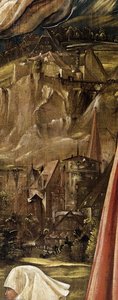
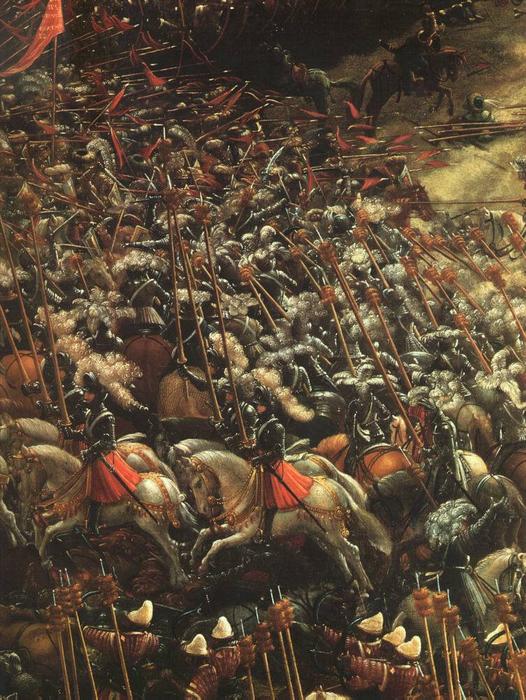
The Battle of Alexander (detail)


 詳細を見る
詳細を見る
ジークレー/アートプリント
迅速な制作と多彩な仕上げオプションを備えた、ミュージアムクオリティのジークレーまたはキャンバスプリント。 ( 手描きの絵画を購入 画像を購入)




P118B $10

P118H $10

P118W $10

P438Z $10

P508JH $12

P508YH $12

P805H $10

P805Z $10

P919BZ $10

P919G $10

P919XJ $10

P959ZH $10

P968JZ $12

W106C $8

W218G $10

W218JH $8

W218Y $10

W307PJ $10

W316G $10

W316PJ $8

W316Y $10

W398PJ $8

W4111J $10

W500HY $15

W500JH $15

W692G $12

W849H $8

W940BG $15

W953PJ $8




作品のオリジナル比率に合わせた、当店の規定サイズからお選びください。

特定のフレームやスペースに合わせて、ご自身でサイズを指定することも可能です。選択されたサイズが元の画像の比率と一致しない場合、作品をトリミングするか、鏡面反射または単色での塗りつぶしによって画像を拡張いたします。制作を開始する前に、ご確認用のデジタルモックアップをお送りいたします。
画面上のプレビューには、実際のトリミングや拡張は反映されませんのでご注意ください。最終的な構図を正確に確認できるのは、モックアップのみとなります。
カスタムサイズも承っておりますが、元の比率を維持するためには、あらかじめ用意されたリストからサイズを選択することをお勧めいたします。


 ガラスオプションは、110cm未満のサイズでのみご利用いただけます。

The Battle of Alexander (detail)
ジークレー/アートプリント
複製画のサイズ
-


合計金額
$ 62
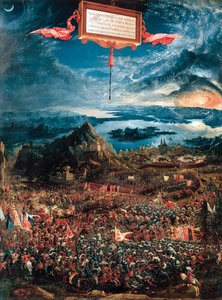
The Clash of Empires: Albrecht Altdorfer’s “The Battle of Alexander at Issus”
Albrecht Altdorfer's "The Battle of Alexander at Issus," painted in 1529 and now residing within the Alte Pinakothek in Munich, isn’t merely a depiction of a historical battle; it’s a visceral embodiment of ambition, conflict, and the precarious balance between East and West. More than just a military scene, this monumental work is a carefully constructed panorama—a stage upon which the destinies of empires collide, rendered with an unprecedented dynamism and emotional intensity for its time. The painting immediately assaults the viewer with its scale and frenetic energy; figures surge across the canvas in a swirling vortex of steel, color, and movement, creating a sense of overwhelming chaos that belies the strategic brilliance at play.
Altdorfer’s genius lies not simply in his technical skill—though it is undeniably masterful—but in his ability to fuse meticulous detail with an almost hallucinatory intensity. Every shield gleams, every plume of war paint reflects the light, and the musculature of each soldier is rendered with a startling realism. Yet, this hyper-realism isn’t employed to create a photographic likeness; rather, it serves to amplify the drama and heighten the sense of immediacy. The artist masterfully employs atmospheric perspective—distant figures fading into a hazy blue – to draw the eye deeper into the scene, while simultaneously utilizing bold color contrasts—the fiery reds of the Macedonian cavalry against the somber blues and greens of the Persian ranks—to establish a clear visual hierarchy.
A Landscape Transformed: The Dawn of Independent Landscape
What truly distinguishes “The Battle of Alexander” is Altdorfer’s revolutionary approach to landscape. Prior to this painting, landscapes were typically relegated to secondary roles, serving merely as backdrops for historical or religious narratives. Altdorfer, however, elevates the landscape to a central protagonist, imbuing it with its own expressive power and significance. The rolling hills of the Bavarian countryside—recognizable in the distant background—are not simply a setting; they are actively engaged in the drama unfolding before them, mirroring the turmoil and uncertainty of the conflict. The artist’s use of color – particularly the vibrant greens and blues – evokes both the beauty and the danger inherent in nature, suggesting that even the landscape itself is caught in the crosscurrents of war.
This shift towards independent landscape marked a pivotal moment in art history, establishing Altdorfer as one of the pioneers of what would later be known as the “world landscape.” He wasn’t interested in creating a realistic representation of a specific place; instead, he used the landscape to amplify the emotional impact of the scene and to convey a sense of timelessness. The inclusion of elements like the rising sun on the left side of the painting—a symbol of hope and renewal—further reinforces this notion of landscape as an active participant in the unfolding drama.
Symbolism and Political Undertones
Beyond its purely visual impact, “The Battle of Alexander” is laden with symbolic meaning. The battle itself represents a clash between two civilizations – the burgeoning power of the West, embodied by Alexander the Great, and the declining empire of Persia. However, Altdorfer subtly complicates this narrative by incorporating elements that suggest a broader political context. The painting was commissioned by Duke William IV of Bavaria, who was actively preparing for war against the Ottoman Turks—a formidable threat to Europe at the time. Some art historians believe that Altdorfer deliberately used the imagery of Alexander’s victory to bolster morale and inspire his patrons to confront this contemporary enemy.
The inclusion of figures fleeing in disarray, particularly those representing Darius III, reinforces this sense of impending doom. The composition itself—with Alexander positioned at the center, radiating authority and control—suggests that Western civilization is destined to triumph over Eastern decadence. Even the sky, with its dramatic interplay of light and shadow, seems to foreshadow a future of conflict and uncertainty.
A Timeless Masterpiece: Reproduction and Beyond
“The Battle of Alexander at Issus” remains a profoundly moving and intellectually stimulating work of art. Its dynamic composition, masterful technique, and rich symbolism continue to captivate viewers centuries after its creation. High-quality reproductions offer an accessible way to experience the painting’s power and beauty, allowing art lovers, collectors, and interior designers alike to bring this iconic image into their homes or offices. When selecting a reproduction, seek out versions that faithfully capture Altdorfer's vibrant color palette and dramatic lighting—elements that are crucial to understanding the painting’s emotional impact. This monumental work serves as a potent reminder of the enduring power of art to both reflect and shape our understanding of history, politics, and the human condition.
関連作品
アーティストの略歴
アルブレヒト・アルトドルフ:北方ルネサンスの風景画を切り開いた先駆者
1480年頃、ドイツのレーゲンスブルクで生まれたアルブレヒト・アルトドルフは、ゴシック時代後期と勃興するドイツ・ルネサンスを結びつける重要な人物として知られています。彼は単なる時代の芸術家ではなく、特に風景画の分野において、その芸術的軌跡を積極的に変革しました。画家でありミニチュア作家でもあった父ウルリヒ・アルトドルフから受け継がれた豊かな芸術的伝統の中で育ち、若い頃から模倣者としてではなく、革新者としての才能を発揮しました。ドナウ川沿いに位置する自由都市レーゲンスブルクは、彼の形成期に活気ある文化的背景を提供し、自然界との深いつながりを育み、それが彼の作品の中心的なテーマとなりました。芸術活動に加え、アルトドルフは町長や評議会議員としても活躍し、その多才な才能を示しました。しかし、彼が独自の芸術的声を発揮したのは、1506年頃の初期の版画や素描を通してでした。特に『聖フランチェスコの聖痕』や『聖ヒエロニムス』は、彼の成熟したスタイルを予感させ、感情的な深みと細部への徹底的なこだわりを示しました。ドナウ派と革新的なビジョン
アルトドルフは、16世紀初頭に南ドイツで活動した影響力のある芸術家集団であるドナウ派の主要なメンバーとして広く認められています。この芸術サークルは、風景の表現力を探求することへの共通の関心を持ち、それを単なる背景から独立した主題へと高めました。アルトドルフ以前、風景画は主に宗教的または歴史的な物語の設定として機能していました。彼は自然をそれ自体として描き出し、大気と感情的な響きを与えました。1511年頃にドナウ川を下り、アルプス地方への旅が彼の芸術的発展にとって極めて重要でした。劇的な眺め、鬱蒼とした森林、そしてそびえ立つ山々は、彼の中に比類のない忠実さと感情をもって自然を描く情熱を呼び起こしました。彼は、おそらく、単に見たものを再現するだけでなく、畏敬の念や神秘性、さらには精神的なつながりといった感情的な反応を伝える最初の近代的な風景画家となりました。これは単なる地形的正確さではなく、『大トウヒ』のような作品に見られるように、自然の中にあることの*体験*をとらえることでした。傑作と芸術的影響
アルトドルフは、そのキャリアを通じて、絵画、版画、素描、建築設計など、多様な作品を制作しました。彼の最も有名な業績の一つに、1529年にバイエルン公ヴィルヘルム4世から依頼を受けた『アレクサンドロス大王のイッソスの戦い』があります。この壮大な絵画は、彼が構成と細部への習熟度を示しているだけでなく、戦闘シーンの劇的な緊張感を高めるために風景を革新的に使用していることを示しています。渦巻く雲、険しい山々、そして混沌とした兵士たちの乱闘は、圧倒的なエネルギーとスペクタクルを作り出します。1513年にインスブルックで神聖ローマ皇帝マクシミリアン1世と協力したことは、彼の芸術的視野をさらに広げ、大規模なプロジェクトに取り組む機会を提供しました。アルトドルフのスタイルは孤立して形成されたものではありませんでした。彼は様々な情報源からの影響を受けました。ジョルジョーネの詩的な叙情性、ルーカス・クラナッハ老人の表現力豊かな人物描写、そしてアルブレヒト・デューラーの細部へのこだわりがすべて彼の作品に痕跡を残しました。しかし、彼はこれらの影響を独自の人格的なビジョンへと統合し、感情的な強度、劇的な照明、そして喚起的な風景によって特徴づけられました。『浴後のヴィーナス』のような版画は、このメディアにおける彼のスキルを示しており、繊細な線と複雑なディテールが際立っています。遺産と永続的な影響
アルブレヒト・アルトドルフの芸術的遺産は、彼が生涯に制作した55枚のパネル画、120点の素描、そして数多くの版画を超えて広がっています。彼は風景画に対するアーティストのアプローチを根本的に変え、後世の人々がその表現力を探求するための道を開きました。彼の影響は、自然の崇高な美しさと感情的な力を捉えようとした後のドイツ・ロマン派の画家たちの作品に見ることができます。今日、アルトドルフの芸術作品は、ドイツのオストドイチェス・ガレリー美術館(*レーゲンスブルクのマリア』を所蔵)やオーストリアのKunstsammlungen und Museen Augsburgなど、世界中の主要な美術館に展示されています。彼の革新的な精神、技術的なスキル、そして自然界との深いつながりは、今日でもアーティストたちにインスピレーションを与え続けています。彼はドイツ・ルネサンスを代表する偉大な人物であり、風景を単なる背景としてではなく、深い感情と精神的な意味を呼び起こす強力な力として捉えた真の先駆者です。彼の作品は、世界に対する私たちの認識を変える芸術の永続的な力を証明しています—それは今日でも鑑賞者の心に響き続ける遺産です。アルトドルフの多様な作品を探求する
象徴的な風景画や戦闘シーンに加え、アルトドルフの芸術的範囲は、宗教的な主題、神話的な物語、さらには建築設計にも及びました。彼の『アブラハムの犠牲』のような聖書の物語の描写は、以前の解釈とは異なる劇的な強度と感情的な深みを与えられています。彼は単に聖典を説明しているのではなく、信仰を通して人間の状態を探求していました。『ムキウス・スキャエヴォラが手を燃やす』のような版画は、彼の線とディテールの習熟度を示しており、しばしば動きとドラマの感覚を伝えています。素描は、彼が細部にまで注意を払い、表現力豊かな陰影を使用していることを明らかにし、彼の創造的なプロセスへの親密な洞察を提供します。レーゲンスブルクの町長として、アルトドルフは都市の要塞や都市計画に貢献し、彼の実践的および芸術的な才能を示しました。彼が技術的なスキルと感情的な深みをシームレスに融合させた能力は、ルネサンスを代表するアーティストとしての地位を確固たるものにしました。アルトドルフの作品は、風景画への革新的なアプローチと人間の感情の深い探求のために、今日でも研究され、賞賛されています。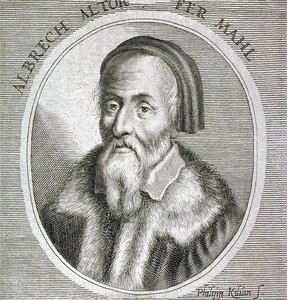
アルブレヒト・アルトドルファー
1480 - 1538 , ドイツ
基本情報
- Artistic Movement Or Style: ダヌーベ派、ルネサンス
- Artists Or Movements Influenced By This Artist: ['ドイツ浪漫派画家']
- Artists Who Influenced This Artist:
- ジョルジョーネ
- ルーカス・クラナッハ
- アルブレヒト・デューラー
- Date Of Birth: 1480年頃
- Date Of Death: 1538年
- Full Name: アルブレヒト・アルトドルファー
- Nationality: ドイツ人
- Notable Artworks (List Of Titles):
- アレクサンドロス合戦
- 大きなトウヒ
- 聖ゲオルギと竜
- Place Of Birth (City And Country): ドイツ、レーゲンスブルク
関連記事
Albrecht Dürer's Masterpieces: 25 Iconic Artworks for Your Home | ArtsDot
Explore 25 iconic artworks by Albrecht Dürer, a master of the German Renaissance. Discover the stories behind Melencolia I, Knight Death and Devil & more. Find museum-quality art reproductions for your home at ArtsDot.com.
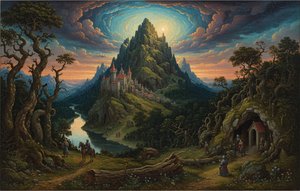
Albrecht Altdorfer: Innovation, Spirituality & the Northern Renaissance Landscape
Explore the groundbreaking art of Albrecht Altdorfer, a pioneer of the Northern Renaissance's Danube School. Discover his innovative landscapes, spiritual symbolism & lasting influence on German painting.

ロマン派ランドスケープ:時代を彩る巨匠の10選|アートとインテリアの世界
ロマン派絵画の時代を彩る10選。巨匠たちの風景が織りなす感動の世界へ。ターナー、ルーベンスなど、名作の裏話と高精細複製でアートをお部屋に。ArtsDot.comで至福のアート体験を。

Evocations of Place: A Historical Journey Through Landscape Art
Explore the rich history of landscape art with ArtsDot. Discover renowned artists, movements like Impressionism & Romanticism, and expert guidance for collecting timeless pieces. Find your perfect serene escape today!

ジョン・コンスタブルの傑作25選:英国風景画の巨匠が描く自然と光の詩 | ArtsDot
ジョン・コンスタブルの傑作25選。英国風景画の巨匠が描く自然と光の詩の世界へ。ロマン主義を代表する絵画、デダム・ヴェールやヘイ・ウェインなど、ArtsDotで高品質なアートプリントをお楽しみください。インテリアに深みと感動を。コレクションはこちら。