

 プレビュー
プレビュー
 プリントを購入
 シェアする
シェアする シェアする
シェアする
 詳細を見る
詳細を見る

 ダウンロード
 似ている作品
 X線調査
X線調査 スライドショー
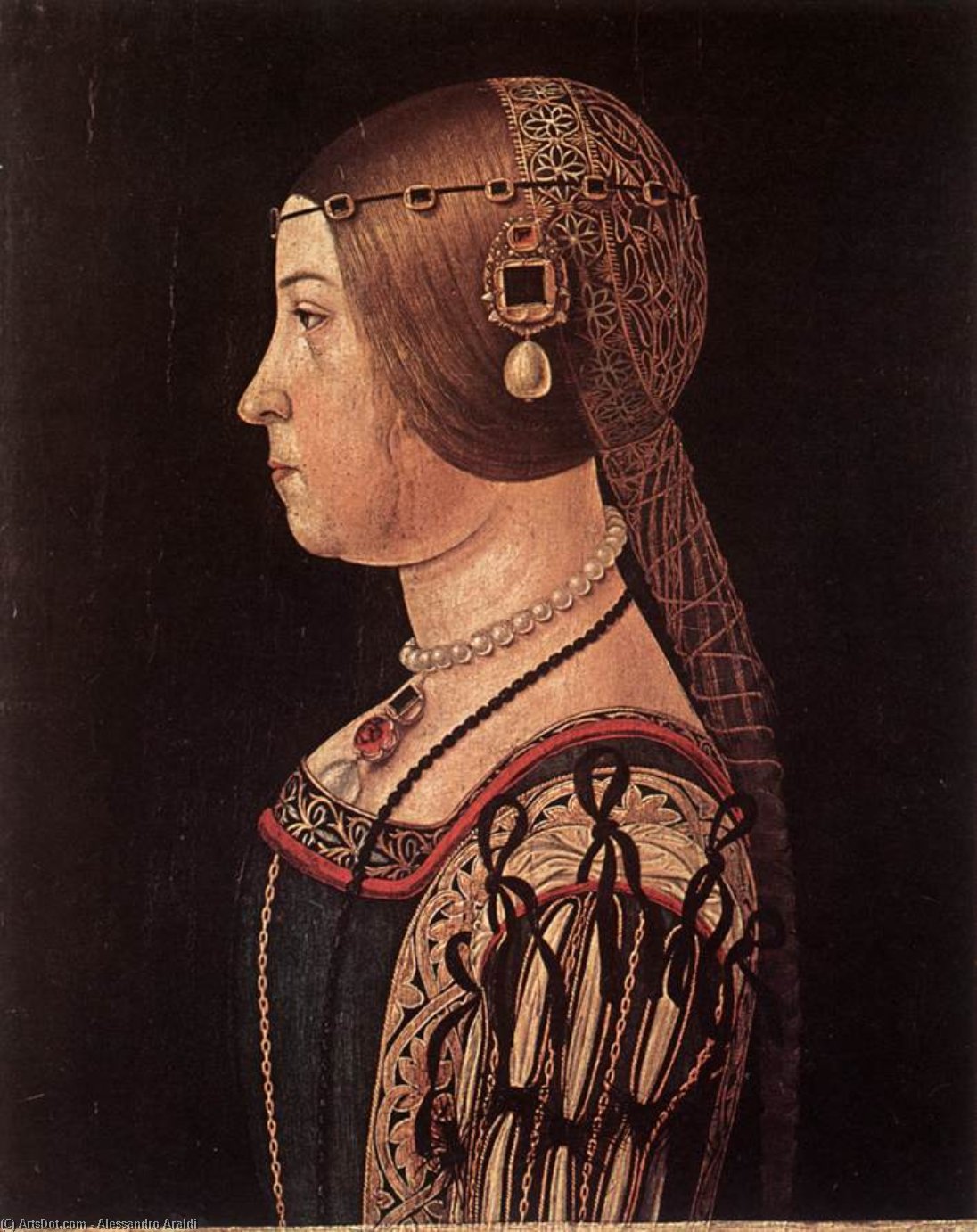
Portrait of Barbara Pallavicino
 Oil On Canvas
- WallArt
- Renaissance
 1510
1510 46.0 x 35.0 cm
 ウフィツィ美術館
 詳細を見る
詳細を見る
オンラインプレビューをはるかに凌ぐ、高解像度で鮮明なデジタル画像をご購入いただけます。
各ファイルは、社内の専門家が高度なツールと熟練した手作業によるレタッチを用いて、細心の注意を払って準備されています。すべての画像において、卓越した鮮明度、正確な色彩再現性、そして繊細なディテールを保証いたします。
最終ファイルは、プロフェッショナルな編集・印刷環境ですぐにご利用いただけるよう最適化された状態で、72時間以内にメールにてお届けいたします。これは、一流のデザインスタジオ、出版社、ギャラリーから信頼されているものと同等の品質です。
デジタル画像のご注文に付随する特典
高品質なデジタル画像配信を、確かな品質で。
ArtsDot.com を選ぶことは、単に画像を手に入れることではありません。それは、プロの手によって精密に仕上げられ、満足保証が付いた高品質なデジタルアートワークを受け取ることを意味します。ご注文いただいた際に自動的に付随する内容は、以下の通りです:

メールですぐにお届け
ご注文から72時間以内に、高解像度のデジタル画像ファイルがメールでお手元に届きます。すぐにそのままご利用いただけます。

AI技術で最適化されたデジタルファイル
お客様の作品は、高度なAIツールと専門家による手作業の編集を組み合わせてプロフェッショナルに最適化されており、細部のディテール、鮮明さ、そして正確な色再現性を最大限に引き出しています。

一生涯無料の再送サービス
ファイルを誤って削除したり、紛失してしまったりしましたか?ご安心ください。いつでも無料で再送いたします。

輸入手数料は一切かかりません
関税や手数料、配送料を気にすることなく、お気に入りのアートワークをすぐにお楽しみいただけます。デジタルダウンロードは常に免税です。

色彩再現の保証
プロ仕様のツールとカラーマネジメント技術を用いることで、デジタル画像が元の色を最大限に忠実に再現することを保証いたします。

60日間満足保証
ご購入いただいたデジタル画像にご満足いただけない場合は、60日以内であれば、修正または100%の返金(理由を問う必要はありません)をさせていただきます。

100% 返金保証
ご満足いただけない場合は、デジタルファイルを受け取ってから60日以内であれば、理由を問わず全額返金いたします。

まとめ買い割引
3枚購入で10%OFF - 5枚購入で15%OFF - 10枚以上購入で20%OFF。クリエイティブなプロジェクト、ギャラリー、エージェンシーに最適です。
作品の詳細
The Unveiling Gaze: Portraiture in the Italian Renaissance
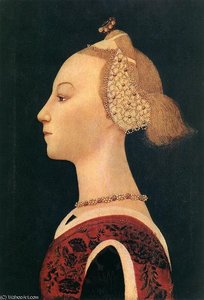
To stand before Alessandro Araldi's "Portrait of Barbara Pallavicino" is to encounter a moment suspended in time, a direct communion with the spirit of the early sixteenth century. This oil painting, executed in 1510, transcends a mere likeness; it is a carefully constructed meditation on status, intellect, and enduring feminine grace. The subject, Barbara Pallavicino, confronts the viewer with an arresting seriousness. Her gaze, unwavering and direct, seems to penetrate the veil of centuries, inviting us not just to observe her beauty, but to question the nature of portraiture itself—what does it mean to be seen so completely?
Mastery in Oil: Technique and Elegance
Araldi’s handling of oil paint is evident in every delicate fold of Barbara's attire. The richness achieved through his technique allows the textures—the sheen of her dress, the subtle gleam on her necklace, the softness of her hair—to leap from the canvas. While the overall composition speaks to the refined tastes of the Italian Renaissance, Araldi imbues it with a palpable sense of immediacy. His background elements, though perhaps understated, serve only to elevate the sitter, ensuring that all focus remains upon the captivating presence emanating from Barbara herself. The careful rendering of light across her features suggests an artist deeply versed in the emerging naturalism of the period.
Historical Echoes: Life in Parma at the Turn of the Century
Painted when Alessandro Araldi was a mature practitioner, this portrait situates us within the vibrant cultural milieu of Parma. The early sixteenth century was a time of burgeoning artistic confidence across Italy, where patronage fueled an intense desire to capture and commemorate individual lives. To own such a piece is to possess a tangible link to the aristocratic circles that shaped Renaissance culture. It speaks to a society that valued both outward display—the elegance suggested by her garments—and inner fortitude, embodied in her resolute expression.
Symbolism of the Portrait
The symbolism within this work is subtle yet profound. The necklace, an adornment of wealth and connection, speaks to her social standing, while the gravity of her expression hints at a depth of character beyond mere superficial beauty. Renaissance portraiture often served as a visual testament to lineage and virtue. Barbara’s composure suggests a woman who understands her place in the world but whose inner life remains sovereign. It is a study in controlled power, beautifully framed by Araldi's skilled hand.
Bringing History Home: For the Modern Collector
For those seeking an artwork that marries historical gravitas with undeniable aesthetic appeal, this reproduction offers an unparalleled opportunity. Imagine this piece gracing your salon or drawing-room; it does not merely decorate a space—it elevates its narrative. The combination of Araldi's masterful technique and the timeless subject matter ensures that "Portrait of Barbara Pallavicino" will remain a focal point, sparking conversation and contemplation for generations to come.
関連作品

作家の略歴
The Shadowy Master of Parma
Alessandro Araldi remains one of the more enigmatic figures of the Italian Renaissance, a painter whose life is etched less in written records and more in the enduring pigments of his surviving works. Born around 1460 in the vibrant city of Parma, Araldi emerged during a period of profound cultural transformation. While much of his personal biography has been lost to the passage of centuries, his presence in the artistic landscape of Northern Italy is unmistakable. He operated within a city that was becoming a jewel of patronage under figures like Federico II Gonzaga, a setting that provided the fertile ground necessary for his talent to bloom and for his distinctive style to take root.
To understand Araldi is to trace the lineage of his training, which connected him to some of the most significant artistic currents of his era. His early development was shaped within the workshop of Cristoforo Caselli, known as Il Temperello, a Bolognese master whose penchant for dramatic compositions and expressive brushwork left an indelible mark on Araldi’s approach to visual storytelling. This foundation in the Bolognese tradition was later enriched by his time in the Mazzola workshop under Lorenzo Costa of Ferrara. Through Costa, Araldi absorbed a sophisticated synthesis of Venetian elegance and Florentine realism, allowing him to bridge the gap between different regional aesthetics and create something uniquely his own.
A Synthesis of Style and Spirit
The artistry of Alessandro Araldi is defined by a masterful command over the diverse influences circulating through the Italian peninsula. His oeuvre acts as a crossroads where the soft, atmospheric qualities of the Venetian school meet the structured classicism of Bologna. One can observe the echoes of Giovanni Bellini and the Vivarini in his handling of light and color, yet Araldi possessed a singular ability to infuse these borrowed techniques with a sense of local identity. This is perhaps most evident in his monumental frescoes within the Benedictine Monastery of San Paolo, where his command of perspective and chromatic depth demonstrates an artist at the height of his technical prowess.
Beyond the grand scale of his frescoes, Araldi’s mastery extended to the intimate and the profound. His religious commissions, such as the Madonna col bambino e i santi antonio abate e paolo, reveal a deep devotion to detail and a capacity for conveying spiritual weight through delicate textures and luminous skin tones. In these works, the divine is made tangible through the meticulous rendering of fabric, light, and human emotion. His ability to navigate both the monumental requirements of ecclesiastical commissions and the nuanced demands of private devotional art marks him as a versatile and highly skilled practitioner of the High Renaissance.
Legacy in Portraiture and Narrative
While much of his fame rests upon his religious compositions, Araldi’s contribution to the genre of portraiture offers a window into the social fabric of the sixteenth century. His 1510 work, Portrait of Barbara Pallavicino, stands as a breathtaking testament to his ability to capture not just a likeness, but a soul. In this oil painting, Araldi utilizes a sophisticated technique to render the sheen of silk and the subtle glow of skin, creating a portrait that is as much a study of status and intellect as it is of beauty. The subject’s unwavering gaze serves as a bridge across time, inviting the modern viewer into the aristocratic world of Parma.
The breadth of his narrative achievements is further highlighted by his ability to depict complex biblical and hagiographic scenes. From the dramatic tension found in his Ultima Cena (1516) to the intricate storytelling in his depictions of Saint Catherine and Saint Jerome, Araldi’s work captures pivotal moments of human and divine interaction. His legacy is not merely found in the individual masterpieces he left behind, but in his role as a vital link in the evolution of the Parma school, ensuring that the traditions of the early Renaissance were carried forward with grace, technical brilliance, and an enduring emotional resonance.
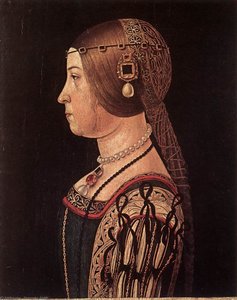
Alessandro Araldi
1460 - 1529 , Italy
プロフィール概要
- Artistic Movement Or Style: Renaissance
- Artists Or Movements Influenced By This Artist: ['Antonio Allegri']
- Artists Who Influenced This Artist:
- Cristoforo Caselli
- Giovanni Bellini
- Lorenzo Costa
- Vivarini
- Date Of Birth: ca. 1460 Parma Italy
- Date Of Death: ca. 1529 Parma Italy
- Full Name: Alessandro Araldi
- Nationality: Italian
- Notable Artworks:
- Lo Sposalizio di Maria e San Giuseppe
- Ultima Cena
- Madonna col bambino e i santi antonio abate e paolo
- Place Of Birth: Parma Italy

