

 プレビュー
プレビュー
 プリントを購入
 シェアする
シェアする シェアする
シェアする
 詳細を見る
詳細を見る

 ダウンロード
 似ている作品
 X線調査
X線調査 スライドショー
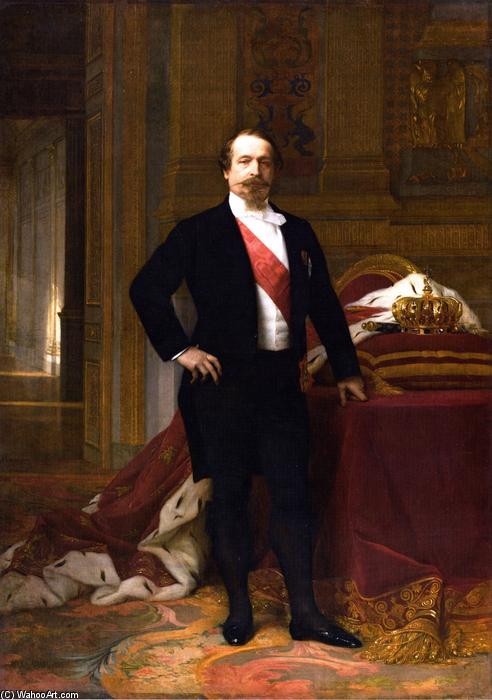
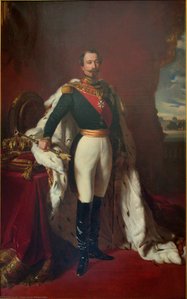
Emperor Napoleon III
 Oil On Canvas
- WallArt
- Academic Realism
 1865
1865 238.0 x 170.0 cm
 Musée National du Château de Compiègne
 詳細を見る
詳細を見る




P118B $10

P118H $10

P118W $10

P438Z $10

P508JH $12

P508YH $12

P805H $10

P805Z $10

P919BZ $10

P919G $10

P919XJ $10

P959ZH $10

P968JZ $12

W106C $8

W218G $10

W218JH $8

W218Y $10

W307PJ $10

W316G $10

W316PJ $8

W316Y $10

W398PJ $8

W4111J $10

W500HY $15

W500JH $15

W692G $12

W849H $8

W940BG $15

W953PJ $8




作品のオリジナル比率に合わせた、当店の規定サイズからお選びください。

特定のフレームやスペースに合わせて、ご希望のサイズをご入力いただけます。選択されたサイズが元の画像の比率と異なる場合、アートワークをトリミングするか、手描きで要素を追加して絵画を拡張いたします。デジタルモックアップ を制作し、制作開始前にご確認(承認)をいただきます。
画面上のプレビューは、実際のトリミングや拡張を正確に反映しているものではありません。最終的な構図は、モックアップによってのみ正確にご確認いただけます。
カスタムサイズもご利用いただけますが、元の比率を維持するためには、あらかじめ用意されたリストからサイズを選択することをお勧めいたします。
ご注文後、ArtsDot.com チームより詳細な指示をお送りするとともに、仕上がりイメージ(モックアップ)をご提供いたします。


 ガラスオプションは、110cm未満のサイズでのみご利用いただけます。

Emperor Napoleon III
複製技法
複製画のサイズ
-


合計金額
$ 263
作品解説
The Majesty Embodied: Alexandre Cabanel’s ‘Emperor Napoleon III’
Alexandre Cabanel's “Emperor Napoleon III” is more than just a portrait; it’s a meticulously crafted tableau of imperial authority and subtle introspection. Painted in 1865, this monumental work—measuring an impressive 238 x 170 cm—captures the essence of a man grappling with the weight of his reign and the legacy of his predecessor. Commissioned by Napoleon III himself, it stands as a testament to Cabanel’s mastery of academic painting, showcasing a profound understanding of light, texture, and the psychological nuances of portraiture.
Cabanel, a leading figure in the French Salon movement, was renowned for his ability to render the human form with breathtaking realism and an almost sculptural quality. He achieved this through painstaking observation and a rigorous adherence to classical principles—a discipline instilled within him at the École des Beaux-Arts. “Emperor Napoleon III” exemplifies this approach; every detail, from the rich velvet of the emperor’s attire to the delicate folds of his drapery, is rendered with exquisite precision. The painting isn't merely a likeness but an embodiment of power and dignity, reflecting the carefully constructed image Napoleon III sought to project.
A Symphony of Light and Symbolism
The composition immediately draws the eye to the central figure – Napoleon III himself. He stands in a commanding pose, his gaze direct and unwavering, projecting an aura of self-assurance. However, it’s not simply a display of strength; Cabanel subtly introduces elements of contemplation. The emperor's hand rests lightly on his hip, suggesting both control and a certain weariness—a quiet acknowledgment of the burdens of leadership. The inclusion of a crown resting upon a table, alongside an open book, is laden with symbolism. The crown represents imperial authority, while the book hints at Napoleon III’s intellectual pursuits and desire to be perceived as more than just a military leader.
Cabanel masterfully employs chiaroscuro—the dramatic contrast between light and shadow—to heighten the sense of drama and depth. Light falls primarily upon the emperor's face and upper body, drawing attention to his features while leaving the background in relative darkness. This technique not only creates a visually striking image but also serves to emphasize Napoleon III’s importance within the scene. The subtle use of color further enhances this effect; rich reds and deep blues dominate the palette, evoking a sense of grandeur and formality.
Historical Context and Artistic Legacy
“Emperor Napoleon III” was created during a pivotal moment in French history—the Second Empire (1852-1870). Under Napoleon III’s rule, France experienced significant economic growth, modernization, and territorial expansion. However, the era was also marked by political tensions and ultimately culminated in the Franco-Prussian War of 1870. The portrait reflects this complex period, capturing the emperor's ambition and authority while subtly hinting at the challenges he faced.
Cabanel’s work is considered a quintessential example of academic painting—a style characterized by its realism, meticulous detail, and adherence to classical conventions. His influence extended far beyond his own lifetime, shaping the artistic landscape of 19th-century France. “Emperor Napoleon III” stands as a powerful testament to Cabanel’s skill and artistry, offering a captivating glimpse into the world of imperial France and the complex personality of its ruler. It remains a significant work in the collection of the Musée National du Château de Compiegne, inviting viewers to contemplate the enduring legacy of this remarkable portrait.
関連作品

アーティストの略歴
アレクサンドル・カバネルの生涯と芸術的形成
19世紀フランスのアカデミック美術を代表する画家、アレクサンドル・カバネルは、1823年9月28日、モンペリエに生まれました。彼の芸術への道は、必ずしも芸術一家からではありませんでした。むしろ、質素な大工の息子として育ち、その背景が彼に勤勉な労働倫理と職人技に対する深い理解を与えたと言えるでしょう。幼い頃からカバネルの才能は明らかで、10歳にして地元のモンペリエ美術学校で正式な指導を受けるほどでした。この初期の才能が彼にパリへの奨学金を獲得させ、1839年に名門エコール・デ・ボザールに入学するきっかけとなりました。ここでは、フランソワ=エドゥアール・ピコのもとで古典主義に基づいた厳格な訓練を受けます。ピコはジャック=ルイ・ダヴィッドの弟子であり、その影響下でカバネルの芸術的軌跡は大きく形作られていきました。カリキュラムは単なる技術習得にとどまらず、文学、歴史、哲学といった幅広い分野に及び、彼の作品の主題を深める知的な基盤を築き上げました。初期には、権威あるローマ賞への挑戦も試みましたが、成功するには至りませんでした。しかし、その努力は彼自身のスキル向上へと繋がり、1845年ついにこの栄誉を獲得し、フランス人芸術家にとって重要な経験となるヴィラ・メディチでの研究期間が与えられました。ローマ時代と名声の確立
ローマでの日々はカバネルにとって変革期となりました。古代美術と文化に浸り、ルネサンス期の巨匠たちの作品を研究し、その構図、技法、そして形態への理解を深めました。この時期は単なる古典絵画の模倣ではなく、古典的な理想を内面化し、自身の芸術的ビジョンへと昇華させるプロセスでした。この頃、モンペリエ出身で熱心な美術収集家であったアルフレッド・ブリュヤとの重要な関係が築かれます。ブリュヤはカバネルのパトロンとなり、彼に多くの作品を依頼しました。*アルバデーデ*、*ラ・キアルッチア*、そして*若きローマの修道士の瞑想*といった絵画は、歴史的な主題とロマンティックな感性を兼ね備えたカバネルの才能が花開いたことを示しています。パリに帰還したカバネルは、すぐにサロンシステムにおける主要な人物として頭角を現しました。彼の作品は常に卓越した技術力、優雅な構図、そして魅惑的な美しさで賞賛されました。1863年に発表された*ヴィーナスの誕生*が画家の名声を決定づける瞬間となります。海から現れる女神の壮大な描写は、瞬く間にセンセーションを巻き起こしました。しかし、その評価は賛否両論ありました。女性の肉体の表現があまりにも大胆すぎると批判する声もありましたが、同時にその卓越した技術と構図は賞賛を集めました。ナポレオン3世自身がこの作品を購入し、自身のコレクションに加え、カバネルの名声を確固たるものにしました。アカデミック様式の巨匠
カバネルの芸術様式は、精密な描写力、細部への徹底的な注意、そして古典的な美に対する献身という点で、アカデミック・リアリズムに深く根ざしています。彼は歴史、神話、宗教といった主題を描くことに長けており、しばしば作品にドラマ性と感情的な強度を与えました。彼の肖像画もまた、被写体の容姿だけでなく、その性格や個性を捉える能力で高く評価されました。カバネルの技法は滑らかな筆致、微妙な明暗のグラデーション、そして光と影の巧みな使用を特徴としています。彼は特に肉色の表現に優れた才能を発揮し、キャンバス上の人物がまるで生きているかのようなリアリティを生み出しました。しかし、彼は単なる現実の再現を目指していたわけではありませんでした。むしろ、古典的な調和、バランス、そして比例といった理想化された美を追求していました。この理想化された美への探求は、しばしば作品の修正と洗練へと繋がり、技術的に完璧で審美的に心地よい絵画を生み出しました。1883年に描かれた*オフィーリア*はその好例です。悲劇のヒロインは幽玄な美しさで表現され、そのポーズと表情は深い悲しみと絶望を伝えています。同様に、*エフゲニア・アレクサンドロヴナ・ヴォロンツォーワ伯爵夫人の肖像画*は、彼の被写体の優雅さと内なる強さを捉える能力を示しています。遺産と影響
1864年までにカバネルは、エコール・デ・ボザールの教授職に就くほどの成功を収めました。彼は死の時までこの地位を保持し、次世代の芸術家たちに知識とスキルを伝えました。彼の著名な弟子たちは数多く存在し、アカデミック絵画の伝統を受け継ぎました。生涯の終盤には印象派のような新しい芸術運動から挑戦を受けることになりますが、カバネルは古典的な理想への揺るぎない信念を持ち続けました。彼の作品は展示され続け、賞賛を集め、コレクターやパトロンからの支持も維持されました。後世の人々がアカデミック美術を懐疑的に見ることもあるかもしれませんが、カバネルの貢献は依然として重要です。彼は19世紀フランス絵画の頂点を代表する画家であり、比類のない技術力と美しい作品を生み出す職人でした。彼の絵画は今日でも観客を魅了し続け、芸術、スキル、そして古典的な理想が支配した世界への一瞥を提供しています。その影響は、意識的にアカデミックな慣習を拒否した画家たちの作品にも見られ、彼の芸術的ビジョンの永続的な力を証明しています。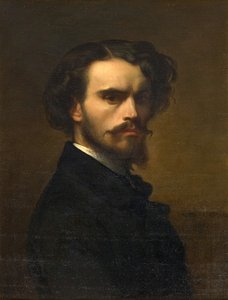
アレクサンドル・カバネル
1875 - 1889
基本情報
- Artistic Movement Or Style: アカデミック美術
- Artists Or Movements Influenced By This Artist: 後世の画家たち
- Artists Who Influenced This Artist: ['フランソワ・エドゥアール・ピコ']
- Date Of Birth: 1823年9月28日
- Date Of Death: 1889年1月23日
- Full Name: アレクサンドル・カバネル
- Nationality: フランス人
- Notable Artworks (List Of Titles):
- オフィーリア
- ヴィーナスの誕生
- パイドラ
- Place Of Birth (City And Country): フランス、モンペリエ
関連記事
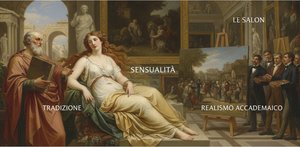
Alexandre Cabanel: Sensuality, Tradition & the Salon's Embrace of Academic Realism
Explore the captivating world of Alexandre Cabanel, master of French Academic painting. Discover his iconic works, Salon success & lasting influence on art history. High-quality reproductions available at ArtsDot.
Charles Le Brun: Master of French Baroque Classicism & His Enduring Legacy
Explore the life & art of Charles Le Brun, master of French Baroque Classicism. Discover his royal commissions, influence on Versailles, and enduring legacy through detailed analysis & stunning artworks.
Simon Vouet: A Baroque Master's Journey from Italian Influence to French Classicism
Explore the life & art of Simon Vouet, a pivotal French Baroque painter who introduced Italian styles to France. Discover his masterpieces and lasting influence on 17th-century art.
The Enduring Legacy of French Art: Movements, Masters & Cultural Impact
Explore the rich history of French art, from the Salon to Impressionism & beyond. Discover iconic masters, key movements, and expert guidance for collecting timeless masterpieces. ArtsDot.
Paul Huet: Capturing the Essence of French Romanticism Through Light and Landscape
Explore the captivating world of Paul Huet (1803-1869), a master of French Romantic landscape painting. Discover his influence on Barbizon & Impressionism, and browse high-quality reproductions at ArtsDot.


