

 プレビュー
プレビュー
 プリントを購入
 シェアする
シェアする シェアする
シェアする
 詳細を見る
詳細を見る

 ダウンロード
 似ている作品
 X線調査
X線調査 スライドショー
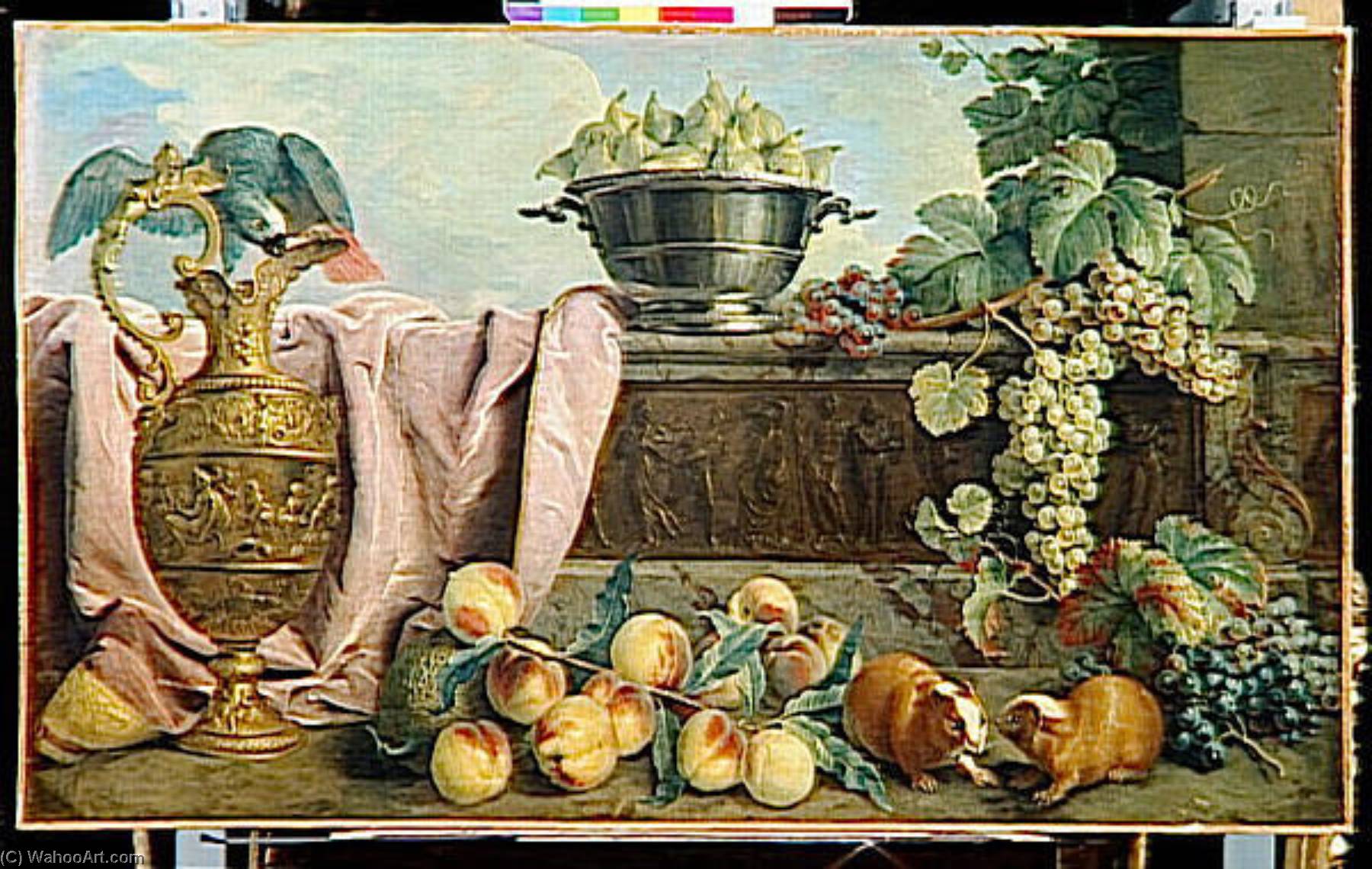
NATURE MORTE A L'AIGUIERE


 詳細を見る
詳細を見る




P118B $10

P118H $10

P118W $10

P438Z $10

P508JH $12

P508YH $12

P805H $10

P805Z $10

P919BZ $10

P919G $10

P919XJ $10

P959ZH $10

P968JZ $12

W106C $8

W218G $10

W218JH $8

W218Y $10

W307PJ $10

W316G $10

W316PJ $8

W316Y $10

W398PJ $8

W4111J $10

W500HY $15

W500JH $15

W692G $12

W849H $8

W940BG $15

W953PJ $8




作品のオリジナル比率に合わせた、当店の規定サイズからお選びください。

特定のフレームやスペースに合わせて、ご希望のサイズをご入力いただけます。選択されたサイズが元の画像の比率と異なる場合、アートワークをトリミングするか、手描きで要素を追加して絵画を拡張いたします。デジタルモックアップ を制作し、制作開始前にご確認(承認)をいただきます。
画面上のプレビューは、実際のトリミングや拡張を正確に反映しているものではありません。最終的な構図は、モックアップによってのみ正確にご確認いただけます。
カスタムサイズもご利用いただけますが、元の比率を維持するためには、あらかじめ用意されたリストからサイズを選択することをお勧めいたします。
ご注文後、ArtsDot.com チームより詳細な指示をお送りするとともに、仕上がりイメージ(モックアップ)をご提供いたします。


 ガラスオプションは、110cm未満のサイズでのみご利用いただけます。

NATURE MORTE A L'AIGUIERE
複製技法
複製画のサイズ
-


合計金額
$ 263
Alexandre-François Desportes: The Painter of Royal Hunts
Alexandre-François Desportes (1661–1743) stands as an enigmatic figure in 18th-century art – a master of animal painting and decorative design whose work offered a rare glimpse into the opulent world of French royalty. His life’s trajectory was shaped by a confluence of factors: a privileged upbringing, early training under a Flemish painter steeped in the traditions of Antwerp, and a profound fascination with the natural world, particularly the rituals and aesthetics of the royal hunt. This singular passion would define his artistic output and solidify his reputation as one of the era's most celebrated artists. Desportes’ artistic journey began modestly. Sent to Paris at the age of twelve to study under Nicasius Bernaerts, a pupil of Frans Snyders, he initially honed his skills in portraiture. However, a pivotal experience during a brief sojourn in Poland between 1695 and 1696 – painting portraits for King John III Sobieski – ignited a lifelong passion for depicting animals, specifically those involved in the hunt. This encounter profoundly shifted his artistic focus, leading him back to France with a newfound determination to specialize in this captivating subject matter. He was formally admitted to the Académie de peinture et de sculpture in 1699, an achievement that solidified his position within the artistic establishment. Crucially, he secured commissions from both Louis XIV and Louis XV, becoming intimately involved in documenting their favorite hunting dogs – a privilege afforded to few artists of the era. These portraits weren’t merely representations; they were carefully constructed narratives reflecting the king's status, his connection to nature, and the grandeur of the royal hunt. During these commissions, Desportes distinguished himself through an innovative approach to composition. Unlike many artists who relied solely on memory or idealized depictions, he meticulously studied the natural world *in situ*, carrying a small notebook with him during royal hunts. He sketched directly from observation, capturing the movement of animals, the play of light and shadow—details that imbued his paintings with remarkable realism. His meticulous attention to detail extended beyond mere representation; it was an attempt to convey not just what he saw but also how he felt about it. This approach is particularly evident in “NATURE MORTE A L'AIGUIERE,” a masterpiece that exemplifies Desportes’ artistic vision and technical prowess.- Subject Matter: The artwork presents a classic still life—an arrangement of inanimate objects intended to be aesthetically pleasing and often symbolic. The presence of fruit can represent abundance or fleeting beauty, mirroring the ephemeral nature of royal hunts and reflecting Desportes’ fascination with capturing moments of natural splendor.
- Style & Technique: “NATURE MORTE A L'AIGUIERE” adheres to the conventions of 18th-century French still life painting, emphasizing realism, elegance, and refined composition. The artist employs oil paints on canvas, layering pigment to achieve textures that mimic the surfaces of stone, drapery, and metal—a testament to Desportes’ mastery of technique.
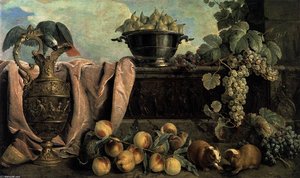
- Composition: Balanced and symmetrical, the scene centers around a large ornate golden ewer draped in pink fabric. A silver pot filled with greenery sits behind it, slightly off-center. Fruit (peaches, grapes) are arranged on the ledge below, cascading towards the viewer. Foliage, including grape leaves and vines, drapes across the top of the composition, adding visual interest and a sense of abundance.
- Color Palette: The color palette is dominated by warm tones – golds, peaches, browns, and pinks – contrasted with cooler greens and silvers. This muted quality contributes to the painting’s aged appearance and evokes a feeling of tranquility.
関連作品
アーティストの略歴
アレクサンドル・フランソワ・デスポルト:王室狩猟の画家
1661年、アルデンヌ地方に生まれたアレクサンドル・フランソワ・デスポルトは、18世紀美術において特異な存在として台頭しました。動物画と装飾デザインの巨匠であり、その作品はフランス王室の華麗な世界を垣間見せてくれます。彼の人生は、恵まれた生い立ち、アントウェルペの伝統に根ざしたフランドルの画家との初期の訓練、そして自然界、特に王室狩猟の儀式と美学に対する深い関心という複合的な要因によって形作られました。
デスポルトの芸術的旅程は控えめな始まりでした。12歳でパリに送られ、著名なフランク・スナイデルスの弟子であるニカシウス・ベルナールトのもとで肖像画の技術を磨きました。しかし、1695年から1696年のポーランドへの短い滞在中に、ヤン3世ソビエスキ王のために肖像画を描いたことが転機となり、狩猟に関わる動物、特にそれらに生涯の情熱を注ぐことになりました。この出会いは彼の芸術的焦点を大きく変え、フランスに戻った彼はこの魅力的な主題に特化することを決意しました。
王室の庇護と新たな芸術的方向性
パリに戻ったデスポルトはすぐにフランス宮廷で求められる画家としての地位を確立しました。1699年に絵画彫刻アカデミーに入会し、芸術界における彼の地位が確固たるものとなりました。何よりも重要なのは、ルイ14世とルイ15世の両方から依頼を受け、そのお気に入りの猟犬を描くという特権を得たことです。これらの肖像画は単なる表現ではありませんでした。それは王の地位、自然とのつながり、そして王室狩猟の壮大さを反映した慎重に構成された物語でした。
デスポルトの役割は単純な肖像画にとどまりませんでした。彼はヴェルサイユ宮殿、マリー宮殿、ムードン宮殿、コンピエーニュ宮殿、ショワジー宮殿など、フランスで最も壮麗な城のいくつかのために精巧な装飾パネルを作成するよう命じられました。それぞれの作品は独特の建築様式を反映し、芸術家の多様性を示しています。1742年にルイ15世から依頼を受けたショワジー宮殿での彼の仕事は、特に重要な例であり、王室宮廷の豪華な内装に関する貴重な洞察を提供しています。彼はまた、シャンティイ宮殿でデュック・ド・ブルボンのために装飾画も制作し、多様なパトロンや環境に適応する能力を示しました。
独自の表現:風景研究と静物
デスポルトを同時代の人々と区別したのは、革新的な構成へのアプローチでした。多くの芸術家が記憶や理想化された表現に頼っていたのに対し、デスポルトは自然界を*現場で*注意深く研究しました。彼は王室狩猟中に小さなスケッチブックを持ち歩き、動物の動き、光と影の戯れ、そして周囲の風景を直接観察してスケッチしました。これらの要素は後に彼の完成した絵画に影響を与えました。この直接的な観察へのコミットメントは当時の革命的なものでした。
彼の絵画は頻繁に、フランス宮廷の贅沢な食事習慣を反映した銀食器の細心の静物と組み合わされていました。これらの配置は単なる装飾ではありませんでした。それは視覚的な記録であり、ルイ14世時代の失われた富と贅沢を垣間見せてくれます。これらの精巧な銀食器の設定が含まれていることは、この時代の人々の物質文化を再構築しようとする歴史家にとって非常に貴重であることが証明されています。
タペストリーのカートゥーンと永続的な遺産
デスポルトの影響力は絵画を超えて、サヴォナリー工房やゴブラン工房で制作されたタペストリーのためのカートゥーンを作成することにも及びました。彼の「ヌーヴェル・インド」のデザインは、8つの壮大なタペストリーがゴブランで織られたものであり、最も有名な業績の1つです。これらの作品は構成、色彩、細部への熟練度を示しており、芸術家がタペストリー織りの複雑なパターンに巧みに翻訳したスキルを証明しています。
デスポルトは1743年にスタジオで多くの動物や植物の研究と、ヤン・ファイトによる狐狩猟のスケッチを残しました。彼の甥であるニコラ・デスポルトは、彼が確立した芸術的伝統を発展させ、彼の遺産が永続することを保証しました。セーヴル磁器製造所での画家モデルのための資源としてコンテ・ダンジヴィレがこれらの資源を獲得したことは、デスポルトの顕著な適応性と世代を超えてアーティストにインスピレーションを与える能力をさらに確固たるものとしました。
主な特徴と影響
デスポルトのアートは、細心の注意を払ったディテール、劇的な照明、そして動物の行動に対する深い理解によって特徴付けられています。彼の構成はしばしばダイナミックで魅力的であり、狩猟のエネルギーと興奮をとらえています。彼はフランドルの芸術的伝統と自身の革新的な風景研究を巧みに融合させ、視覚的に見事で歴史的に重要な作品を生み出しました。彼の作品は今日でも美術史家やコレクターによって研究されており、18世紀フランス王室の世界とアレクサンドル・フランソワ・デスポルトの芸術性に関する貴重な洞察を提供しています。
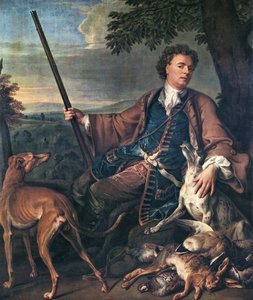
アレクサンドル・フランソワ・デポール
1661 - 1743 , フランス
基本情報
- Artistic Movement Or Style: アニマリエ、バロック
- Artists Or Movements Influenced By This Artist:
- ウードリー
- バロック絵画
- Artists Who Influenced This Artist:
- ニコラシウス・ベルナール
- フランツ・スナイデルス
- Date Of Birth: 1661年2月24日
- Date Of Death: 1743年4月20日
- Full Name: アレクサンドル・フランソワ・デポール
- Nationality: フランス人
- Notable Artworks:
- 自画像(狩猟服姿)
- ゴブラン織りタペストリー
- ヌーヴェル・インドのタペストリー
- Place Of Birth: フランス、シャンピニュール
関連記事
生命空間に息吹を吹き込む:芸術における動物表現の永続性と内装デザインへの応用
ArtsDotで、生命空間に息吹を吹き込む芸術作品を見つけませんか?高品質な油絵複製、カスタム制作、無料アートコンサルテーション。美術史に基づいた確かな品質と、お客様だけの特別な空間演出をお手伝いします。
Simon Vouet: A Baroque Master's Journey from Italian Influence to French Classicism
Explore the life & art of Simon Vouet, a pivotal French Baroque painter who introduced Italian styles to France. Discover his masterpieces and lasting influence on 17th-century art.
Beastly Brushstrokes: A Historical Journey Through Animal Painting & Aesthetic Movements
Explore the rich history of animal painting across cultures & movements. Discover iconic artists, symbolism, collecting trends & expert art consultation at ArtsDot.com.

バロックのドラマ:現代のインテリアに壮麗さと情感を取り込む
バロック様式の歴史、絵画、家具の魅力をご紹介。ArtsDotでは、高品質な油絵複製やカスタムポートレートをご提供し、現代のインテリアに壮麗さと情感を取り入れます。アートコンサルテーションも承ります。

バロック美術を極めた至宝:時代を彩る10大名作の世界
バロック美術の華!カラヴァッジョ、ベルニーニら巨匠が創り上げた10大名作を徹底解剖。ドラマチックな色彩と豪華絢爛の世界観に触れ、至宝のアートプリントで空間を彩ろう。ArtsDot.comで美術館品質の複製と洗練されたインテリアを見つけましょう!

