

 プリントを購入
 シェアする
シェアする シェアする
シェアする
 詳細を見る
詳細を見る

 ダウンロード
 似ている作品
 スライドショー
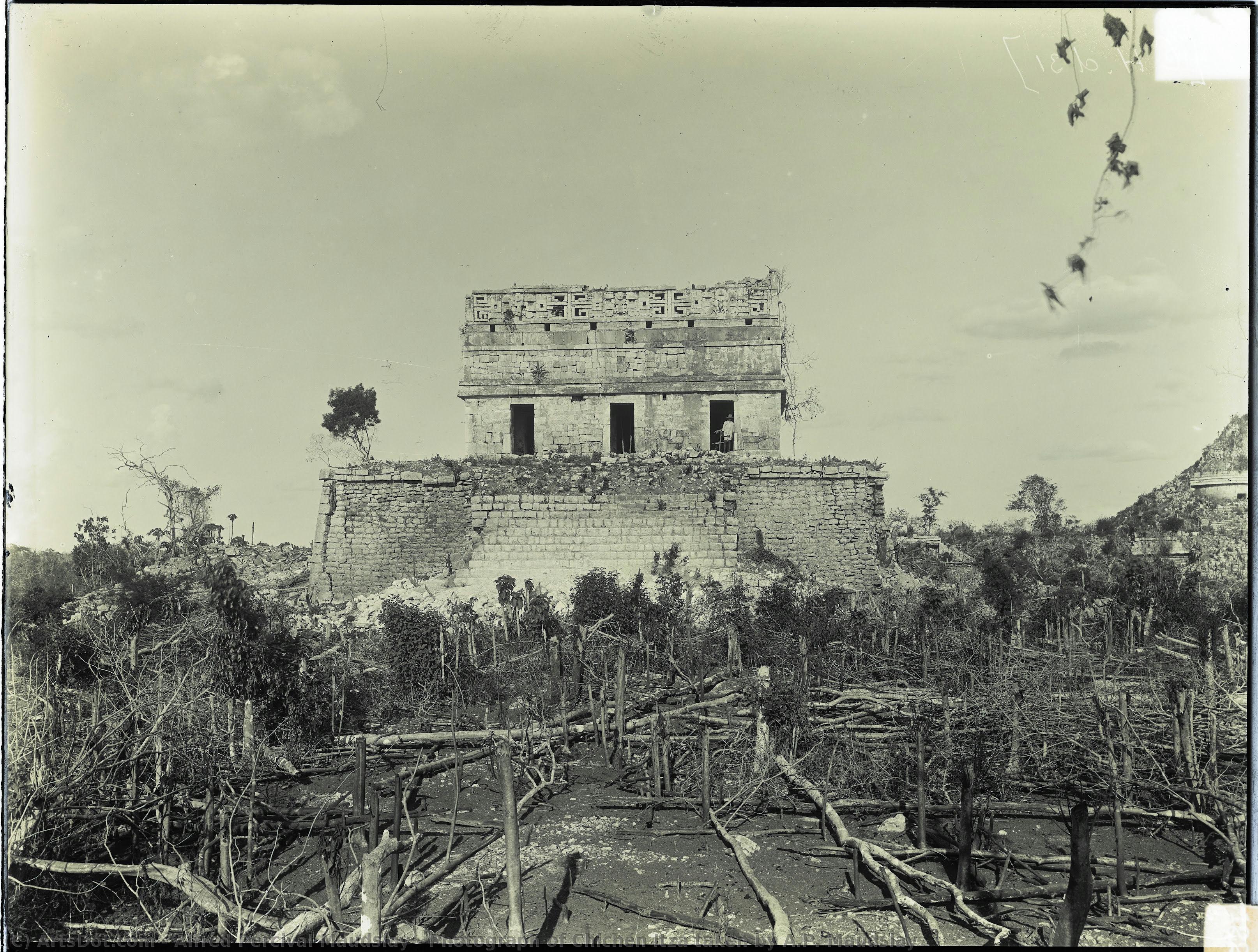
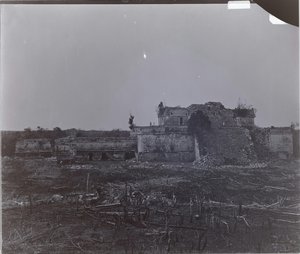
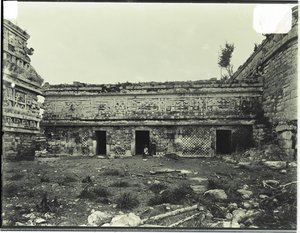
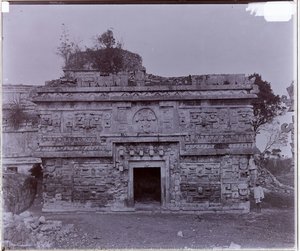
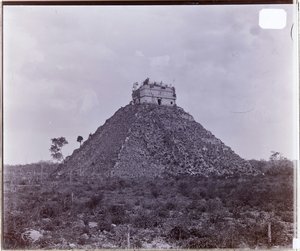
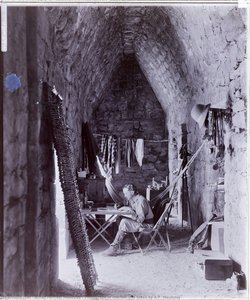
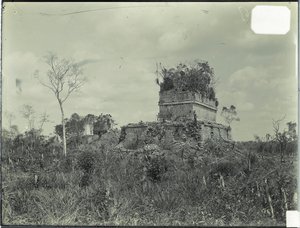
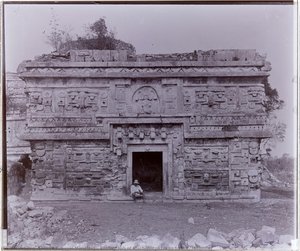
Photograph of Chichén Itzá taken by A.P. Maudslay
 Giclée Print
- Digital
- Documentary Photography
 1894
1894 16.0 x 21.0 cm
 大英博物館
大英博物館
 詳細を見る
詳細を見る
オンラインプレビューをはるかに凌ぐ、高解像度で鮮明なデジタル画像をご購入いただけます。
各ファイルは、社内の専門家が高度なツールと熟練した手作業によるレタッチを用いて、細心の注意を払って準備されています。すべての画像において、卓越した鮮明度、正確な色彩再現性、そして繊細なディテールを保証いたします。
最終ファイルは、プロフェッショナルな編集・印刷環境ですぐにご利用いただけるよう最適化された状態で、72時間以内にメールにてお届けいたします。これは、一流のデザインスタジオ、出版社、ギャラリーから信頼されているものと同等の品質です。
デジタル画像のご注文に付随する特典
高品質なデジタル画像配信を、確かな品質で。
ArtsDot.com を選ぶことは、単に画像を手に入れることではありません。それは、プロの手によって精密に仕上げられ、満足保証が付いた高品質なデジタルアートワークを受け取ることを意味します。ご注文いただいた際に自動的に付随する内容は、以下の通りです:

メールですぐにお届け
ご注文から72時間以内に、高解像度のデジタル画像ファイルがメールでお手元に届きます。すぐにそのままご利用いただけます。

AI技術で最適化されたデジタルファイル
お客様の作品は、高度なAIツールと専門家による手作業の編集を組み合わせてプロフェッショナルに最適化されており、細部のディテール、鮮明さ、そして正確な色再現性を最大限に引き出しています。

一生涯無料の再送サービス
ファイルを誤って削除したり、紛失してしまったりしましたか?ご安心ください。いつでも無料で再送いたします。

輸入手数料は一切かかりません
関税や手数料、配送料を気にすることなく、お気に入りのアートワークをすぐにお楽しみいただけます。デジタルダウンロードは常に免税です。

色彩再現の保証
プロ仕様のツールとカラーマネジメント技術を用いることで、デジタル画像が元の色を最大限に忠実に再現することを保証いたします。

60日間満足保証
ご購入いただいたデジタル画像にご満足いただけない場合は、60日以内であれば、修正または100%の返金(理由を問う必要はありません)をさせていただきます。

100% 返金保証
ご満足いただけない場合は、デジタルファイルを受け取ってから60日以内であれば、理由を問わず全額返金いたします。

まとめ買い割引
3枚購入で10%OFF - 5枚購入で15%OFF - 10枚以上購入で20%OFF。クリエイティブなプロジェクト、ギャラリー、エージェンシーに最適です。
A Window into the Past: Alfred Percival Maudslay’s Capture of Chichén Itzá
The image before you – “Photograph of Chichén Itzá taken by A.P. Maudslay” – is more than simply a depiction of an ancient Mayan city; it's a portal, a meticulously crafted snapshot frozen in time from 1894. Captured by the British colonial administrator and archaeologist Alfred Percival Maudslay, this remarkable wet collodion photograph offers a rare glimpse into a world both profoundly distant and strikingly immediate. It’s a testament to early archaeological exploration, a poignant reminder of a civilization's enduring legacy, and a captivating study in light, texture, and the evocative power of observation.
Maudslay wasn’t merely documenting ruins; he was actively engaged in shaping our understanding of them. His meticulous approach—combining scientific rigor with an artist’s eye—resulted in images that transcend mere documentation, becoming powerful visual narratives. The photograph immediately draws the viewer's attention to a monumental stone structure, likely a temple or fortress, dominating the frame with its weathered walls and crumbling grandeur. This central element isn’t presented as a pristine monument but rather as a testament to time’s relentless passage, hinting at the stories held within its stones.
Technical Mastery and Photographic Innovation
The photograph's impact stems not only from its subject matter but also from Maudslay’s innovative use of photographic techniques. Executed using wet collodion—a process demanding immediate development—the image possesses a unique, grainy texture that lends it an authentic, almost documentary feel. The composition is carefully considered, utilizing a horizontal format to emphasize the scale and breadth of the ruins. The central structure anchors the scene while allowing the eye to wander through the surrounding vegetation, creating a sense of depth and inviting exploration.
Notably, Maudslay employed a wide-angle lens, capturing an expansive view that effectively conveys the sheer size of Chichén Itzá. This perspective wasn’t simply aesthetic; it was crucial for documenting the complex layout of the city and its integration within the dense jungle environment. The photograph also showcases the early adoption of photographic equipment in archaeological fieldwork – a pioneering effort to visually record and share these remarkable discoveries with the wider world.
Symbolism and the Echoes of an Ancient Civilization
Beyond its technical merits, the image resonates with profound symbolism. The weathered stone, the tangled vegetation reclaiming the ruins, and the hazy sky above all speak to themes of time, decay, and the cyclical nature of history. The photograph evokes a sense of mystery and loss—a poignant reminder that even the most imposing civilizations eventually succumb to the forces of nature. Yet, within this apparent decline lies an undeniable beauty and power, suggesting a resilience and enduring spirit.
Furthermore, the image subtly connects us to the Mayan civilization itself. The geometric precision of the temple’s design—the stepped pyramid structure, the carefully carved facades—hints at a sophisticated understanding of mathematics, astronomy, and engineering. The photograph serves as a visual link to this ancient culture, inviting contemplation on its achievements and its eventual fate.
A Legacy Preserved: Maudslay's Contribution
Alfred Percival Maudslay’s work extends far beyond this single image. He was a pivotal figure in the early development of Mayan archaeology, meticulously documenting the ruins of Quirigua, Copán, and Tikal, among others. His dedication to preserving these sites—through detailed photography, careful surveying, and insightful analysis—laid the foundation for modern archaeological research. Reproductions like this one allow us to appreciate not only his artistic skill but also his profound contribution to our understanding of a lost world.
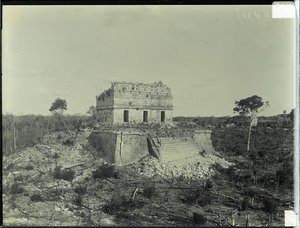
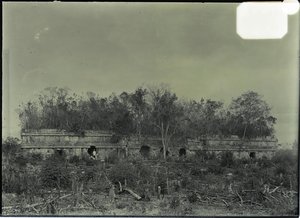
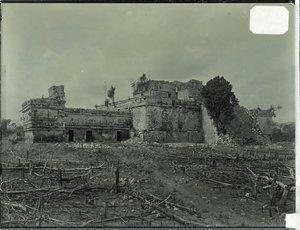
関連作品
作家の略歴
生い立ちと教育
アルフレッド・パーシヴァル・モードスレーは、イギリスの植民地行政官であり考古学者でもありました。1850年3月18日、ロンドンの裕福な家庭に生を受けました。彼はケンブリッジ大学トリニティ・ホールにて自然科学を学び、1872年に学士号を取得しています。キャリアと旅路
モードスレーが当初描いていた医学への道は、兄と共に中米、メキシコ、そしてアメリカ合衆国の一部を巡る旅に出たことで、その計画を後にすることとなりました。この旅こそが、後の彼のレガシーとなる考古学への情熱に火をつけたのです。帰国後も、彼は1873年のアイスランドへの旅のために医学部進学を再び延期しました。その後、慢性的な気管支炎に見舞われた彼は、より温暖な気候を求めてジャマイカやトリニニダードへと渡り、やがて南太平洋の地へと辿り着きました。考古学への貢献
イギリス領太平洋植民地で過ごした日々は、彼の将来の考古学的探究の礎となりました。彼は民族誌資料の収集に深い関心を抱き、その活動は最終的にケンブリッジ大学考古学・民族学博物館の形成に寄与することになります。また、鳥類学者の友人であるオブサート・サルヴィンの後押しもあり、モードスレーはキリグアやコパンといったマヤ遺跡の探索へと踏み出していきました。輝かしい功績
- モードスレーは、ヤシュチラン遺跡を初めて詳細に記述した人物です。
- 1880年代にはチチェン・イッツァを探索し、膨大な数の写真を残しました。
- 著書『ビオロギア・セントラル・アメリカナ』において、チチェン・イッツァに関する初の長編的な記述を出版しました。
- ベルナル・ディアス・デル・カスティロの『歴史』に対し、注釈を加えた完全な翻訳を行い、それは今なお標準的な英語版として親しまれています。
芸術的遺産
モードスレーが残した写真と著作は大切に保存され、19世紀の考古学の世界を垣間見ることができる唯一無二の窓となっています。彼の作品は様々な博物館で目にすることができ、大英博物館(イギリス、ロンドン)には、彼の貴重な写真の数々が収蔵されています。- A.P.モードスレーによるチチェン・イッツァの写真(16 x 21 cm、大英博物館、写真)
- A.P.モードスレーによるチチェン・イッツァの写真(25 x 30 cm、大英博物館、写真)
- A.P.モードスレーによるコパンの写真(31 x 25 cm、大英博物館、写真)
結び
アルフレッド・パーシヴァル・モードスレーの遺した足跡は、好奇心と探究心が持つ力の証です。植民地行政官としての初期の活動から、考古学者として晩年を捧げた日々まで、モードスレーの仕事は今もなお私たちにインスピレーションを与え、学びをもたらし続けています。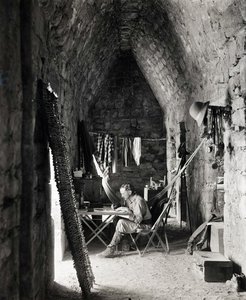
アルフレッド・パーシヴァル・モードスレー
1850 - 1931 , イギリス
プロフィール概要
- Artistic Movement Or Style: 考古学/写真
- Date Of Birth: 1850年
- Date Of Death: 1931年
- Full Name: アルフレッド・パーシヴァル・モードスレー
- Nationality: イギリス
- Notable Artworks: ['チチェン・イッツァの写真']
- Place Of Birth: イギリス、ロンドン

