

 プレビュー
プレビュー
 プリントを購入
 シェアする
シェアする シェアする
シェアする
 詳細を見る
詳細を見る

 ダウンロード
 似ている作品
 X線調査
X線調査 スライドショー
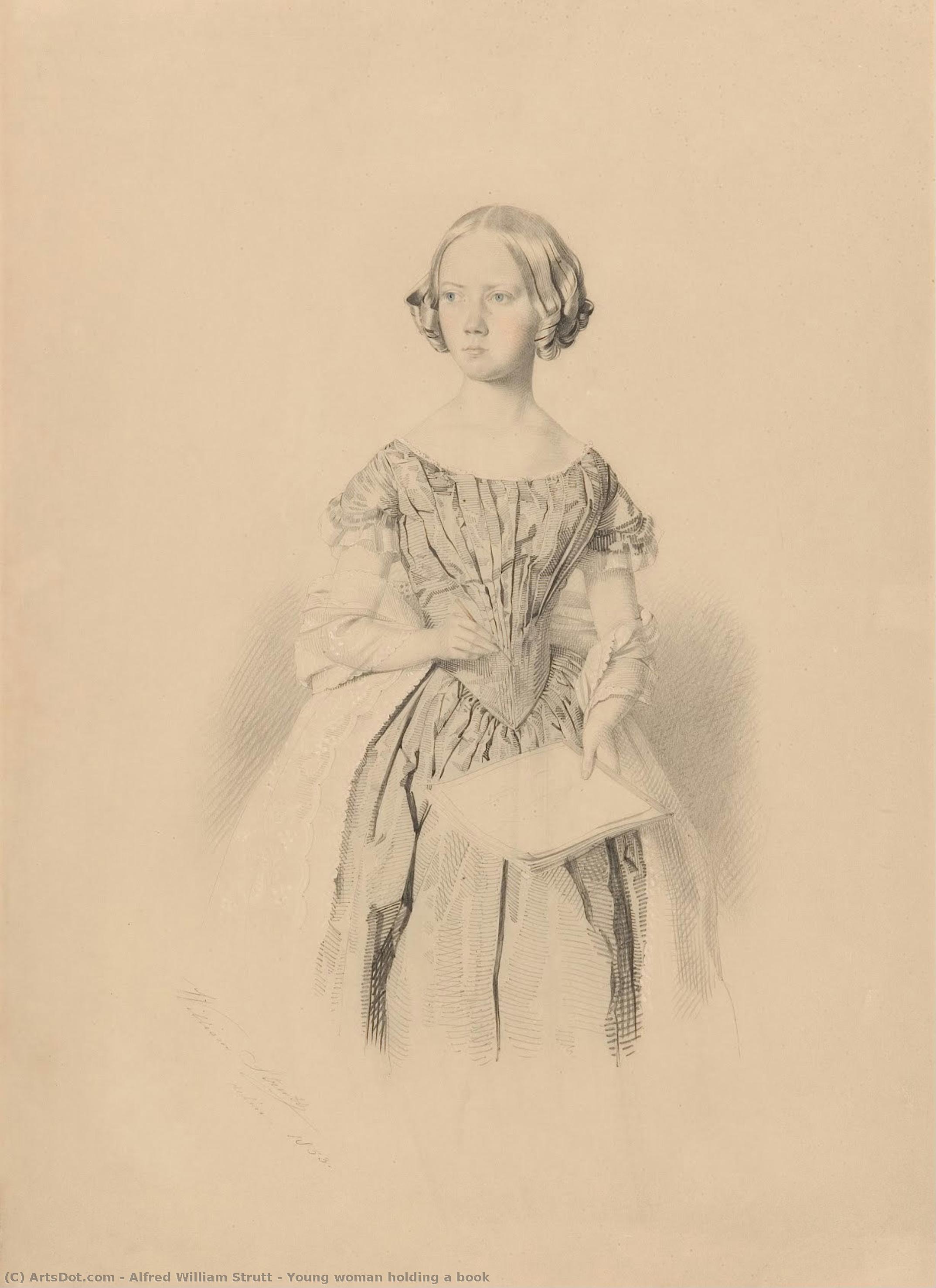
Young woman holding a book
 Oil
Oil- WallArt
- Victorian Realism
 1853
1853- 19th Century
 37.0 x 52.0 cm
 南オーストラリア・ギャラリー
 詳細を見る
詳細を見る




P118B $10

P118H $10

P118W $10

P438Z $10

P508JH $12

P508YH $12

P805H $10

P805Z $10

P919BZ $10

P919G $10

P919XJ $10

P959ZH $10

P968JZ $12

W106C $8

W218G $10

W218JH $8

W218Y $10

W307PJ $10

W316G $10

W316PJ $8

W316Y $10

W398PJ $8

W4111J $10

W500HY $15

W500JH $15

W692G $12

W849H $8

W940BG $15

W953PJ $8




作品のオリジナル比率に合わせた、当店の規定サイズからお選びください。

特定のフレームやスペースに合わせて、ご希望のサイズをご入力いただけます。選択されたサイズが元の画像の比率と異なる場合、アートワークをトリミングするか、手描きで要素を追加して絵画を拡張いたします。デジタルモックアップ を制作し、制作開始前にご確認(承認)をいただきます。
画面上のプレビューは、実際のトリミングや拡張を正確に反映しているものではありません。最終的な構図は、モックアップによってのみ正確にご確認いただけます。
カスタムサイズもご利用いただけますが、元の比率を維持するためには、あらかじめ用意されたリストからサイズを選択することをお勧めいたします。
ご注文後、ArtsDot.com チームより詳細な指示をお送りするとともに、仕上がりイメージ(モックアップ)をご提供いたします。


 ガラスオプションは、110cm未満のサイズでのみご利用いただけます。

Young woman holding a book
複製技法
複製画のサイズ
-


合計金額
$ 263
A Moment Frozen in Time: The Grace of Alfred William Strutt
In the quiet intimacy of "Young woman holding a book," we are transported back to the mid-1or XIX century, an era defined by a profound reverence for literature and the contemplative life. Painted in 1853 by the meticulous Alfred William Strutt, this piece serves as more than just a portrait; it is a window into the Victorian soul. The subject, a young woman draped in the elegant finery of her time, holds a book with a gentle reverence that suggests the narrative within is far more than mere ink on paper. There is a palpable stillness in her posture, an invitation for the viewer to pause and share in her private moment of intellectual or romantic reflection.
The artistry of Strutt shines through in the delicate rendering of textures and light. Even when viewed through the lens of historical reproductions, one can sense the artist's mastery over the interplay between fabric and skin. The heavy, ornate folds of her dress—suggestive of a character plucked from the pages of a classic novel—contrast beautifully with the soft, luminous quality of her features. This technique creates a tactile experience for the observer, where the weight of the silk and the lightness of a fleeting thought seem to coexist on the canvas. It is this precise balance of materiality and emotion that makes the work so enduringly captivating.
Symbolism and the Art of Interior Elegance
Beyond its aesthetic beauty, the painting carries deep symbolic weight. The book held by the young woman acts as a powerful emblem of knowledge, interiority, and the burgeoning literacy of the era. It represents a bridge between the external world of social expectation and the internal world of the imagination. For the discerning collector or interior designer, this piece offers a sophisticated layer of storytelling. It is not merely a decorative element but a conversation starter that brings a sense of intellectual depth and historical prestige to any room.
When considering a high-quality reproduction for a curated space, one must consider the emotional resonance such an image provides. Whether placed in a sunlit library, a formal study, or a contemporary living area, "Young woman holding a book" introduces a sense of calm and timelessness. The soft palette and classical composition harmonize with both traditional period decor and modern minimalist settings, providing a focal point that feels both grounded in history and refreshingly elegant. To possess such a work is to invite the quiet dignity of the past into the vibrant energy of the present.
関連作品
アーティストの略歴
The Intersection of Precision and Poetic Vision
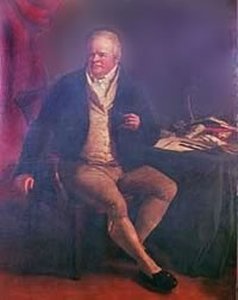
Alfred William Strutt (1856–1924) remains a captivating figure in the tapestry of British art, representing a unique moment where the meticulous rigor of scientific observation met the sweeping emotionality of the Victorian era. Born in New Zealand to the visionary William Thomas Strutt—a man whose innovations in iron framing would forever alter the landscape of architecture—Alfred was raised in an environment where craftsmanship and structural integrity were paramount. This early exposure to the principles of engineering and fine detail instilled in him a profound respect for the physical world, a quality that would later define his artistic signature. His upbringing allowed him to bridge the gap between the burgeoning scientific inquiries of the late 19th century and the established traditions of Romanticism.
His formative years, spent navigating the intellectual corridors of Chelmsford and Cambridge, provided the academic foundation necessary for his multifaceted career. Under the guidance of his father and through his association with the rigorous atmosphere of Trinity College, Strutt developed a worldview that saw no conflict between the analytical eye and the creative spirit. His early training in engraving and drawing, influenced by the historical documentation styles of Joseph Strutt, taught him the importance of precision. This technical mastery allowed him to move seamlessly between genres, from the delicate, intimate textures of portraiture to the expansive, atmospheric grandeur of landscape painting.
A Mastery of Light, Texture, and Narrative
Strutt’s body of work is characterized by an extraordinary ability to capture both the tangible weight of the material world and the ephemeral nature of light. In his more intimate works, such as Young woman holding a book, he demonstrates a profound sensitivity to the Victorian soul. Through the careful rendering of heavy silk, ornate fabrics, and the soft luminosity of skin, he invites the viewer into a private moment of contemplation. Here, the subject is not merely a figure in a frame but a vessel for themes of literacy, interiority, and the quiet dignity of intellectual life. The book itself serves as a powerful symbol, acting as a bridge between the external social reality and the boundless reaches of the human imagination.
When his gaze turned toward the natural world or historical epic, Strutt’s technique expanded to embrace the dramatic influences of masters like Turner and Constable. His landscapes often possess a rhythmic vitality, where the interplay of light and shadow creates a sense of living breath within the canvas. Whether depicting the serene biblical narratives of Jerusalem Pilgrims or the rugged, untamed beauty found in scenes like Up to His Knees, his brushwork remains remarkably controlled yet emotionally resonant. He possessed a rare talent for utilizing warm tones and detailed compositions to evoke a sense of nostalgia and reverence, making his historical scenes feel less like distant memories and more like present, breathing realities.
Legacy of an Observational Pioneer
The significance of Alfred William Strutt lies in his refusal to separate the observer from the creator. While many of his contemporaries were moving toward purely abstract or impressionistic expressions, Strutt maintained a commitment to the "modern observation" of reality—a belief that true art must be rooted in an accurate understanding of form and structure. This commitment was perhaps most visible in his fascination with the structural revolutions of his time; just as his father utilized iron to redefine safety and aesthetics in architecture, Alfred used the structural elements of composition to reinforce the emotional impact of his subjects.
His contributions to the art world are marked by several enduring achievements:
- Technical Versatility: The seamless transition between the minute details of portraiture and the large-scale drama of historical and landscape painting.
- Symbolic Depth: The integration of contemporary Victorian values, such as the importance of literature and education, into fine art compositions.
- Historical Synthesis: A unique ability to blend the Romantic tradition with a burgeoning scientific interest in the natural world's mechanics.
Today, Strutt’s work serves as a vital historical record, capturing the aesthetic transitions of a century in flux. His paintings remain much more than mere depictions; they are windows into an era that sought to find harmony between the progress of industry and the enduring beauty of the natural and human spirit.
基本情報
- Artistic Movement Or Style: Victorian Painting
- Artists Or Movements Influenced By This Artist: ['Royal Academy']
- Artists Who Influenced This Artist: ['William Wynne Ryland']
- Date Of Birth: July 3, 1825
- Date Of Death: January 3, 1915
- Full Name: Alfred William Strutt
- Nationality: British
- Notable Artworks:
- The Old Cottage
- Horses
- Place Of Birth: Teignmouth, Devonshire
関連記事

Sir Alfred Munnings' Masterpieces: 25 Paintings That Define Equine Art | ArtsDot
Explore 25 iconic Sir Alfred Munnings paintings! Discover the beauty of British Impressionism, equine art & rural England. Find museum-quality reproductions and elevate your home decor with ArtsDot. Explore the full collection online.
William Powell Frith: Narratives of Victorian Society & the Rise of Realist Painting
Explore the life & works of William Powell Frith, the 'greatest British painter of social scenes.' Discover his iconic Victorian genre paintings and learn about his lasting impact on realist art. Hand-painted reproductions available.
The Refined Aesthetic of Victorian Illustration: A Study in Narrative & Technique
Explore the captivating world of Victorian illustration! Discover Pre-Raphaelite influences, key artists like Rossetti & Stephens, and the era's rich narrative detail. A deep dive for art enthusiasts.
R.A. Benjamin Williams: Victorian Genre Painting & Social Commentary
Explore the captivating world of Benjamin Williams Leader's Victorian genre paintings. Discover his mastery of naturalism, social commentary & lasting influence on British art. Expert insights at ArtsDot.

William Salter: A Life Immersed in Colour – Victorian Botanical Art & Social Vision
Explore the life & art of William Salter (1804-1875), a Victorian master renowned for his botanical illustrations and striking portraits. Discover his social vision & legacy at ArtsDot.

