

 プレビュー
プレビュー
 シェアする
シェアする シェアする
シェアする
 詳細を見る
詳細を見る

 ダウンロード
 似ている作品
 X線調査
X線調査 スライドショー
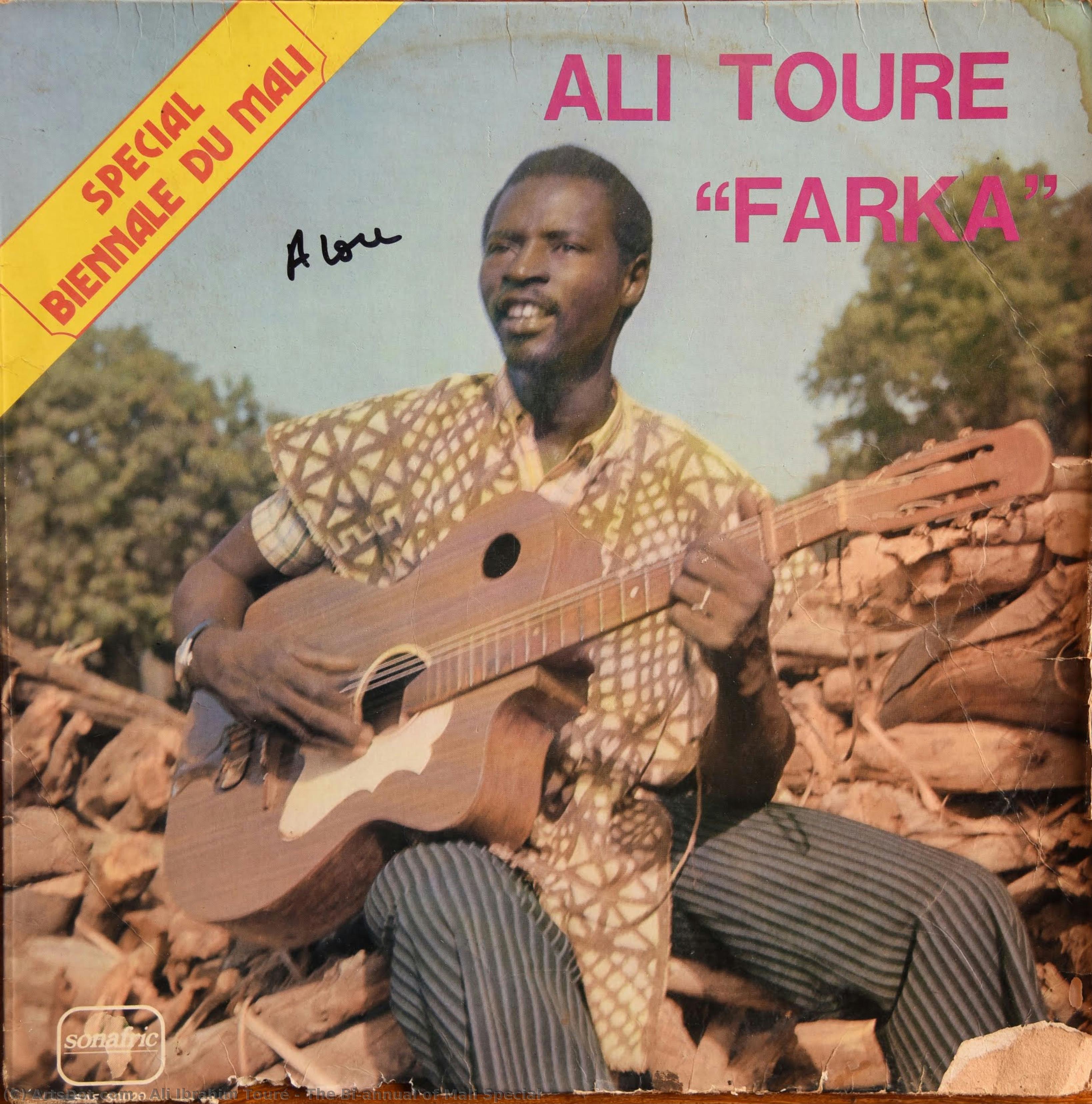
The Bi-annual of Mali Special


 詳細を見る
詳細を見る
ジークレー/アートプリント
迅速な制作と多彩な仕上げオプションを備えた、ミュージアムクオリティのジークレーまたはキャンバスプリント。 ( 手描きの絵画を購入 画像を購入)




P118B $10

P118H $10

P118W $10

P438Z $10

P508JH $12

P508YH $12

P805H $10

P805Z $10

P919BZ $10

P919G $10

P919XJ $10

P959ZH $10

P968JZ $12

W106C $8

W218G $10

W218JH $8

W218Y $10

W307PJ $10

W316G $10

W316PJ $8

W316Y $10

W398PJ $8

W4111J $10

W500HY $15

W500JH $15

W692G $12

W849H $8

W940BG $15

W953PJ $8




作品のオリジナル比率に合わせた、当店の規定サイズからお選びください。

特定のフレームやスペースに合わせて、ご自身でサイズを指定することも可能です。選択されたサイズが元の画像の比率と一致しない場合、作品をトリミングするか、鏡面反射または単色での塗りつぶしによって画像を拡張いたします。制作を開始する前に、ご確認用のデジタルモックアップをお送りいたします。
画面上のプレビューには、実際のトリミングや拡張は反映されませんのでご注意ください。最終的な構図を正確に確認できるのは、モックアップのみとなります。
カスタムサイズも承っておりますが、元の比率を維持するためには、あらかじめ用意されたリストからサイズを選択することをお勧めいたします。


 ガラスオプションは、110cm未満のサイズでのみご利用いただけます。

The Bi-annual of Mali Special
ジークレー/アートプリント
複製画のサイズ
-


合計金額
$ 62
作品詳細説明
A Desert Rhapsody: Unveiling “The Bi-annual of Mali Special” by Ali Ibrahim Touré
“The Bi-annual of Mali Special,” painted in 1976 by the legendary Malian singer and guitarist Ali Ibrahim Touré – more commonly known as Ali Farka Touré – is not merely a portrait; it’s a sonic landscape rendered in pigment. This captivating image, depicting a man seated amongst rocks, cradling a guitar and radiating an aura of serene contemplation, embodies the very essence of his musical philosophy: a deep connection to the land, its people, and the timeless traditions of West African music.
Touré’s artistic vision transcends simple representation. He wasn't interested in capturing a literal likeness; instead, he sought to convey the *feeling* of a Malian evening – the warmth of the sun setting over the Sahel, the quiet hum of community, and the profound joy found within music itself. The man in the painting isn’t just playing an instrument; he is embodying it, becoming one with its resonant voice.
The Soul of Songhay: Technique and Materials
Painted on a relatively small canvas – approximately 24 x 30 inches – “The Bi-annual of Mali Special” showcases Touré’s distinctive approach to color and texture. He employed a technique reminiscent of the traditional *teli* style, prevalent in Malian textile art, utilizing layered washes of pigment applied with broad brushstrokes. This creates a hazy, dreamlike quality, blurring the edges of form and emphasizing atmosphere over sharp detail.
- Color Palette: Dominated by earthy ochres, deep browns, and muted blues – colors mirroring the landscape of Mali’s northern regions.
- Brushwork: Loose, expressive brushstrokes contribute to a sense of movement and spontaneity, reflecting the improvisational nature of Malian music.
- Texture: The layering of paint creates a tactile surface, inviting the viewer to almost feel the warmth of the sun and the roughness of the rocks beneath the figure’s hands.
The canvas itself likely utilized a linen ground, providing a durable yet absorbent surface for Touré's vibrant pigments – a common practice in Malian painting at the time.
Echoes of Tradition: Historical Context and Symbolism
Created during a period of significant social and political change in Mali, “The Bi-annual of Mali Special” speaks to a yearning for cultural preservation amidst rapid modernization. Touré’s music served as a powerful vehicle for maintaining traditions, celebrating the rich heritage of Songhay culture, and connecting with his roots.
The setting – a rocky outcrop bathed in golden light – is deeply symbolic. Rocks are often associated with stability, endurance, and connection to the earth—qualities that resonate strongly within Malian culture. The guitar itself represents not just musical expression but also storytelling, history, and community bonding – all central themes in Songhay oral traditions.
The man’s relaxed posture and focused gaze suggest a state of meditative absorption, mirroring the experience of being completely immersed in music. He is not performing for an audience; he is lost in his own world, sharing its beauty through sound.
A Legacy of Desert Blues: Emotional Resonance
“The Bi-annual of Mali Special” transcends mere representation to become a powerful embodiment of the spirit of Ali Farka Touré’s music. It evokes feelings of tranquility, nostalgia, and profound connection to both nature and tradition. The painting's hazy atmosphere and earthy tones invite contemplation, prompting viewers to consider the timeless beauty of Malian culture and the enduring power of music to transcend boundaries.
Reproductions of this artwork capture a fraction of its original impact, but they offer a valuable opportunity to experience the soul of Mali through the eyes of one of Africa’s most beloved musicians. It's a piece that speaks volumes—a desert rhapsody waiting to be heard and felt.
関連作品
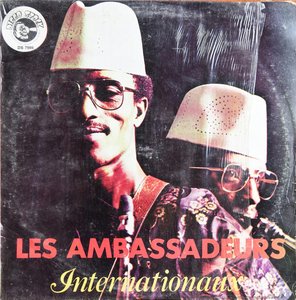
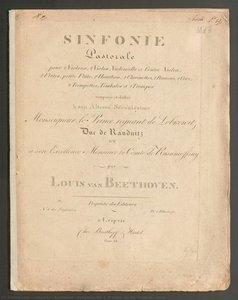
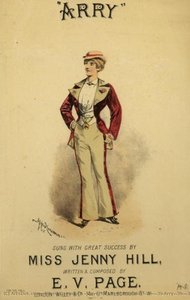
アーティストの略歴
**early life and musical influences**
ali farka touré, a renowned malian singer, and multi-instrumentalist, was born in 1939 in the village of kanau, on the banks of the niger river. his family belonged to the songhai community, and his nickname "farka," meaning "donkey," symbolized tenacity and stubbornness. * **early musical influences:** + a performance by the national ballet of guinea in 1956 inspired touré to pursue a career in music. + he learned to play the guitar and sing in seven languages, including songhay, fulfulde, tamasheq, and bambara. + john lee hooker's music influenced him, but he insists his music is not blues.**musical career and style**
* **the first african bluesman:** + touré was known as "the african john lee hooker" for his unique blend of traditional malian music and african american blues. + his breakthrough album, ali farka touré, established his reputation in the world music community. * **notable works:** + the mirror of music (not a direct work by touré, but an example of music's influence on art) + at the music hall loie fuller (another example of music's impact on visual arts)**legacy and impact**
* **ranked:** + number 76 on rolling stone's "the 100 greatest guitarists of all time" + number 37 on spin magazine's "100 greatest guitarists of all time" * **inspirational figure:** + the ali farka touré allstars (2012) and the ali farka touré band (formed 2014) continued his musical legacy. **explore more on ArtsDot:** * [https://ArtsDot.com/@/ali-ibrahim-toure](https://ArtsDot.com/@/ali-ibrahim-toure) - ali farka touré's profile * /en/art/show/art-d3c627-en/ - top 5 famous artists of all time (for context on musical influence in art) * [https://en.wikipedia.org/wiki/ali_farka_tour%c3%a9](https://en.wikipedia.org/wiki/ali_farka_tour%c3%a9) - ali farka touré's wikipedia page (external link, but relevant for further reading)**conclusion**
ali ibrahim touré's enigmatic maestro of malian music left an indelible mark on the world. his unique blend of traditional and african american blues continues to inspire musicians and artists alike. explore his legacy and the intersection of music and art on ArtsDot.com.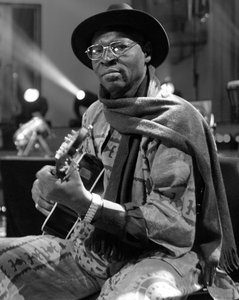
ali ibrahim touré
1939 - 2006 , Mali
基本情報
- Artistic Movement Or Style: African Blues
- Artists Or Movements Influenced By This Artist: ['Desert Blues']
- Artists Who Influenced This Artist: ['John Lee Hooker']
- Date Of Birth: 1939-10-31
- Date Of Death: 2006-03-06
- Full Name: Ali Ibrahim Touré
- Nationality: Malian
- Notable Artworks:
- The Mirror of Music
- At the Music Hall Loie Fuller
- Place Of Birth: Kano, Mali
関連記事
Slate Blue Masterpieces: 10 Iconic Paintings & Timeless Home Decor Ideas
Immerse yourself in the captivating world of slate blue! Explore 10 iconic paintings by Monet, Van Gogh & Renoir. Discover their stories, techniques & find museum-quality art reproductions for your home at .
The Allure of Azure: Exploring the Symbolic & Aesthetic Depths of Blue in Art History
Explore the rich history of blue in art! Discover its symbolism, from ancient pigments to modern masterpieces by Kandinsky & Seurat. Uncover the psychological impact and cultural meanings behind this captivating hue.
Harmonies on Canvas: Exploring the Visual Representation of Music in Art History
Explore the fascinating history of music's visual representation in art! From ancient symbolism to modern abstraction, discover how artists have captured sound and emotion on canvas. Expert insights & stunning examples.
Azure Visions: Exploring Representations of the Blue Dress in Western Art History
Explore the rich history of the blue dress in Western art! Discover its symbolism, from Renaissance masterpieces to modern interpretations by artists like Martin & Schiele. Uncover cultural meanings and artistic techniques.

富裕層観光客の文化体験ニーズ:美術館プライベートツアーがもたらす高級ホスピタリティ戦略
富裕層観光客向け美術館プライベートツアーの最前線。ArtsDotが提供する高品質な複製、カスタムアート、専門家によるコンサルティングで、特別な文化体験を創造します。信頼と実績に基づいた高級ホスピタリティをご堪能ください。

