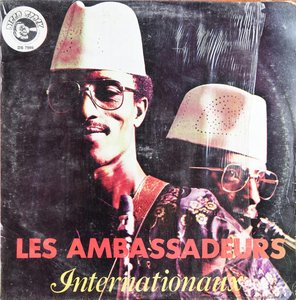
The Echoes of the Sahara: Unveiling Maitre Ledy Youla et les Ambassadeurs Internationaux
Maitre Ledy Youla, a name perhaps less familiar to mainstream audiences than some of his contemporaries within West African jazz, represents a vital and deeply rooted artistic lineage. Born in Nouakchott, Mauritania, in 1948, he’s not merely a musician; he's a sonic cartographer of the Sahara, meticulously charting its rhythms, melodies, and the spirit of his homeland through a career spanning decades and collaborations with some of Africa’s most celebrated artists. His journey is one inextricably linked to the evolution of Mauritanian music and its vibrant exchange with global jazz traditions, making him a key figure in bridging cultural landscapes.
Early Influences and Roots in Guinea
Youla's musical education began within the rich tapestry of Mauritanian culture, but his formative years were spent immersed in the bustling musical scene of Guinea. He joined the Boiro Band, a renowned ensemble known for its energetic blend of traditional Guinean rhythms and influences from Cuban son and Congolese rumba. This early experience instilled in him a deep appreciation for polyrhythms, improvisation, and the communal spirit inherent in West African music. Crucially, it was during this time that he began to hone his skills on the saxophone – an instrument that would become synonymous with his distinctive sound. Following his time with the Boiro Band, he moved to Mali and joined Les Ambassadeurs du Motel de Bamako under the direction of Kanté Manfila, a pivotal moment in shaping his artistic identity. This collaboration exposed him to a wider range of musical styles, including funk, soul, and Latin rhythms, further expanding his creative palette.
The Rise of les Ambassadeurs Internationaux
Perhaps Youla’s most enduring legacy stems from his long-standing association with les Ambassadeurs Internationaux (the International Ambassadors). Initially led by Kanté Manfila, the group evolved into a powerhouse of West African jazz, touring extensively throughout Europe and Africa. Youla's contributions to the band were multifaceted – he was not just a saxophonist but also a composer, arranger, and vocalist, contributing significantly to their unique sound, which seamlessly blended traditional Mauritanian melodies with sophisticated jazz harmonies and arrangements. The group’s recordings, particularly those from the 1980s, are considered seminal works of West African jazz, showcasing the band's remarkable musicianship and innovative approach to genre fusion. The album “ledy youla & les ambassadeurs internationaux” (Sofa Records, 1982) remains a highly sought-after collector’s item, offering a glimpse into this extraordinary musical partnership.
Beyond the Band: A Solo Career and National Orchestral Contributions
While his work with les Ambassadeurs Internationaux cemented his reputation, Youla's career extended far beyond the band’s orbit. He continued to perform as a solo artist, exploring his own compositions and arrangements while retaining his signature saxophone style. He also served as a composer and arranger for the National Orchestra of Mauritania, contributing significantly to the country’s musical landscape. This period demonstrated his commitment to nurturing and developing young musicians in his homeland, ensuring that the traditions he cherished would continue to thrive. His work with Salif Keïta further solidified his position within the broader African music community, showcasing his versatility and adaptability.
Legacy and Continuing Influence
Maitre Ledy Youla’s impact transcends mere musical achievement; he represents a vital link between tradition and innovation. His music is characterized by its soulful melodies, intricate rhythms, and deeply rooted connection to Mauritanian culture. He has influenced generations of musicians in West Africa and beyond, demonstrating the power of cross-cultural collaboration and the enduring appeal of authentic musical expression. Despite not achieving widespread international fame, his work continues to be celebrated within specialist circles and remains a testament to the richness and diversity of West African music. His story is one of dedication, artistic integrity, and a profound love for his homeland – an echo of the Sahara that resonates through every note he plays.