 プレビュー
プレビュー
 プリントを購入
 シェアする
シェアする シェアする
シェアする
 詳細を見る
詳細を見る

 ダウンロード
 似ている作品
 X線調査
X線調査 スライドショー
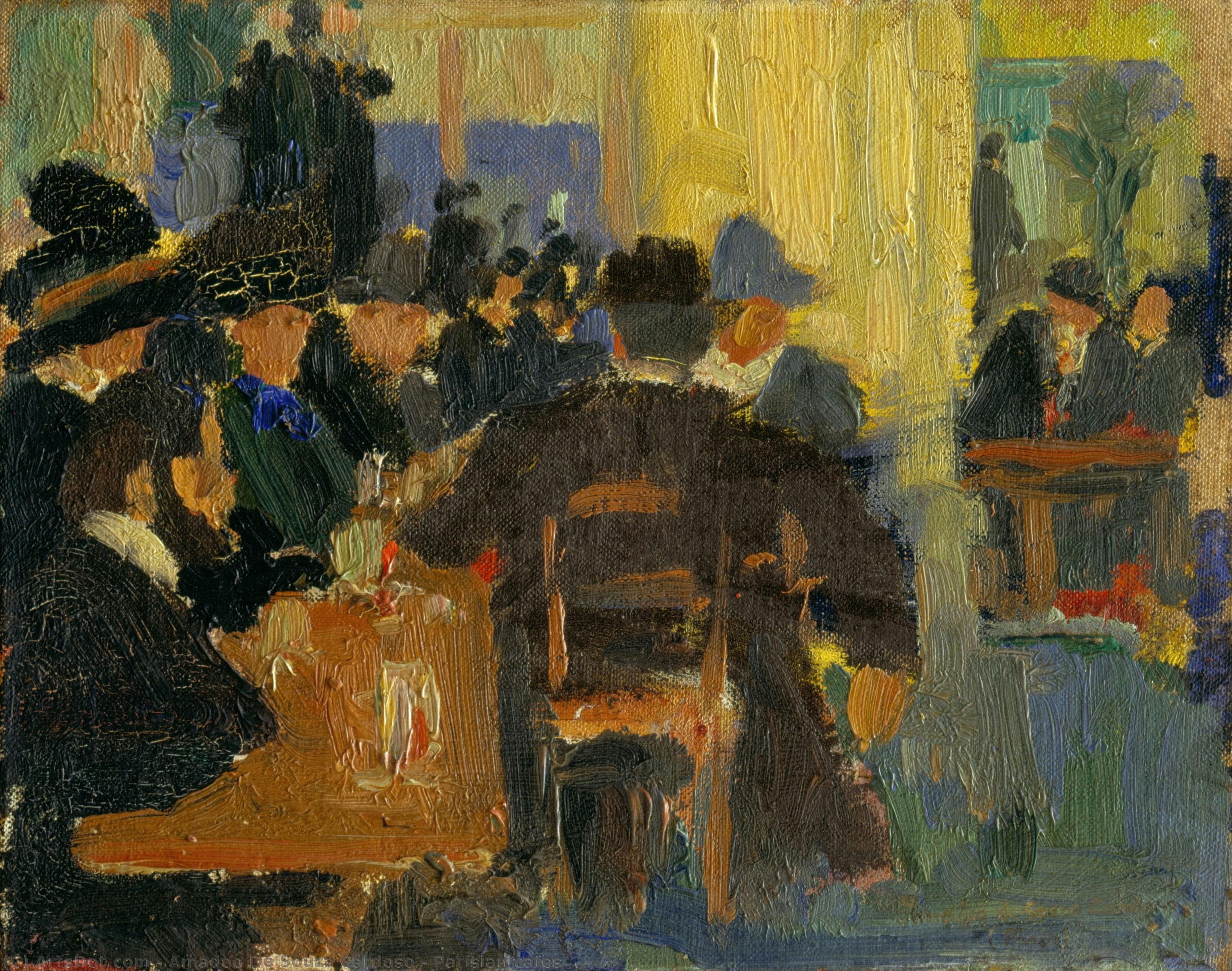
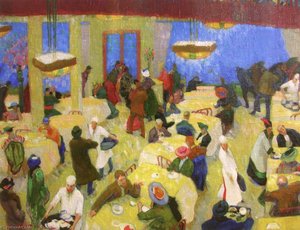
Parisian cafes
 Acrylic On Canvas
- WallArt
- Early Modernism
 1908
1908 18.0 x 28.0 cm
 国立現代美術館 - ムゼウ・ド・シアード
 詳細を見る
詳細を見る




P118B $10

P118H $10

P118W $10

P438Z $10

P508JH $12

P508YH $12

P805H $10

P805Z $10

P919BZ $10

P919G $10

P919XJ $10

P959ZH $10

P968JZ $12

W106C $8

W218G $10

W218JH $8

W218Y $10

W307PJ $10

W316G $10

W316PJ $8

W316Y $10

W398PJ $8

W4111J $10

W500HY $15

W500JH $15

W692G $12

W849H $8

W940BG $15

W953PJ $8




作品のオリジナル比率に合わせた、当店の規定サイズからお選びください。

特定のフレームやスペースに合わせて、ご希望のサイズをご入力いただけます。選択されたサイズが元の画像の比率と異なる場合、アートワークをトリミングするか、手描きで要素を追加して絵画を拡張いたします。デジタルモックアップ を制作し、制作開始前にご確認(承認)をいただきます。
画面上のプレビューは、実際のトリミングや拡張を正確に反映しているものではありません。最終的な構図は、モックアップによってのみ正確にご確認いただけます。
カスタムサイズもご利用いただけますが、元の比率を維持するためには、あらかじめ用意されたリストからサイズを選択することをお勧めいたします。
ご注文後、ArtsDot.com チームより詳細な指示をお送りするとともに、仕上がりイメージ(モックアップ)をご提供いたします。


 ガラスオプションは、110cm未満のサイズでのみご利用いただけます。

Parisian cafes
複製技法
複製画のサイズ
-


合計金額
$ 263
A Moment in Parisian Light: Amadeo’s Café Scene
Amadeo de Souza-Cardoso's "Parisian Cafés," painted in 1908, isn’t merely a depiction of a bustling street scene; it’s a vibrant distillation of the spirit of early 20th-century Paris – a city pulsating with artistic innovation and social change. This intimate snapshot captures a specific moment within the café culture that was rapidly transforming into a central hub for intellectual discourse, bohemian life, and the burgeoning avant-garde movements. Souza-Cardoso, deeply immersed in the Parisian art scene of his time, skillfully translates the energy of this era onto canvas with an expressive use of color and light.
The painting immediately draws the eye to the central table, bathed in a warm, diffused glow that suggests both the late afternoon sun and the artificial illumination of the café. Around it cluster figures – patrons engaged in animated conversations, their faces partially obscured by hats and shadows, hinting at private dramas and shared secrets. The composition isn’t rigidly formal; instead, Souza-Cardoso employs a loose, almost impressionistic approach, prioritizing atmosphere and feeling over precise detail. Notice how he uses broken brushstrokes to capture the fleeting quality of light and movement, creating a sense of immediacy and spontaneity.
The Influence of Modernism
Souza-Cardoso’s work is firmly rooted in the artistic currents of his time – particularly the influence of Toulouse-Lautrec and Picasso. Like Lautrec, he masterfully captures the essence of Parisian nightlife, focusing on the marginalized figures and the raw energy of urban life. However, Souza-Cardoso departs from Lautrec's often gritty realism with a more nuanced approach to color and form, echoing the experimentation taking place within the Cubist circles of Picasso and Braque. The flattened perspective and fragmented forms subtly suggest an exploration of space and perception – hallmarks of early Cubism – while retaining a distinctly painterly quality.
The choice of subject matter itself is significant. Cafés were more than just places to eat and drink; they were microcosms of Parisian society, where artists, writers, journalists, and intellectuals gathered to exchange ideas, debate philosophies, and forge connections. Souza-Cardoso’s painting celebrates this vibrant social landscape, capturing the spirit of collaboration and innovation that defined the era.
Color, Light, and Symbolism
The palette is dominated by warm earth tones – ochres, browns, and reds – punctuated by flashes of brighter colors: a crimson wine glass, a cerulean blue scarf. Souza-Cardoso’s masterful use of *pochoirs* (a technique involving the application of colored inks) adds depth and luminosity to the scene. The dappled light filtering through the windows creates an atmospheric haze, blurring the edges of objects and figures, and lending the painting a dreamlike quality. The arrangement of the tables and chairs subtly guides the viewer’s eye through the composition, inviting them to become part of this intimate social tableau.
Consider the symbolism inherent in the scene: the overflowing ashtrays, the half-empty glasses, the snippets of conversation – all contribute to a sense of lived experience. The café itself represents a space of freedom and exchange, a place where ideas are born and relationships are forged. Souza-Cardoso’s ability to capture this essence is what makes “Parisian Cafés” such a compelling and enduring work of art.
A Reproduction for the Modern Home
Reproductions of "Parisian Cafés" offer a beautiful way to bring a touch of Parisian charm into any interior space. The painting’s vibrant colors and dynamic composition will instantly add energy and sophistication to a room, while its evocative subject matter invites contemplation and conversation. Whether displayed as a large statement piece or incorporated into a gallery wall, this artwork is sure to become a cherished focal point.
The original's intimate scale (18 x 28 cm) lends itself particularly well to smaller spaces, creating a sense of immediacy and connection. The detailed brushwork and rich color palette are faithfully reproduced in high-quality prints, ensuring that the painting’s beauty and emotional impact are preserved for generations to come.
関連作品
アーティストの略歴
ポルトガル・モダニズムの先駆者:アメデオ・デ・ソウザ=カルドゥーゾの生涯と芸術
アメデオ・デ・ソウザ=カルドゥーゾ。その名は、20世紀初頭の活気に満ちたモダニズムのエネルギーを想起させます。彼はポルトガル美術を国際的な前衛運動へと繋ぐ上で重要な役割を果たしましたが、その人物像は依然として謎に包まれています。1887年11月14日、ポルトガルのアマランテ地方にあるマンウフェという絵のように美しい教区で生まれた彼は、短いながらも強烈な創造性にあふれた人生を送り、揺るぎない芸術への献身と革新的な精神を持ち続けました。故郷の田園風景に根ざした控えめな生い立ちから、ソウザ=カルドゥーゾはパリ・モダニズムの中心へと旅立ち、モディリアーニ、ブルンキュシ、ドラローネ、グリスといった当時の最も影響力のある芸術家たちと交流を深めます。彼の初期教育はリスボンでの建築研究から始まりましたが、風刺画の表現力が真に彼の想像力を捉え、芸術探求への道を歩み始めました。この最初の芸術への取り組みは単なる技術訓練ではなく、自己表現の手段としての視覚言語の可能性への目覚めでした。パリでの出会いと芸術的発展
1906年、ソウザ=カルドゥーゾにとって転換期が訪れます。彼はパリに移り住み、都市の活気あふれる芸術界に没頭します。当初は建築研究を続けましたが、すぐに絵画へと傾倒し、美術界を揺るがす革新的な思想を吸収していきます。1910年頃から彼の作品にはキュビズムと未来派の影響が顕著になり、ポルトガル初の真のモダニスト画家としての地位を確立します。しかし、ソウザ=カルドゥーゾはこれらの運動を単に模倣するのではなく、自身のユニークな感性と融合させ、大胆なフォルム、鮮やかな色彩、ダイナミックな構成を特徴とする独自のスタイルを創造しました。彼の絵画は現実の再現ではなく、知覚、感情、そしてフォルムそのものの本質を探求するものでした。1911年の *Saut du Lapin* や 1913年の *Cabeça* はこの時期を代表する作品であり、断片化された視点や高められた色彩の強さによる実験性を示しています。これらは混沌とした配置ではなく、表面上のランダム性の下にある意図的な芸術的ビジョンを明らかにする、注意深くバランスの取れた構造でした。彼はサロン・デ・インデペンダンなどの重要な展覧会に参加し、特に1913年のニューヨークで開催された画期的なアーモリー・ショーでは、革新的な作品を国際的な観客に紹介することに成功します。ポルトガルとパリの融合:影響の総合
ソウザ=カルドゥーゾの芸術的旅は、故郷のポルトガルとの完全な決別ではありませんでした。彼はアヴァンギャルド精神を受け入れながらも、マンウフェへの強い繋がりを維持し、頻繁に帰国していました。この二面性は彼の作品に反映されており、ポルトガルの文化から取り入れられたテーマやモチーフ—宗教的な行列、田園風景、民俗伝統—がモダニストの技法と織り交ぜられています。1917年に制作された *Entrada* や *Pintura* は、ポルトガルとの関係を新たにした時期に生まれた作品であり、抽象化への傾向が高まっている一方で、独特のポルトガルの風味を色濃く残しています。この異質な影響を調和させる能力は彼の芸術的天才の特徴でした。彼は単にスタイルを取り入れているのではなく、それらを変換し、自身のユニークな視点を吹き込み、全く新しいものを創造していたのです。彼の作品は文化間の対話であり、地理的境界を超越する芸術の力を証明しています。遺産と記憶:永続的な影響
悲劇的に、アメデオ・デ・ソウザ=カルドゥーゾの有望なキャリアは、1918年10月25日、わずか30歳でその幕を閉じます。彼はスペイン風邪の大流行により肺炎に倒れ、比較的少ないながらも非常にインパクトのある作品群を残しました。長年にわたり、彼の功績は他のモダニスト運動の著名な人物たちによって見過ごされていましたが、近年、ポルトガル・モダニズムの先駆者として、そしてより広範なヨーロッパのアヴァンギャルドにおける重要な声としての彼の重要性が再認識されています。1958年と2016年のグラン・パレで開催された二つの大規模な回顧展は、彼の作品をより多くの観客に紹介し、美術史における彼の地位を確固たるものにしました。今日、彼の絵画はプリマス市美術館など世界中の美術館で見ることができます。彼の遺産は現代の芸術家たちにインスピレーションを与え続け、芸術的革新の力と文化交流の永続的な重要性を思い出させています。ソウザ=カルドゥーゾ作品の主な特徴
- 革新的なスタイル: キュビズム、未来派、そして彼自身のユニークな感性が融合した、ポルトガル現代美術への先駆的なアプローチ。
- 鮮やかな色彩パレット: ダイナミックで感情豊かな構成を生み出す、攻撃的かつ鮮やかな色彩の使用が特徴です。
- ダイナミックな構成: 断片化された視点や一見混沌とした配置を頻繁に用い、実際には注意深くバランスの取れた構造となっています。
- 文化の統合: ポルトガルのテーマやモチーフとモダニストの技法を統合するユニークな能力により、文化間の対話を生み出しています。
- 初期の抽象化: 特に後期の作品において抽象化を探求し、具象美術の境界線を押し広げています。
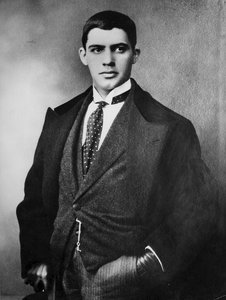
アメデオ・デ・ソウザ=カルドゥーゾ
1887 - 1918 , ポルトガル
基本情報
- Artistic Movement Or Style: キュビズム、未来派、モダニズム
- Artists Who Influenced This Artist:
- モディリアーニ
- ブルヌシ
- ドラローニャ
- Date Of Birth: 1887年11月14日
- Date Of Death: 1918年10月25日
- Full Name: アメデオ・デ・ソウザ=カルドゥーゾ
- Nationality: ポルトガル人
- Notable Artworks (List Of Titles):
- サウト・デュ・ラパン
- カベッサ
- エントラーダ
- ピントゥーラ
- Place Of Birth (City And Country): マンウフェ、ポルトガル
関連記事

ゴヤ傑作25選:スペインの魂を揺さぶる、深遠な芸術の世界 | ArtsDot
ゴヤ傑作25選:ロマン主義を代表するスペインの巨匠、フランシスコ・デ・ゴヤの世界へ。黒衣の女からマハまで、魂を揺さぶる絵画の物語と技法を紐解きます。ArtsDotで高品質なアートレプリカを見つけ、インテリアに深みと風格を。今すぐコレクションをご覧ください。

About Us
Discover our story! We bring world-class art into your life through expert curation, personalized creations, and free previews. Trusted by individuals and businesses since 2000.
Tamara de Lempicka: Art Deco Iconoclasm & the Construction of Modern Femininity
Explore the captivating world of Tamara de Lempicka, Art Deco icon. Discover her life, groundbreaking paintings, and lasting influence on modern art. Expert insights for collectors.
The Gilded Age Revisited: Art Deco's Modernity & Luxury
Explore the captivating world of Art Deco paintings & the Gilded Age's enduring legacy. Discover iconic artists like Tamara de Lempicka & invest in museum-quality reproductions with ArtsDot.
The Gilded Age Reimagined: Exploring the Aesthetic Principles & Enduring Legacy of Art Deco
Explore the captivating world of Art Deco! Discover its origins, defining features, cultural impact & enduring legacy. Expert insights for collectors and design enthusiasts. Shop handmade reproductions at ArtsDot.