

 プレビュー
プレビュー
 プリントを購入
 シェアする
シェアする シェアする
シェアする
 詳細を見る
詳細を見る

 ダウンロード
 似ている作品
 X線調査
X線調査 スライドショー
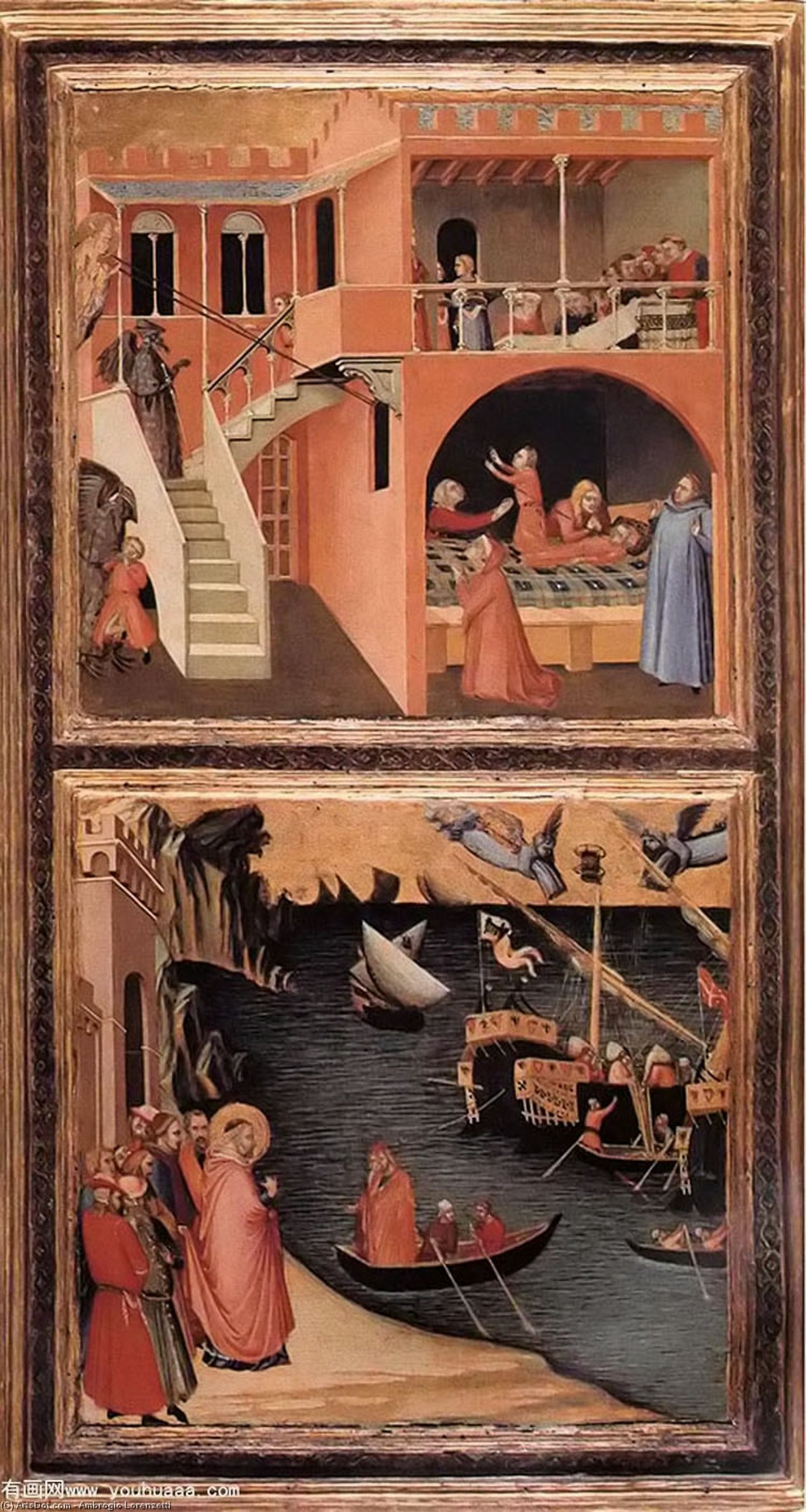
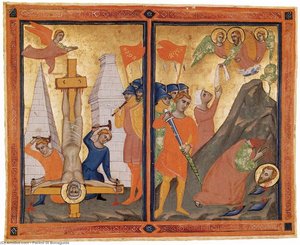
Scenes of the Life of St Nicholas
 Acrylic On Canvas
- WallArt
- International Gothic
 1332
1332 96.0 x 52.0 cm
 ウフィツィ美術館
 詳細を見る
詳細を見る




P118B $10

P118H $10

P118W $10

P438Z $10

P508JH $12

P508YH $12

P805H $10

P805Z $10

P919BZ $10

P919G $10

P919XJ $10

P959ZH $10

P968JZ $12

W106C $8

W218G $10

W218JH $8

W218Y $10

W307PJ $10

W316G $10

W316PJ $8

W316Y $10

W398PJ $8

W4111J $10

W500HY $15

W500JH $15

W692G $12

W849H $8

W940BG $15

W953PJ $8




作品のオリジナル比率に合わせた、当店の規定サイズからお選びください。

特定のフレームやスペースに合わせて、ご希望のサイズをご入力いただけます。選択されたサイズが元の画像の比率と異なる場合、アートワークをトリミングするか、手描きで要素を追加して絵画を拡張いたします。デジタルモックアップ を制作し、制作開始前にご確認(承認)をいただきます。
画面上のプレビューは、実際のトリミングや拡張を正確に反映しているものではありません。最終的な構図は、モックアップによってのみ正確にご確認いただけます。
カスタムサイズもご利用いただけますが、元の比率を維持するためには、あらかじめ用意されたリストからサイズを選択することをお勧めいたします。
ご注文後、ArtsDot.com チームより詳細な指示をお送りするとともに、仕上がりイメージ(モックアップ)をご提供いたします。


 ガラスオプションは、110cm未満のサイズでのみご利用いただけます。

Scenes of the Life of St Nicholas
複製技法
複製画のサイズ
-


合計金額
$ 263
作品解説
A Window into Medieval Devotion: Ambrogio Lorenzetti’s Scenes of the Life of St Nicholas
Ambrogio Lorenzetti's “Scenes of the Life of St Nicholas,” painted in Siena around 1332, isn’t merely a depiction of biblical tales; it’s a vibrant portal into the heart of medieval piety and artistic innovation. This remarkable fresco, now meticulously reproduced on hand-painted canvas by ArtsDot.com, offers a rare glimpse into the world of Sienese art during a pivotal transition – a moment where Byzantine elegance began to yield to the burgeoning naturalism that would define the Renaissance. Measuring 96 x 52 cm, the scale invites intimate contemplation, drawing us into a series of carefully orchestrated vignettes illustrating key moments in St. Nicholas’s life.
The painting immediately captivates with its rich palette and dynamic composition. Lorenzetti masterfully employs tempera on gesso, a technique favored in Siena at the time, resulting in colors that possess an astonishing luminosity and depth – particularly evident in the vibrant reds of the garments and the subtle gradations of blue within the figures’ robes. The artist's use of perspective, though not fully developed as in later Renaissance works, demonstrates a sophisticated understanding of spatial relationships, creating a sense of believable depth within the scenes. Notice how he uses overlapping forms and diminishing size to guide the viewer’s eye through the narrative.
The Narrative Tapestry: Scenes from a Saint's Life
Lorenzetti doesn’t simply present isolated events; instead, he constructs a carefully ordered sequence of scenes. The first panel immediately establishes St. Nicholas as a benevolent figure, depicted on a boat surrounded by grateful villagers – a scene brimming with generosity and the tangible rewards of his charitable deeds. The central image of St. Nicholas offering food to a child is particularly poignant, radiating warmth and embodying the saint’s core message of compassion. The inclusion of secondary figures—a man near the top left corner, two at the bottom right, and scattered individuals throughout—adds layers of complexity, suggesting a community profoundly impacted by St. Nicholas's actions. These aren’t static portraits; they are participants in a shared narrative of faith and goodwill.
The painting’s historical context is crucial to understanding its significance. St. Nicholas was already a deeply revered figure during the 14th century, celebrated for his generosity and miraculous interventions. Lorenzetti's work served as both an artistic tribute and a powerful visual sermon, reinforcing the saint’s role as a model of Christian virtue within the Siena community. The scenes are not simply religious illustrations; they are carefully constructed allegories designed to inspire devotion and promote ethical behavior.
Symbolism and Artistic Innovation
Beyond its narrative content, “Scenes of the Life of St Nicholas” reveals intriguing artistic innovations. Lorenzetti’s style blends Byzantine influences – evident in the stylized figures and rich ornamentation – with a growing naturalism that foreshadows the Renaissance. The faces of the villagers, for example, possess a subtle realism not typically found in earlier Sienese art. Furthermore, the artist's attention to detail—the folds of clothing, the expressions on the characters’ faces—demonstrates a keen observational skill and a desire to capture the essence of human experience. The inclusion of architectural elements within the scenes – glimpses of buildings and landscapes – further enhances the sense of realism and immerses the viewer in the depicted world.
The painting's emotional impact is undeniable. Lorenzetti masterfully conveys a sense of hope, gratitude, and spiritual fulfillment. The warm colors, dynamic composition, and carefully rendered figures combine to create an atmosphere of profound reverence—a testament to the enduring power of St. Nicholas’s legend and the artistic genius of Ambrogio Lorenzetti. ArtsDot.com's hand-painted reproductions faithfully capture this emotional resonance, offering a stunning opportunity to experience this masterpiece firsthand.
関連作品


アーティストの略歴
シエナの先見者:アンブロージョ・ロレンツェッティの生涯と芸術
イタリア、シエナの中心部で1290年頃に生まれたアンブロージョ・ロレンツェッティは、中世の芸術的伝統から、胎動しつつあったルネサンスへと移り変わる過渡期において、極めて重要な役割を果たした人物です。デュッチョやシモーネ・マルティーニといった同時代の巨匠たちの影に隠れた時期もあり、また画家である弟ピエトロ・ロレンツェッティと共に語られることも少なくありませんが、アンブロージョは独自の道を切り拓きました。その歩みは、革新的な精神と、周囲の世界に対する深い洞察に満ちたものでした。彼の幼少期に関する詳細は乏しいものの、シエナでの芸術修行が、ビザンティン様式の優雅さと、高まりつつあった自然主義を融合させた独自のスタイルの礎となったことは間違いありません。洗練された美学で知られるシエナ派は、アンブロージョの才能が開花するための肥沃な土壌となりました。しかし、彼は単に確立された慣習を模倣することに甘んじることはありませんでした。彼は探究心旺盛な精神を持ち、イタロ・ビザンティン美術の持つ精神的な深みと、イタリアの思想の中に再び現れ始めていた古典的な理想の両方に強く惹きつけられていたのです。伝統との決別:様式と革新
アンブロレルギーの芸術的な旅路は、絶え間ない実験の連続でした。1319年の『聖母子』といった初期の作品には、ビザンティン伝統への明確な敬意が見て取れます。象徴的な正面性、金地の背景、そして様式化された人物描写は、その影響を雄弁に物語っています。しかし、これら初期の作品においてさえ、新たな方向性の兆しが浮かび上がっています。形態のわずかな柔らぎ、立体感を描き出そうとする初期の関心、そして主題に人間的な質感を吹き込もうとする試みです。この軌道は、アンブロージョが成熟するにつれて加速していきました。古典古代への憧憬と、世界をより正確に表現したいという渇望が、彼を突き動かしたのです。彼は遠近法を研究し(必ずしも完璧な結果を得られたわけではありませんでしたが)、人物の個性を捉えようとする鋭い観察眼を示しました。シエナ派のもう一人の巨匠シモーネ・マルティーニの影響は、アンブロージョのエレガントな構図や洗練された色彩設計に顕著に表れています。一方で、ジョットによるより自然主義的なアプローチ、特に人間の感情描写との関連を指摘する学者もいます。しかし、これらの影響を統合し、装飾的な優美さと前例のないレベルの写実性を両立させた独自のスタイルを確立したのは、他ならぬアンブロージョでした。パラッツォ・プブリコ:記念碑的な達成
アンブロージョ・ロレンツェッティの最も不朽の遺産は、シエナのパラッツォ・プブリコ(公共宮殿)、特に「九人会議の間」の壁の中に刻まれています。1337年から133なる39年にかけて、彼は「善政と悪政の寓意」を描いた記念碑的なフレスコ画の連作に着手しました。この作品は単なる美しい絵画の集合体ではありません。それは、市民としての徳、社会秩序、そして政治的選択がもたらす結末についての深い瞑想なのです。「善政が町と田園にもたらす影響」は、中世の生活を描き出した比類なき絵画的百科事典といえます。そこには、商人が取引を行い、労働者が土地を耕し、広場で踊りを楽しむ人々が溢れる、活気に満ちたパノラマが広がっています。それは、あらゆる要素が共同体の幸福に寄与する、調和と繁栄のビジョンです。対照的に、「悪政とその影響」は、暴政、腐敗、不和によって荒廃した風景という、全く異なる光景を提示します。この連作の中で、アンブロージョはいくつかの画期的な偉業を成し遂げました。人物の背景として写実的な風景を用いる先駆的な手法を確立し、奥行きを生み出すために遠近法を実験し、登場人物に当時としては驚くほど豊かな感情を吹き込んだのです。特筆すべきは、「善政の影響」の中に、時間の無情な経過と責任ある統治の重要性の象徴として、記録に残る最初期の砂時計の描写が含まれていると考えられている点です。永続する影響:遺産と歴史的意義
1348年、おそらくヨーロッパを襲った黒死病の犠牲となり、アンブロージョ・ロレンツェッティの早すぎる死は、可能性に満ち溢れていた彼のキャリアを断ち切ってしまいました。しかし、彼の革新はイタリア美術の歩みに消えない足跡を残しました。彼はルネサンスの前駆者であり、自然主義への再関心、遠近法の習熟、そして人間感情への焦点といった、後の時代を定義することになる芸術的課題を先取りしていました。パラッツォ・プブリコのフレスコ画は、市民生活と指導者の責任への高まりを反映した、初期ルネサンス世俗絵画の傑作として君臨しています。その美学的な価値を超えて、これらの作品は中世社会に対する貴重な洞察を与え、14世紀シエナの日常生活、習俗、そして価値観を詳細に垣間見せてくれます。アンブロージョの影響は、その後の世代のシエナおよびイタリアの画家たちへと広がり、彼らが芸術表現の境界を押し広げ、周囲の世界を表現する新たな方法を探求するインスピレーションとなりました。彼は、芸術が単に社会を反映するだけでなく、社会を形作る力を持っていることの証として、数世紀を経た今もなお、観る者の心に響き続けているのです。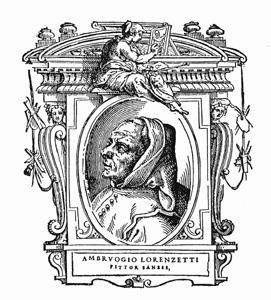
アンブロージョ・ロレンツェッティ
1290 - 1348 , イタリア
基本情報
- Artistic Movement Or Style: シエナ派
- Artists Or Movements Influenced By This Artist: ['ルネサンスの芸術家']
- Artists Who Influenced This Artist:
- シモーネ・マルティーニ
- ジョット
- Date Of Birth: 1290年頃
- Date Of Death: 1348年6月9日
- Full Name: アンブロージョ・ロレンゼッティ
- Nationality: イタリア
- Notable Artworks:
- 聖母子 (1319年)
- 善政と悪政
- 聖ルイの叙任式
- マエスタ (1335年頃)
- Place Of Birth: イタリア、シエナ
関連記事

家族の遺産を壁画で彩る:伝統技法が紡ぐ、時を超越する美と記憶
古代から現代までの壁画の歴史と技法を解説。日本の壁画文化やカスタムオーダーによる家族の遺産表現、保存・修復技術まで網羅。専門家が時を超越する美と記憶を紡ぐ芸術的価値をご案内します。

The Enduring Legacy of Fresco Painting: Techniques, History & Contemporary Relevance
Explore the rich history & enduring artistry of fresco painting – from Giotto to Michelangelo! Discover techniques, conservation efforts, & modern applications. Learn how ArtsDot brings this timeless art form to your home.

The Enduring Legacy of Fresco: Technique, History & Artistic Expression Across Cultures
Explore the rich history & enduring legacy of fresco painting! Discover ancient techniques, Giotto's masterpieces, and modern applications. Expert insights for art lovers & professionals.
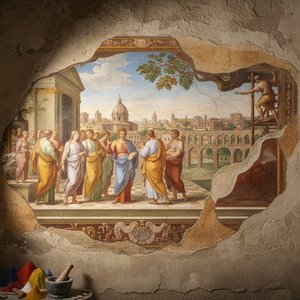
The Enduring Legacy of Fresco: Technique, History & Artistic Expression
Explore the rich history & enduring artistry of fresco painting. Discover techniques from Giotto to Michelangelo, conservation efforts, & modern applications. Learn how ArtsDot brings this timeless art form to your home.
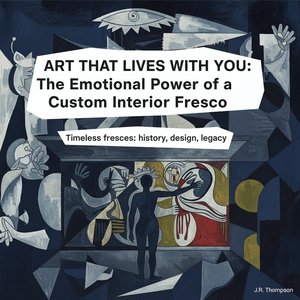
Art That Lives With You: The Emotional Power of a Custom Interior Fresco
Discover the emotional power & timeless beauty of custom interior frescoes. Explore history, design tips & expert guidance from – creating lasting legacies.

