

 プレビュー
プレビュー
 プリントを購入
 シェアする
シェアする シェアする
シェアする
 詳細を見る
詳細を見る

 ダウンロード
 似ている作品
 X線調査
X線調査 スライドショー
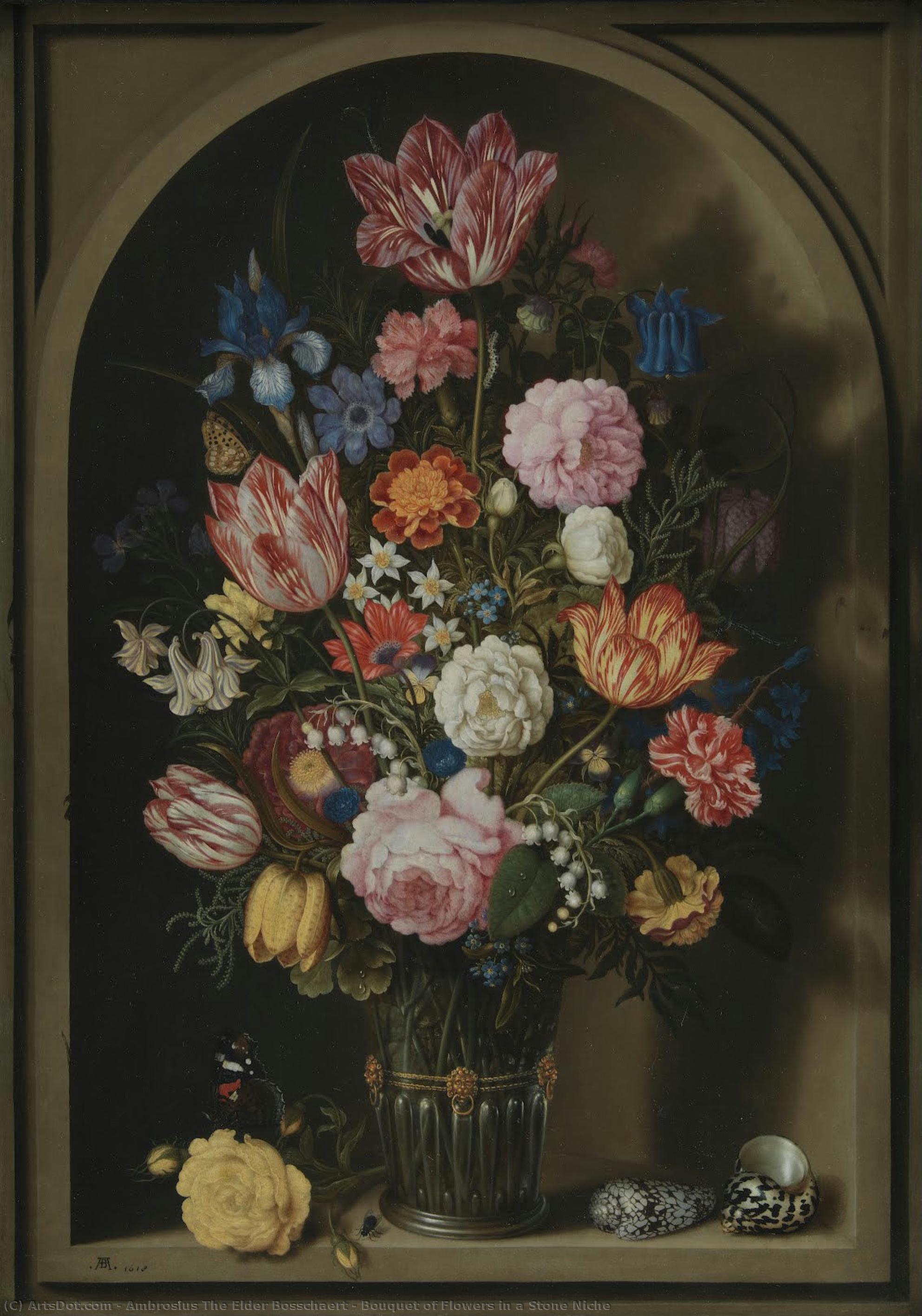
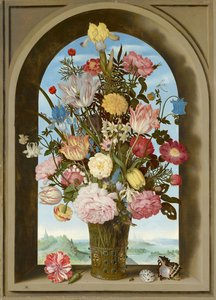
石のニッチに咲く花束
 キャンバスに油彩
- ウォールアート
- Dutch Golden Age
 1618
1618 39.0 x 55.0 cm
 National Gallery of Denmark
 詳細を見る
詳細を見る
オンラインプレビューをはるかに凌ぐ、高解像度で鮮明なデジタル画像をご購入いただけます。
各ファイルは、社内の専門家が高度なツールと熟練した手作業によるレタッチを用いて、細心の注意を払って準備されています。すべての画像において、卓越した鮮明度、正確な色彩再現性、そして繊細なディテールを保証いたします。
最終ファイルは、プロフェッショナルな編集・印刷環境ですぐにご利用いただけるよう最適化された状態で、72時間以内にメールにてお届けいたします。これは、一流のデザインスタジオ、出版社、ギャラリーから信頼されているものと同等の品質です。
デジタル画像のご注文に付随する特典
高品質なデジタル画像配信を、確かな品質で。
ArtsDot.com を選ぶことは、単に画像を手に入れることではありません。それは、プロの手によって精密に仕上げられ、満足保証が付いた高品質なデジタルアートワークを受け取ることを意味します。ご注文いただいた際に自動的に付随する内容は、以下の通りです:

メールですぐにお届け
ご注文から72時間以内に、高解像度のデジタル画像ファイルがメールでお手元に届きます。すぐにそのままご利用いただけます。

AI技術で最適化されたデジタルファイル
お客様の作品は、高度なAIツールと専門家による手作業の編集を組み合わせてプロフェッショナルに最適化されており、細部のディテール、鮮明さ、そして正確な色再現性を最大限に引き出しています。

一生涯無料の再送サービス
ファイルを誤って削除したり、紛失してしまったりしましたか?ご安心ください。いつでも無料で再送いたします。

輸入手数料は一切かかりません
関税や手数料、配送料を気にすることなく、お気に入りのアートワークをすぐにお楽しみいただけます。デジタルダウンロードは常に免税です。

色彩再現の保証
プロ仕様のツールとカラーマネジメント技術を用いることで、デジタル画像が元の色を最大限に忠実に再現することを保証いたします。

60日間満足保証
ご購入いただいたデジタル画像にご満足いただけない場合は、60日以内であれば、修正または100%の返金(理由を問う必要はありません)をさせていただきます。

100% 返金保証
ご満足いただけない場合は、デジタルファイルを受け取ってから60日以内であれば、理由を問わず全額返金いたします。

まとめ買い割引
3枚購入で10%OFF - 5枚購入で15%OFF - 10枚以上購入で20%OFF。クリエイティブなプロジェクト、ギャラリー、エージェンシーに最適です。
作品の詳細
アンブローシス・ボッシャーテの「石窟に咲く花」:オプティカルイリュージョンと宗教的背景が織りなすゴダール黄金時代の静物画
アンブローシス・ボッシャーテは、1573年にアントワープで生まれ、1621年にハレムで亡くなったフランドルの画家です。彼は特に印象的な芸術スタイルを持つ静物画のジャンルに焦点を当てました。彼のキャリアは宗教的迫害によって形作られましたが、ミデルブルクで活躍し、その遺産は美術界に大きな影響を与えました。
- 作品概要: 「石窟に咲く花」は、ゴダール黄金時代の傑出した静物画の一作であり、繊細な花の描写と卓越した技術が特徴です。この絵画は、石窟という空間に配置された花瓶の中に咲き誇る豪華な花飾りを捉えています。
- 構成と構図: 絵画の中心となる花飾りは、視覚的なインパクトを最大化するために、浅い奥行きのあるピラミッド型の構図を採用しています。背景要素はわずかにぼかしられ、焦点の絞り込みが行われています。アーチ型のフレームは絵画全体にフォーカスを当て、絵画自体と一体感を生み出しています。
- 技術とスタイル: ボッシャーテは油彩技法を用い、細密な色彩表現と光のグラデーションを実現しました。彼の作品は、特にクロワール照明を使用することで、花の弁や葉などの質感を効果的に描き出しています。この技術はゴダール黄金時代の他の画家たちにも受け継がれました。
この絵画は単なる美しい花飾りではありません。カラヴィニストの宗教的寛容主義と中間階級の富の増加といった社会的な変化の中で、ゴダール黄金時代に新たなテーマやモチーフが登場しました。ボッシャーテは特に静物画において、バラやユリなどの花を象徴的に用いることで、人生の儚さを表現しました。これらの要素は絵画全体に深い意味合いを与え、見る人に感動と啓示をもたらします。
- 歴史的背景: ゴダール黄金時代には、宗教的な価値観の変化が美術界に大きな影響を与えました。カラヴィニストの信仰は伝統的な宗教儀式を制限し、より自由な表現を求める人々が増加しました。この時代の美術家たちは、これらの変化を反映したテーマやモチーフを取り入れました。
- オプティカルイリュージョン: ボッシャーテの絵画における特徴的な技法は、オプティカルイリュージョンです。これは石窟という空間に配置された花瓶と周囲の環境との間の錯視効果であり、見る人に驚きと感動を与えます。この効果は特にゴダール黄金時代の画家たちに愛され、彼らの作品に独特の魅力をもたらしました。
ボッシャーテの「石窟に咲く花」は、ゴダール黄金時代の美術における完璧な表現であり、その美しい色彩と繊細な技術は現代の芸術家たちにもインスピレーションを与えています。この絵画は単なる花の描写を超え、人間の精神と自然との調和をテーマとしています。
関連作品




作家の略歴
Ambrosius Bosschaert the Elder: Pioneer of Dutch Floral Still Life
Born in Antwerp in 1573, Ambrosius Bosschaert the Elder emerged as a pivotal figure in the burgeoning world of Dutch art during the Golden Age. Initially trained within the established artistic circles of his birthplace, he soon found himself drawn to a distinctive and revolutionary genre: the meticulously rendered floral still life. His journey wasn’t merely one of stylistic innovation; it was intertwined with personal circumstance – a relocation driven by religious persecution that ultimately shaped his career and legacy in Middelburg, where he would become a dominant force for decades.
Early life in Antwerp laid the foundation for Bosschaert's artistic sensibilities. He joined the city’s Guild of Saint Luke at the young age of twenty-one, demonstrating an early commitment to his craft and establishing himself within the established art community. However, it was the threat of religious upheaval that propelled him eastward, leading to a period of residence in Middelburg from 1587 until 1613. This move proved transformative, providing him with both refuge and fertile ground for developing his unique style. It’s during this time that he began to specialize in painting intricate bouquets – a genre previously less explored as an independent subject matter.
The Rise of the Floral Still Life
Bosschaert is widely recognized as one of the earliest artists to elevate the floral still life into a distinct and respected artistic category. Prior to his work, flower paintings were often integrated within broader compositions or served primarily as decorative elements. Bosschaert, however, treated flowers with an unprecedented level of detail, scientific accuracy, and compositional symmetry. His bouquets, frequently executed on copper panels, weren’t merely arrangements; they were carefully constructed narratives, imbued with symbolic meaning and a profound appreciation for the natural world.
His technique was remarkably precise. He meticulously depicted each petal, leaf, and stem, often incorporating elements of botanical illustration – a testament to his keen observation skills. The bouquets he created weren’t haphazard collections; they were carefully balanced arrangements, reflecting an understanding of both artistic principles and the inherent beauty of the flowers themselves. Tulips and roses became staples in his work, mirroring their growing popularity and symbolic significance within Dutch society at the time – a reflection of the nation's burgeoning trade with the East.
Style and Symbolism
Bosschaert’s style was characterized by its meticulous detail, symmetrical composition, and scientific approach. He wasn’t simply painting flowers; he was documenting them, studying their forms, and capturing their essence with remarkable fidelity. His works often included symbolic elements – a deliberate choice that elevated the still life beyond mere representation. Flowers were frequently associated with religious themes, conveying messages of faith, hope, and remembrance. The arrangement itself held significance, mirroring the principles of harmony and balance found in classical art.
Despite his considerable skill and popularity, Bosschaert never achieved the same level of widespread fame as artists like Jan Brueghel the Elder, who was equally influential in the floral genre. However, his impact on the development of Dutch flower painting is undeniable. He established a tradition that would be continued by his sons and numerous pupils, solidifying Middelburg’s position as the leading center for this specialized art form within the Dutch Republic.
Legacy and Influence
Ambrosius Bosschaert's legacy extends far beyond his individual works. He fundamentally shifted the perception of still life painting, transforming it from a secondary genre into a respected artistic pursuit. His meticulous approach to floral representation influenced generations of artists, including Jan Fyt (Joannes Fijt) and Rachel Ruysch, who both specialized in still life painting and built upon his foundations.
His works are now housed in prestigious collections such as the St. Joriskerk Museum in Amersfoor, a testament to their enduring artistic value. The meticulous detail and scientific observation evident in Bosschaert’s paintings continue to captivate viewers today, offering a glimpse into the vibrant world of 17th-century Dutch art and the profound appreciation for nature that characterized the era.
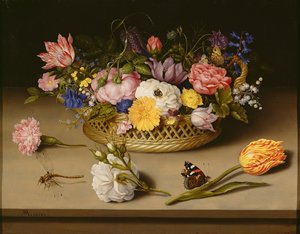
ambrosius the elder bosschaert
1573 - 1621
プロフィール概要
- Artistic Movement Or Style: Dutch Golden Age, Floral Still Life
- Artists Or Movements Influenced By This Artist:
- Jan Fyt
- Rachel Ruysch
- Artists Who Influenced This Artist: ['Jan Brueghel the Elder']
- Date Of Birth: 1573-01-18
- Date Of Death: 1621-01-16
- Full Name: Ambrosius Bosschaert the Elder
- Nationality: Flemish, Dutch
- Notable Artworks:
- Bouquet in an Arched Window
- Bouquet of Flowers in a Vase
- Place Of Birth: Antwerp, Belgium

