

 プレビュー
プレビュー
 シェアする
シェアする シェアする
シェアする
 詳細を見る
詳細を見る

 ダウンロード
 似ている作品
 X線調査
X線調査 スライドショー
 統計情報
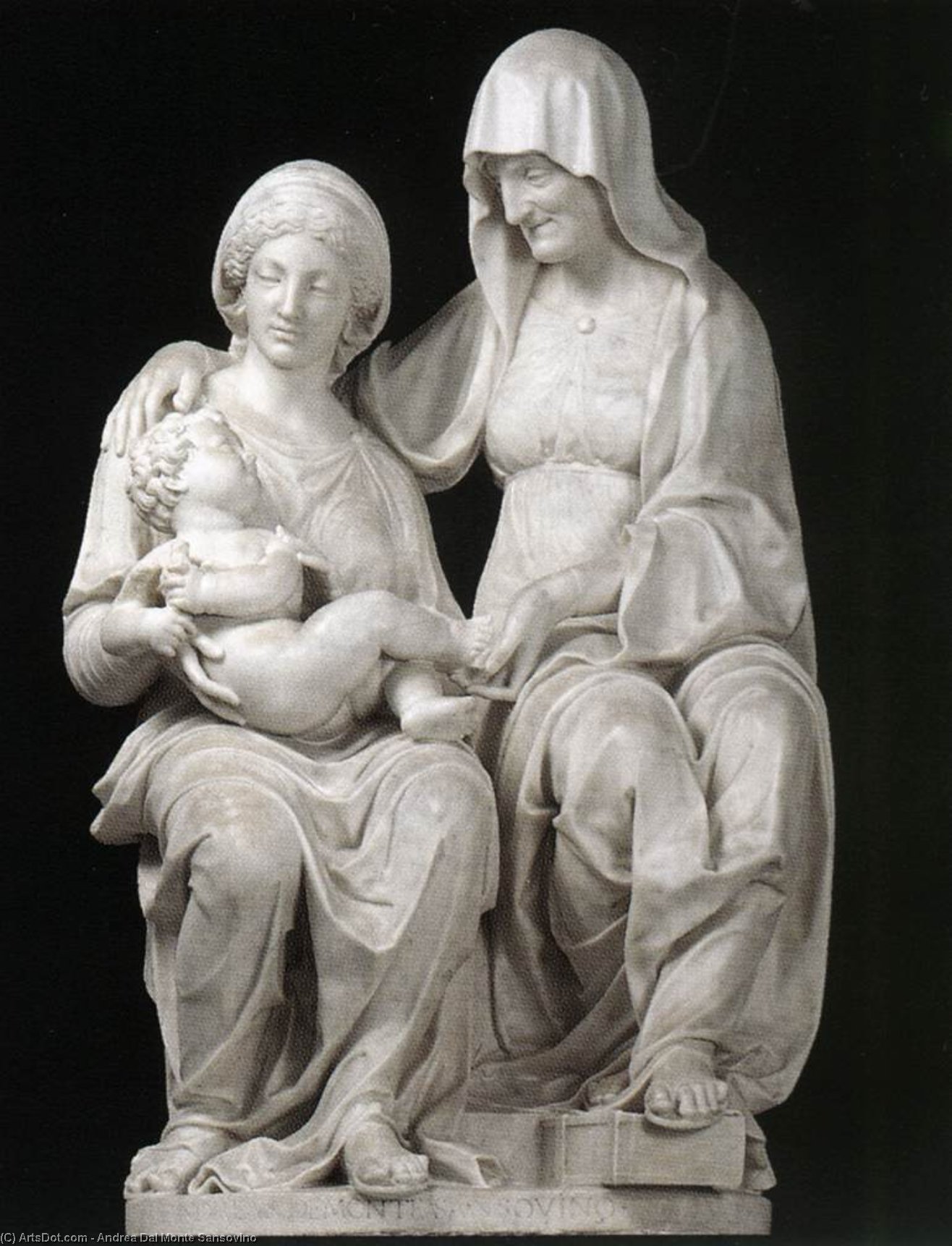
統計情報Madonna and Child with St Anne


 詳細を見る
詳細を見る
手描き油彩複製画
当社のアーティストが、お客様のご希望のサイズと額縁に合わせて、キャンバスに手描きで制作する油彩画です。 ( プリント版に切り替え デジタル画像販売へ切り替え)




































作品のオリジナル比率に合わせた、当店の規定サイズからお選びください。

特定のフレームやスペースに合わせて、ご希望のサイズをご入力いただけます。選択されたサイズが元の画像の比率と異なる場合、アートワークをトリミングするか、手描きで要素を追加して絵画を拡張いたします。デジタルモックアップ を制作し、制作開始前にご確認(承認)をいただきます。
画面上のプレビューは、実際のトリミングや拡張を正確に反映しているものではありません。最終的な構図は、モックアップによってのみ正確にご確認いただけます。
カスタムサイズもご利用いただけますが、元の比率を維持するためには、あらかじめ用意されたリストからサイズを選択することをお勧めいたします。
ご注文後、ArtsDot.com チームより詳細な指示をお送りするとともに、仕上がりイメージ(モックアップ)をご提供いたします。


 ガラスオプションは、110cm未満のサイズでのみご利用いただけます。

Madonna and Child with St Anne
複製技法
複製画のサイズ
-


合計金額
$ 313
関連作品
アーティストの略歴
Jean Clouet: A Court Painter of Renaissance France
Jean Clouet, a name often associated primarily with his son François, stands as a pivotal figure in the artistic landscape of 16th-century France. Born around 1467 and tragically dying in Paris circa 1540/41, Clouet’s career unfolded within the vibrant court of King Francis I, a period marked by burgeoning humanist ideals and an intense patronage of the arts. While his early life remains somewhat shrouded in mystery – lacking extensive biographical details beyond his family lineage as Franco-Flemish painters – his impact on portraiture is undeniable. He wasn't merely a recorder of likenesses; Clouet skillfully imbued his subjects with personality, intellect, and a sense of timeless dignity, establishing himself as one of the era’s most accomplished court painters. Clouet’s ascent to prominence began around 1516 when he was appointed painter-in-ordinary to King Francis I. This prestigious position afforded him unparalleled access to the royal family and provided a steady stream of commissions. His style, while initially influenced by Flemish artistic traditions – particularly in his meticulous attention to detail and use of oil paint – gradually evolved into a distinctly French mannerism. He embraced the elegance and refinement favored at the court, incorporating elements of classical antiquity and humanist scholarship into his compositions. His portraits weren’t simply representations; they were carefully constructed narratives, often featuring symbolic objects like books, quills, and scrolls that spoke to the subject's intellectual pursuits – a hallmark of Renaissance portraiture. A prime example is his celebrated depiction of Guillaume Budé, the King’s librarian, where Budé’s gaze holds the viewer captive, while an inscription in Greek offers a profound philosophical observation on the nature of desire. This combination of visual and textual elements demonstrates Clouet's sophisticated understanding of his audience and his ability to elevate portraiture beyond mere likeness.The Influence of Leonardo da Vinci and Giovanni Boltraffio
Clouet’s artistic development was profoundly shaped by the presence of two key figures: Leonardo da Vinci and Giovanni Antonio Boltraffio. Leonardo, who served as court painter to Francis I for a time, exerted a significant influence on Clouet's approach to composition, perspective, and psychological realism. The meticulous observation of nature and the exploration of human emotion that characterized Leonardo’s work undoubtedly resonated with Clouet. Furthermore, Clouet worked closely with Giovanni Antonio Boltraffio, another artist who had been in Leonardo da Vinci’s studio. Boltraffio's style, known for its clean lines and precise rendering, likely provided a foundational element to Clouet’s technique. Interestingly, Boltraffio himself was a master of portraiture, often working within the framework of Leonardo’s larger projects. The shared environment within Leonardo’s studio fostered a collaborative atmosphere where artistic ideas were exchanged and refined – a crucial factor in shaping the trajectory of both artists.Key Works and Artistic Techniques
Clouet's oeuvre, though relatively small compared to some of his contemporaries, showcases a remarkable range of subjects and stylistic approaches. His portraits of members of the French court—including Francis I himself, as well as various nobles and dignitaries—are particularly noteworthy for their elegance and psychological depth. He frequently employed oil paint on wood panels, a technique that allowed him to achieve subtle gradations of tone and texture. Clouet’s mastery of chiaroscuro – the dramatic interplay of light and shadow – further enhanced the three-dimensionality of his figures and created a sense of atmosphere. His compositions are often characterized by a balanced arrangement of elements, with careful attention paid to detail—from the folds of clothing to the expressions on the subjects' faces. The portrait of Guillaume Budé exemplifies this meticulous approach, demonstrating Clouet’s ability to integrate symbolic elements seamlessly into his work.Legacy and Historical Significance
While François Clouet continued his father’s artistic legacy, Jean Clouet remains a significant figure in the history of French Renaissance art. His portraits provide invaluable insights into the culture, values, and intellectual currents of the era. He represents a bridge between the Flemish artistic traditions that had previously dominated the French court and the emerging Italian Renaissance style. Clouet’s work reflects the humanist ideals of his time—a celebration of human intellect, beauty, and virtue. His portraits are not merely representations of individuals; they are windows into the world of 16th-century France, offering a glimpse into the lives and aspirations of its most influential figures. The meticulous detail and psychological realism evident in Clouet’s paintings ensure that his work continues to captivate viewers today, solidifying his place as one of the era's foremost court painters.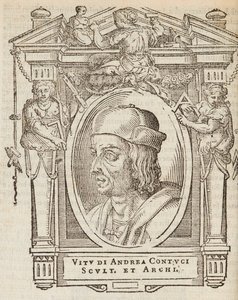
andrea dal monte sansovino
1467 - 1529 , Italy
基本情報
- Artistic Movement Or Style: Renaissance
- Artists Or Movements Influenced By This Artist: ['Leonardo da Vinci']
- Artists Who Influenced This Artist: ['Giovanni Boltraffio']
- Date Of Birth: 1467
- Date Of Death: 1540/41 Paris
- Full Name: Jean Clouet
- Nationality: French
- Notable Artworks: ['Guillaume Budé']
- Place Of Birth: Franco-Flemish painters