

 プレビュー
プレビュー
 シェアする
シェアする シェアする
シェアする
 詳細を見る
詳細を見る

 ダウンロード
 似ている作品
 X線調査
X線調査 スライドショー
 統計情報
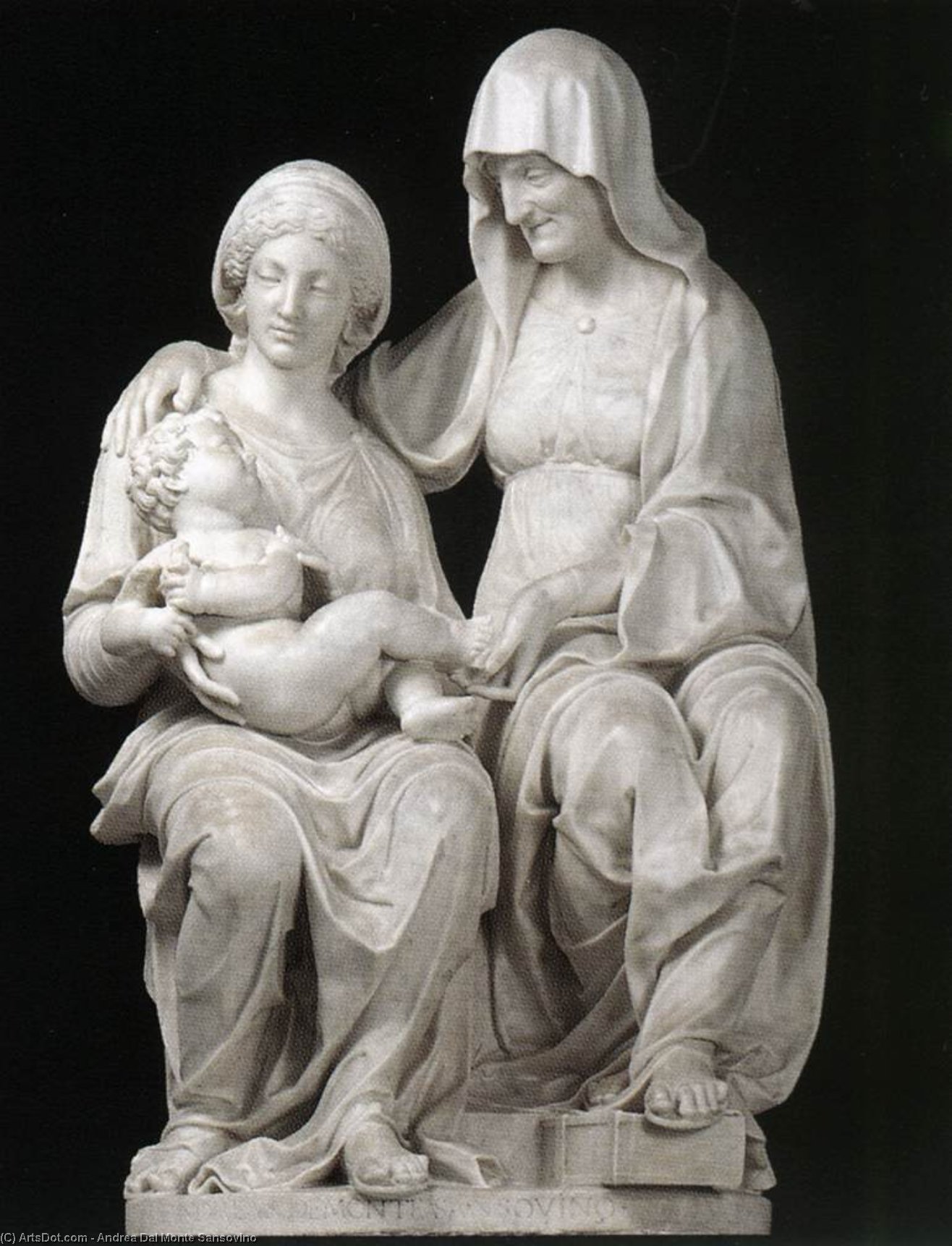
統計情報Madonna and Child with St Anne


 詳細を見る
詳細を見る
オンラインプレビューをはるかに凌ぐ、高解像度で鮮明なデジタル画像をご購入いただけます。
各ファイルは、社内の専門家が高度なツールと熟練した手作業によるレタッチを用いて、細心の注意を払って準備されています。すべての画像において、卓越した鮮明度、正確な色彩再現性、そして繊細なディテールを保証いたします。
最終ファイルは、プロフェッショナルな編集・印刷環境ですぐにご利用いただけるよう最適化された状態で、72時間以内にメールにてお届けいたします。これは、一流のデザインスタジオ、出版社、ギャラリーから信頼されているものと同等の品質です。
デジタルアート
個人での鑑賞、印刷、クリエイティブなプロジェクト用に、高解像度ファイルをダウンロードできます。 ( プリント版に切り替え 手描きの絵画を購入)
デジタル画像のご注文に付随する特典
高品質なデジタル画像配信を、確かな品質で。
ArtsDot.com を選ぶことは、単に画像を手に入れることではありません。それは、プロの手によって精密に仕上げられ、満足保証が付いた高品質なデジタルアートワークを受け取ることを意味します。ご注文いただいた際に自動的に付随する内容は、以下の通りです:

メールですぐにお届け
ご注文から72時間以内に、高解像度のデジタル画像ファイルがメールでお手元に届きます。すぐにそのままご利用いただけます。

AI技術で最適化されたデジタルファイル
お客様の作品は、高度なAIツールと専門家による手作業の編集を組み合わせてプロフェッショナルに最適化されており、細部のディテール、鮮明さ、そして正確な色再現性を最大限に引き出しています。

一生涯無料の再送サービス
ファイルを誤って削除したり、紛失してしまったりしましたか?ご安心ください。いつでも無料で再送いたします。

輸入手数料は一切かかりません
関税や手数料、配送料を気にすることなく、お気に入りのアートワークをすぐにお楽しみいただけます。デジタルダウンロードは常に免税です。

色彩再現の保証
プロ仕様のツールとカラーマネジメント技術を用いることで、デジタル画像が元の色を最大限に忠実に再現することを保証いたします。

100日間満足保証
ご購入いただいたデジタル画像にご満足いただけない場合は、100日以内であれば、理由を問わず修正または100%の返金対応をさせていただきます。

100% 返金保証
ご満足いただけない場合は、デジタルファイルを受け取ってから100日以内であれば、理由を問わず全額返金いたします。

まとめ買い割引
3枚購入で10%OFF - 5枚購入で15%OFF - 10枚以上購入で20%OFF。クリエイティブなプロジェクト、ギャラリー、エージェンシーに最適です。
関連作品
作家の略歴
Jean Clouet: A Court Painter of Renaissance France
Jean Clouet, a name often associated primarily with his son François, stands as a pivotal figure in the artistic landscape of 16th-century France. Born around 1467 and tragically dying in Paris circa 1540/41, Clouet’s career unfolded within the vibrant court of King Francis I, a period marked by burgeoning humanist ideals and an intense patronage of the arts. While his early life remains somewhat shrouded in mystery – lacking extensive biographical details beyond his family lineage as Franco-Flemish painters – his impact on portraiture is undeniable. He wasn't merely a recorder of likenesses; Clouet skillfully imbued his subjects with personality, intellect, and a sense of timeless dignity, establishing himself as one of the era’s most accomplished court painters. Clouet’s ascent to prominence began around 1516 when he was appointed painter-in-ordinary to King Francis I. This prestigious position afforded him unparalleled access to the royal family and provided a steady stream of commissions. His style, while initially influenced by Flemish artistic traditions – particularly in his meticulous attention to detail and use of oil paint – gradually evolved into a distinctly French mannerism. He embraced the elegance and refinement favored at the court, incorporating elements of classical antiquity and humanist scholarship into his compositions. His portraits weren’t simply representations; they were carefully constructed narratives, often featuring symbolic objects like books, quills, and scrolls that spoke to the subject's intellectual pursuits – a hallmark of Renaissance portraiture. A prime example is his celebrated depiction of Guillaume Budé, the King’s librarian, where Budé’s gaze holds the viewer captive, while an inscription in Greek offers a profound philosophical observation on the nature of desire. This combination of visual and textual elements demonstrates Clouet's sophisticated understanding of his audience and his ability to elevate portraiture beyond mere likeness.The Influence of Leonardo da Vinci and Giovanni Boltraffio
Clouet’s artistic development was profoundly shaped by the presence of two key figures: Leonardo da Vinci and Giovanni Antonio Boltraffio. Leonardo, who served as court painter to Francis I for a time, exerted a significant influence on Clouet's approach to composition, perspective, and psychological realism. The meticulous observation of nature and the exploration of human emotion that characterized Leonardo’s work undoubtedly resonated with Clouet. Furthermore, Clouet worked closely with Giovanni Antonio Boltraffio, another artist who had been in Leonardo da Vinci’s studio. Boltraffio's style, known for its clean lines and precise rendering, likely provided a foundational element to Clouet’s technique. Interestingly, Boltraffio himself was a master of portraiture, often working within the framework of Leonardo’s larger projects. The shared environment within Leonardo’s studio fostered a collaborative atmosphere where artistic ideas were exchanged and refined – a crucial factor in shaping the trajectory of both artists.Key Works and Artistic Techniques
Clouet's oeuvre, though relatively small compared to some of his contemporaries, showcases a remarkable range of subjects and stylistic approaches. His portraits of members of the French court—including Francis I himself, as well as various nobles and dignitaries—are particularly noteworthy for their elegance and psychological depth. He frequently employed oil paint on wood panels, a technique that allowed him to achieve subtle gradations of tone and texture. Clouet’s mastery of chiaroscuro – the dramatic interplay of light and shadow – further enhanced the three-dimensionality of his figures and created a sense of atmosphere. His compositions are often characterized by a balanced arrangement of elements, with careful attention paid to detail—from the folds of clothing to the expressions on the subjects' faces. The portrait of Guillaume Budé exemplifies this meticulous approach, demonstrating Clouet’s ability to integrate symbolic elements seamlessly into his work.Legacy and Historical Significance
While François Clouet continued his father’s artistic legacy, Jean Clouet remains a significant figure in the history of French Renaissance art. His portraits provide invaluable insights into the culture, values, and intellectual currents of the era. He represents a bridge between the Flemish artistic traditions that had previously dominated the French court and the emerging Italian Renaissance style. Clouet’s work reflects the humanist ideals of his time—a celebration of human intellect, beauty, and virtue. His portraits are not merely representations of individuals; they are windows into the world of 16th-century France, offering a glimpse into the lives and aspirations of its most influential figures. The meticulous detail and psychological realism evident in Clouet’s paintings ensure that his work continues to captivate viewers today, solidifying his place as one of the era's foremost court painters.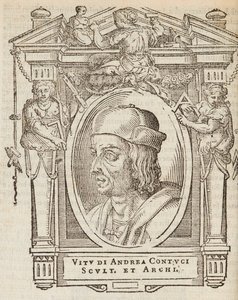
andrea dal monte sansovino
1467 - 1529 , Italy
プロフィール概要
- Artistic Movement Or Style: Renaissance
- Artists Or Movements Influenced By This Artist: ['Leonardo da Vinci']
- Artists Who Influenced This Artist: ['Giovanni Boltraffio']
- Date Of Birth: 1467
- Date Of Death: 1540/41 Paris
- Full Name: Jean Clouet
- Nationality: French
- Notable Artworks: ['Guillaume Budé']
- Place Of Birth: Franco-Flemish painters