

 プレビュー
プレビュー
 プリントを購入
 シェアする
シェアする シェアする
シェアする
 詳細を見る
詳細を見る

 ダウンロード
 似ている作品
 X線調査
X線調査 スライドショー
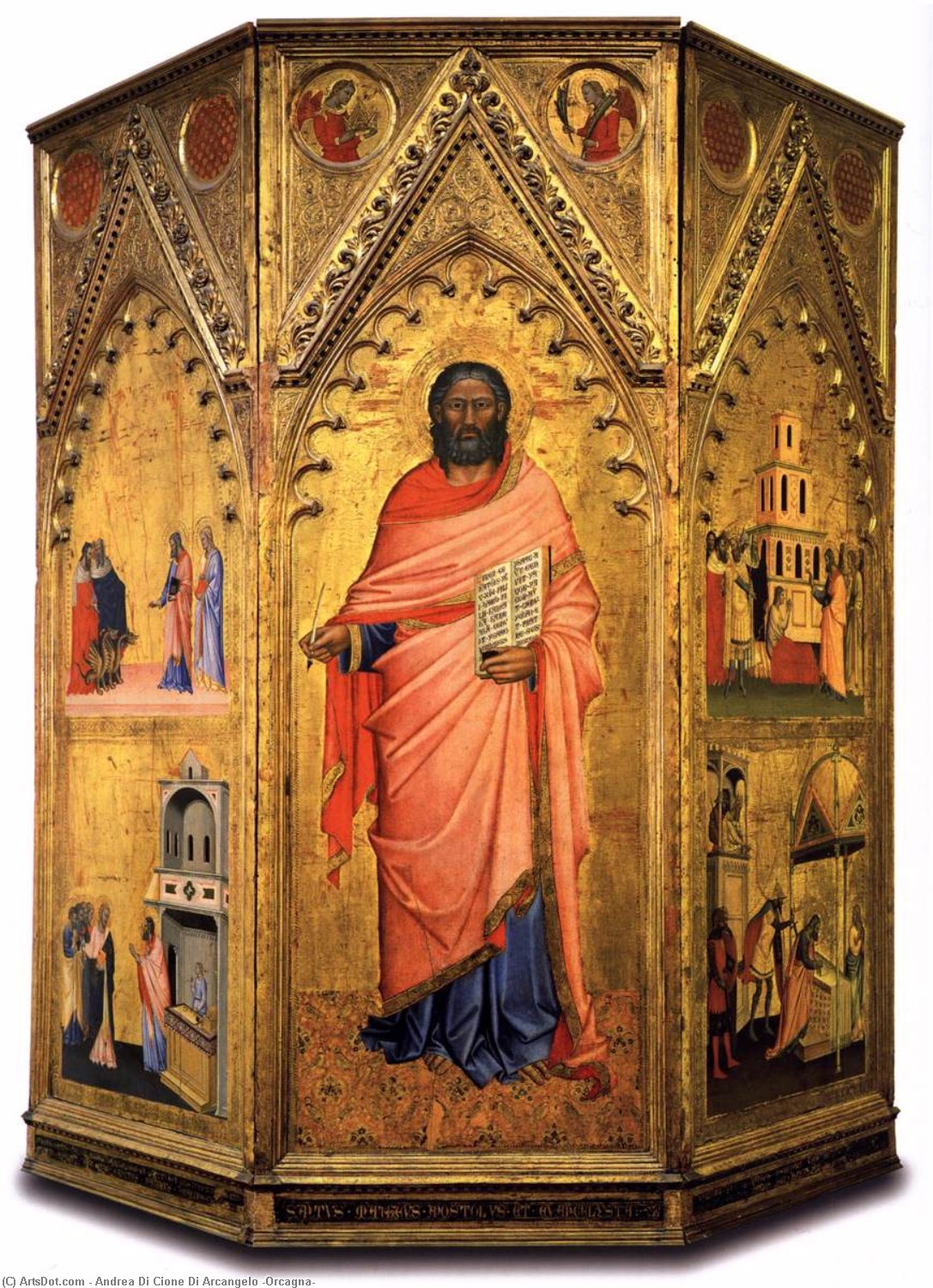
Saint Matthew and Scenes from his Life
 Tempera On Panel
- Early Italian Renaissance
 1367
1367- Late Medieval
 291.0 x 265.0 cm
 ウフィツィ美術館
 詳細を見る
詳細を見る
オンラインプレビューをはるかに凌ぐ、高解像度で鮮明なデジタル画像をご購入いただけます。
各ファイルは、社内の専門家が高度なツールと熟練した手作業によるレタッチを用いて、細心の注意を払って準備されています。すべての画像において、卓越した鮮明度、正確な色彩再現性、そして繊細なディテールを保証いたします。
最終ファイルは、プロフェッショナルな編集・印刷環境ですぐにご利用いただけるよう最適化された状態で、72時間以内にメールにてお届けいたします。これは、一流のデザインスタジオ、出版社、ギャラリーから信頼されているものと同等の品質です。
デジタル画像のご注文に付随する特典
高品質なデジタル画像配信を、確かな品質で。
ArtsDot.com を選ぶことは、単に画像を手に入れることではありません。それは、プロの手によって精密に仕上げられ、満足保証が付いた高品質なデジタルアートワークを受け取ることを意味します。ご注文いただいた際に自動的に付随する内容は、以下の通りです:

メールですぐにお届け
ご注文から72時間以内に、高解像度のデジタル画像ファイルがメールでお手元に届きます。すぐにそのままご利用いただけます。

AI技術で最適化されたデジタルファイル
お客様の作品は、高度なAIツールと専門家による手作業の編集を組み合わせてプロフェッショナルに最適化されており、細部のディテール、鮮明さ、そして正確な色再現性を最大限に引き出しています。

一生涯無料の再送サービス
ファイルを誤って削除したり、紛失してしまったりしましたか?ご安心ください。いつでも無料で再送いたします。

輸入手数料は一切かかりません
関税や手数料、配送料を気にすることなく、お気に入りのアートワークをすぐにお楽しみいただけます。デジタルダウンロードは常に免税です。

色彩再現の保証
プロ仕様のツールとカラーマネジメント技術を用いることで、デジタル画像が元の色を最大限に忠実に再現することを保証いたします。

100日間満足保証
ご購入いただいたデジタル画像にご満足いただけない場合は、100日以内であれば、理由を問わず修正または100%の返金対応をさせていただきます。

100% 返金保証
ご満足いただけない場合は、デジタルファイルを受け取ってから100日以内であれば、理由を問わず全額返金いたします。

まとめ買い割引
3枚購入で10%OFF - 5枚購入で15%OFF - 10枚以上購入で20%OFF。クリエイティブなプロジェクト、ギャラリー、エージェンシーに最適です。
A Tapestry of Divine Narrative: Exploring Orcagna's Masterpiece
To stand before this monumental polyptych is to step directly into the vibrant, devotional heart of the late 14th century Florentine spirit. This work, attributed to Andrea di Cione, known to us as Orcagna, transcends mere decoration; it is a profound theological statement rendered in pigment and wood. The sheer complexity of the composition, spread across multiple narrative panels, invites the viewer into an immersive journey through the life and teachings of Saint Matthew—though the description notes Augustine's central figure, the overall spirit captures the grand devotional scope typical of Orcagna’s religious cycles. One is immediately struck by the meticulous craftsmanship; every fold of drapery, every gesture captured in the surrounding scenes, speaks to a devotion bordering on obsession.
The Fusion of Gothic Grace and Renaissance Promise
Stylistically, this piece embodies that breathtaking transitional moment in art history—the lingering elegance of the Gothic tradition meeting the burgeoning intellectual curiosity of the early Italian Renaissance. The pointed arches and intricate tracery visible throughout the structure are hallmarks of the Gothic vocabulary, lending an air of soaring verticality and delicate complexity. Yet, observe the figures: while the lines retain that characteristic sinuous grace, there is a palpable effort toward spatial definition and psychological depth. Orcagna masterfully balances this tension, creating forms that feel both richly ornamental and deeply human. The dramatic lighting, seemingly emanating from an unseen celestial source above and to the left, carves out the figures from the background, lending them an almost sculptural three-dimensionality.
Symbolism Woven into Every Detail
The narrative weight of this altarpiece is carried by its potent symbolism. The central figure, richly robed in deep reds and accented with flowing pinks, commands attention not just through color, but through the very objects surrounding him. The open book is never merely an accessory; it represents the codified wisdom, the intellectual authority, and the sacred texts that form the bedrock of Christian doctrine. Each subsidiary panel acts as a visual sermon, illustrating key moments—conversions, miracles—that serve to guide the viewer toward a singular spiritual truth. These elements transform the artwork from a portrait into a comprehensive devotional map.
Technique and Enduring Luminosity
The technical mastery displayed here is breathtaking. Executed in tempera paint upon wood panel, the resulting surface possesses a luminous quality that even reproductions strive to emulate. The layering of pigments, combined with the strategic use of gold leaf for highlights, gives the robes and architectural elements an almost ethereal glow. This was not simply painting; it was a painstaking process requiring the skill of goldsmiths, sculptors, and painters all in one hand. To own or display a reproduction of this work is to connect with that rigorous, multi-disciplinary dedication—a testament to the artisan who treated paint as both pigment and precious metal.
An Emotional Resonance for the Modern Collector
For the contemporary collector or designer, this piece offers more than just historical grandeur; it provides an emotional anchor. It speaks of profound belief, intellectual rigor, and enduring human struggle toward enlightenment. The drama inherent in the composition—the tension between earthly depiction and divine mystery—is endlessly captivating. Whether used as a monumental focal point in a grand hall or appreciated for its unparalleled narrative depth in a private study, this artwork promises to elevate any space with its palpable sense of sacred history and unmatched artistic pedigree.
関連作品
作家の略歴
A Florentine Titan of the Gothic Revival
Andrea di Cione, known to history by the evocative moniker Orcagna, stands as one of the most influential figures in Florentine art during the mid-14th century—a period marked by a fascinating confluence of Gothic and Late Gothic artistic traditions. Born around 1308 in the heart of Florence, he emerged from a family deeply rooted in the city's prestigious artisan culture. His father, a skilled goldsmith, instilled in him an early appreciation for meticulous detail and the masterful execution of fine materials. This familial legacy profoundly shaped Orcagna’s artistic trajectory, propelling him to become not merely a painter but also a sculptor and architect—a rare combination of talents that cemented his reputation as a true polymath of the era.
Orcagna's formative years were spent honing his skills within the vibrant Florentine artisan community. While biographical details remain scarce, evidence suggests he received training primarily from his father and possibly from other prominent sculptors of the time. This grounding in traditional techniques—particularly those associated with Gothic sculpture—would prove crucial to his subsequent artistic endeavors. The influence of Flemish art, particularly its dramatic compositions and expressive realism, is palpable in Orcagna’s early works, foreshadowing the stylistic innovations that would define his mature style. His ability to blend the structural rigidity of sculptural forms with the fluid grace of painting allowed him to create works that felt both monumental and deeply human.
Mastery of Narrative and Devotion
The evolution of Orcagna's style is best observed through his profound engagement with religious narratives and complex altarpieces. One of his most celebrated contributions to the Florentine tradition is the Strozzi Altarpiece, a stunning 1354 Gothic masterpiece. In this work, one can admire the rich detail and vibrant colors that characterize his approach to sacred subjects. His ability to organize large groups of figures within a cohesive, hierarchical structure became a hallmark of his technique, guiding the viewer's eye through layers of spiritual significance. This period of his career demonstrates a transition from purely decorative Gothic elements toward a more structured, almost architectural way of presenting divine stories.
Beyond his altarpieces, Orcagna’s work often explored themes of historical and political tension, as seen in pieces like The Expulsion of the Duke of Athens. These works reveal an artist capable of capturing intense emotion and movement, moving beyond static iconography to embrace a more dynamic storytelling mode. His compositions frequently utilized:
- Hieratic Scale: Using size to denote the spiritual importance of saints and divine figures.
- Architectural Framing: Integrating painted structures that mimic the physical space of cathedrals.
- Expressive Linearity: Utilizing sharp, defined outlines to create a sense of clarity and dramatic tension.
The Triumph of Death and Lasting Legacy
Orcagna achieved unparalleled fame through The Triumph of Death, a monumental undertaking commissioned for Siena Cathedral between 1365 and 1370. This ambitious project represents arguably the pinnacle of Late Gothic art in Italy, showcasing Orcagna’s mastery of sculptural technique alongside his exceptional painting prowess. The work is a complex assemblage of figures depicting saints, martyrs, and demons, executed with breathtaking precision to convey a profound sense of terror and solemn contemplation. It serves as a haunting meditation on mortality, capturing the collective psyche of a century often defined by plague and upheaval.
The historical significance of Andrea di Cione cannot be overstated. As a bridge between the medieval tradition and the burgeoning complexities of the later 14th century, his work provided a foundation upon which future Florentine masters would build. His ability to synthesize the decorative elegance of the Gothic style with a new, more visceral sense of drama helped define the visual language of his age. Even as the Renaissance began to reshape the artistic landscape, the structural integrity and emotional depth found in Orcagna's masterpieces remained a testament to his enduring genius.
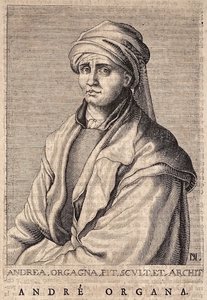
andrea di cione di arcangelo (orcagna)
1308 - 1368 , Italy
プロフィール概要
- Artistic Movement Or Style: Gothic-Late Gothic
- Artists Or Movements Influenced By This Artist: ['Renaissance']
- Artists Who Influenced This Artist: ['Ghirlandaio']
- Date Of Birth: Florence, Italy (1308)
- Date Of Death: 1368
- Full Name: Andrea di Cione di Arcangelo (Orcagna)
- Nationality: Italian
- Notable Artworks:
- Saint Matthew and Scenes from his Life
- The Expulsion of the Duke of Athens
- Tabernacle (detail)
- Cenacolo di Andrea del Sarto
- Sant'Andrea a Brozzi
- Place Of Birth: Florence