

 プレビュー
プレビュー
 プリントを購入
 シェアする
シェアする シェアする
シェアする
 詳細を見る
詳細を見る

 ダウンロード
 似ている作品
 X線調査
X線調査 スライドショー
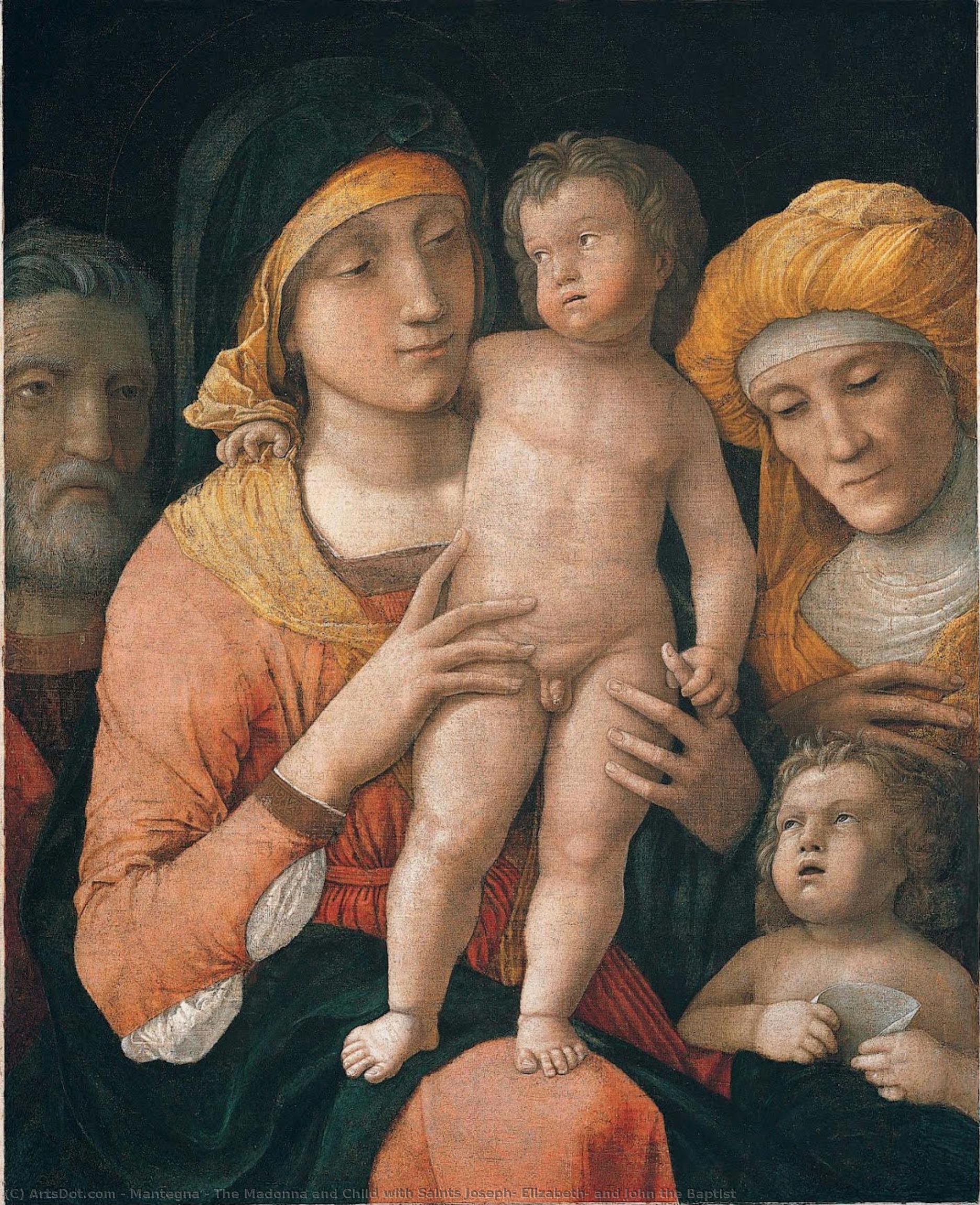
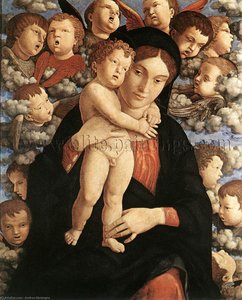
The Madonna and Child with Saints Joseph, Elizabeth, and John the Baptist
 キャンバスにアクリル絵具
- ウォールアート
- Renaissance Classicism
 1485
1485- ルネサンス
 62.0 x 51.0 cm
 Kimbell Art Museum
 詳細を見る
詳細を見る
オンラインプレビューをはるかに凌ぐ、高解像度で鮮明なデジタル画像をご購入いただけます。
各ファイルは、社内の専門家が高度なツールと熟練した手作業によるレタッチを用いて、細心の注意を払って準備されています。すべての画像において、卓越した鮮明度、正確な色彩再現性、そして繊細なディテールを保証いたします。
最終ファイルは、プロフェッショナルな編集・印刷環境ですぐにご利用いただけるよう最適化された状態で、72時間以内にメールにてお届けいたします。これは、一流のデザインスタジオ、出版社、ギャラリーから信頼されているものと同等の品質です。
デジタル画像のご注文に付随する特典
高品質なデジタル画像配信を、確かな品質で。
ArtsDot.com を選ぶことは、単に画像を手に入れることではありません。それは、プロの手によって精密に仕上げられ、満足保証が付いた高品質なデジタルアートワークを受け取ることを意味します。ご注文いただいた際に自動的に付随する内容は、以下の通りです:

メールですぐにお届け
ご注文から72時間以内に、高解像度のデジタル画像ファイルがメールでお手元に届きます。すぐにそのままご利用いただけます。

AI技術で最適化されたデジタルファイル
お客様の作品は、高度なAIツールと専門家による手作業の編集を組み合わせてプロフェッショナルに最適化されており、細部のディテール、鮮明さ、そして正確な色再現性を最大限に引き出しています。

一生涯無料の再送サービス
ファイルを誤って削除したり、紛失してしまったりしましたか?ご安心ください。いつでも無料で再送いたします。

輸入手数料は一切かかりません
関税や手数料、配送料を気にすることなく、お気に入りのアートワークをすぐにお楽しみいただけます。デジタルダウンロードは常に免税です。

色彩再現の保証
プロ仕様のツールとカラーマネジメント技術を用いることで、デジタル画像が元の色を最大限に忠実に再現することを保証いたします。

60日間満足保証
ご購入いただいたデジタル画像にご満足いただけない場合は、60日以内であれば、修正または100%の返金(理由を問う必要はありません)をさせていただきます。

100% 返金保証
ご満足いただけない場合は、デジタルファイルを受け取ってから60日以内であれば、理由を問わず全額返金いたします。

まとめ買い割引
3枚購入で10%OFF - 5枚購入で15%OFF - 10枚以上購入で20%OFF。クリエイティブなプロジェクト、ギャラリー、エージェンシーに最適です。
Andrea Mantegna: A Pioneer of Renaissance Spatial Illusion
Andrea Mantegna (1431 – 1506) stands as one of the most influential artists of the Early Renaissance, a figure whose unwavering dedication to classical ideals and groundbreaking artistic innovations cemented his place in art history. Born near Padua, Italy, Mantegna’s formative years were steeped in humanist scholarship—particularly at the University of Padua—which instilled within him an enduring fascination for antiquity and profoundly shaped his artistic vision. Unlike many of his contemporaries who embraced Mannerism's stylized distortions, Mantegna pursued a path of meticulous observation and intellectual rigor, resulting in paintings that possess an unparalleled sense of realism and psychological depth.- Early Influences: His formative training under Francesco Squarcione exposed him to the sculptural grandeur of Roman antiquities—a pivotal encounter that would define his artistic sensibilities. Squarcione’s workshop prioritized studying classical sculptures rather than traditional painting methods, fostering Mantegna's mastery of perspective and anatomical accuracy.
- The Gonzaga Patronage: Mantegna’s career ascended rapidly thanks to the patronage of Federico Gonzaga III, Duke of Mantua—a relationship that afforded him unparalleled access to resources and enabled him to undertake ambitious projects, most notably the “Camera Picta,” or Painted Room, within the Ducal Palace. This monumental fresco cycle exemplifies Mantegna's artistic prowess and solidified his reputation as a visionary artist.
The Camera Picta: Spatial Mastery and Illusionistic Technique
The Camera Picta remains arguably Mantegna’s crowning achievement—a breathtaking testament to his mastery of *trompe-l'oeil*, or illusionistic technique. Commissioned in 1490, the room’s walls depict scenes from Virgil’s Aeneid and Roman mythology, rendered with astonishing precision and depth. Mantegna achieved this remarkable effect by employing a complex system of converging lines and vanishing points—a radical departure from prevailing artistic conventions—creating an immersive experience for viewers that convincingly simulates three-dimensional space. The room's walls appear to recede into the distance, blurring the boundaries between reality and representation, mirroring Mantegna’s belief in the power of art to engage the intellect and evoke emotion.Style and Technique: Distemper and Anatomical Precision
Mantegna’s distinctive style is characterized by its unwavering commitment to anatomical accuracy—a hallmark of Renaissance humanist thought—and a refined use of *distemper*, or glue tempera, as his preferred medium. Unlike oil paint, which requires prolonged drying times and offers greater flexibility in blending colors, distemper allows for exceptional detail and luminosity, particularly when applied thinly over linen canvas. This technique demanded painstaking preparation and meticulous execution, reflecting Mantegna’s dedication to achieving the highest standards of artistic craftsmanship. The artist's ability to render skin with remarkable realism—evident in portraits like *Saint Sebastian*—demonstrates his profound understanding of human anatomy and contributes significantly to the emotional impact of his paintings.Symbolism and Emotional Resonance
Mantegna’s artworks transcend mere visual representation; they convey complex symbolic meanings rooted in classical mythology and Christian theology. Recurring motifs such as doves, serpents, and laurel wreaths—symbols of peace, wisdom, and victory—underscore the artist's engagement with humanist ideals and spiritual contemplation. Furthermore, Mantegna skillfully manipulates light and shadow to heighten emotional intensity—creating dramatic contrasts that illuminate key figures and narratives. The Madonna and Child paintings, for example, embody maternal tenderness and divine grace, capturing the profound beauty of human experience within a framework of religious symbolism.Legacy and Enduring Influence
Andrea Mantegna’s legacy extends far beyond his own lifetime—his innovative techniques and artistic vision continue to inspire artists today. His pioneering use of perspective and illusionistic space profoundly influenced subsequent generations of painters, shaping the trajectory of Renaissance art and establishing him as a cornerstone of Western artistic tradition. The Kimbell Art Museum's Madonna and Child with Saints exemplifies Mantegna’s enduring influence—a masterpiece that embodies the humanist spirit of its era and remains a testament to the transformative power of artistic genius.関連作品


作家の略歴
マンテッナ、古代の精神を呼び覚ますルネサンスの巨匠
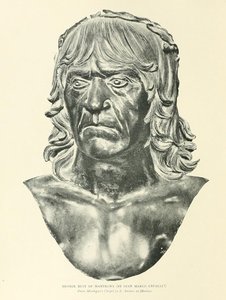
アンドレア・マンテッナは、1431年頃にイタリアのイゾラ・ディ・カルトゥーロで生まれ、1506年にマントヴァで生涯を閉じた、初期から盛期ルネサンスにかけて活躍した画家です。彼の芸術的探求は単なる古典様式の模倣ではなく、古代ローマの精神をよみがえらせようとする情熱的な試みでした。マンテッナは同時代の多くの画家とは異なり、古典モデルに触発されるだけでなく、考古学的な正確さへの並外れた執着心を持っていました。このこだわりは、フランチェスコ・スクヴァーチョーネのもとで過ごした幼少期に由来します。スクヴァーチョーネは画家であり収集家であり、彼の工房は伝統的なアトリエというよりも、ローマの廃墟、彫刻、碑文の研究に捧げられたアカデミーのようなものでした。マンテッナの芸術的ビジョンは、失われた帝国の断片に囲まれたこの場所で形作られ、彫刻的な形態、劇的な遠近法、そして細部へのほぼ強迫的な注意を特徴とするビジョンでした。ゴンザーガ家の庇護と現実の幻想
マンテッナのキャリアは、1488年にマントヴァのゴンザーガ家に入職したことで真に開花しました。この後援は、彼に比類のない芸術的自由と、彼の最も野心的なプロジェクトを実現するためのプラットフォームを提供しました。ゴンザーガ家は単なるパトロンではなく、芸術的革新の限界を押し広げる作品を委嘱する共同制作者でした。この時期に、マンテッナは間違いなく彼の傑作である、パラッツォ・ドゥカーレにある「スペーリの部屋」(Bridal Chamber)のフレスコ画を作成しました。この画期的な作品は単なる装飾を超え、建築と絵画をシームレスに統合し、空間の拡張された感覚を作り出す完全な幻想的な環境です。フレスコ画には、ゴンザーガ家の生活を描いた場面、驚くほどリアルで魅力的な肖像画、そして開かれた空を思わせる息を呑むような「見下ろし」(sotto in sù)天井パネルが描かれています。この遠近法の巧妙な操作は単なる技術的なスキルではなく、部屋の中に世界を作り出し、現実と表現の境界線を曖昧にするものでした。スペーリの部屋以外にも、マンテッナはゴンザーガ家の宮廷のために並外れた品質の作品を制作し続け、「カエサルの勝利」という壮大なシリーズもその一つです。これらの絵画は古代ローマの勝利行進に触発されたものであり、単なる歴史的描写ではなく、ゴンザーガ家の権力と威厳を称える壮大な寓話です。遠近法と解剖学的精密さの巨匠
マンテッナの芸術的革新は、幻想的な環境を超えたところにまで及びます。彼は遠近法の使用において先駆者であり、劇的な効果を生み出すために従来のメソッドとは異なる技術をしばしば採用しました。頻繁に地平線を調整し、重厚感と圧倒的なスケール感を醸し出していました。このテクニックは、彼の解剖学的詳細への細心の注意と組み合わさることで、彼の人物に比類のない存在感と重量感を与えました。彼は単に人体を表現するだけでなく、その筋肉を解剖し、その構造をその時代としては画期的な精度でレンダリングしました。「トロンプ・ルイユ」(目の欺瞞)の習得は、この効果をさらに高め、絵画と現実の境界線を曖昧にしました。この解剖学的正確さへの献身は単なる技術的なスキルではなく、古典彫刻との深い関わり合いと、古代の理想化された形態を模倣したいという願望を反映したものでした。彼は人体の本質的な尊厳と力を捉えることを目指していました。彼の後世の芸術家たち、ラファエロやミケランジェロへの影響は否定できません。なぜなら彼らは、遠近法、解剖学、構成におけるマンテッナの基盤の上に構築したからです。遺産と永続的な影響
アンドレア・マンテッナは1506年にマントヴァで亡くなり、今日でも芸術史家や愛好家の間で高く評価されている遺産を残しました。彼の作品はルネサンス美術の歴史における重要な転換点であり、初期ルネサンスと盛期ルネサンス様式との間のギャップを埋めています。彼は単なる古典様式の模倣者ではなく、古代モチーフや技術を採用して、完全に新しい独自のものを生み出しました。彼の細部への綿密な注意、遠近法の習得、そして古代に対する深い関わりは、彼をその時代の主要な芸術家の一人として確立しました。マンテッナの古典的テーマの探求は、古代美術と文化への関心を高め、盛期ルネサンスの芸術的成果への道を開きました。彼の影響は、ラファエロの優雅な構成からミケランジェラの力強い人物まで、後を追う数多くの芸術家の作品に見られます。今日、彼の絵画は世界中の主要な美術館に収蔵されており、今もなお畏敬の念と賞賛を呼び起こしています。- 彼の革新的な遠近法の使用法は、現在でも芸術家や美術史家によって研究されています。
- 彼の解剖学的精度は、現実的な表現のベンチマークとなっています。
- 彼の古典的テーマへの献身は、ルネサンス美術の流れを形作りました。
マンテーニャ
1431 - 1506 , イタリア
プロフィール概要
- フルネーム: アンドレア・マンテッナ
- 主な作品:
- サン・ゼノ祭壇画
- 嘆きの場面
- カメラ・デッリ・スポージ
- 出生地: イタリア、イソラ・ディ・カルトゥーロ
- 国籍: イタリア
- 影響を与えた芸術家:
- ラファエロ
- ミケランジェロ
- 影響を受けた芸術家:
- フラアンチェスコ・スクヴァーチョーネ
- ヤコポ・ベリーニ
- 死亡日: 1506年9月13日
- 生年月日: 1431年頃
- 芸術運動: 初期ルネサンス

