

 プレビュー
プレビュー
 シェアする
シェアする シェアする
シェアする
 詳細を見る
詳細を見る

 ダウンロード
 似ている作品
 X線調査
X線調査 スライドショー
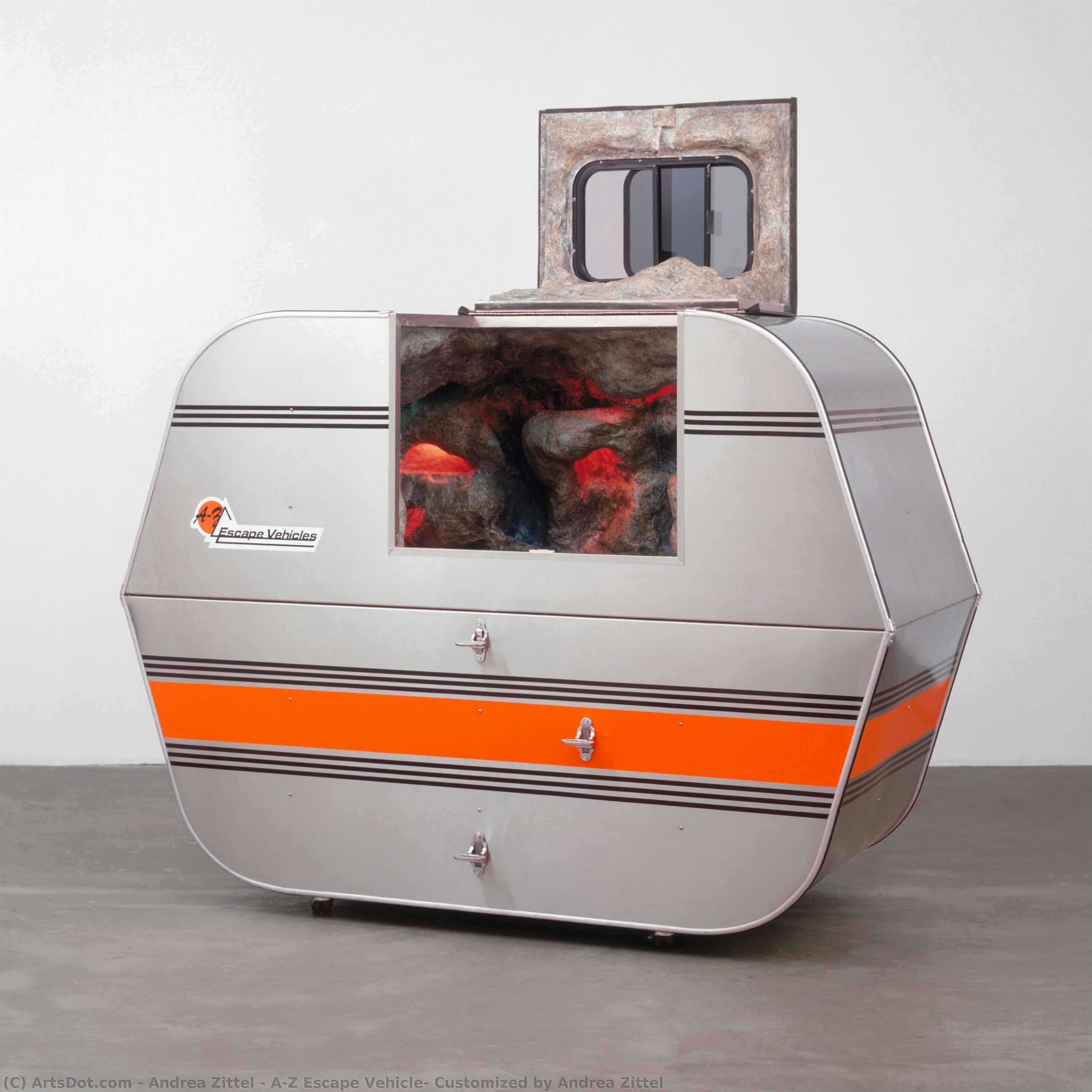
A-Z Escape Vehicle: Customized by Andrea Zittel
 Acrylic On Canvas
- WallArt
- Minimalist Sculpture
 1996
1996 213.0 x 157.0 cm
 MoMA(ニューヨーク近代美術館)
 詳細を見る
詳細を見る
ジークレー/アートプリント
迅速な制作と多彩な仕上げオプションを備えた、ミュージアムクオリティのジークレーまたはキャンバスプリント。 ( 手描きの絵画を購入 画像を購入)




P118B $10

P118H $10

P118W $10

P438Z $10

P508JH $12

P508YH $12

P805H $10

P805Z $10

P919BZ $10

P919G $10

P919XJ $10

P959ZH $10

P968JZ $12

W106C $8

W218G $10

W218JH $8

W218Y $10

W307PJ $10

W316G $10

W316PJ $8

W316Y $10

W398PJ $8

W4111J $10

W500HY $15

W500JH $15

W692G $12

W849H $8

W940BG $15

W953PJ $8




作品のオリジナル比率に合わせた、当店の規定サイズからお選びください。

特定のフレームやスペースに合わせて、ご自身でサイズを指定することも可能です。選択されたサイズが元の画像の比率と一致しない場合、作品をトリミングするか、鏡面反射または単色での塗りつぶしによって画像を拡張いたします。制作を開始する前に、ご確認用のデジタルモックアップをお送りいたします。
画面上のプレビューには、実際のトリミングや拡張は反映されませんのでご注意ください。最終的な構図を正確に確認できるのは、モックアップのみとなります。
カスタムサイズも承っておりますが、元の比率を維持するためには、あらかじめ用意されたリストからサイズを選択することをお勧めいたします。


 ガラスオプションは、110cm未満のサイズでのみご利用いただけます。

A-Z Escape Vehicle: Customized by Andrea Zittel
ジークレー/アートプリント
複製画のサイズ
-


合計金額
$ 62
作品詳細説明
A Deep Dive Into Andrea Zittel’s “A-Z Escape Vehicle”
Andrea Zittel's "A-Z Escape Vehicle," created in 1996, isn’t merely a sculpture; it’s an embodiment of minimalist philosophy and a profound meditation on the human condition. Constructed from steel, insulation, wood, and glass—a deceptively simple combination—the vehicle transcends its material form to become a powerful statement about inhabiting space and redefining notions of domesticity. Zittel herself meticulously crafted this piece, reflecting her core belief that art should actively reshape our daily experiences, pushing us beyond conventional perceptions of comfort and functionality.The Genesis of Minimalism
Zittel’s artistic trajectory began with an unwavering fascination for the intersection between art and everyday life—a deliberate rejection of gallery conventions in favor of transforming utilitarian objects into immersive artworks. This ethos is powerfully exemplified by “wagon station,” a mobile living unit designed to challenge established architectural paradigms. Like many of Zittel's projects, "A-Z Escape Vehicle" operates on the principle that true liberation resides not in boundless freedom but rather in accepting limitations—a carefully curated environment where every element contributes to a heightened awareness of presence and intention. The artist’s manifesto encapsulates this perspective: “What makes us feel liberated is not total freedom, but rather living in a set of limitations that we have created and prescribed for ourselves.”Form Meets Function: A Sculptural Exploration
The vehicle's exterior shell—a robust steel frame insulated with wood—provides structural integrity while simultaneously hinting at the protective qualities of shelter. Inside, Zittel incorporated colored lights, water, fiberglass, wood, papier-mâché, pebbles and paint – elements that deliberately disrupt traditional aesthetic expectations. These materials aren’t simply decorative; they serve as conduits for sensory experience, inviting contemplation on how we perceive our surroundings and how these perceptions shape our inner lives. The deliberate inclusion of a chair—positioned centrally within the space—further underscores Zittel's exploration of domestic rituals and the significance of creating intentional environments.Symbolism Within Simplicity
Beyond its practical dimensions, “A-Z Escape Vehicle” carries symbolic weight. The vehicle’s name itself – "A–Z" – is a playful juxtaposition of inclusivity and initials—a nod to Zittel's belief that art can foster connection and expand our understanding of selfhood. Furthermore, the artwork speaks to broader themes of social responsibility and reimagining established roles within society. As Zittel herself noted, “What I’m interested in…is that each person examines his own goals, talents and options, and then based on these begins to invent new models or roles to fulfill his needs.” The vehicle's stark materiality—the cold steel juxtaposed against the warmth of wood—represents a conscious confrontation with the rigidity of architectural norms.A Legacy of Thoughtful Design
“A-Z Escape Vehicle” stands as a testament to Zittel’s pioneering approach to art and design—a fusion of minimalist aesthetics, sustainable practices, and social engagement. Published in 2019 by MoMA Highlights: 375 Works from The Museum of Modern Art, New York, the piece exemplifies Zittel's commitment to transforming everyday objects into vehicles for intellectual exploration. Its enduring appeal lies not only in its visual elegance but also in its invitation to reconsider fundamental questions about how we inhabit space and what imbues life with meaning—a legacy that continues to inspire artists and designers alike.関連作品

関連記事

Bronze Sculptures That Defined Art History | ArtsDot
Journey through art history with our Top 10 bronze sculptures! Explore masterpieces by Rodin, Michelangelo & more. Discover stories behind iconic statues and find museum-quality reproductions for your home decor at ArtsDot.com.
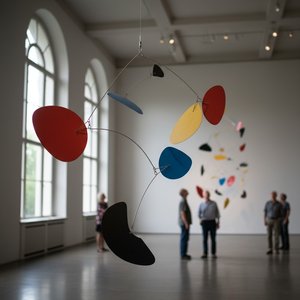
Alexander Calder: Kinetic Sculpture, Mobile Art & the Poetics of Chance
Explore the revolutionary world of Alexander Calder's kinetic sculptures & mobiles. Discover insights for collectors, acquisition advice, and the enduring legacy of this modern master. Expert analysis & art valuation.

The Enduring Form: Exploring Themes & Techniques in Sculpture Across Historical Periods
Explore the rich history of sculpture from ancient masterpieces to contemporary innovations. Discover key techniques, influential artists & investment potential for discerning art collectors.

Bronze Age to Modern Masters: 10 Sculptures That Redefined Art | ArtsDot
Journey through art history with 10 legendary bronze sculptures – from Michelangelo's David to Rodin’s Thinker. Explore the stories, techniques & timeless beauty of these masterpieces. Find museum-quality reproductions & elevate your home decor on ArtsDot.com.
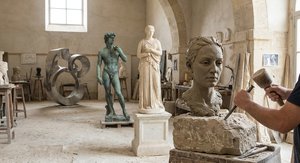
The Enduring Form: Sculpture Across History, Technique & Emotional Resonance
Explore the rich history of sculpture with ArtsDot. Discover key techniques, influential artists & investment potential for discerning collectors. Expert insights into valuing and collecting timeless masterpieces.

