

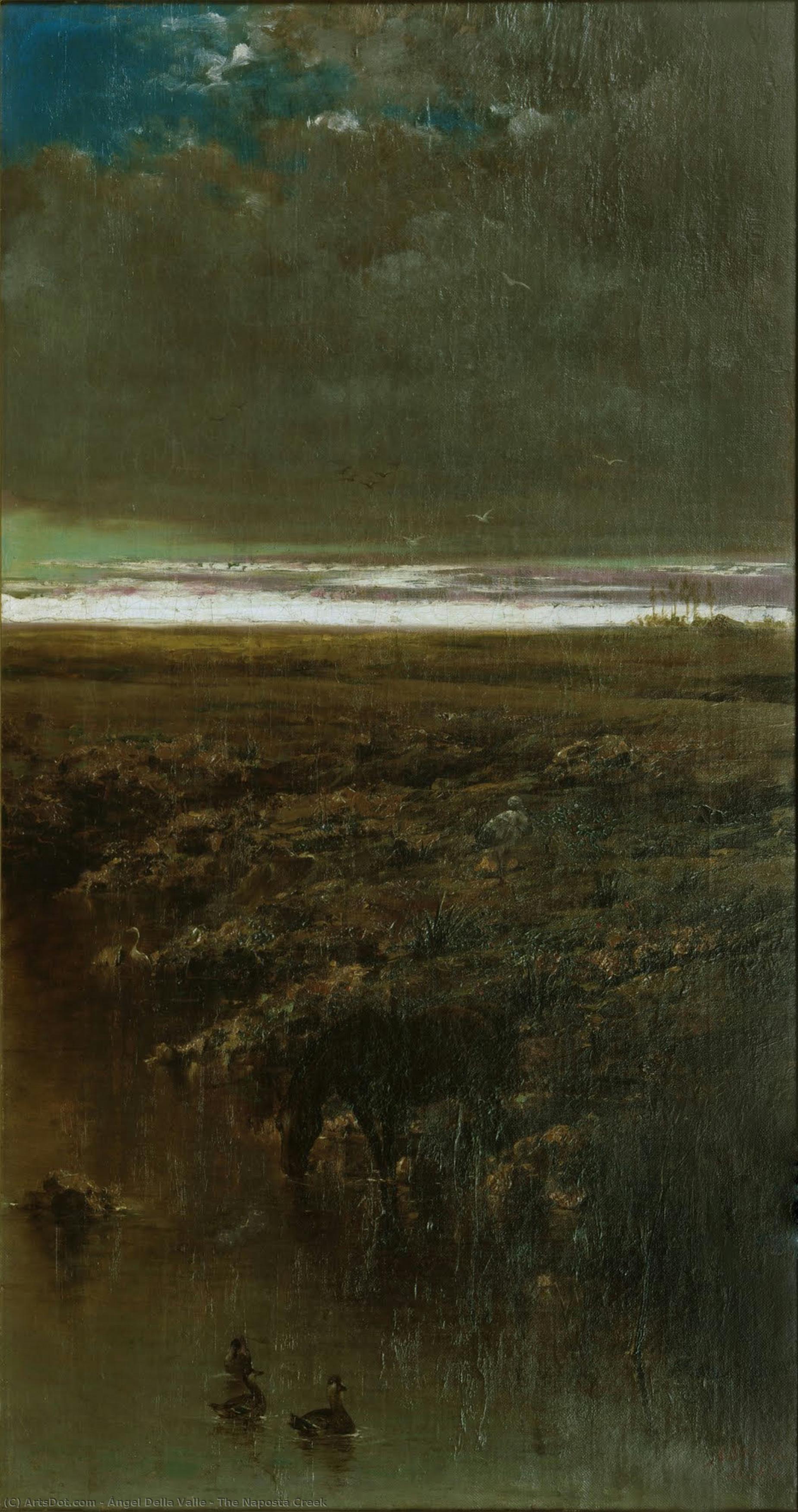
 プレビュー
プレビュー
 シェアする
シェアする シェアする
シェアする
 詳細を見る
詳細を見る

 ダウンロード
 似ている作品
 X線調査
X線調査 スライドショー
 Stats
StatsThe Napostá Creek


 詳細を見る
詳細を見る
オンラインプレビューをはるかに凌ぐ、高解像度で鮮明なデジタル画像をご購入いただけます。
各ファイルは、社内の専門家が高度なツールと熟練した手作業によるレタッチを用いて、細心の注意を払って準備されています。すべての画像において、卓越した鮮明度、正確な色彩再現性、そして繊細なディテールを保証いたします。
最終ファイルは、プロフェッショナルな編集・印刷環境ですぐにご利用いただけるよう最適化された状態で、72時間以内にメールにてお届けいたします。これは、一流のデザインスタジオ、出版社、ギャラリーから信頼されているものと同等の品質です。
デジタルアート
個人での鑑賞、印刷、クリエイティブなプロジェクト用に、高解像度ファイルをダウンロードできます。 ( Switch to Print 手描きの絵画を購入)
デジタル画像のご注文に付随する特典
高品質なデジタル画像配信を、確かな品質で。
ArtsDot.com を選ぶことは、単に画像を手に入れることではありません。それは、プロの手によって精密に仕上げられ、満足保証が付いた高品質なデジタルアートワークを受け取ることを意味します。ご注文いただいた際に自動的に付随する内容は、以下の通りです:

メールですぐにお届け
ご注文から72時間以内に、高解像度のデジタル画像ファイルがメールでお手元に届きます。すぐにそのままご利用いただけます。

AI技術で最適化されたデジタルファイル
お客様の作品は、高度なAIツールと専門家による手作業の編集を組み合わせてプロフェッショナルに最適化されており、細部のディテール、鮮明さ、そして正確な色再現性を最大限に引き出しています。

一生涯無料の再送サービス
ファイルを誤って削除したり、紛失してしまったりしましたか?ご安心ください。いつでも無料で再送いたします。

輸入手数料は一切かかりません
関税や手数料、配送料を気にすることなく、お気に入りのアートワークをすぐにお楽しみいただけます。デジタルダウンロードは常に免税です。

色彩再現の保証
プロ仕様のツールとカラーマネジメント技術を用いることで、デジタル画像が元の色を最大限に忠実に再現することを保証いたします。

100日間満足保証
ご購入いただいたデジタル画像にご満足いただけない場合は、100日以内であれば、理由を問わず修正または100%の返金対応をさせていただきます。

100% 返金保証
ご満足いただけない場合は、デジタルファイルを受け取ってから100日以内であれば、理由を問わず全額返金いたします。

まとめ買い割引
3枚購入で10%OFF - 5枚購入で15%OFF - 10枚以上購入で20%OFF。クリエイティブなプロジェクト、ギャラリー、エージェンシーに最適です。
関連作品

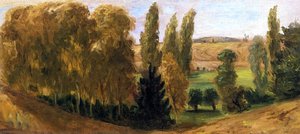
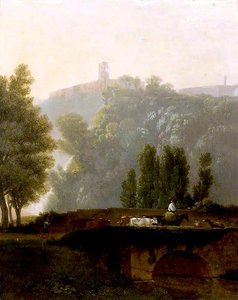
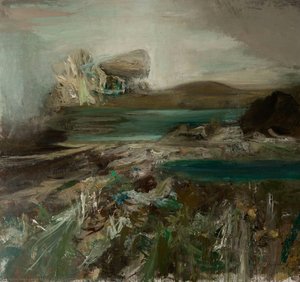
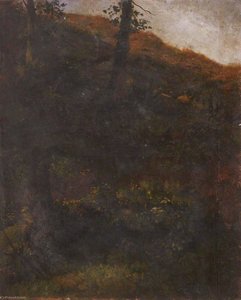
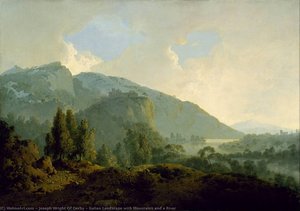
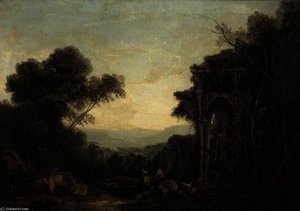
作家の略歴
Constantino Brumidi: The Architect of American Grandeur
Born in Rome in 1852, Constantino Brumidi’s arrival in the United States marked the beginning of a remarkable career that would forever shape the visual landscape of the nation's Capitol building. Initially an unknown artist, he quickly established himself as a master craftsman and visionary designer, imbuing the heart of American democracy with a distinctly European aesthetic. His journey began in 1852, a pivotal year for art – a year marked by significant exhibitions like the Royal Academy’s show in London and the inauguration of the Hermitage Museum in St. Petersburg – and it set the stage for a legacy that continues to inspire awe today.
Brumidi's early life in Rome instilled within him a deep appreciation for classical art and architecture, elements he would later translate into his work at the Capitol. He honed his skills as a decorative painter, working on projects throughout Italy before immigrating to America with his family in 1876. His initial years were spent assisting other artists, gaining invaluable experience and absorbing the techniques of American artistic styles. However, it was his appointment as the Artist of the Capitol in 1880 that truly cemented his place in history. This role afforded him unprecedented creative freedom, allowing him to transform vast, largely unadorned spaces into breathtaking murals depicting pivotal moments in American history.
The Architect of the Capitol: A Master of Mural Decoration
Brumidi’s work at the Capitol is characterized by a masterful blend of historical accuracy, dramatic storytelling, and opulent detail. He wasn't simply painting scenes; he was constructing narratives – grand allegorical representations of American ideals, exploration, and expansion. His most famous murals, including “The Spirit of Compromise,” “The Apotheosis of Washington,” and “The Pan-American War,” are testaments to his skill and ambition. These colossal works, executed primarily between 1880 and 1907, dominate the Rotunda’s interior, creating an immersive experience for visitors.
His artistic approach was deeply rooted in Italian Renaissance traditions, evident in the rich colors, dynamic compositions, and meticulous attention to detail. He drew inspiration from classical mythology and religious iconography, skillfully weaving these elements into scenes of American history. Notably, Brumidi’s work wasn't confined to grand allegories; he also undertook numerous smaller decorative projects throughout the Capitol building, including intricate plasterwork, gilded details, and painted ceilings – all contributing to the building’s overall grandeur.
Influences and Artistic Style
Brumidi’s artistic style was a synthesis of several influences. The realism prevalent in 1850s art movements, as seen in works like those by Christian Krohg and Edwin Austin Abbey, informed his commitment to depicting historical events with accuracy and detail. The influence of the Italian Renaissance is undeniable, particularly in his use of color, perspective, and dramatic lighting. Furthermore, he was deeply influenced by the Beaux-Arts style that dominated American architecture at the time, a style characterized by symmetry, ornamentation, and a focus on grandeur.
His work also reflects a fascination with mythology and symbolism. He frequently employed allegorical figures – representing virtues like Justice, Wisdom, and Courage – to convey complex ideas about American values and ideals. The meticulous research he undertook for each mural ensured that the historical context was both accurate and compelling, solidifying his reputation as a serious and dedicated artist.
Legacy and Historical Significance
Constantino Brumidi’s contribution to the United States Capitol is immeasurable. He transformed a largely unremarkable building into a symbol of American democracy and artistic achievement. His murals continue to captivate visitors with their scale, beauty, and historical significance. His work stands as a powerful reminder of the importance of art in shaping national identity and preserving history.
Beyond his contributions to the Capitol, Brumidi’s legacy extends to the broader American art scene. He demonstrated that European artistic traditions could thrive in America, enriching the nation's cultural landscape. His dedication to craftsmanship and his ability to seamlessly blend historical accuracy with dramatic storytelling have made him one of the most celebrated artists in American history. Even today, his murals continue to inspire awe and remind us of the enduring power of art to illuminate our past and shape our future.
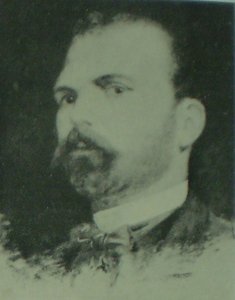
ángel della valle
1852 - 1903 , Argentina
プロフィール概要
- Artistic Movement Or Style: Naturalist painter
- Artists Or Movements Influenced By This Artist:
- Anna Ancher
- Michael Ancher
- Artists Who Influenced This Artist:
- Hans Gude
- Frits Thaulow
- Date Of Birth: 1852-08-13
- Date Of Death: 1925-10-16
- Full Name: Christian Krohg
- Nationality: Norwegian
- Notable Artworks:
- Harem
- The Natural Bridge
- Hafiz at the Fountain
- Place Of Birth: Vestre Aker, Norway