

 プレビュー
プレビュー
 シェアする
シェアする シェアする
シェアする
 詳細を見る
詳細を見る

 ダウンロード
 似ている作品
 X線調査
X線調査 スライドショー
 Stats
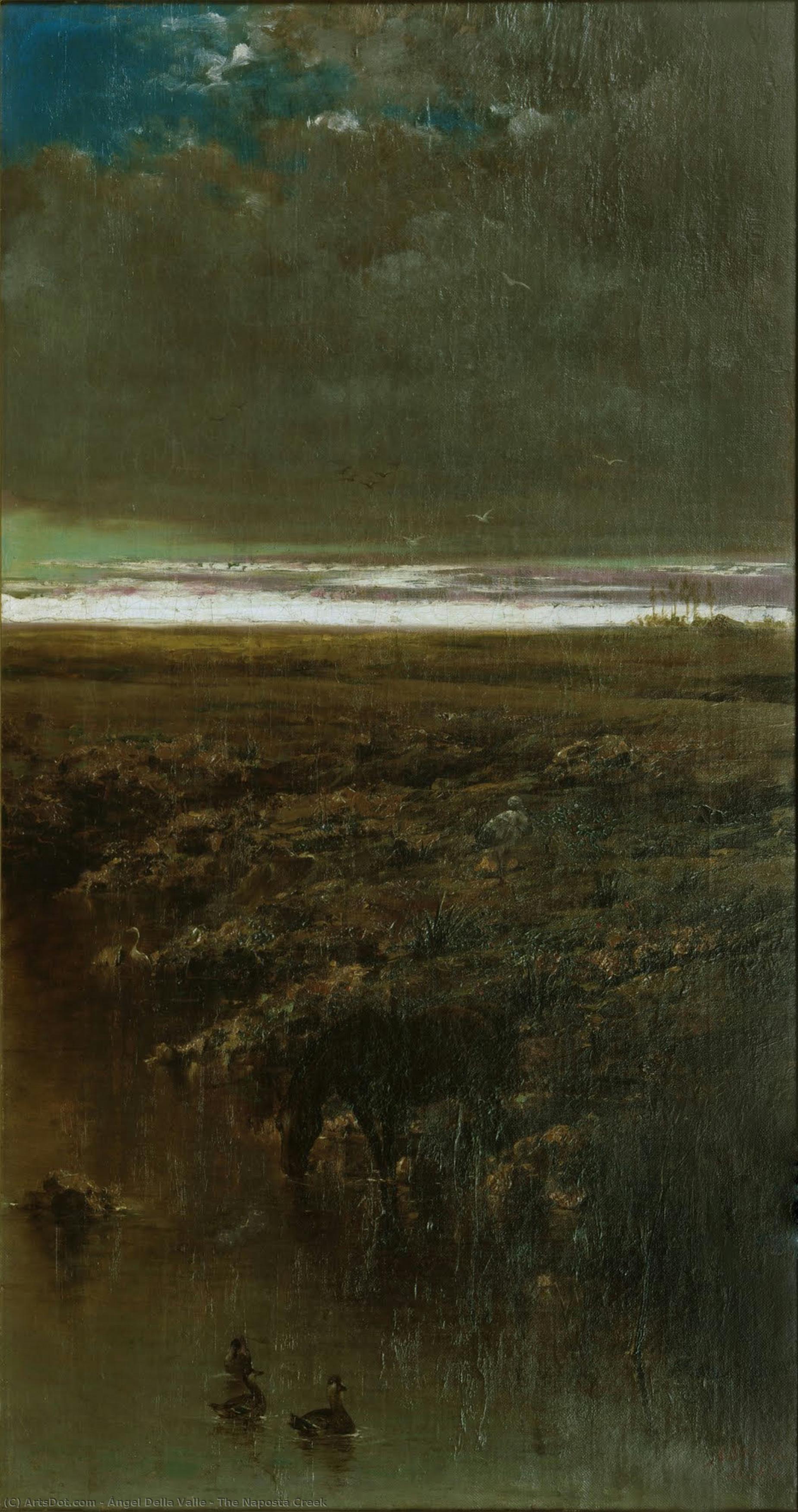
StatsThe Napostá Creek


 詳細を見る
詳細を見る
ジークレー/アートプリント
迅速な制作と多彩な仕上げオプションを備えた、ミュージアムクオリティのジークレーまたはキャンバスプリント。 ( 手描きの絵画を購入 Switch to Digital Image)




































作品のオリジナル比率に合わせた、当店の規定サイズからお選びください。

特定のフレームやスペースに合わせて、ご自身でサイズを指定することも可能です。選択されたサイズが元の画像の比率と一致しない場合、作品をトリミングするか、鏡面反射または単色での塗りつぶしによって画像を拡張いたします。制作を開始する前に、ご確認用のデジタルモックアップをお送りいたします。
画面上のプレビューには、実際のトリミングや拡張は反映されませんのでご注意ください。最終的な構図を正確に確認できるのは、モックアップのみとなります。
カスタムサイズも承っておりますが、元の比率を維持するためには、あらかじめ用意されたリストからサイズを選択することをお勧めいたします。


 ガラスオプションは、110cm未満のサイズでのみご利用いただけます。

The Napostá Creek
ジークレー/アートプリント
複製画のサイズ
-


合計金額
$ 62
関連作品

アーティストの略歴
Constantino Brumidi: The Architect of American Grandeur
Born in Rome in 1852, Constantino Brumidi’s arrival in the United States marked the beginning of a remarkable career that would forever shape the visual landscape of the nation's Capitol building. Initially an unknown artist, he quickly established himself as a master craftsman and visionary designer, imbuing the heart of American democracy with a distinctly European aesthetic. His journey began in 1852, a pivotal year for art – a year marked by significant exhibitions like the Royal Academy’s show in London and the inauguration of the Hermitage Museum in St. Petersburg – and it set the stage for a legacy that continues to inspire awe today.
Brumidi's early life in Rome instilled within him a deep appreciation for classical art and architecture, elements he would later translate into his work at the Capitol. He honed his skills as a decorative painter, working on projects throughout Italy before immigrating to America with his family in 1876. His initial years were spent assisting other artists, gaining invaluable experience and absorbing the techniques of American artistic styles. However, it was his appointment as the Artist of the Capitol in 1880 that truly cemented his place in history. This role afforded him unprecedented creative freedom, allowing him to transform vast, largely unadorned spaces into breathtaking murals depicting pivotal moments in American history.
The Architect of the Capitol: A Master of Mural Decoration
Brumidi’s work at the Capitol is characterized by a masterful blend of historical accuracy, dramatic storytelling, and opulent detail. He wasn't simply painting scenes; he was constructing narratives – grand allegorical representations of American ideals, exploration, and expansion. His most famous murals, including “The Spirit of Compromise,” “The Apotheosis of Washington,” and “The Pan-American War,” are testaments to his skill and ambition. These colossal works, executed primarily between 1880 and 1907, dominate the Rotunda’s interior, creating an immersive experience for visitors.
His artistic approach was deeply rooted in Italian Renaissance traditions, evident in the rich colors, dynamic compositions, and meticulous attention to detail. He drew inspiration from classical mythology and religious iconography, skillfully weaving these elements into scenes of American history. Notably, Brumidi’s work wasn't confined to grand allegories; he also undertook numerous smaller decorative projects throughout the Capitol building, including intricate plasterwork, gilded details, and painted ceilings – all contributing to the building’s overall grandeur.
Influences and Artistic Style
Brumidi’s artistic style was a synthesis of several influences. The realism prevalent in 1850s art movements, as seen in works like those by Christian Krohg and Edwin Austin Abbey, informed his commitment to depicting historical events with accuracy and detail. The influence of the Italian Renaissance is undeniable, particularly in his use of color, perspective, and dramatic lighting. Furthermore, he was deeply influenced by the Beaux-Arts style that dominated American architecture at the time, a style characterized by symmetry, ornamentation, and a focus on grandeur.
His work also reflects a fascination with mythology and symbolism. He frequently employed allegorical figures – representing virtues like Justice, Wisdom, and Courage – to convey complex ideas about American values and ideals. The meticulous research he undertook for each mural ensured that the historical context was both accurate and compelling, solidifying his reputation as a serious and dedicated artist.
Legacy and Historical Significance
Constantino Brumidi’s contribution to the United States Capitol is immeasurable. He transformed a largely unremarkable building into a symbol of American democracy and artistic achievement. His murals continue to captivate visitors with their scale, beauty, and historical significance. His work stands as a powerful reminder of the importance of art in shaping national identity and preserving history.
Beyond his contributions to the Capitol, Brumidi’s legacy extends to the broader American art scene. He demonstrated that European artistic traditions could thrive in America, enriching the nation's cultural landscape. His dedication to craftsmanship and his ability to seamlessly blend historical accuracy with dramatic storytelling have made him one of the most celebrated artists in American history. Even today, his murals continue to inspire awe and remind us of the enduring power of art to illuminate our past and shape our future.
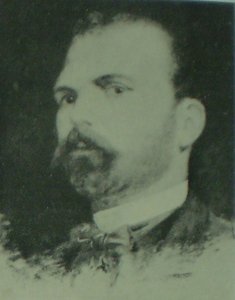
ángel della valle
1852 - 1903 , Argentina
基本情報
- Artistic Movement Or Style: Naturalist painter
- Artists Or Movements Influenced By This Artist:
- Anna Ancher
- Michael Ancher
- Artists Who Influenced This Artist:
- Hans Gude
- Frits Thaulow
- Date Of Birth: 1852-08-13
- Date Of Death: 1925-10-16
- Full Name: Christian Krohg
- Nationality: Norwegian
- Notable Artworks:
- Harem
- The Natural Bridge
- Hafiz at the Fountain
- Place Of Birth: Vestre Aker, Norway
関連記事

ロマン派ランドスケープ:時代を彩る巨匠の10選|アートとインテリアの世界
ロマン派絵画の時代を彩る10選。巨匠たちの風景が織りなす感動の世界へ。ターナー、ルーベンスなど、名作の裏話と高精細複製でアートをお部屋に。ArtsDot.comで至福のアート体験を。

Evocations of Place: A Historical Journey Through Landscape Art
Explore the rich history of landscape art with ArtsDot. Discover renowned artists, movements like Impressionism & tonalism, and expert guidance for collecting timeless pieces. Find your perfect serene escape today!
The Sublime and the Picturesque: Exploring Emotion & Nature in Romantic Landscape Painting
Explore the emotional power of Romantic landscape painting! Discover the sublime & picturesque traditions, key artists like Friedrich & Cole, and find your perfect artwork at ArtsDot.

Evocations of Place: A Historical Journey Through Landscape Art
Explore the rich history of landscape art with ArtsDot. Discover renowned artists, movements like Impressionism & Romanticism, and expert guidance for collecting timeless pieces. Find your perfect serene escape today!

ジョン・コンスタブルの傑作25選:英国風景画の巨匠が描く自然と光の詩 | ArtsDot
ジョン・コンスタブルの傑作25選。英国風景画の巨匠が描く自然と光の詩の世界へ。ロマン主義を代表する絵画、デダム・ヴェールやヘイ・ウェインなど、ArtsDotで高品質なアートプリントをお楽しみください。インテリアに深みと感動を。コレクションはこちら。