 プレビュー
プレビュー
 プリントを購入
 シェアする
シェアする シェアする
シェアする
 詳細を見る
詳細を見る

 ダウンロード
 似ている作品
 X線調査
X線調査 スライドショー
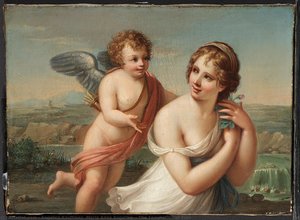
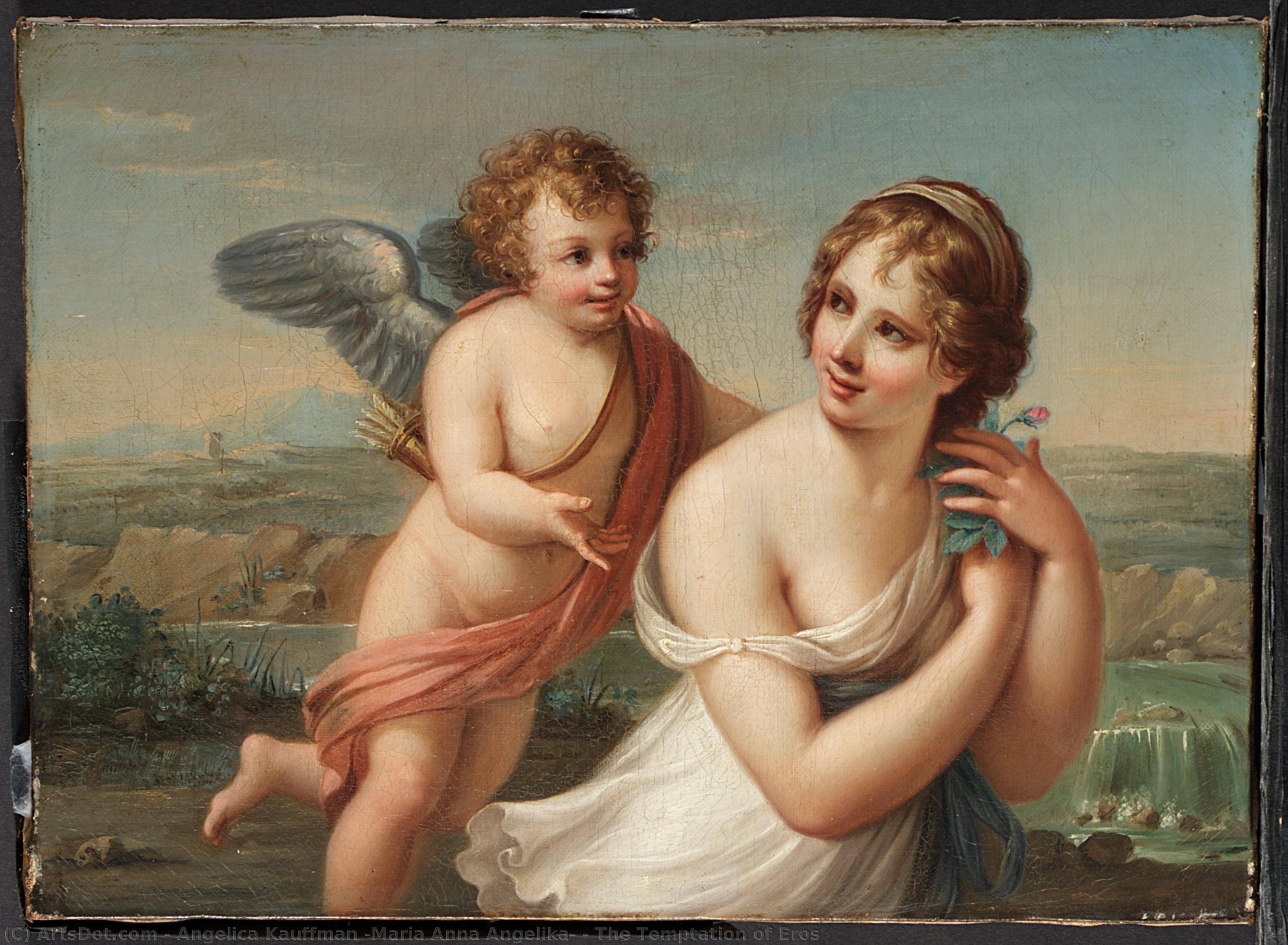
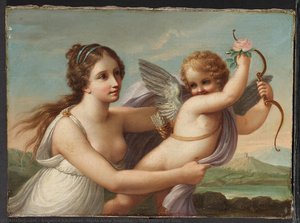
エロスへの誘い」
 キャンバスに油彩
- ウォールアート
- Neoclassical Rococo
 1750
1750 48.0 x 60.0 cm
 メトロポリタン美術館
 詳細を見る
詳細を見る




P118B $10

P118H $10

P118W $10

P438Z $10

P508JH $12

P508YH $12

P805H $10

P805Z $10

P919BZ $10

P919G $10

P919XJ $10

P959ZH $10

P968JZ $12

W106C $8

W218G $10

W218JH $8

W218Y $10

W307PJ $10

W316G $10

W316PJ $8

W316Y $10

W398PJ $8

W4111J $10

W500HY $15

W500JH $15

W692G $12

W849H $8

W940BG $15

W953PJ $8




作品のオリジナル比率に合わせた、当店の規定サイズからお選びください。

特定のフレームやスペースに合わせて、ご希望のサイズをご入力いただけます。選択されたサイズが元の画像の比率と異なる場合、アートワークをトリミングするか、手描きで要素を追加して絵画を拡張いたします。デジタルモックアップ を制作し、制作開始前にご確認(承認)をいただきます。
画面上のプレビューは、実際のトリミングや拡張を正確に反映しているものではありません。最終的な構図は、モックアップによってのみ正確にご確認いただけます。
カスタムサイズもご利用いただけますが、元の比率を維持するためには、あらかじめ用意されたリストからサイズを選択することをお勧めいたします。
ご注文後、ArtsDot.com チームより詳細な指示をお送りするとともに、仕上がりイメージ(モックアップ)をご提供いたします。


 ガラスオプションは、110cm未満のサイズでのみご利用いただけます。

エロスへの誘い」
複製技法
複製画のサイズ
-


合計金額
$ 288
アンジェリカ・カウフマンの「エロスへの誘惑」について
この絵画は、ロココまたはネオクラシック美術様式を特徴とする美しい油絵です。屋外に座る女性と天使が描かれ、現実的なスタイルで繊細な陰影と詳細な描写が施されています。バランスのとれた構図は、中心人物を背景に配置することで視覚的に印象的です。柔らかく拡散した照明は穏やかな雰囲気を作り出し、遠景への視線誘導効果があります。風景の背景には透視法が用いられ、奥行き感が表現されています。絵画の中心となるのは、愛と美しさというテーマであり、天使の存在によって神聖な力が暗示されています。女性が持つ花は純潔や愛情といった象徴的な意味を持つと考えられます。この絵画はカウフマンの卓越した技術と芸術的センスを反映しており、当時の美術界に大きな影響を与えました。- 画家:アンジェリカ・カウフマン(マリアナ・アングレリカ)
- 生誕年:不明
- 没年:現在生存中
- 生誕都市:不明
- 生誕国:スイス
関連作品
アーティストの略歴
A Luminary of the Enlightenment: The Life and Art of Angelica Kauffman
Angelica Kauffman, born Maria Anna Angelika in Chur, Switzerland on October 30, 1741, was a prodigious talent who rose to become one of the most celebrated artists of her time. Her journey defied societal expectations for women in the 18th century, establishing her as a respected figure within the male-dominated art world and a key player in the Neoclassical movement. Kauffman’s father, Johann Georg Kauffmann, was a modest but skilled itinerant painter who recognized his daughter's exceptional abilities early on. He provided her with initial training, fostering a passion that would quickly outstrip his own expertise. By the age of thirteen, Angelica was already receiving commissions for portraits and religious paintings, demonstrating an astonishing level of skill and maturity. Her early work reveals influences from Rococo painters like François Boucher, characterized by delicate brushwork, pastel palettes, and charming depictions of mythological scenes. However, her ambition extended beyond mere imitation; she sought a more rigorous academic foundation, traveling extensively throughout Italy to study the Old Masters – Raphael, Titian, and Correggio – absorbing their techniques and compositional principles. This period proved pivotal in shaping her distinctive style, moving away from the frivolousness of Rococo towards a greater emphasis on historical accuracy, classical form, and emotional depth.Rome, Royal Patronage, and the Birth of Neoclassicism
In 1754, Kauffman arrived in Rome, a city teeming with artistic energy and intellectual ferment. She quickly integrated into the vibrant community of artists, becoming acquainted with prominent figures like Johann Joachim Winckelmann, whose writings on classical art profoundly influenced her aesthetic sensibilities. Rome became her base for over fifteen years, during which she established an international reputation attracting commissions from nobility across Europe. Her talent caught the attention of Lady Wentworth, a wealthy English aristocrat who became her devoted patron and friend. Through Lady Wentworth’s connections, Kauffman gained access to influential circles in England, receiving prestigious commissions including portraits of prominent figures like Sir Joshua Reynolds and David Garrick. However, it was her historical paintings that truly distinguished her. Works such as *Hector Taking Leave of Andromache* (1758) showcased her mastery of dramatic composition, elegant figure painting, and a growing interest in classical themes – hallmarks of the emerging Neoclassical style. In 1763, she became one of only two female founding members of the Royal Academy of Arts in London, a testament to her exceptional skill and standing within the art world. This achievement was groundbreaking, challenging prevailing prejudices against women artists and paving the way for future generations. Her time in England, though successful, proved somewhat fraught with professional rivalry; some male artists resented her popularity and perceived her success as a threat.A Return to Italy and Continued Innovation
In 1766, Kauffman returned to Rome, where she continued to flourish as a sought-after artist. She married Antonio Zucchi, a Venetian painter who shared her passion for classical art and became a collaborative partner. This period saw a further refinement of her Neoclassical style, characterized by balanced compositions, clear narratives, and an emphasis on moral virtue. Her portraits from this era are particularly noteworthy, capturing not only the physical likenesses of her sitters but also their inner character and social standing. She skillfully blended portraiture with allegorical elements, imbuing her works with layers of meaning and symbolism. Kauffman’s studio became a hub for artists and intellectuals, attracting visitors from across Europe eager to witness her talent firsthand. She received commissions from prominent patrons including Pope Clement XIV and Catherine the Great, solidifying her reputation as one of the leading artists of the age. Her work for Catherine the Great included designing a series of paintings for the Hermitage Museum, showcasing scenes from classical literature and mythology. She also explored new mediums, creating designs for tapestries, furniture, and decorative arts, demonstrating her versatility and artistic range.Legacy and Historical Significance
Angelica Kauffman died in Rome on November 5, 1807, leaving behind a vast body of work that continues to captivate audiences today. Her influence extended beyond her own paintings; she played a crucial role in popularizing Neoclassical art and challenging conventional notions about the role of women in society. She proved that women could achieve artistic excellence on par with their male counterparts, inspiring generations of female artists to pursue their passions despite societal obstacles. Her success within the Royal Academy, though not without its challenges, opened doors for other women seeking recognition and professional opportunities. Kauffman’s paintings are characterized by a unique blend of elegance, intelligence, and emotional depth. She skillfully combined classical form with Rococo charm, creating works that were both visually appealing and intellectually stimulating. Her portraits offer valuable insights into the social and cultural life of 18th-century Europe, capturing the personalities and aspirations of her sitters. Her historical paintings are particularly significant for their emphasis on moral virtue and classical themes, reflecting the Enlightenment ideals of reason, order, and civic responsibility. Today, Kauffman is recognized as a pivotal figure in the history of art, a luminary whose talent and determination helped to shape the aesthetic landscape of the 18th century and beyond.Key Achievements & Artistic Style
- Founding Member of the Royal Academy of Arts (1763): A landmark achievement for women in art.
- International Reputation: Commissions from nobility across Europe, including England, Italy, and Russia.
- Mastery of Historical Painting: Dramatic compositions, elegant figure painting, and classical themes.
- Versatility as an Artist: Exploration of various mediums including portraiture, tapestry design, and decorative arts.
- Neoclassical Style: Balanced compositions, clear narratives, emphasis on moral virtue, and a refined aesthetic sensibility.
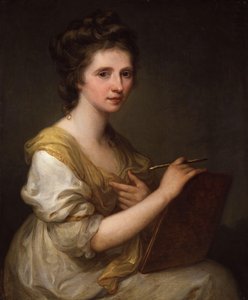
基本情報
- Artistic Movement Or Style: Neoclassicism
- Artists Or Movements Influenced By This Artist:
- Neoclassical portraiture
- Female artists
- Artists Who Influenced This Artist:
- Correggio
- Raphael
- Mengs
- Date Of Birth: 1741
- Date Of Death: 1807
- Full Name: Angelica Kauffman
- Nationality: Swiss
- Notable Artworks:
- Portrait of Lady Sarah Bunbury Sacconi
- Venus at the Toilet of Love
- The Departure of Telemachus for Pylos
- Place Of Birth: Chur, Switzerland
関連記事
The Enduring Allure of the Nude: A Historical & Artistic Exploration of the Human Form
Explore the captivating history of nude art! Discover iconic paintings & artists from classical to modern eras. Uncover symbolism, techniques & find museum-quality reproductions at ArtsDot.
Neo-Classicism's Greatest Hits: 10 Masterpieces for Your Home |
Journey through Neo-Classicism's finest! Explore 10 iconic masterpieces by David, Ingres & Canova. Discover art history, techniques & timeless beauty – perfect for inspiring your home decor. Find museum-quality reproductions at

The Enduring Legacy of Oil on Canvas: Technique, History & Aesthetic Impact
Explore the rich history & techniques of oil painting – from Renaissance masters to Impressionism. Discover pigments, layering methods, and why this timeless medium endures. Expert insights for artists & art enthusiasts.
Timeless Elegance: A Curator's Guide to Decorating with Classical Nude Figure Artworks
Transform your space with the enduring beauty of classical nude studies. Our elegant guide offers expert advice on selecting hand-painted reproductions and custom commissions to create a sophisticated home gallery. Discover meaningful art curation at ArtsDot.com.

Oil on Canvas: A Historical & Technical Exploration of a Timeless Artistic Medium
Explore the rich history & enduring techniques of oil painting on canvas. Discover the science behind its longevity, conservation practices, and contemporary relevance. Expert insights for art enthusiasts.