

 プレビュー
プレビュー
 プリントを購入
 シェアする
シェアする シェアする
シェアする
 詳細を見る
詳細を見る

 ダウンロード
 似ている作品
 X線調査
X線調査 スライドショー
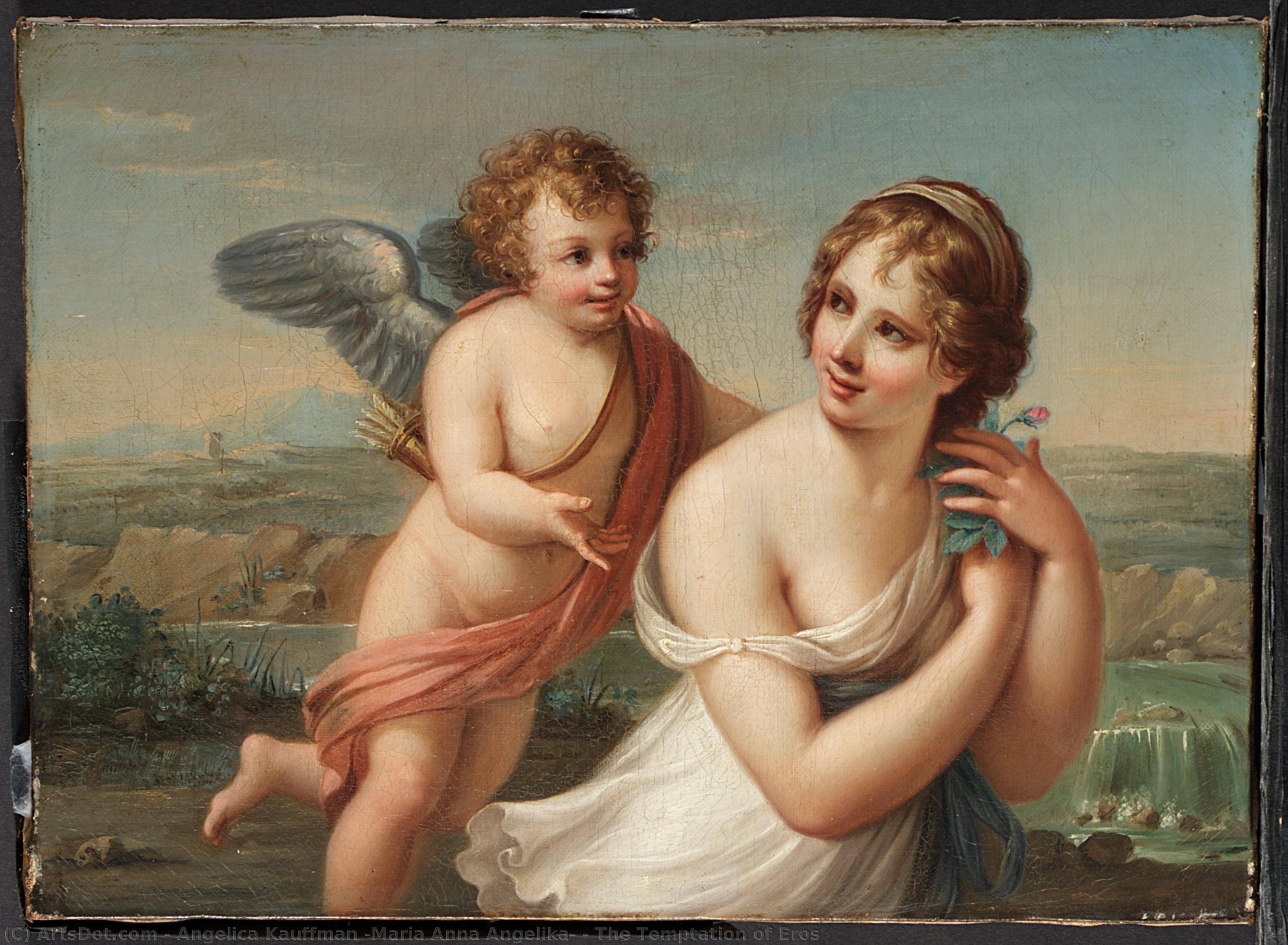
エロスへの誘い」
 キャンバスに油彩
- ウォールアート
- Neoclassical Rococo
 1750
1750 48.0 x 60.0 cm
 メトロポリタン美術館
 詳細を見る
詳細を見る
オンラインプレビューをはるかに凌ぐ、高解像度で鮮明なデジタル画像をご購入いただけます。
各ファイルは、社内の専門家が高度なツールと熟練した手作業によるレタッチを用いて、細心の注意を払って準備されています。すべての画像において、卓越した鮮明度、正確な色彩再現性、そして繊細なディテールを保証いたします。
最終ファイルは、プロフェッショナルな編集・印刷環境ですぐにご利用いただけるよう最適化された状態で、72時間以内にメールにてお届けいたします。これは、一流のデザインスタジオ、出版社、ギャラリーから信頼されているものと同等の品質です。
デジタル画像のご注文に付随する特典
高品質なデジタル画像配信を、確かな品質で。
ArtsDot.com を選ぶことは、単に画像を手に入れることではありません。それは、プロの手によって精密に仕上げられ、満足保証が付いた高品質なデジタルアートワークを受け取ることを意味します。ご注文いただいた際に自動的に付随する内容は、以下の通りです:

メールですぐにお届け
ご注文から72時間以内に、高解像度のデジタル画像ファイルがメールでお手元に届きます。すぐにそのままご利用いただけます。

AI技術で最適化されたデジタルファイル
お客様の作品は、高度なAIツールと専門家による手作業の編集を組み合わせてプロフェッショナルに最適化されており、細部のディテール、鮮明さ、そして正確な色再現性を最大限に引き出しています。

一生涯無料の再送サービス
ファイルを誤って削除したり、紛失してしまったりしましたか?ご安心ください。いつでも無料で再送いたします。

輸入手数料は一切かかりません
関税や手数料、配送料を気にすることなく、お気に入りのアートワークをすぐにお楽しみいただけます。デジタルダウンロードは常に免税です。

色彩再現の保証
プロ仕様のツールとカラーマネジメント技術を用いることで、デジタル画像が元の色を最大限に忠実に再現することを保証いたします。

60日間満足保証
ご購入いただいたデジタル画像にご満足いただけない場合は、60日以内であれば、修正または100%の返金(理由を問う必要はありません)をさせていただきます。

100% 返金保証
ご満足いただけない場合は、デジタルファイルを受け取ってから60日以内であれば、理由を問わず全額返金いたします。

まとめ買い割引
3枚購入で10%OFF - 5枚購入で15%OFF - 10枚以上購入で20%OFF。クリエイティブなプロジェクト、ギャラリー、エージェンシーに最適です。
アンジェリカ・カウフマンの「エロスへの誘惑」について
この絵画は、ロココまたはネオクラシック美術様式を特徴とする美しい油絵です。屋外に座る女性と天使が描かれ、現実的なスタイルで繊細な陰影と詳細な描写が施されています。バランスのとれた構図は、中心人物を背景に配置することで視覚的に印象的です。柔らかく拡散した照明は穏やかな雰囲気を作り出し、遠景への視線誘導効果があります。風景の背景には透視法が用いられ、奥行き感が表現されています。絵画の中心となるのは、愛と美しさというテーマであり、天使の存在によって神聖な力が暗示されています。女性が持つ花は純潔や愛情といった象徴的な意味を持つと考えられます。この絵画はカウフマンの卓越した技術と芸術的センスを反映しており、当時の美術界に大きな影響を与えました。- 画家:アンジェリカ・カウフマン(マリアナ・アングレリカ)
- 生誕年:不明
- 没年:現在生存中
- 生誕都市:不明
- 生誕国:スイス
関連作品
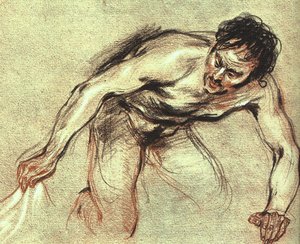
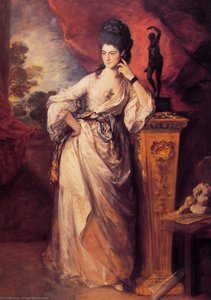
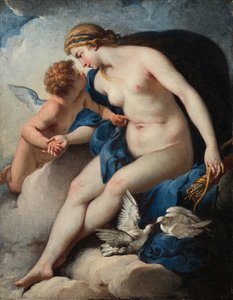
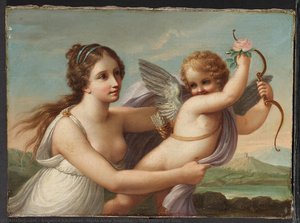
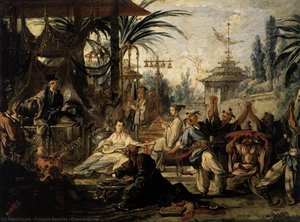
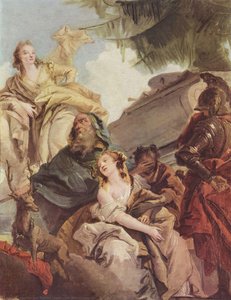
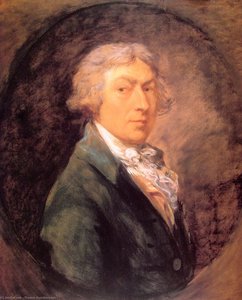
作家の略歴
A Luminary of the Enlightenment: The Life and Art of Angelica Kauffman
Angelica Kauffman, born Maria Anna Angelika in Chur, Switzerland on October 30, 1741, was a prodigious talent who rose to become one of the most celebrated artists of her time. Her journey defied societal expectations for women in the 18th century, establishing her as a respected figure within the male-dominated art world and a key player in the Neoclassical movement. Kauffman’s father, Johann Georg Kauffmann, was a modest but skilled itinerant painter who recognized his daughter's exceptional abilities early on. He provided her with initial training, fostering a passion that would quickly outstrip his own expertise. By the age of thirteen, Angelica was already receiving commissions for portraits and religious paintings, demonstrating an astonishing level of skill and maturity. Her early work reveals influences from Rococo painters like François Boucher, characterized by delicate brushwork, pastel palettes, and charming depictions of mythological scenes. However, her ambition extended beyond mere imitation; she sought a more rigorous academic foundation, traveling extensively throughout Italy to study the Old Masters – Raphael, Titian, and Correggio – absorbing their techniques and compositional principles. This period proved pivotal in shaping her distinctive style, moving away from the frivolousness of Rococo towards a greater emphasis on historical accuracy, classical form, and emotional depth.Rome, Royal Patronage, and the Birth of Neoclassicism
In 1754, Kauffman arrived in Rome, a city teeming with artistic energy and intellectual ferment. She quickly integrated into the vibrant community of artists, becoming acquainted with prominent figures like Johann Joachim Winckelmann, whose writings on classical art profoundly influenced her aesthetic sensibilities. Rome became her base for over fifteen years, during which she established an international reputation attracting commissions from nobility across Europe. Her talent caught the attention of Lady Wentworth, a wealthy English aristocrat who became her devoted patron and friend. Through Lady Wentworth’s connections, Kauffman gained access to influential circles in England, receiving prestigious commissions including portraits of prominent figures like Sir Joshua Reynolds and David Garrick. However, it was her historical paintings that truly distinguished her. Works such as *Hector Taking Leave of Andromache* (1758) showcased her mastery of dramatic composition, elegant figure painting, and a growing interest in classical themes – hallmarks of the emerging Neoclassical style. In 1763, she became one of only two female founding members of the Royal Academy of Arts in London, a testament to her exceptional skill and standing within the art world. This achievement was groundbreaking, challenging prevailing prejudices against women artists and paving the way for future generations. Her time in England, though successful, proved somewhat fraught with professional rivalry; some male artists resented her popularity and perceived her success as a threat.A Return to Italy and Continued Innovation
In 1766, Kauffman returned to Rome, where she continued to flourish as a sought-after artist. She married Antonio Zucchi, a Venetian painter who shared her passion for classical art and became a collaborative partner. This period saw a further refinement of her Neoclassical style, characterized by balanced compositions, clear narratives, and an emphasis on moral virtue. Her portraits from this era are particularly noteworthy, capturing not only the physical likenesses of her sitters but also their inner character and social standing. She skillfully blended portraiture with allegorical elements, imbuing her works with layers of meaning and symbolism. Kauffman’s studio became a hub for artists and intellectuals, attracting visitors from across Europe eager to witness her talent firsthand. She received commissions from prominent patrons including Pope Clement XIV and Catherine the Great, solidifying her reputation as one of the leading artists of the age. Her work for Catherine the Great included designing a series of paintings for the Hermitage Museum, showcasing scenes from classical literature and mythology. She also explored new mediums, creating designs for tapestries, furniture, and decorative arts, demonstrating her versatility and artistic range.Legacy and Historical Significance
Angelica Kauffman died in Rome on November 5, 1807, leaving behind a vast body of work that continues to captivate audiences today. Her influence extended beyond her own paintings; she played a crucial role in popularizing Neoclassical art and challenging conventional notions about the role of women in society. She proved that women could achieve artistic excellence on par with their male counterparts, inspiring generations of female artists to pursue their passions despite societal obstacles. Her success within the Royal Academy, though not without its challenges, opened doors for other women seeking recognition and professional opportunities. Kauffman’s paintings are characterized by a unique blend of elegance, intelligence, and emotional depth. She skillfully combined classical form with Rococo charm, creating works that were both visually appealing and intellectually stimulating. Her portraits offer valuable insights into the social and cultural life of 18th-century Europe, capturing the personalities and aspirations of her sitters. Her historical paintings are particularly significant for their emphasis on moral virtue and classical themes, reflecting the Enlightenment ideals of reason, order, and civic responsibility. Today, Kauffman is recognized as a pivotal figure in the history of art, a luminary whose talent and determination helped to shape the aesthetic landscape of the 18th century and beyond.Key Achievements & Artistic Style
- Founding Member of the Royal Academy of Arts (1763): A landmark achievement for women in art.
- International Reputation: Commissions from nobility across Europe, including England, Italy, and Russia.
- Mastery of Historical Painting: Dramatic compositions, elegant figure painting, and classical themes.
- Versatility as an Artist: Exploration of various mediums including portraiture, tapestry design, and decorative arts.
- Neoclassical Style: Balanced compositions, clear narratives, emphasis on moral virtue, and a refined aesthetic sensibility.
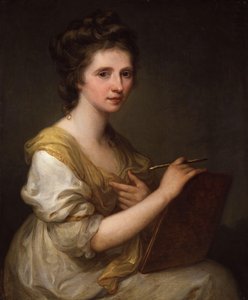
プロフィール概要
- Artistic Movement Or Style: Neoclassicism
- Artists Or Movements Influenced By This Artist:
- Neoclassical portraiture
- Female artists
- Artists Who Influenced This Artist:
- Correggio
- Raphael
- Mengs
- Date Of Birth: 1741
- Date Of Death: 1807
- Full Name: Angelica Kauffman
- Nationality: Swiss
- Notable Artworks:
- Portrait of Lady Sarah Bunbury Sacconi
- Venus at the Toilet of Love
- The Departure of Telemachus for Pylos
- Place Of Birth: Chur, Switzerland

