

 プレビュー
プレビュー
 プリントを購入
 シェアする
シェアする シェアする
シェアする
 詳細を見る
詳細を見る

 ダウンロード
 似ている作品
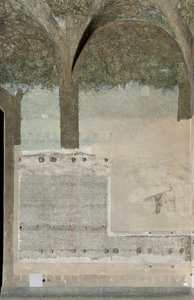
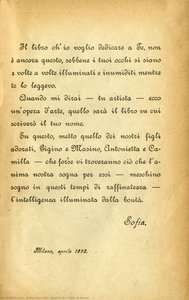
 X線調査
X線調査 スライドショー
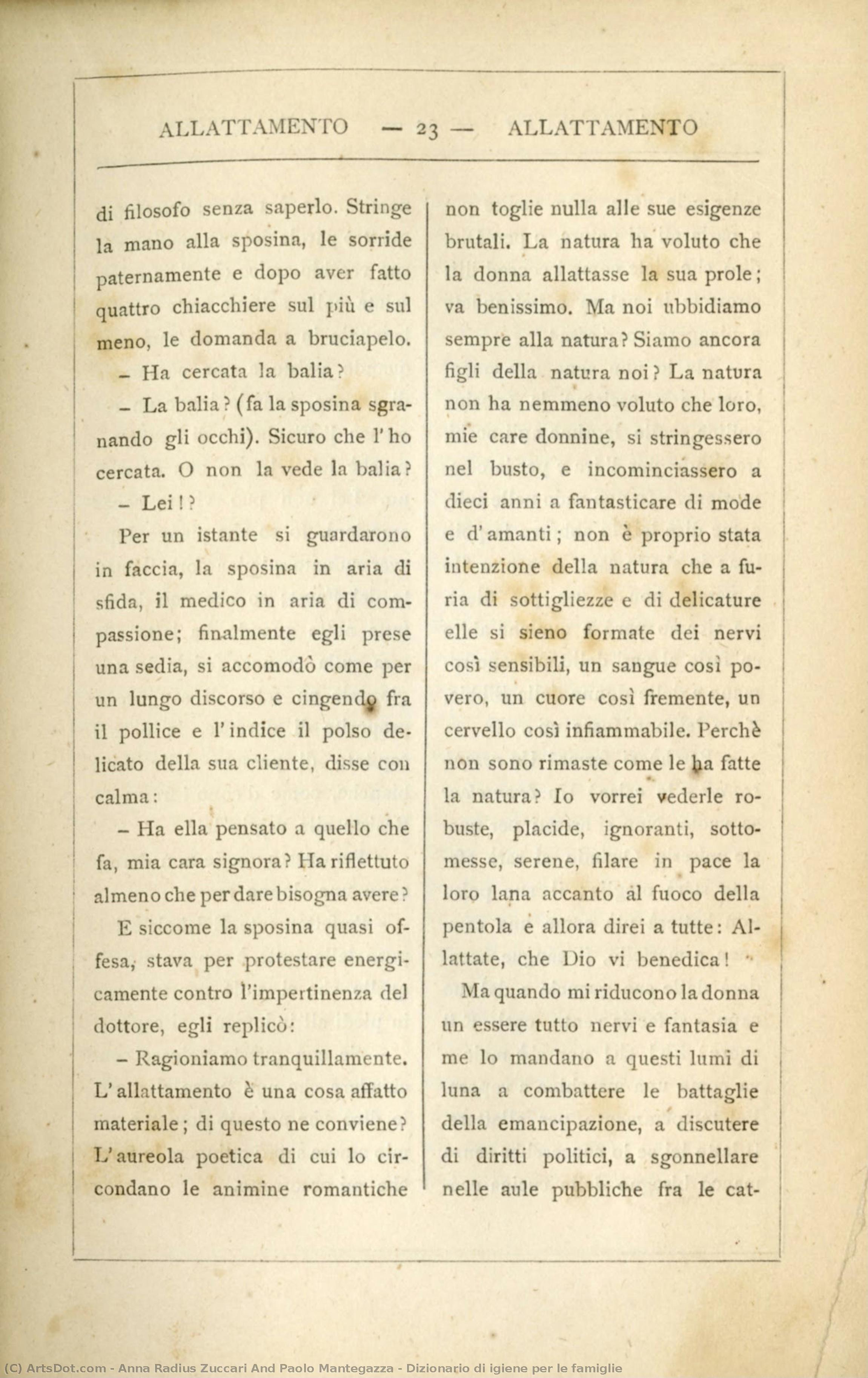
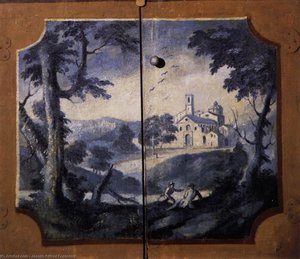
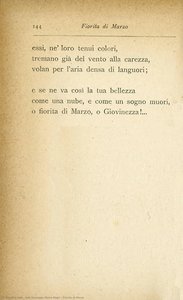
Dizionario di igiene per le famiglie


 詳細を見る
詳細を見る




































作品のオリジナル比率に合わせた、当店の規定サイズからお選びください。

特定のフレームやスペースに合わせて、ご希望のサイズをご入力いただけます。選択されたサイズが元の画像の比率と異なる場合、アートワークをトリミングするか、手描きで要素を追加して絵画を拡張いたします。デジタルモックアップ を制作し、制作開始前にご確認(承認)をいただきます。
画面上のプレビューは、実際のトリミングや拡張を正確に反映しているものではありません。最終的な構図は、モックアップによってのみ正確にご確認いただけます。
カスタムサイズもご利用いただけますが、元の比率を維持するためには、あらかじめ用意されたリストからサイズを選択することをお勧めいたします。
ご注文後、ArtsDot.com チームより詳細な指示をお送りするとともに、仕上がりイメージ(モックアップ)をご提供いたします。


 ガラスオプションは、110cm未満のサイズでのみご利用いただけます。

Dizionario di igiene per le famiglie
複製技法
複製画のサイズ
-


合計金額
$ 263
関連作品
アーティストの略歴
A Life Dedicated to Words: The World of Anna Radius Zuccari, Known as Neera
Anna Radius Zuccari, writing under the elegant pseudonym “Neera,” was a prominent figure in late 19th-century Italian literary circles—a novelist, short story writer, essayist, and journalist whose work reflected both the societal constraints and burgeoning intellectual freedoms of her time. Born in Milan on May 7, 1846, Neera’s life was marked by personal loss that profoundly shaped her introspective nature and ultimately fueled a prolific writing career. The early death of her mother cast a long shadow, leading to a childhood spent largely under the care of maternal aunts after her father's passing when she reached twenty years of age. This period fostered a contemplative spirit, laying the groundwork for a literary voice that would soon captivate Italy. In 1871, marriage to banker Emilio Radius provided stability and access to Milanese intellectual society, opening doors to publication and establishing her as a recognized author.Early Writings and Rising Prominence
Neera’s debut in 1875 with a short story published in *Il Pungolo* signaled the beginning of a remarkable literary journey. She quickly became a regular contributor to leading periodicals such as *Rivista d'Italia*, *Nuova Antologia*, *L'Illustrazione Italiana*, and *La Lettura*. Her writing style, characterized by psychological depth and keen observation of social dynamics, resonated with readers eager for narratives that explored the complexities of modern life. In 1890, she further cemented her position within the literary landscape by founding the journal *Vita Intima*, a platform dedicated to exploring personal experiences and intimate perspectives—a bold move for the era. Her novels and short stories delved into themes of passion, reason, and the challenges faced by women navigating a rapidly changing world. Works like *Un romanzo* (1876) showcased her talent for portraying compelling characters grappling with societal expectations and internal conflicts.Conservative Views and Collaborative Efforts
Despite achieving success as an author, Neera held surprisingly conservative views regarding the role of women in society. She famously believed that a woman’s true place was within the home—a conviction she termed “real feminism.” This perspective found expression in her fiction, which often idealized maternity as a woman's primary vocation and source of fulfillment. Her ideas were further articulated in *Idee di una donna* (1903). Perhaps most notably, Neera collaborated with Paolo Mantegazza on the *Dizionario d’igiene per le famiglie* (Dictionary of Family Hygiene) published in 1881. This work, a comprehensive guide to domestic health and well-being, reflects her practical approach to improving women's lives within the confines of traditional roles. The collaboration with Mantegazza highlights her broader engagement with contemporary social issues and her desire to contribute to public discourse beyond purely literary pursuits.Legacy and Historical Significance
Neera’s life came to a close in Milan on July 13, 1918, succumbing to cancer after a period of illness. Before her death, she dictated her memoirs, which were posthumously published as *Una giovinezza del secolo XIX* (Portrait of a 19th-century youth), offering valuable insights into her formative years and the intellectual climate of the time. While widely celebrated during her lifetime—she counted Luigi Capuana among her friends and Benedetto Croce among her admirers—Neera’s work experienced a period of relative obscurity in the decades following her death. However, recent scholarship has sparked renewed interest in her writings, recognizing the ambivalence inherent in her anti-feminist stance and appreciating the nuanced portrayal of female characters within her narratives. Her exploration of domestic life, societal pressures, and the complexities of human relationships continues to resonate with contemporary readers, solidifying her place as a significant voice in Italian literary history.- Key Themes: Exploration of women's roles, societal expectations, passion versus reason, psychological depth.
- Influences: The social and intellectual currents of late 19th-century Italy, the rise of realism in literature, personal experiences shaped by loss and introspection.
- Major Works: *Un romanzo* (1876), *Iride. Nuove novelle* (1881), *Idee di una donna* (1903), *Dizionario d’igiene per le famiglie* (1881) – with Paolo Mantegazza, *Una giovinezza del secolo XIX* (Portrait of a 19th-century youth).
- Historical Context: Neera's work reflects the tensions between traditional values and emerging modernism in Italy. Her writings offer a glimpse into the lives of women during a period of significant social change.
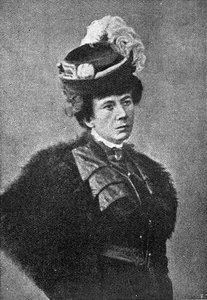
anna radius zuccari and paolo mantegazza
1846 - 1918 , Italy
基本情報
- Artistic Movement Or Style: Realism
- Date Of Birth: May 7, 1846
- Date Of Death: July 13, 1918
- Full Name: Anna Radius Zuccari
- Nationality: Italian
- Notable Artworks:
- Un romanzo (1876)
- Iride (1881)
- Idee di una donna(1903)
- Place Of Birth: Milan, Italy

