

 シェアする
シェアする シェアする
シェアする
 詳細を見る
詳細を見る

 ダウンロード
 似ている作品
 スライドショー
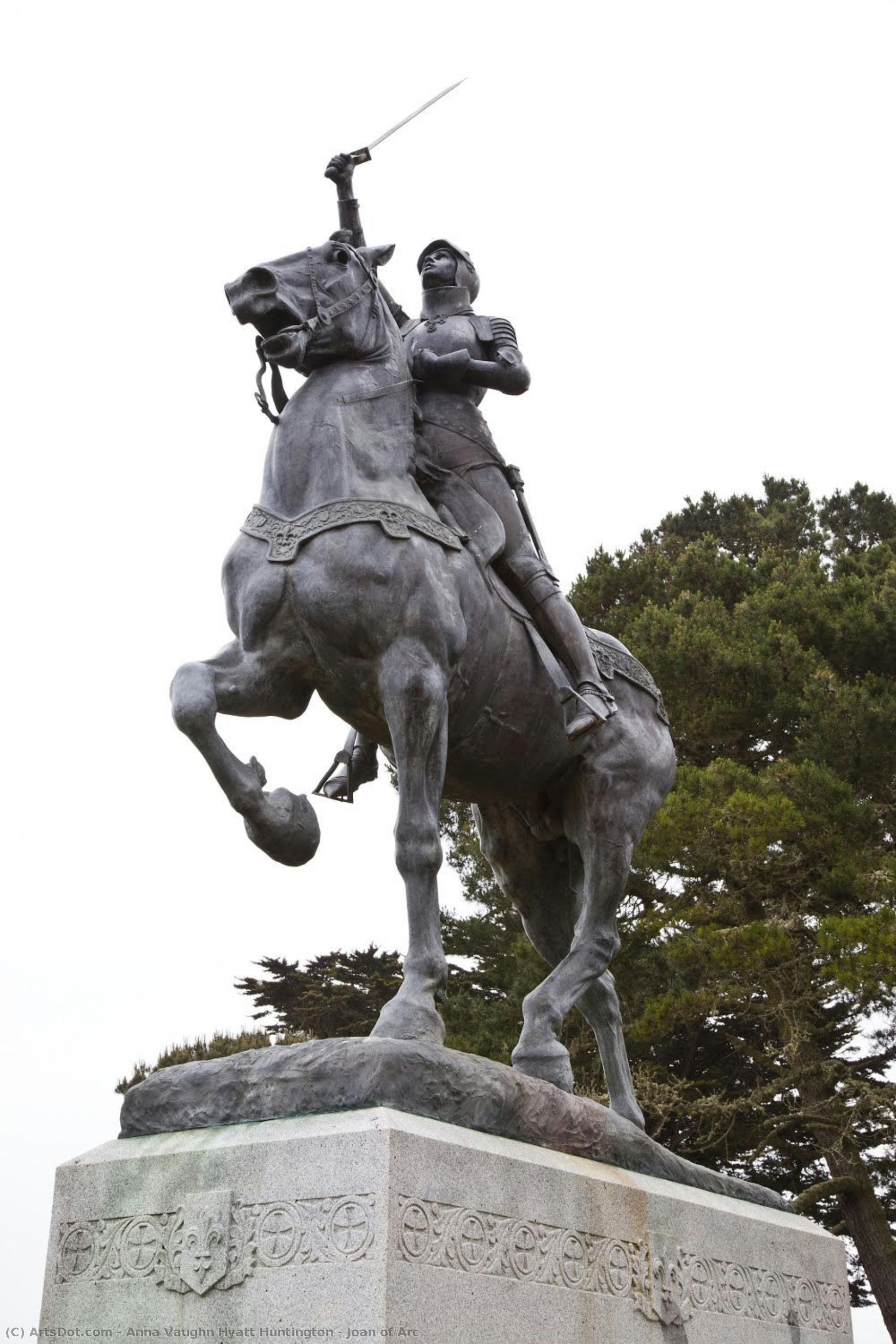
Joan of Arc
 Bronze
- Sculpture
- Realism
 1915
1915 366.0 x 115.0 cm
 レギオン・オブ・オナー美術館
 詳細を見る
詳細を見る
ジークレー/アートプリント
迅速な制作と多彩な仕上げオプションを備えた、ミュージアムクオリティのジークレーまたはキャンバスプリント。 ( 手描きの絵画を購入 画像を購入)




































作品のオリジナル比率に合わせた、当店の規定サイズからお選びください。

特定のフレームやスペースに合わせて、ご自身でサイズを指定することも可能です。選択されたサイズが元の画像の比率と一致しない場合、作品をトリミングするか、鏡面反射または単色での塗りつぶしによって画像を拡張いたします。制作を開始する前に、ご確認用のデジタルモックアップをお送りいたします。
画面上のプレビューには、実際のトリミングや拡張は反映されませんのでご注意ください。最終的な構図を正確に確認できるのは、モックアップのみとなります。
カスタムサイズも承っておりますが、元の比率を維持するためには、あらかじめ用意されたリストからサイズを選択することをお勧めいたします。


 ガラスオプションは、110cm未満のサイズでのみご利用いただけます。

Joan of Arc
ジークレー/アートプリント
複製画のサイズ
-


合計金額
$ 62
A Vision of Courage: Anna Hyatt Huntington’s Equestrian Joan of Arc
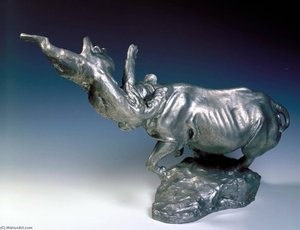
The bronze figure of Joan of Arc, sculpted by Anna Vaughn Hyatt Huntington in 1915 and currently residing in Riverside Park, New York City, is more than just a statue; it's a potent embodiment of French national identity, unwavering faith, and the spirit of defiance. Huntington’s masterful rendering captures not merely the likeness of a historical figure but also the very essence of her legend – a young woman who, against overwhelming odds, rallied a nation to victory. The sculpture stands as a testament to both the artist's technical skill and her profound understanding of the symbolic power inherent in equestrian portraiture.
Huntington’s approach was deeply rooted in her background as a paleontologist’s daughter; she possessed an unparalleled ability to dissect and reconstruct animal anatomy, translating this knowledge into remarkably lifelike representations. This meticulous attention to detail is immediately apparent in the rearing horse – its musculature rendered with astonishing precision, conveying both power and a palpable sense of urgency. The horse itself isn't simply a mount but a dynamic partner in Joan’s narrative, mirroring her own courageous spirit and unwavering determination.
The Sculptor’s Process: Lost-Wax Casting and the Pursuit of Realism
The creation of this monumental bronze sculpture involved a complex and demanding process. Huntington employed the traditional technique of lost-wax casting, a method that has been utilized for centuries to produce intricate and durable works of art. Initially, she created a full-scale plaster model, painstakingly studying historical accounts and artistic representations of Joan of Arc. This detailed study informed every aspect of her design, from the folds of the fabric draped across Joan’s body to the subtle expression on her face.
Once the plaster model was complete, it was used to create a wax mold. Molten bronze was then poured into this mold, filling the intricate details of the original sculpture. After cooling and solidifying, the wax was removed, leaving behind a hollow bronze casting. This process, while demanding, allowed Huntington to achieve an unparalleled level of detail and texture in her work. The surface of the bronze exhibits a rich, tactile quality – a testament to the artist’s skill and the inherent beauty of the material itself. The subtle variations in tone, achieved through careful manipulation of the casting process, add depth and dimension to the sculpture, bringing it vividly to life.
Symbolism and Narrative: A Portrait of Faith and Resistance
Beyond its technical brilliance, the sculpture is laden with symbolism. Joan’s raised sword represents her unwavering commitment to her cause – a declaration of defiance against oppression and a symbol of French sovereignty. Her upward gaze, directed towards the heavens, speaks to her deep faith and belief in divine guidance. The rearing horse, as mentioned earlier, embodies power, freedom, and the spirit of rebellion. Together, these elements coalesce into a powerful narrative of courage, conviction, and ultimately, triumph.
The choice of an equestrian pose is particularly significant. Historically, depictions of rulers on horseback have long symbolized authority, strength, and leadership. By placing Joan on horseback, Huntington elevates her to the status of a national hero – a figure worthy of emulation and inspiration. The sculpture’s placement in Riverside Park, a popular urban oasis, further reinforces this symbolic connection, positioning Joan as a guardian spirit for the city and its inhabitants.
A Legacy of Strength: Joan of Arc in the 20th Century
Completed just six years after the end of World War I, Huntington’s sculpture resonated deeply with a nation grappling with the trauma of conflict. Joan of Arc's story – a young woman who rose to lead her country against seemingly insurmountable odds – offered a powerful message of hope and resilience in an era defined by loss and uncertainty. The statue quickly became a beloved landmark in New York City, embodying the values of courage, faith, and national pride.
Today, Huntington’s equestrian Joan of Arc remains a poignant reminder of France's rich history and its enduring spirit. It is a work that continues to inspire awe and admiration, inviting viewers to contemplate the complexities of leadership, faith, and the timeless struggle for freedom. Reproductions of this iconic sculpture offer a beautiful way to bring this powerful image into any home or office, serving as a constant source of inspiration and reflection.
関連作品


関連記事
ジョアン・ミロ傑作25選:夢と色彩が織りなす芸術の世界|ArtsDot
ジョアン・ミロの傑作25選🎨 シュルレアリスムを代表する巨匠、ミロの世界へ。色彩と象徴に満ちた絵画の物語を紐解き、インテリアアートのインスピレーションを得ましょう。ArtsDotで高品質なアートプリントをお探しください✨

Bronze Sculptures That Defined Art History | ArtsDot
Journey through art history with our Top 10 bronze sculptures! Explore masterpieces by Rodin, Michelangelo & more. Discover stories behind iconic statues and find museum-quality reproductions for your home decor at ArtsDot.com.

The Enduring Form: Exploring Themes & Techniques in Sculpture Across Historical Periods
Explore the rich history of sculpture from ancient masterpieces to contemporary innovations. Discover key techniques, influential artists & investment potential for discerning art collectors.

The Enduring Form: Sculpture Across History, Technique & Emotional Resonance
Explore the rich history of sculpture with ArtsDot. Discover key techniques, influential artists & investment potential for discerning collectors. Expert insights into valuing and collecting timeless masterpieces.

Bronze Age to Modern Masters: 10 Sculptures That Redefined Art | ArtsDot
Journey through art history with 10 legendary bronze sculptures – from Michelangelo's David to Rodin’s Thinker. Explore the stories, techniques & timeless beauty of these masterpieces. Find museum-quality reproductions & elevate your home decor on ArtsDot.com.

