

 プレビュー
プレビュー
 シェアする
シェアする シェアする
シェアする
 詳細を見る
詳細を見る

 ダウンロード
 似ている作品
 X線調査
X線調査 スライドショー
 Stats
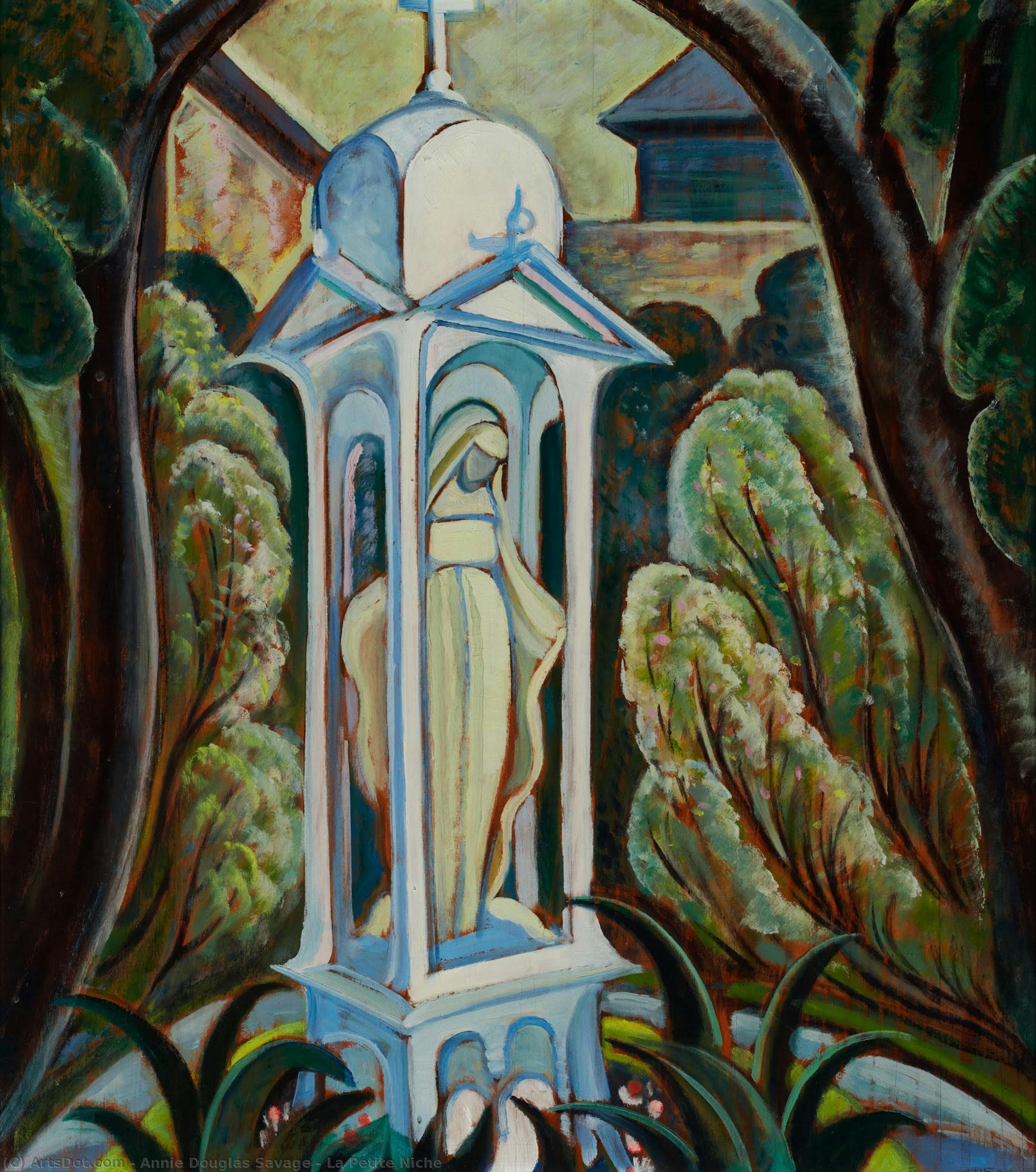
StatsLa Petite Niche
 Contemporary Realism
 1935
1935 44.0 x 39.0 cm
 The Robert McLaughlin Gallery
 詳細を見る
詳細を見る
オンラインプレビューをはるかに凌ぐ、高解像度で鮮明なデジタル画像をご購入いただけます。
各ファイルは、社内の専門家が高度なツールと熟練した手作業によるレタッチを用いて、細心の注意を払って準備されています。すべての画像において、卓越した鮮明度、正確な色彩再現性、そして繊細なディテールを保証いたします。
最終ファイルは、プロフェッショナルな編集・印刷環境ですぐにご利用いただけるよう最適化された状態で、72時間以内にメールにてお届けいたします。これは、一流のデザインスタジオ、出版社、ギャラリーから信頼されているものと同等の品質です。
デジタルアート
個人での鑑賞、印刷、クリエイティブなプロジェクト用に、高解像度ファイルをダウンロードできます。 ( Switch to Print 手描きの絵画を購入)
デジタル画像のご注文に付随する特典
高品質なデジタル画像配信を、確かな品質で。
ArtsDot.com を選ぶことは、単に画像を手に入れることではありません。それは、プロの手によって精密に仕上げられ、満足保証が付いた高品質なデジタルアートワークを受け取ることを意味します。ご注文いただいた際に自動的に付随する内容は、以下の通りです:

メールですぐにお届け
ご注文から72時間以内に、高解像度のデジタル画像ファイルがメールでお手元に届きます。すぐにそのままご利用いただけます。

AI技術で最適化されたデジタルファイル
お客様の作品は、高度なAIツールと専門家による手作業の編集を組み合わせてプロフェッショナルに最適化されており、細部のディテール、鮮明さ、そして正確な色再現性を最大限に引き出しています。

一生涯無料の再送サービス
ファイルを誤って削除したり、紛失してしまったりしましたか?ご安心ください。いつでも無料で再送いたします。

輸入手数料は一切かかりません
関税や手数料、配送料を気にすることなく、お気に入りのアートワークをすぐにお楽しみいただけます。デジタルダウンロードは常に免税です。

色彩再現の保証
プロ仕様のツールとカラーマネジメント技術を用いることで、デジタル画像が元の色を最大限に忠実に再現することを保証いたします。

100日間満足保証
ご購入いただいたデジタル画像にご満足いただけない場合は、100日以内であれば、理由を問わず修正または100%の返金対応をさせていただきます。

100% 返金保証
ご満足いただけない場合は、デジタルファイルを受け取ってから100日以内であれば、理由を問わず全額返金いたします。

まとめ買い割引
3枚購入で10%OFF - 5枚購入で15%OFF - 10枚以上購入で20%OFF。クリエイティブなプロジェクト、ギャラリー、エージェンシーに最適です。
関連作品

作家の略歴
John Everett Millais: A Pre-Raphaelite Pioneer of Light and Nature
Born in Southampton, England, on June 8th, 1829, John Everett Millais was a figure of immense importance within the vibrant artistic landscape of Victorian Britain. His life, marked by both prodigious talent and personal complexities, profoundly shaped the trajectory of the Pre-Raphaelite Brotherhood – a movement that irrevocably altered the course of English painting. From his early days as a child prodigy to his later explorations of light and color, Millais’s work embodies a unique synthesis of scientific observation, Romantic idealism, and meticulous detail.
Millais's artistic journey began remarkably early. At just eleven years old, he gained admission to the Royal Academy Schools in London – an unprecedented achievement for someone so young. This rapid ascent was fueled by his innate ability and a relentless dedication to mastering his craft. He initially trained as a printmaker, developing a keen eye for detail and an appreciation for line and texture. However, it was his encounter with William Holman Hunt and Dante Gabriel Rossetti that proved pivotal, leading him to join the nascent Pre-Raphaelite Brotherhood in 1848. This group of young artists, disillusioned with the academic conventions of the Royal Academy, sought to revive the spirit of the early Renaissance – specifically, the art of the period before Raphael – rejecting the artificiality and sentimentality that they perceived as characterizing much of contemporary painting.
The Pre-Raphaelite Brotherhood’s core principles were radical for their time. They championed truth to nature, meticulous observation, and a rejection of idealized forms in favor of realistic depictions of everyday life and mythology. Millais quickly became the group's most prominent figure, his paintings capturing both the beauty and the harsh realities of the natural world with remarkable precision. His early works, such as *Ophelia* (1849-50), a hauntingly beautiful depiction of Shakespeare’s tragic heroine drowning in a stream, immediately established him as a leading voice within the movement. The painting's incredibly detailed rendering of wildflowers and foliage, achieved through painstaking observation and countless hours spent outdoors, became emblematic of the Pre-Raphaelite style – a commitment to capturing the nuances of nature with unparalleled accuracy.
The Birth of a Master: Early Works and Artistic Development
Millais’s artistic development during this period was characterized by a constant striving for greater realism and an increasingly sophisticated understanding of light and color. *Christ in the House of His Parents* (1851-52), often referred to as “The Carpenter’s Shop,” represents a significant shift in his style. Unlike the idealized depictions of Christ prevalent at the time, Millais presented a humble, unadorned scene of Jesus as a young boy working alongside his father. The painting was initially met with considerable controversy due to its unflattering portrayal of Christ and the inclusion of seemingly mundane details – a muddy floor, a wooden bucket, and a collection of tools. However, it also demonstrated Millais’s growing mastery of light and atmosphere, capturing the warmth of the afternoon sun streaming through the windows and illuminating the textures of the wood and fabric.
Following *Christ in the House of His Parents*, Millais continued to explore themes of nature and mythology, producing a series of stunningly detailed paintings that showcased his technical skill and artistic vision. *The Proclamation* (1854-56), depicting Zephyrus and Chloe from Ovid’s *Metamorphoses*, exemplifies this period, with its vibrant colors, intricate details, and evocative portrayal of the natural world. He also turned to illustration, working for publications like *Once a Week*, which provided him with a wider audience and allowed him to experiment with different styles and techniques.
A Shift in Style: From Pre-Raphaelite Idealism to Realist Observation
By the mid-1850s, Millais began to move away from the strict tenets of the Pre-Raphaelite Brotherhood. While he retained a deep appreciation for nature and a commitment to realism, he increasingly sought to capture the fleeting effects of light and atmosphere with greater immediacy and spontaneity. This shift is evident in works such as *Autumn Leaves* (1856), which depicts a hazy autumn landscape bathed in golden light. He began to prioritize capturing the *impression* of a scene rather than meticulously rendering every detail, embracing a looser, more expressive style.
This evolution was partly influenced by his marriage to Effie Chalmers, Ruskin’s former wife, in 1857. Their relationship, marked by both love and personal turmoil, profoundly impacted Millais's artistic trajectory. Ruskin’s influence encouraged him to explore new subjects and techniques, while the challenges of their marriage contributed to a sense of restlessness and experimentation.
Later Years and Legacy
In his later years, Millais became one of the wealthiest artists in England, thanks to the commercial success of his paintings. However, he was also increasingly criticized by some former admirers, including William Morris, who viewed his shift towards realism as a betrayal of the Pre-Raphaelite ideals. Despite these criticisms, Millais continued to produce works that were both technically brilliant and emotionally resonant. His portraits, particularly those of prominent figures such as Gladstone and Tennyson, are considered masterpieces of Victorian portraiture.
John Everett Millais died in London on August 13th, 1896, at the age of 67. His legacy endures as one of the most important and influential artists of the Victorian era. His paintings continue to captivate audiences with their beauty, detail, and evocative portrayal of nature and human experience. He remains a pivotal figure in the history of English painting, forever associated with the Pre-Raphaelite Brotherhood and its revolutionary vision.

アニー・ダグラス・サヴェージ
1896 - 1971 , カナダ