

 プレビュー
プレビュー
 プリントを購入
 シェアする
シェアする シェアする
シェアする
 詳細を見る
詳細を見る

 ダウンロード
 似ている作品
 X線調査
X線調査 スライドショー
William Merritt Chase
 Oil On Canvas
- WallArt
- Impressionism
 1910
1910- 19th Century
 76.0 x 64.0 cm
 メトロポリタン美術館
 詳細を見る
詳細を見る




P118B $10

P118H $10

P118W $10

P438Z $10

P508JH $12

P508YH $12

P805H $10

P805Z $10

P919BZ $10

P919G $10

P919XJ $10

P959ZH $10

P968JZ $12

W106C $8

W218G $10

W218JH $8

W218Y $10

W307PJ $10

W316G $10

W316PJ $8

W316Y $10

W398PJ $8

W4111J $10

W500HY $15

W500JH $15

W692G $12

W849H $8

W940BG $15

W953PJ $8




作品のオリジナル比率に合わせた、当店の規定サイズからお選びください。

特定のフレームやスペースに合わせて、ご希望のサイズをご入力いただけます。選択されたサイズが元の画像の比率と異なる場合、アートワークをトリミングするか、手描きで要素を追加して絵画を拡張いたします。デジタルモックアップ を制作し、制作開始前にご確認(承認)をいただきます。
画面上のプレビューは、実際のトリミングや拡張を正確に反映しているものではありません。最終的な構図は、モックアップによってのみ正確にご確認いただけます。
カスタムサイズもご利用いただけますが、元の比率を維持するためには、あらかじめ用意されたリストからサイズを選択することをお勧めいたします。
ご注文後、ArtsDot.com チームより詳細な指示をお送りするとともに、仕上がりイメージ(モックアップ)をご提供いたします。


 ガラスオプションは、110cm未満のサイズでのみご利用いただけます。

William Merritt Chase
複製技法
複製画のサイズ
-


合計金額
$ 263
作品解説
William Merritt Chase: A Study in American Impressionism & Artistic Luminosity
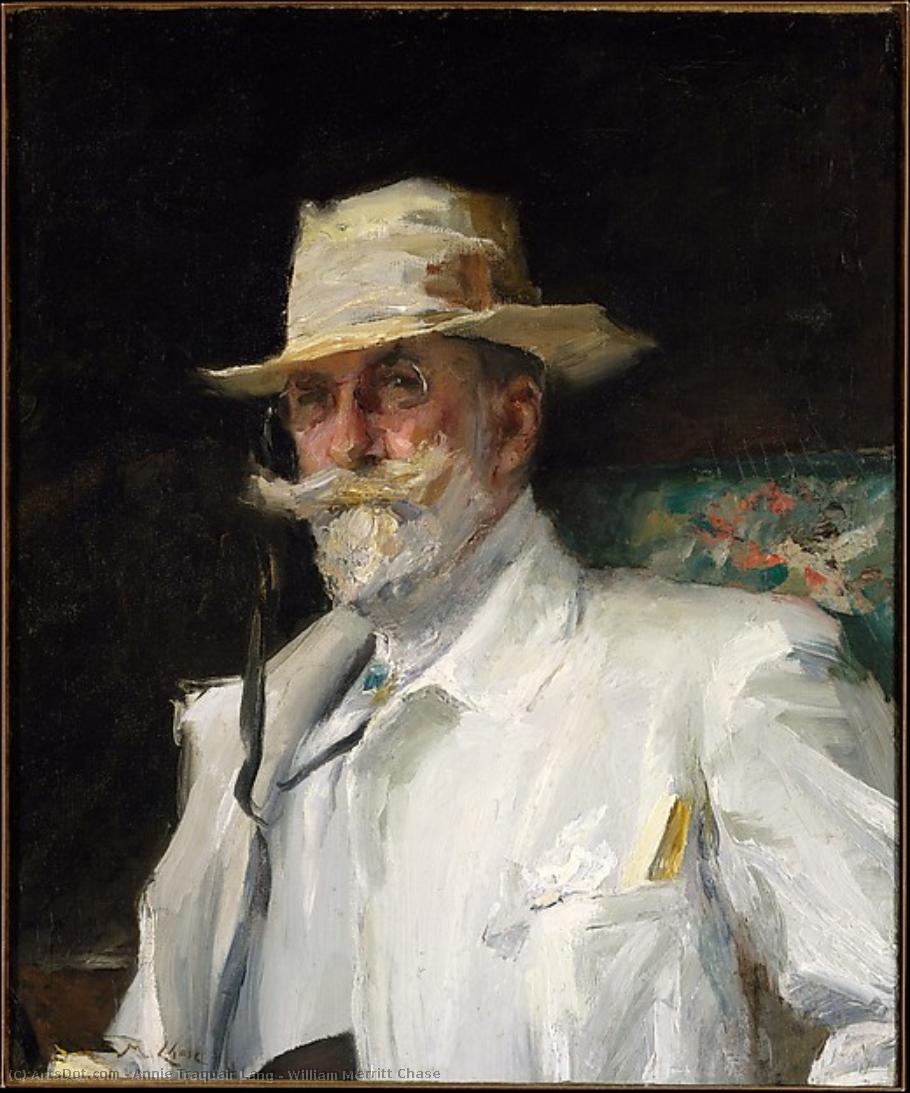
Annie Traquair Lang (September 8, 1885 – November 8, 1918) was an American Impressionist painter, known for experimental impasto brushstrokes and jewel-tone abstracted forms. She exhibited portraits, still lifes and landscapes at two dozen venues in Europe and the U.S., and institutions including the Metropolitan Museum of Art acquired her works. She was acclaimed in publications including the New York Times and the International Studio.
She also earned praise for her collection of paintings by her mentor, William Merritt Chase, with whom she traveled in Europe and California. He considered Lang “who best assimilated his technique and verve.” A frequent model for her teacher, who praised her “remarkable ability,” Lang also painted him numerous times.
In 1918, following a year of Caribbean travels, she fell victim to the Spanish Flu. Posthumously, Lang’s signature was replaced with that of Chase’s in some of her paintings–including this one. This remarkable feat underscores the enduring influence of Chase's artistic vision and Lang’s dedication to capturing its essence.
Subject Matter & Composition
The image depicts a man wearing a hat and glasses, sitting in front of a chair. The man appears to be well-dressed, possibly in a suit or white clothing. He has a mustache and seems to be looking at the viewer with an intense expression. The painting is set against a dark background, which contrasts sharply with the subject’s attire and facial features.
Chase skillfully employed a pyramidal composition—a technique favored by Renaissance masters—to create stability and balance within the artwork. The chair serves as a grounding element, anchoring the figure while directing the viewer's gaze upwards towards his face. This deliberate arrangement emphasizes the man’s presence and conveys a sense of dignified contemplation.
Style & Technique: Impressionistic Brilliance
Lang embraced an impressionist approach to her subjects, mirroring Chase’s stylistic preferences. She skillfully utilized impasto brushstrokes—thickly applied paint—to build up textural surfaces that capture the fleeting effects of light and atmosphere. The artist's masterful manipulation of color contributes significantly to the painting's emotive impact.
Jewel-tone abstracted forms dominate Lang’s palette, reflecting Chase’s fascination with capturing visual sensations rather than precise representations. Vibrant hues—such as crimson, emerald green, and sapphire blue—are blended together in loose washes, creating a luminous quality that evokes the beauty of nature. These bold colors convey emotion and invite contemplation.
Historical Context & Significance
Painted in 1910, this artwork reflects the burgeoning Impressionist movement in America during Chase’s time. Influenced by artists like Claude Monet and Edgar Degas, Impressionists sought to depict scenes from daily life with immediacy and spontaneity—abandoning academic conventions.
Lang's portrait of Chase exemplifies the movement's commitment to capturing psychological nuance alongside visual beauty. It serves as a testament to Chase’s artistic legacy and Lang’s ability to translate his vision onto canvas. The painting’s enduring appeal lies in its evocative portrayal of human emotion and its masterful execution of Impressionistic technique.
Emotional Impact & Legacy
The dark background against which the man is positioned amplifies the intensity of his gaze, creating a palpable sense of drama and introspection. Lang's use of impasto brushstrokes imbues the painting with texture and vibrancy—inviting viewers to engage with its surface on an emotional level.
Ultimately, this artwork stands as a celebration of artistic collaboration and Chase’s profound influence on Lang’s oeuvre. It embodies the spirit of Impressionism—a movement that prioritized feeling over factual accuracy—leaving behind a timeless masterpiece that continues to inspire admiration and contemplation.
関連作品
アーティストの略歴
A Life Bathed in Impressionist Light
Annie Traquair Lang, born in Philadelphia on September 8, 1885, emerged as a compelling figure within the American Impressionist movement—a painter whose life, though tragically short, was rich with artistic exploration and a passionate dedication to her craft. She wasn’t merely a follower of established styles; she absorbed them, experimented boldly, and ultimately forged a distinctive voice characterized by vibrant impasto brushstrokes and jewel-toned abstracted forms. Her story is one of talent recognized early, nurtured by a leading master, and then, sadly, obscured for decades before recent scholarship began to restore her rightful place in art history.Early Training and the Influence of William Merritt Chase
Lang’s artistic journey began with formal studies at the Public Industrial Art School and the Philadelphia School of Design for Women. However, it was her connection with William Merritt Chase that proved pivotal. She became his protégé, joining him at his summer art school in Shinnecock Hills on Long Island—a haven for artists seeking to capture the fleeting effects of light and atmosphere. Chase’s influence is undeniable; he instilled in Lang a love for spontaneous composition and energetic brushwork. But she wasn't simply an imitator. She quickly developed her own approach, pushing beyond traditional boundaries with a boldness that impressed even her mentor. He considered her “the Chase pupil who best assimilated his technique and verve.” Their relationship extended beyond the studio; they traveled together in Europe and California, and it’s widely acknowledged—though only recently openly discussed by descendants—that their connection was deeply personal.Exhibitions and Acclaim: A Rising Star
By her late teens, Lang was already exhibiting extensively. From Philadelphia venues like Wanamaker's department store to prestigious institutions such as the Carnegie International in Pittsburgh and galleries in New York City, her work garnered attention. She showcased portraits, still lifes, and landscapes at over two dozen exhibitions across both Europe and the United States. Her paintings were praised for their vibrancy, their innovative use of color, and a unique sense of emotional depth. In 1913, the Metropolitan Museum of Art acquired one of her portraits of Chase—a testament to the growing recognition of her talent. Publications like *The New York Times* and *The International Studio* offered positive reviews, solidifying her reputation as an artist to watch. She also curated a collection of paintings by Chase himself, demonstrating not only her artistic eye but also her deep understanding of his work.A Tragic Interruption and Rediscovery
Lang’s promising career was tragically cut short by the Spanish flu pandemic in 1918. She died on November 8th at the young age of thirty-three, while preparing to volunteer as a canteen worker during World War I. Her death marked not only a personal loss but also a period of obscurity for her work. After her passing, unscrupulous individuals forged Chase’s signature onto several of her paintings—removing her name in an attempt to increase their market value. This deliberate act effectively erased her from art historical narratives for decades. It wasn't until the late 20th century that scholars like Ronald G. Pisano began meticulously researching Lang’s life and work, uncovering evidence of the forgery and painstakingly reattributing paintings to their rightful creator. Pisano’s initial discovery of a mislabeled self-portrait sparked a renewed interest in her oeuvre, leading to further research by Carolyn Lane and others who pieced together fragments of her biography and artistic legacy.Legacy and Lasting Significance
Today, Annie Traquair Lang is increasingly recognized as a significant figure in American Impressionism. Her paintings offer a compelling blend of Chase’s influence and her own unique sensibility—characterized by bold impasto, jewel-toned colors, and an almost abstracted quality that foreshadowed later developments in modern art. She was not afraid to experiment with form and color, creating works that are both visually striking and emotionally resonant. Her story serves as a powerful reminder of the many talented women artists whose contributions were overlooked or deliberately suppressed throughout history. The ongoing efforts to restore her rightful place in the canon—through exhibitions, scholarship, and increased awareness—ensure that her vibrant legacy will continue to inspire generations of artists and art lovers alike. Her work is a testament to the power of individual vision and the enduring beauty of Impressionist light. Lang’s paintings are not simply representations of the world around her; they are expressions of her inner life, imbued with passion, energy, and a unique artistic spirit.
annie traquair lang
1885 - 1918 , United States of America
基本情報
- Artistic Movement Or Style: Impressionism
- Artists Who Influenced This Artist: ['William Merritt Chase']
- Date Of Birth: September 8, 1885
- Date Of Death: November 8, 1918
- Full Name: Annie Traquair Lang
- Nationality: American
- Notable Artworks:
- Portraits
- Still lifes
- Landscapes
- Place Of Birth: Philadelphia, USA
関連記事
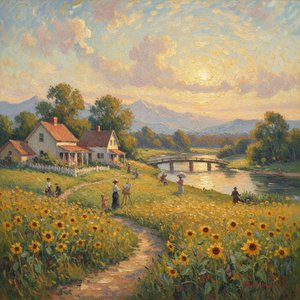
Capturing a Nation's Light: Exploring the American Impressionist Movement
Explore the captivating world of American Impressionism! Discover key artists, techniques & its lasting impact on art history. Find museum-quality reproductions and expert guidance at ArtsDot.
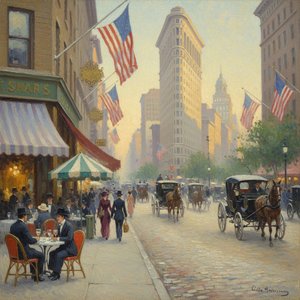
Frederick Childe Hassam: American Impressionism's Chronicler of Light & Modern Life
Explore the captivating world of Frederick Childe Hassam, a pioneer of American Impressionism. Discover his iconic paintings capturing light, urban life & coastal beauty. Learn about his legacy and influence on American art history.
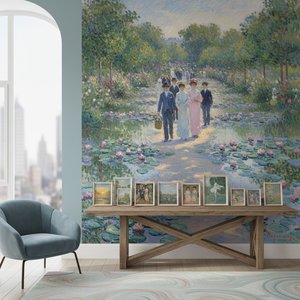
印象派を定義する至宝:時代を超えた10傑 – 美術、画家、そして洗練された空間演出
印象派を代表する10傑の世界へ。モネ、ルノワールら巨匠の技と色彩が織りなす至高の名作を紐解きます。美術、インテリアに新たなインスピレーションを。ArtsDot.comで、博物館品質のアート複製と洗練された空間演出を見つけましょう。

Impressionism's Masterpieces: 10 Paintings That Defined a Movement | ArtsDot
Journey through Impressionism's heart with 10 iconic paintings by Monet, Renoir & Degas. Explore light, color & the stories behind these masterpieces. Find museum-quality art reproductions and elevate your home decor on ArtsDot.com.

ポール・セザンヌ:至高の25選 - 傑作と革新の軌跡 | ArtsDot
ポール・セザンヌの至高の25選。ポスト印象派を代表する画家、セザンヌの傑作と革新的な技法を紐解きます。ArtsDotで高品質な複製画やインテリアアートを見つけ、芸術の世界をご自宅に。今すぐコレクションをご覧ください。

