

 プリントを購入
 シェアする
シェアする シェアする
シェアする
 詳細を見る
詳細を見る

 ダウンロード
 似ている作品
 スライドショー
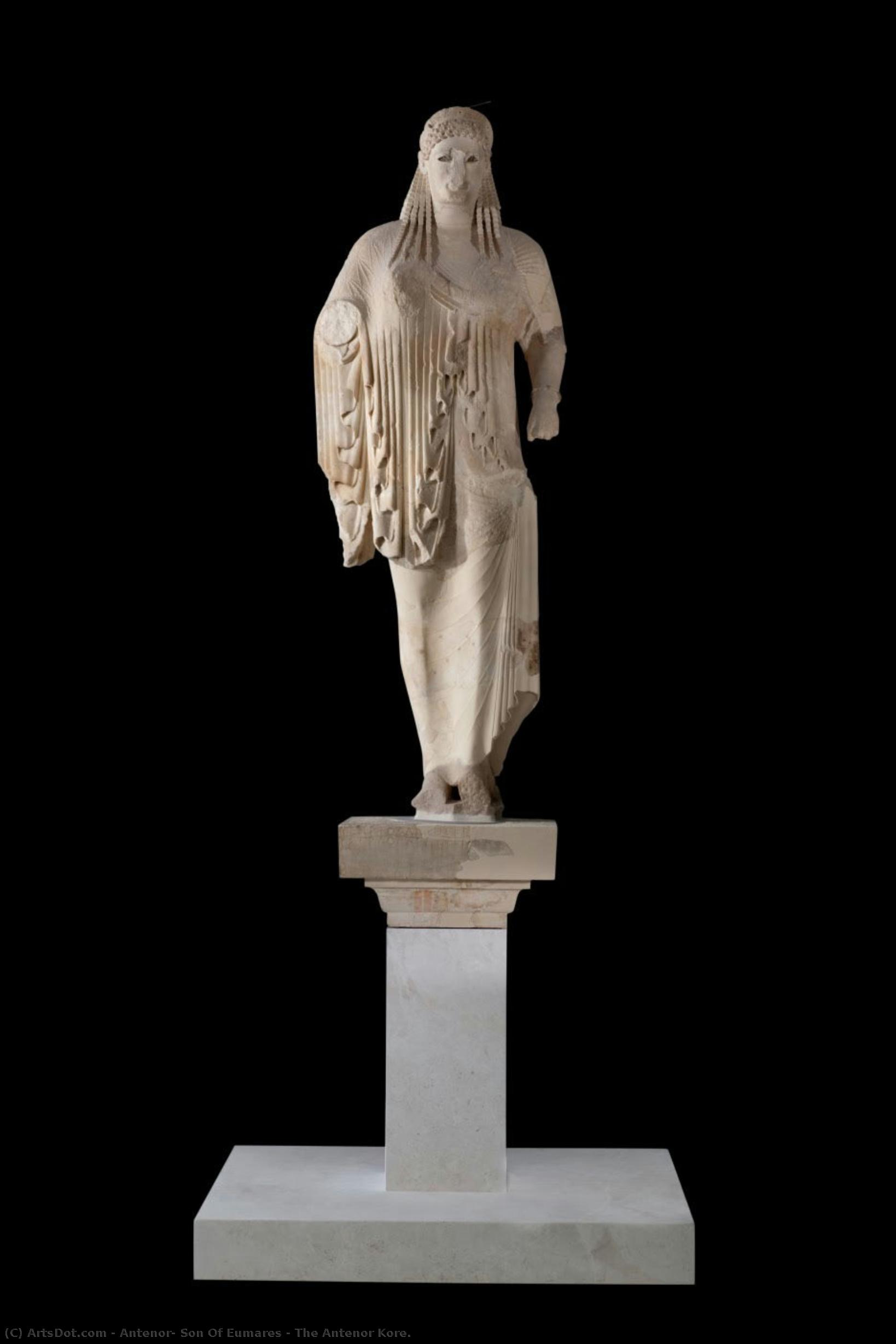
The Antenor Kore.


 詳細を見る
詳細を見る




































作品のオリジナル比率に合わせた、当店の規定サイズからお選びください。

特定のフレームやスペースに合わせて、ご希望のサイズをご入力いただけます。選択されたサイズが元の画像の比率と異なる場合、アートワークをトリミングするか、手描きで要素を追加して絵画を拡張いたします。デジタルモックアップ を制作し、制作開始前にご確認(承認)をいただきます。
画面上のプレビューは、実際のトリミングや拡張を正確に反映しているものではありません。最終的な構図は、モックアップによってのみ正確にご確認いただけます。
カスタムサイズもご利用いただけますが、元の比率を維持するためには、あらかじめ用意されたリストからサイズを選択することをお勧めいたします。
ご注文後、ArtsDot.com チームより詳細な指示をお送りするとともに、仕上がりイメージ(モックアップ)をご提供いたします。


 ガラスオプションは、110cm未満のサイズでのみご利用いただけます。

The Antenor Kore.
複製技法
複製画のサイズ
-


合計金額
$ 263
関連作品
アーティストの略歴
The Enigmatic Sculptor of Athenian Democracy: Antenor, Son of Eumares
Antenor, son of Eumares, remains a figure shrouded in the mists of sixth-century BCE Athens—a sculptor whose name is inextricably linked to the nascent spirit of democracy and the powerful symbolism that would define its early years. While biographical details are scarce, piecing together fragments from ancient texts and archaeological discoveries allows us to glimpse the life and artistry of this pivotal Athenian craftsman. Born in Athens, his existence coincides with a period of significant political upheaval, transitioning from tyranny under Hippias to the foundations of self-governance. He wasn’t merely a technician shaping stone; he was an active participant in defining the visual language of a new era, one that celebrated civic virtue and collective action. The very fact that his work was commissioned by the Athenian state following Hippias's expulsion speaks volumes about the trust placed in him to embody the ideals of freedom and resistance.The Tyrannicides: A Monument to Liberation
Antenor’s most celebrated achievement, and the one for which he is primarily remembered today, is his creation of the joint statues depicting Harmodius and Aristogeiton—the tyrannicides who assassinated Hippias's son, Tyranus, in 514 BCE. This act, though initially chaotic and ultimately unsuccessful in immediately overthrowing the tyranny, became a potent symbol of Athenian defiance. The commission for these bronze figures was not simply about commemorating two individuals; it was about solidifying a narrative of liberation and inspiring future generations to resist oppression. The statues weren’t intended as idealized portraits but rather as representations of courageous citizens willing to sacrifice everything for the common good. Plutarch, in his *Lives*, describes the profound impact these sculptures had on Athenian society, noting how they were venerated and even offered sacrifices. The figures stood not merely as art objects but as active participants in the civic life of Athens, influencing political discourse and reinforcing a sense of collective identity. The subsequent fate of these statues—their seizure by Xerxes I during the Persian Wars—further underscores their symbolic importance to both the Athenians and their adversaries; they were trophies representing Athenian spirit, deemed worthy of being displayed as spoils of war in Susa.Beyond Bronze: The Antenor Kore and Archaic Style
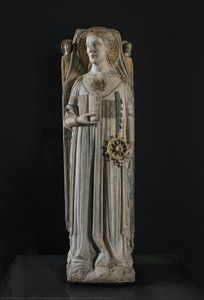
While the Tyrannicides represent Antenor’s most famous work, archaeological evidence reveals a broader artistic scope. The discovery of a basis signed by “Antenor son of Eumares” associated with a set of female figures in an archaic style displayed on the Acropolis suggests he was also proficient in creating *Kore* sculptures—the standing, draped maidens characteristic of early Greek art. These Kore figures, though less well-known than his bronze work, demonstrate Antenor’s mastery of marble carving and his adherence to the stylistic conventions of the Archaic period. The archaic style, with its rigid poses, stylized features, and emphasis on symmetry, was undergoing a gradual evolution during Antenor's lifetime. His Kore sculptures likely reflect this transition, showcasing both traditional elements and subtle innovations in drapery and anatomical representation. This suggests he wasn’t simply replicating existing forms but actively contributing to the development of Greek sculpture.Influences and Artistic Development
Pinpointing Antenor's specific artistic influences is challenging given the limited surviving evidence from this period. However, it’s reasonable to assume he was familiar with the sculptural traditions of Egypt and the Near East—cultures that exerted a significant influence on early Greek art. The rigid poses and stylized features characteristic of his Kore sculptures bear resemblance to Egyptian statuary, while the emphasis on detailed drapery may reflect influences from other Eastern cultures. His work also demonstrates an understanding of earlier Greek sculptors, building upon existing techniques and gradually refining them. The transition from the more static forms of early Archaic sculpture to the dynamic poses of his Tyrannicides suggests a deliberate artistic development, driven by both technical skill and a desire to capture movement and emotion. It’s important to note that sculptural workshops in ancient Greece were often collaborative endeavors, making it difficult to isolate the contributions of individual artists. Antenor likely worked alongside other sculptors, exchanging ideas and techniques, contributing to the collective evolution of Greek art.Legacy and Historical Significance
Antenor’s legacy extends far beyond his surviving sculptures. He represents a crucial link between the archaic and classical periods of Greek art—a sculptor who helped lay the foundations for the masterpieces that would define the Golden Age of Athens. His Tyrannicides, though lost to time, served as a powerful symbol of Athenian democracy, inspiring generations of artists and citizens alike. The very act of commissioning these statues by the state demonstrates the growing importance of public art in shaping civic identity and reinforcing political ideals.- His work embodies the spirit of resistance against tyranny.
- He contributed to the development of both bronze casting and marble carving techniques.
- Antenor’s sculptures played a vital role in defining the visual language of early Athenian democracy.
antenor, son of eumares
Greece
基本情報
- Artistic Movement Or Style: Archaic Style
- Artists Or Movements Influenced By This Artist: ['Classical Art']
- Artists Who Influenced This Artist: ['Euphranor']
- Full Name: Antenor, son of Eumares
- Nationality: Greek
- Notable Artworks:
- Tyrannicides statues
- Antenor Kore
- Place Of Birth: Athens, Greece
関連記事
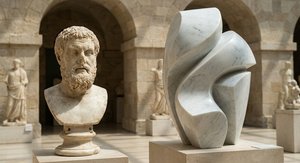
The Enduring Allure of Marble in Art History: From Classical Sculpture to Modern Abstraction
Explore the captivating history of marble sculpture from ancient Greece to modern art. Discover renowned artists like Canova & Michelangelo, carving techniques, and investment insights at ArtsDot.

Bronze Sculptures That Defined Art History | ArtsDot
Journey through art history with our Top 10 bronze sculptures! Explore masterpieces by Rodin, Michelangelo & more. Discover stories behind iconic statues and find museum-quality reproductions for your home decor at ArtsDot.com.
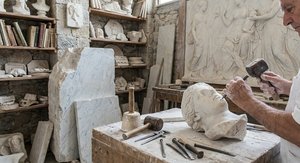
The Enduring Legacy of Marble: A Comprehensive Exploration of Technique, Symbolism & Artistic Expression
Explore the rich history of marble sculpture from antiquity to the Renaissance! Discover key techniques, influential artists & enduring themes in classical art. Expert insights for collectors and enthusiasts at ArtsDot.

The Enduring Form: Exploring Themes & Techniques in Sculpture Across Historical Periods
Explore the rich history of sculpture from ancient masterpieces to contemporary innovations. Discover key techniques, influential artists & investment potential for discerning art collectors.
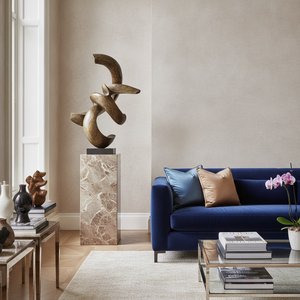
The Enduring Form: Sculpture Across History, Technique & Emotional Resonance
Explore the rich history of sculpture with ArtsDot. Discover key techniques, influential artists & investment potential for discerning collectors. Expert insights into valuing and collecting timeless masterpieces.

