

 プリントを購入
 シェアする
シェアする シェアする
シェアする
 詳細を見る
詳細を見る

 ダウンロード
 似ている作品
 スライドショー
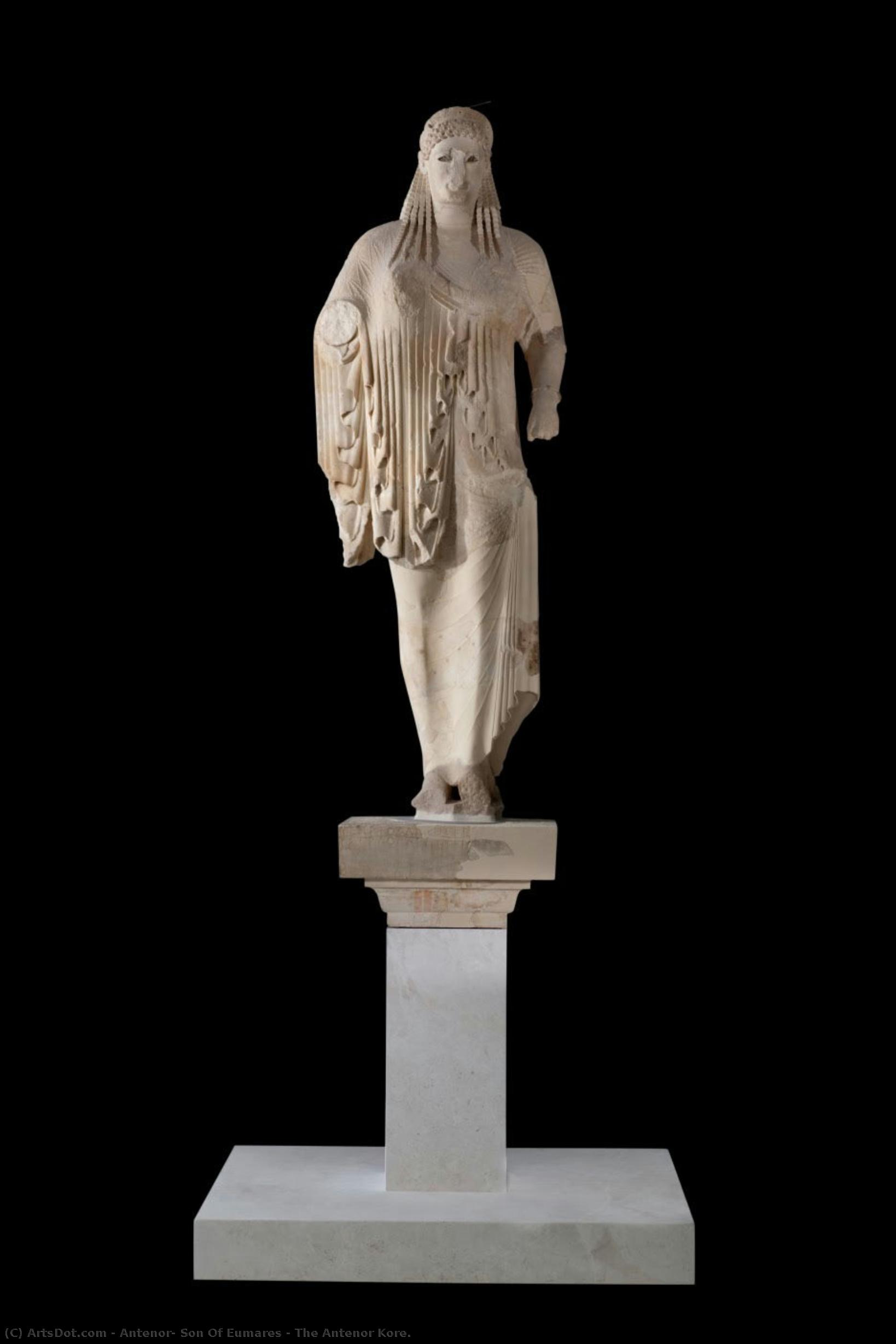
The Antenor Kore.


 詳細を見る
詳細を見る
オンラインプレビューをはるかに凌ぐ、高解像度で鮮明なデジタル画像をご購入いただけます。
各ファイルは、社内の専門家が高度なツールと熟練した手作業によるレタッチを用いて、細心の注意を払って準備されています。すべての画像において、卓越した鮮明度、正確な色彩再現性、そして繊細なディテールを保証いたします。
最終ファイルは、プロフェッショナルな編集・印刷環境ですぐにご利用いただけるよう最適化された状態で、72時間以内にメールにてお届けいたします。これは、一流のデザインスタジオ、出版社、ギャラリーから信頼されているものと同等の品質です。
デジタル画像のご注文に付随する特典
高品質なデジタル画像配信を、確かな品質で。
ArtsDot.com を選ぶことは、単に画像を手に入れることではありません。それは、プロの手によって精密に仕上げられ、満足保証が付いた高品質なデジタルアートワークを受け取ることを意味します。ご注文いただいた際に自動的に付随する内容は、以下の通りです:

メールですぐにお届け
ご注文から72時間以内に、高解像度のデジタル画像ファイルがメールでお手元に届きます。すぐにそのままご利用いただけます。

AI技術で最適化されたデジタルファイル
お客様の作品は、高度なAIツールと専門家による手作業の編集を組み合わせてプロフェッショナルに最適化されており、細部のディテール、鮮明さ、そして正確な色再現性を最大限に引き出しています。

一生涯無料の再送サービス
ファイルを誤って削除したり、紛失してしまったりしましたか?ご安心ください。いつでも無料で再送いたします。

輸入手数料は一切かかりません
関税や手数料、配送料を気にすることなく、お気に入りのアートワークをすぐにお楽しみいただけます。デジタルダウンロードは常に免税です。

色彩再現の保証
プロ仕様のツールとカラーマネジメント技術を用いることで、デジタル画像が元の色を最大限に忠実に再現することを保証いたします。

60日間満足保証
ご購入いただいたデジタル画像にご満足いただけない場合は、60日以内であれば、修正または100%の返金(理由を問う必要はありません)をさせていただきます。

100% 返金保証
ご満足いただけない場合は、デジタルファイルを受け取ってから60日以内であれば、理由を問わず全額返金いたします。

まとめ買い割引
3枚購入で10%OFF - 5枚購入で15%OFF - 10枚以上購入で20%OFF。クリエイティブなプロジェクト、ギャラリー、エージェンシーに最適です。
関連作品
作家の略歴
The Enigmatic Sculptor of Athenian Democracy: Antenor, Son of Eumares
Antenor, son of Eumares, remains a figure shrouded in the mists of sixth-century BCE Athens—a sculptor whose name is inextricably linked to the nascent spirit of democracy and the powerful symbolism that would define its early years. While biographical details are scarce, piecing together fragments from ancient texts and archaeological discoveries allows us to glimpse the life and artistry of this pivotal Athenian craftsman. Born in Athens, his existence coincides with a period of significant political upheaval, transitioning from tyranny under Hippias to the foundations of self-governance. He wasn’t merely a technician shaping stone; he was an active participant in defining the visual language of a new era, one that celebrated civic virtue and collective action. The very fact that his work was commissioned by the Athenian state following Hippias's expulsion speaks volumes about the trust placed in him to embody the ideals of freedom and resistance.The Tyrannicides: A Monument to Liberation
Antenor’s most celebrated achievement, and the one for which he is primarily remembered today, is his creation of the joint statues depicting Harmodius and Aristogeiton—the tyrannicides who assassinated Hippias's son, Tyranus, in 514 BCE. This act, though initially chaotic and ultimately unsuccessful in immediately overthrowing the tyranny, became a potent symbol of Athenian defiance. The commission for these bronze figures was not simply about commemorating two individuals; it was about solidifying a narrative of liberation and inspiring future generations to resist oppression. The statues weren’t intended as idealized portraits but rather as representations of courageous citizens willing to sacrifice everything for the common good. Plutarch, in his *Lives*, describes the profound impact these sculptures had on Athenian society, noting how they were venerated and even offered sacrifices. The figures stood not merely as art objects but as active participants in the civic life of Athens, influencing political discourse and reinforcing a sense of collective identity. The subsequent fate of these statues—their seizure by Xerxes I during the Persian Wars—further underscores their symbolic importance to both the Athenians and their adversaries; they were trophies representing Athenian spirit, deemed worthy of being displayed as spoils of war in Susa.Beyond Bronze: The Antenor Kore and Archaic Style
While the Tyrannicides represent Antenor’s most famous work, archaeological evidence reveals a broader artistic scope. The discovery of a basis signed by “Antenor son of Eumares” associated with a set of female figures in an archaic style displayed on the Acropolis suggests he was also proficient in creating *Kore* sculptures—the standing, draped maidens characteristic of early Greek art. These Kore figures, though less well-known than his bronze work, demonstrate Antenor’s mastery of marble carving and his adherence to the stylistic conventions of the Archaic period. The archaic style, with its rigid poses, stylized features, and emphasis on symmetry, was undergoing a gradual evolution during Antenor's lifetime. His Kore sculptures likely reflect this transition, showcasing both traditional elements and subtle innovations in drapery and anatomical representation. This suggests he wasn’t simply replicating existing forms but actively contributing to the development of Greek sculpture.Influences and Artistic Development
Pinpointing Antenor's specific artistic influences is challenging given the limited surviving evidence from this period. However, it’s reasonable to assume he was familiar with the sculptural traditions of Egypt and the Near East—cultures that exerted a significant influence on early Greek art. The rigid poses and stylized features characteristic of his Kore sculptures bear resemblance to Egyptian statuary, while the emphasis on detailed drapery may reflect influences from other Eastern cultures. His work also demonstrates an understanding of earlier Greek sculptors, building upon existing techniques and gradually refining them. The transition from the more static forms of early Archaic sculpture to the dynamic poses of his Tyrannicides suggests a deliberate artistic development, driven by both technical skill and a desire to capture movement and emotion. It’s important to note that sculptural workshops in ancient Greece were often collaborative endeavors, making it difficult to isolate the contributions of individual artists. Antenor likely worked alongside other sculptors, exchanging ideas and techniques, contributing to the collective evolution of Greek art.Legacy and Historical Significance
Antenor’s legacy extends far beyond his surviving sculptures. He represents a crucial link between the archaic and classical periods of Greek art—a sculptor who helped lay the foundations for the masterpieces that would define the Golden Age of Athens. His Tyrannicides, though lost to time, served as a powerful symbol of Athenian democracy, inspiring generations of artists and citizens alike. The very act of commissioning these statues by the state demonstrates the growing importance of public art in shaping civic identity and reinforcing political ideals.- His work embodies the spirit of resistance against tyranny.
- He contributed to the development of both bronze casting and marble carving techniques.
- Antenor’s sculptures played a vital role in defining the visual language of early Athenian democracy.
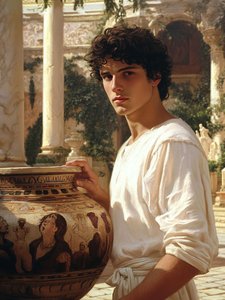
antenor, son of eumares
Greece
プロフィール概要
- Artistic Movement Or Style: Archaic Style
- Artists Or Movements Influenced By This Artist: ['Classical Art']
- Artists Who Influenced This Artist: ['Euphranor']
- Full Name: Antenor, son of Eumares
- Nationality: Greek
- Notable Artworks:
- Tyrannicides statues
- Antenor Kore
- Place Of Birth: Athens, Greece

