

 プレビュー
プレビュー
 シェアする
シェアする シェアする
シェアする
 詳細を見る
詳細を見る

 ダウンロード
 似ている作品
 X線調査
X線調査 スライドショー
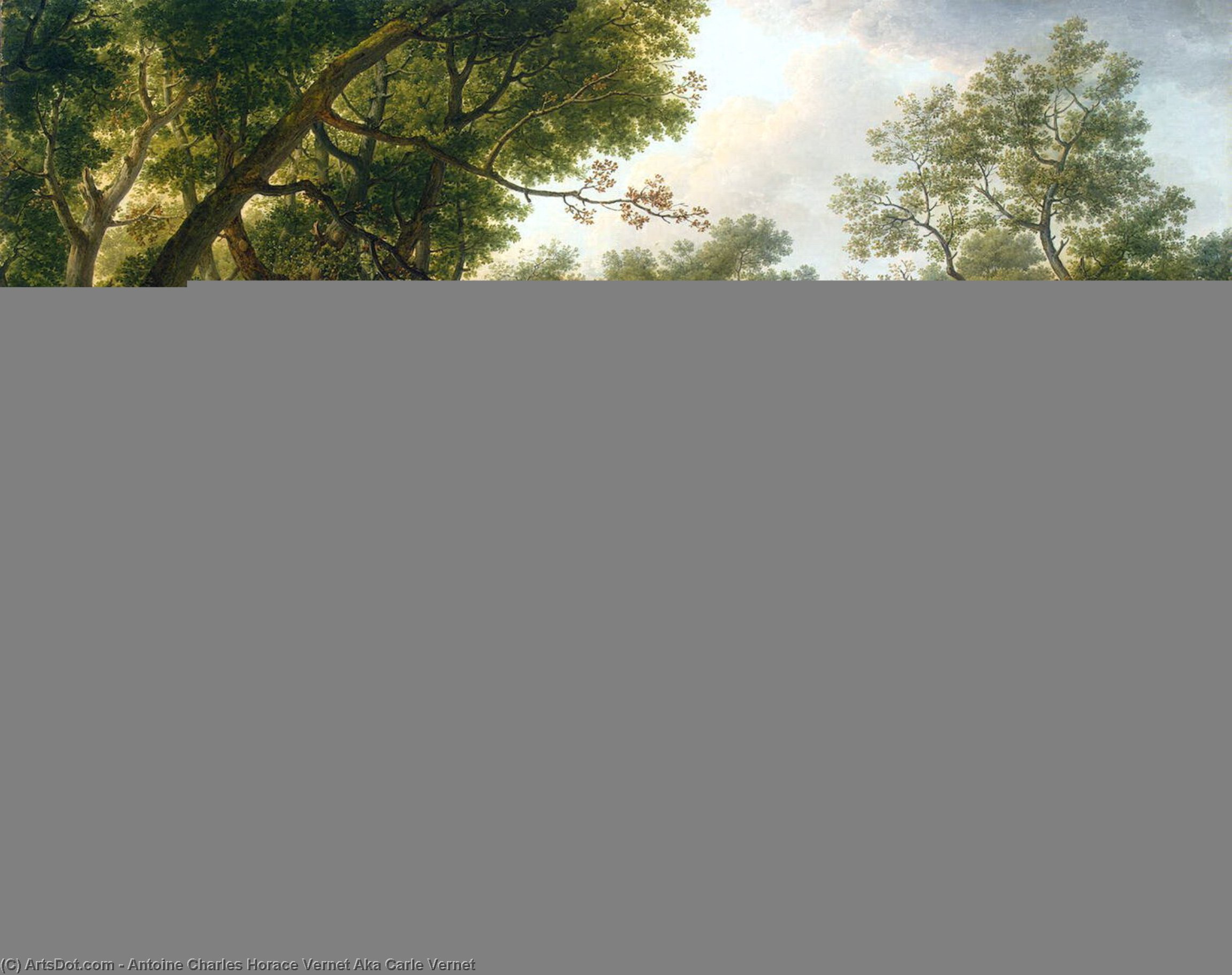
Napoleon on a Hunt in the Forest of Compiègne
 Acrylic On Canvas
- WallArt
- Romanticism
 1811
1811 131.0 x 163.0 cm
 エルミタージュ美術館
 詳細を見る
詳細を見る
ジークレー/アートプリント
迅速な制作と多彩な仕上げオプションを備えた、ミュージアムクオリティのジークレーまたはキャンバスプリント。 ( 手描きの絵画を購入 画像を購入)




P118B $10

P118H $10

P118W $10

P438Z $10

P508JH $12

P508YH $12

P805H $10

P805Z $10

P919BZ $10

P919G $10

P919XJ $10

P959ZH $10

P968JZ $12

W106C $8

W218G $10

W218JH $8

W218Y $10

W307PJ $10

W316G $10

W316PJ $8

W316Y $10

W398PJ $8

W4111J $10

W500HY $15

W500JH $15

W692G $12

W849H $8

W940BG $15

W953PJ $8




作品のオリジナル比率に合わせた、当店の規定サイズからお選びください。

特定のフレームやスペースに合わせて、ご自身でサイズを指定することも可能です。選択されたサイズが元の画像の比率と一致しない場合、作品をトリミングするか、鏡面反射または単色での塗りつぶしによって画像を拡張いたします。制作を開始する前に、ご確認用のデジタルモックアップをお送りいたします。
画面上のプレビューには、実際のトリミングや拡張は反映されませんのでご注意ください。最終的な構図を正確に確認できるのは、モックアップのみとなります。
カスタムサイズも承っておりますが、元の比率を維持するためには、あらかじめ用意されたリストからサイズを選択することをお勧めいたします。


 ガラスオプションは、110cm未満のサイズでのみご利用いただけます。

Napoleon on a Hunt in the Forest of Compiègne
ジークレー/アートプリント
複製画のサイズ
-


合計金額
$ 62
Napoleon on a Hunt in the Forest of Compiègne
The painting by Antoine Charles Horace Vernet, “Napoleon on a Hunt in the Forest of Compiègne,” transcends mere depiction; it embodies an era—the twilight years of Napoleon III’s reign and the lingering echoes of imperial grandeur. Completed in 1811, this monumental oil on canvas captures not just a hunting expedition but a carefully orchestrated tableau designed to project power and prestige onto the French monarchy. Vernet, renowned for his dramatic landscapes infused with equestrian subjects, skillfully blends realism with idealized vision, cementing his place as one of the foremost artists of his time.- Subject Matter: The scene unfolds within the Forest of Compiègne, a location steeped in history – notably the site of the Armistice negotiations that ended World War I. Vernet’s depiction portrays Napoleon III accompanied by a sizable entourage engaged in pursuits of game animals, primarily deer and hounds. This wasn't simply a pastime; it was a deliberate assertion of royal authority and dominion over nature itself.
- Style: Vernet’s style is firmly rooted in Romanticism, prioritizing emotional intensity and dramatic composition over precise anatomical detail. The artist employs chiaroscuro—the interplay of light and shadow—to heighten the visual impact, creating a palpable sense of atmosphere and conveying the grandeur of the royal presence.
- Technique: Vernet’s masterful brushwork contributes to the painting's dynamism. Thick impasto – applying paint thickly onto the canvas – lends texture and physicality to the trees and figures alike, emphasizing their solidity and reinforcing the impression of a powerful spectacle. The artist meticulously renders the forest foliage with remarkable accuracy, capturing the dappled sunlight filtering through the branches.
Historical Context: Imperial Symbolism
The painting’s significance extends beyond its aesthetic qualities; it serves as a potent symbol of Napoleon III's ambition to revive the glory days of the Bourbon monarchy. The forest itself represents France—a vast expanse under royal stewardship—while Napoleon III’s posture and attire communicate regal dignity and confidence. Furthermore, the inclusion of hounds symbolizes vigilance and preparedness – attributes deemed essential for maintaining order and safeguarding the realm during a period marked by political instability.- Symbolism: Vernet deliberately utilizes visual cues to convey messages of power and stability. Napoleon III’s commanding gaze directs attention upwards, reinforcing his position as ruler. The deer hunted represent nobility and grace—values upheld by the monarchy during this era. The overall composition underscores the importance of tradition and heritage.
- Composition: Vernet arranges the figures within the forest with meticulous care, creating a balanced yet energetic scene. The central group of Napoleon III and his companions dominates the canvas, while surrounding individuals contribute to the sense of movement and activity. This deliberate structuring enhances the painting’s dramatic impact.
Emotional Impact: Capturing Grandeur
“Napoleon on a Hunt in the Forest of Compiègne” succeeds in evoking a profound emotional response from the viewer. The artist captures not only the visual splendor of the forest but also the palpable excitement and anticipation associated with royal hunts—events that served as crucial expressions of imperial prestige. The painting’s luminous palette and masterful brushwork convey a sense of grandeur and majesty, transporting the audience back to a bygone era of aristocratic splendor.- Atmosphere: Vernet expertly renders the forest atmosphere—the cool shade of the trees contrasted with the warm glow of sunlight—creating an immersive experience for the observer. The painting’s mood is one of stately solemnity mingled with spirited enthusiasm.
- Legacy: Today, “Napoleon on a Hunt in the Forest of Compiègne” stands as a testament to Vernet's artistic genius and his ability to encapsulate the spirit of an epoch. Its enduring appeal lies in its masterful execution and its evocative portrayal of royal life—a captivating glimpse into the grandeur of Napoleon III’s reign.
関連作品
![The Procession To Calvary [detail] — ピエートル・ブーゲル・ザ・イルダー, Northern Mannerism](/media/artworks/images-thumb/cd/6e/cd6ed1a8a9ff3f207ad25305adfeb0f7.jpg)
アーティストの略歴
アントワーヌ・シャルル・オラス・ヴェルネ:ナポレオンの栄光を駆る馬
しばしば「カール・ヴェルネ」として知られる彼は、19世紀フランス美術における極めて重要な人物でした。戦場の躍動感と、馬という主題が持つ魅惑的な優雅さをシームレスに融合させた画家です。1758年にボルドーで生まれ、父クロード=ジョゼフ・ヴェルネに遡る芸術家の血筋を引くカールにとって、幼少期は彼の将来のキャリアを予感させるものでした。生後わずか五歳から、彼は馬を描く類まれな才能を発揮し、その情熱はニコラ=ベルナール・レピシエと共に厳格な学術訓練によって育まれていきましたが、最終的には彼を定められた伝統的な道から遠ざけることとなりました。驚きに満ちた転機が訪れたのは、1782年に権威あるローム賞を受賞した時です。この功績は当初、彼を従来の芸術家としてのキャリアへと押し進めるように見えましたが、父の介入によってその道はあっけなく閉ざされ、修道院に入るという運命が彼の成功によって定められたかのように思われました。 この初期の経験がカールのアプローチを形作りました。彼は意図的に確立された慣習を破り、当時主流であった理想化された表現とはかけ離れ、馬を自然な環境で観察した厩舎や乗馬学校から直接インスピレーションを得たのです。彼の最も称賛される作品群、例えば『エミilius・パウルス凱旋』などは、この革新的な技法を示し、前例のないリアリズムをもって馬の持つ生々しい力と動きを捉えていました。革命は彼の人生に深く影響を与え、妹の処刑という出来事は長い影を落とし、彼を一時的に芸術から遠ざけました。その後、フランス監政府の下で再びこの職業に戻った際、彼のスタイルには劇的な変化が見られ、それはナポレオン・ボナパルトへの奉仕によって後押しされたものでした。ナポレオン時代:勝利と栄光を描く
カール・ヴェルネの芸術的な軌跡は、ナポレオン時代に特異な転換点を迎えます。彼は視覚的なプロパガンダの力を認識し、ナポレオンから自らの軍事遠征を緻密なドローイング群で記録するよう依頼されました。これらは単なる挿絵ではなく、皇帝を賛美し士気を高揚させるための戦略的な道具でした。ヴェルサイユ宮殿に所蔵されている『マレンゴの戦い』(1804年)のような作品は、この時代の証言として存在しています。そこには、兵士たち、騎馬隊の突撃、そして戦いの混沌が、驚くべき正確さと劇的な強烈さをもって描かれています。彼は単に出来事そのものだけでなく、勝利の雰囲気までも捉え、自らの場面に触れるほどの英雄性と凱歌を吹き込んだのです。ナポレオン自身から授与された栄誉勲章を含むこれらの作品に対する称賛は、彼を宮廷画家として、そして体制にとって重要なプロパガンダ作家としての地位を確固たるものにしました。戦場を超えて:馬術芸術の巨匠
初期の作品が軍事的な主題に支配されていた一方で、カール・ヴェルネの芸術的関心はナポレオン失脚後の数十年で著しく広がりを見せます。彼は馬を描くことに比類なき専門性を培いました。それは単なる戦争の道具としてではなく、優雅さ、力強さ、そして気品を象徴するものとしてです。彼の狩猟風景、競馬、そして様々な品種の描写は、馬の解剖学、動き、そして気質に対する深い理解を示していました。彼はただ馬を描いていたのではありません。それは彼らの本質を捉え、繊細な仕草や微妙な表情を通してその魂を伝えていたのです。当時の批評家たちは彼の独自の視点に注目し、伝統的なアカデミックな定式に頼るのではなく、厩舎や乗馬学校からインスピレーションを得た点を指摘しました。これは彼の観察力とリアリズムへの献身の証でした。彼の丹念な馬種の研究は、裕福なパトロンやブリーダーたちから熱烈に求められるものとなりました。石版画とファッション:二面性を持つ才能
カール・ヴェルネの芸術的な多様性は絵画にとどまりませんでした。彼はリトグラフィーという初期の採用者であり、この技法によって自らのドローイングを驚くほどの明瞭さと詳細さで紙上に再現することが可能になりました。この媒体は、パリ社会の流行を描写するのに特に適していました。彼は一連の印象的な衣装研究――『不条理なものと奇妙なもの』(1797年)――を生み出し、優雅に身を包んだパリ市民たちが様々な社交活動に従事する様子を描き、18世紀末から19世紀初頭の文化への魅惑的な垣間見を提供しました。これらの版画は絶大な人気を博し、彼を芸術家であると同時に現代のマナーを鋭く観察する人物としての評判を確立させました。彼の作品は単なる芸術的技術だけでなく、世間の嗜好に対する洞察力をも反映していたのです。遺産と影響
カール・ヴェルネが美術界に与えた影響は否定できません。特に自然主義と動きへの焦点という点で、馬を描く彼のアプローチは何世代もの芸術家に影響を与えました。彼の細部への注意深さと劇的な構図は、戦場やスポーツの主題における新たな基準を打ち立てました。さらに重要な点として、彼は古典的な芸術的伝統と台頭しつつあったロマン主義の時代との間のギャップを埋めました。より大きなリアリズムと感情的なインパクトを追求するために、慣習を破ることを厭わない姿勢を示したのです。彼の弟子であるテオドール・ジェリコーは、ヴェルネの工房で有名に修行し、この芸術家の独特なスタイルを定義づけた多くの技法を受け継ぎ、さらに発展させました。カール・ヴェルネは1836年にパリで亡くなり、絵画、ドローイング、版画という豊かな遺産を残しました。それは彼の並外れた才能とフランス美術史に対する永続的な影響力の証なのです。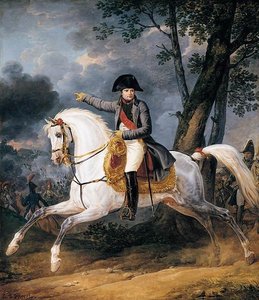
アントワーヌ・シャルル・オラース・ヴェルネ
1758 - 1836 , フランス
基本情報
- Artistic Movement Or Style: 新古典主義、戦闘シーン
- Artists Or Movements Influenced By This Artist: ['オラス・ヴェルネ']
- Artists Who Influenced This Artist: ['クロード=ジョゼフ・ヴェルネ']
- Date Of Birth: 1758年8月14日
- Date Of Death: 1836年11月27日
- Full Name: アントワーヌ・シャルル・オラス・ヴェルネ
- Nationality: フランス人
- Notable Artworks:
- アエミilius・パウルス凱旋
- マレンゴの戦い
- 狩猟からの帰還
- Place Of Birth: ボルドー、フランス
関連記事
John Frederick Herring Sr.: Equestrian Mastery & the Rise of Sporting Art in Victorian England
Explore the life & work of John Frederick Herring Sr., a leading Victorian equestrian artist. Discover his masterpieces, patronage, techniques & investment potential. Expert insights for collectors.
The Refined Aesthetic of Victorian Illustration: A Study in Narrative & Technique
Explore the captivating world of Victorian illustration! Discover Pre-Raphaelite influences, key artists like Rossetti & Stephens, and the era's rich narrative detail. A deep dive for art enthusiasts.
Antoine Blanchard (Marcel Masson): Parisian Abstraction & the Legacy of Automatism
Explore the captivating world of Antoine Blanchard (Marcel Masson) and his nostalgic Parisian scenes. Discover his artistic influences, unique style, and the challenges of authentication. Expert insights & art appraisal information.
Jean-Georges Béraud: Capturing Parisian Life in the Belle Époque
Explore the captivating world of Jean-Georges Béraud, master painter of Belle Époque Paris. Discover his iconic scenes, artistic evolution, and social commentary. A deep dive into 19th-century French art.
Charles Le Brun: Master of French Baroque Classicism & His Enduring Legacy
Explore the life & art of Charles Le Brun, master of French Baroque Classicism. Discover his royal commissions, influence on Versailles, and enduring legacy through detailed analysis & stunning artworks.

