

 プリントを購入
 シェアする
シェアする シェアする
シェアする
 詳細を見る
詳細を見る

 ダウンロード
 似ている作品
 スライドショー
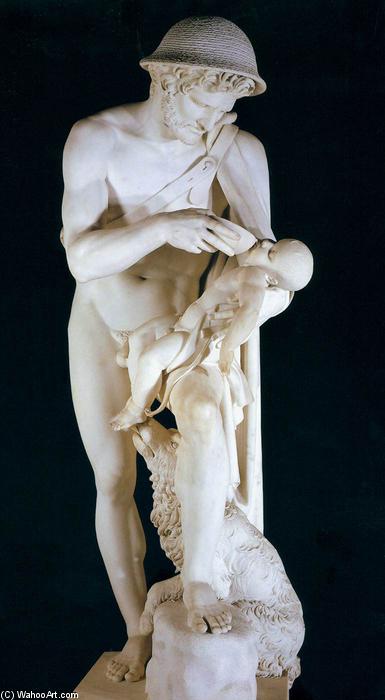
The Child Oedipus Revived by the Shepherd Phorbas
 Sculpture
- Sculpture
- Neoclassical Sculpture
 1815
1815 196.0 x 75.0 cm
 ルーブル美術館
 詳細を見る
詳細を見る




































作品のオリジナル比率に合わせた、当店の規定サイズからお選びください。

特定のフレームやスペースに合わせて、ご希望のサイズをご入力いただけます。選択されたサイズが元の画像の比率と異なる場合、アートワークをトリミングするか、手描きで要素を追加して絵画を拡張いたします。デジタルモックアップ を制作し、制作開始前にご確認(承認)をいただきます。
画面上のプレビューは、実際のトリミングや拡張を正確に反映しているものではありません。最終的な構図は、モックアップによってのみ正確にご確認いただけます。
カスタムサイズもご利用いただけますが、元の比率を維持するためには、あらかじめ用意されたリストからサイズを選択することをお勧めいたします。
ご注文後、ArtsDot.com チームより詳細な指示をお送りするとともに、仕上がりイメージ(モックアップ)をご提供いたします。


 ガラスオプションは、110cm未満のサイズでのみご利用いただけます。

The Child Oedipus Revived by the Shepherd Phorbas
複製技法
複製画のサイズ
-


合計金額
$ 288
作品解説
A Moment of Grace: Antoine Denis Chaudet’s “The Child Oedipus Revived by the Shepherd Phorbas”
Antoine Denis Chaudet's "The Child Oedipus Revived by the Shepherd Phorbas," a breathtaking marble sculpture created in 1815, transcends mere representation to embody a profound meditation on compassion, loss, and the enduring power of human connection. Housed within the hallowed halls of the Musée du Louvre in Paris, this work isn’t simply a depiction of a myth; it's a visceral portrayal of a pivotal moment – the tentative rebirth of innocence amidst the shadows of fate. Chaudet, a sculptor deeply rooted in the Neoclassical tradition yet imbued with Romantic sensibilities, masterfully captures the vulnerability and nascent hope within the scene.
The sculpture’s genesis lies firmly within the Greek tragedy of Oedipus, a tale steeped in prophecy, incest, and devastating consequences. The story itself speaks to the inescapable nature of destiny, but Chaudet's interpretation shifts the focus from the tragic hero himself to the quiet act of rescue offered by Phorbas, a shepherd who discovers the abandoned infant Oedipus on Mount Cithaeron. This seemingly simple encounter becomes the cornerstone of the sculpture’s emotional resonance. The composition immediately draws the viewer in; the dark background—a deliberate choice that intensifies the luminosity of the marble—creates an almost theatrical stage for this intimate drama. The figures are positioned with a carefully orchestrated sense of weight and balance, reflecting the solemnity of the event.
Neoclassical Form, Romantic Emotion
Chaudet’s technical skill is immediately apparent in the sculpture's meticulous detail. The marble itself is rendered with an astonishing fidelity to life – the folds of Phorbas’s cloak cascade realistically, mirroring the contours of his body; the delicate lines of Oedipus’s tunic and the subtle curve of his face reveal a deep understanding of human anatomy. The use of cool, pale tones—characteristic of Neoclassical sculpture—contrasts sharply with the warm, earthy hues of the shepherd's attire, further emphasizing the contrast between the world of myth and the tangible reality of rescue. Yet, despite this adherence to classical principles, Chaudet infuses the work with a distinctly Romantic sensibility. The emotional intensity conveyed through the figures’ expressions – Phorbas’s gentle concern and Oedipus’s fragile dependence—is palpable, suggesting a deeper exploration of human feeling than typically found in Neoclassical art.
Symbolism and Narrative Depth
Beyond its technical brilliance, “The Child Oedipus Revived” is rich with symbolic meaning. Phorbas represents compassion, kindness, and the potential for redemption—a beacon of hope amidst a world seemingly predetermined by tragedy. His act of reviving the infant symbolizes not just physical survival but also the restoration of innocence and the possibility of a different future. Oedipus himself, depicted as a vulnerable child, embodies the fragility of human existence and the enduring power of love and care. The inclusion of the dog at Phorbas’s feet adds another layer to the narrative—a symbol of loyalty and guardianship, reinforcing the theme of protection and nurturing. It's a scene that speaks volumes about the transformative power of empathy.
A Timeless Masterpiece
Created in 1815 during a period of significant artistic and political upheaval – Napoleon’s rise to power and the subsequent restoration of the Bourbon monarchy – “The Child Oedipus Revived by the Shepherd Phorbas” stands as a testament to Chaudet's enduring legacy. The sculpture’s emotional depth, combined with its impeccable craftsmanship, ensures its continued relevance for art lovers and collectors alike. Reproductions of this iconic work offer a remarkable opportunity to bring this poignant narrative into any setting, serving as a constant reminder of the importance of compassion, hope, and the enduring power of human connection. The piece’s dimensions – 196 x 75 cm – are substantial, commanding attention and creating a focal point within any room. It is more than just a sculpture; it's an invitation to contemplate the complexities of fate, the beauty of kindness, and the enduring spirit of humanity.
関連作品
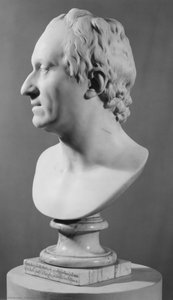
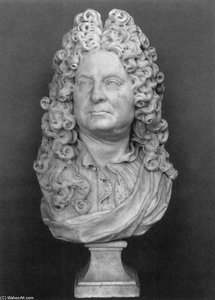
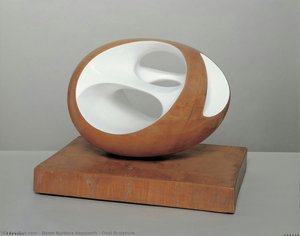
アーティストの略歴
The Sculptor of Napoleonic Grandeur
In the turbulent transition from the Enlightenment to the Napoleonic era, few artists captured the stoic elegance and burgeoning imperial identity of France as profoundly as Antoine Denis Chaudet. Born in Paris in 1763, Chaudet emerged from an age of intellectual ferment, a period where the echoes of Roman antiquity were being rediscovered through the lens of Neoclassicism. His artistic journey was not merely one of personal ambition but was deeply rooted in the rigorous academic traditions of his time. Under the guidance of masters like Jean-Baptiste Stouf at the Royal Academy of Painting and Sculpture, Chaudet developed a technical precision that would later become his hallmark. His early triumph came in 1784 when his bas-relief, Joseph Sold into Slavery by His Brothers, earned him the prestigious Prix-de-Rome. This accolade granted him the transformative opportunity to study at the French Academy in Rome, where he spent four formative years immersed in the silent, powerful presence of ancient Greek and Roman sculpture. It was here that the seeds of his classical vocabulary were sown, learning to translate the weight of history into the delicate smoothness of marble.
Upon his return to France, Chaudet’s career ascended alongside the political tides of his nation. As Napoleon Bonaparte rose to power, Chaudet’s ability to imbue stone with both imperial dignity and classical grace made him an indispensable figure in the creation of a new French visual language. His life was also marked by a profound personal partnership; his marriage to Jeanne-Elisabeth Gabiou, a woman of significant artistic talent himself a student of his, created a domestic sphere of shared creativity and mutual inspiration. This union supported a career that would eventually see him appointed as the Director-General of Sculpture in 1802, a position of immense influence that allowed him to shape the very aesthetic landscape of the French Empire.
Mastery of Form and Neoclassical Spirit
The essence of Chaudet’s work lies in its unwavering commitment to the Neoclassical ideal—a pursuit of purity, balance, and emotional restraint. His sculptures are characterized by a masterful command over medium, whether working in the luminous translucency of marble or the rich, detailed surfaces of bronze. He possessed a rare ability to evoke pathos without resorting to excessive drama, finding beauty in the quiet tension of a pose or the subtle curve of a limb. This is perhaps most poignantly seen in his work Belisarius and His Guide, where the contrast between the sightless, once-great general and his youthful companion creates a moving narrative of vulnerability and resilience. In such pieces, Chaudet does not merely replicate anatomy; he breathes a sense of moral weight into the material.
His repertoire was vast, ranging from the intimate to the monumental:
- Imperial Portraiture: His celebrated busts of Napoleon I and Joséphine stand as definitive icons of the era, capturing the psychological depth and the idealized majesty required by the imperial court.
- Mythological Allegory: Works such as Cupid Playing with a Butterfly demonstrate his ability to capture fleeting, delicate moments of grace, utilizing the softness of marble to mimic the lightness of life.
- Biblical and Classical Narratives: His illustrations for the works of Jean Racine and his depictions of figures like Oedipus showcase his skill in handling complex, heavy themes through a refined, classical lens.
A Lasting Legacy in Stone
Though his life was tragically short, ending in Paris in 1810 at the age of forty-seven, Antoine Denis Chaudet left behind an indelible mark on the history of Western sculpture. He functioned as a bridge between the rigid academicism of the old regime and the romanticized grandeur of the Napoleonic era. His influence can be traced through the halls of the world's greatest museums, from the Louvre in Paris to the Metropolitan Museum of Art in New York, where his works continue to command reverence for their technical perfection and historical resonance.
Chaudet’s significance extends beyond mere craftsmanship; he was a visual architect of an empire. Through his hands, the triumphs and the tragedies of his age were immortalized in a style that sought permanence amidst political upheaval. He remains a definitive voice of the Neoclassical movement, reminding us that true art possesses the power to transform the coldness of stone into the enduring warmth of human history.
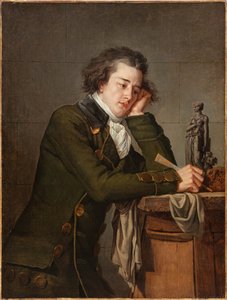
antoine denis chaudet
1763 - 1810 , France
基本情報
- Artistic Movement Or Style: Neoclassical
- Artists Or Movements Influenced By This Artist: ['Roman Sculpture']
- Artists Who Influenced This Artist: ['Antonio Canova']
- Date Of Birth: 1763
- Full Name: Antoine Denis Chaudet
- Nationality: French
- Notable Artworks: ['Peace']
- Place Of Birth: Paris, France
関連記事

Bronze Sculptures That Defined Art History | ArtsDot
Journey through art history with our Top 10 bronze sculptures! Explore masterpieces by Rodin, Michelangelo & more. Discover stories behind iconic statues and find museum-quality reproductions for your home decor at ArtsDot.com.

The Enduring Form: Exploring Themes & Techniques in Sculpture Across Historical Periods
Explore the rich history of sculpture from ancient masterpieces to contemporary innovations. Discover key techniques, influential artists & investment potential for discerning art collectors.
The Enduring Form: Sculpture Across History, Technique & Emotional Resonance
Explore the rich history of sculpture with ArtsDot. Discover key techniques, influential artists & investment potential for discerning collectors. Expert insights into valuing and collecting timeless masterpieces.

Bronze Age to Modern Masters: 10 Sculptures That Redefined Art | ArtsDot
Journey through art history with 10 legendary bronze sculptures – from Michelangelo's David to Rodin’s Thinker. Explore the stories, techniques & timeless beauty of these masterpieces. Find museum-quality reproductions & elevate your home decor on ArtsDot.com.
Antonio Canova: Neoclassical Sculpture & the Pursuit of Emotional Perfection
Explore the life & art of Antonio Canova, the greatest Neoclassical sculptor. Discover his masterpieces, innovative techniques, and lasting influence on fine art collecting. Expert insights for discerning investors.

