

 プリントを購入
 シェアする
シェアする シェアする
シェアする
 詳細を見る
詳細を見る

 ダウンロード
 似ている作品
 スライドショー
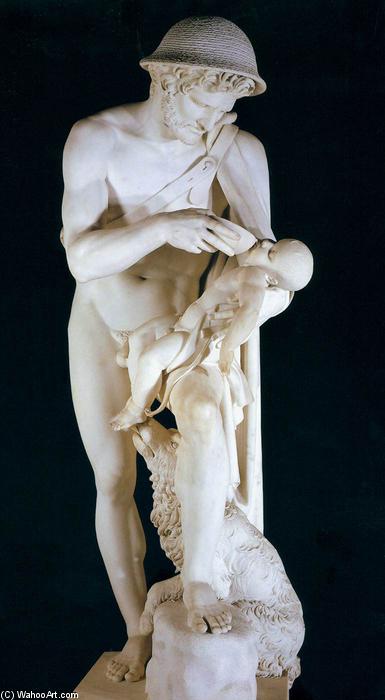
The Child Oedipus Revived by the Shepherd Phorbas
 Sculpture
- Sculpture
- Neoclassical Sculpture
 1815
1815 196.0 x 75.0 cm
 ルーブル美術館
 詳細を見る
詳細を見る
オンラインプレビューをはるかに凌ぐ、高解像度で鮮明なデジタル画像をご購入いただけます。
各ファイルは、社内の専門家が高度なツールと熟練した手作業によるレタッチを用いて、細心の注意を払って準備されています。すべての画像において、卓越した鮮明度、正確な色彩再現性、そして繊細なディテールを保証いたします。
最終ファイルは、プロフェッショナルな編集・印刷環境ですぐにご利用いただけるよう最適化された状態で、72時間以内にメールにてお届けいたします。これは、一流のデザインスタジオ、出版社、ギャラリーから信頼されているものと同等の品質です。
デジタル画像のご注文に付随する特典
高品質なデジタル画像配信を、確かな品質で。
ArtsDot.com を選ぶことは、単に画像を手に入れることではありません。それは、プロの手によって精密に仕上げられ、満足保証が付いた高品質なデジタルアートワークを受け取ることを意味します。ご注文いただいた際に自動的に付随する内容は、以下の通りです:

メールですぐにお届け
ご注文から72時間以内に、高解像度のデジタル画像ファイルがメールでお手元に届きます。すぐにそのままご利用いただけます。

AI技術で最適化されたデジタルファイル
お客様の作品は、高度なAIツールと専門家による手作業の編集を組み合わせてプロフェッショナルに最適化されており、細部のディテール、鮮明さ、そして正確な色再現性を最大限に引き出しています。

一生涯無料の再送サービス
ファイルを誤って削除したり、紛失してしまったりしましたか?ご安心ください。いつでも無料で再送いたします。

輸入手数料は一切かかりません
関税や手数料、配送料を気にすることなく、お気に入りのアートワークをすぐにお楽しみいただけます。デジタルダウンロードは常に免税です。

色彩再現の保証
プロ仕様のツールとカラーマネジメント技術を用いることで、デジタル画像が元の色を最大限に忠実に再現することを保証いたします。

60日間満足保証
ご購入いただいたデジタル画像にご満足いただけない場合は、60日以内であれば、修正または100%の返金(理由を問う必要はありません)をさせていただきます。

100% 返金保証
ご満足いただけない場合は、デジタルファイルを受け取ってから60日以内であれば、理由を問わず全額返金いたします。

まとめ買い割引
3枚購入で10%OFF - 5枚購入で15%OFF - 10枚以上購入で20%OFF。クリエイティブなプロジェクト、ギャラリー、エージェンシーに最適です。
作品の詳細
A Moment of Grace: Antoine Denis Chaudet’s “The Child Oedipus Revived by the Shepherd Phorbas”
Antoine Denis Chaudet's "The Child Oedipus Revived by the Shepherd Phorbas," a breathtaking marble sculpture created in 1815, transcends mere representation to embody a profound meditation on compassion, loss, and the enduring power of human connection. Housed within the hallowed halls of the Musée du Louvre in Paris, this work isn’t simply a depiction of a myth; it's a visceral portrayal of a pivotal moment – the tentative rebirth of innocence amidst the shadows of fate. Chaudet, a sculptor deeply rooted in the Neoclassical tradition yet imbued with Romantic sensibilities, masterfully captures the vulnerability and nascent hope within the scene.
The sculpture’s genesis lies firmly within the Greek tragedy of Oedipus, a tale steeped in prophecy, incest, and devastating consequences. The story itself speaks to the inescapable nature of destiny, but Chaudet's interpretation shifts the focus from the tragic hero himself to the quiet act of rescue offered by Phorbas, a shepherd who discovers the abandoned infant Oedipus on Mount Cithaeron. This seemingly simple encounter becomes the cornerstone of the sculpture’s emotional resonance. The composition immediately draws the viewer in; the dark background—a deliberate choice that intensifies the luminosity of the marble—creates an almost theatrical stage for this intimate drama. The figures are positioned with a carefully orchestrated sense of weight and balance, reflecting the solemnity of the event.
Neoclassical Form, Romantic Emotion
Chaudet’s technical skill is immediately apparent in the sculpture's meticulous detail. The marble itself is rendered with an astonishing fidelity to life – the folds of Phorbas’s cloak cascade realistically, mirroring the contours of his body; the delicate lines of Oedipus’s tunic and the subtle curve of his face reveal a deep understanding of human anatomy. The use of cool, pale tones—characteristic of Neoclassical sculpture—contrasts sharply with the warm, earthy hues of the shepherd's attire, further emphasizing the contrast between the world of myth and the tangible reality of rescue. Yet, despite this adherence to classical principles, Chaudet infuses the work with a distinctly Romantic sensibility. The emotional intensity conveyed through the figures’ expressions – Phorbas’s gentle concern and Oedipus’s fragile dependence—is palpable, suggesting a deeper exploration of human feeling than typically found in Neoclassical art.
Symbolism and Narrative Depth
Beyond its technical brilliance, “The Child Oedipus Revived” is rich with symbolic meaning. Phorbas represents compassion, kindness, and the potential for redemption—a beacon of hope amidst a world seemingly predetermined by tragedy. His act of reviving the infant symbolizes not just physical survival but also the restoration of innocence and the possibility of a different future. Oedipus himself, depicted as a vulnerable child, embodies the fragility of human existence and the enduring power of love and care. The inclusion of the dog at Phorbas’s feet adds another layer to the narrative—a symbol of loyalty and guardianship, reinforcing the theme of protection and nurturing. It's a scene that speaks volumes about the transformative power of empathy.
A Timeless Masterpiece
Created in 1815 during a period of significant artistic and political upheaval – Napoleon’s rise to power and the subsequent restoration of the Bourbon monarchy – “The Child Oedipus Revived by the Shepherd Phorbas” stands as a testament to Chaudet's enduring legacy. The sculpture’s emotional depth, combined with its impeccable craftsmanship, ensures its continued relevance for art lovers and collectors alike. Reproductions of this iconic work offer a remarkable opportunity to bring this poignant narrative into any setting, serving as a constant reminder of the importance of compassion, hope, and the enduring power of human connection. The piece’s dimensions – 196 x 75 cm – are substantial, commanding attention and creating a focal point within any room. It is more than just a sculpture; it's an invitation to contemplate the complexities of fate, the beauty of kindness, and the enduring spirit of humanity.
関連作品
作家の略歴
The Sculptor of Napoleonic Grandeur
In the turbulent transition from the Enlightenment to the Napoleonic era, few artists captured the stoic elegance and burgeoning imperial identity of France as profoundly as Antoine Denis Chaudet. Born in Paris in 1763, Chaudet emerged from an age of intellectual ferment, a period where the echoes of Roman antiquity were being rediscovered through the lens of Neoclassicism. His artistic journey was not merely one of personal ambition but was deeply rooted in the rigorous academic traditions of his time. Under the guidance of masters like Jean-Baptiste Stouf at the Royal Academy of Painting and Sculpture, Chaudet developed a technical precision that would later become his hallmark. His early triumph came in 1784 when his bas-relief, Joseph Sold into Slavery by His Brothers, earned him the prestigious Prix-de-Rome. This accolade granted him the transformative opportunity to study at the French Academy in Rome, where he spent four formative years immersed in the silent, powerful presence of ancient Greek and Roman sculpture. It was here that the seeds of his classical vocabulary were sown, learning to translate the weight of history into the delicate smoothness of marble.
Upon his return to France, Chaudet’s career ascended alongside the political tides of his nation. As Napoleon Bonaparte rose to power, Chaudet’s ability to imbue stone with both imperial dignity and classical grace made him an indispensable figure in the creation of a new French visual language. His life was also marked by a profound personal partnership; his marriage to Jeanne-Elisabeth Gabiou, a woman of significant artistic talent himself a student of his, created a domestic sphere of shared creativity and mutual inspiration. This union supported a career that would eventually see him appointed as the Director-General of Sculpture in 1802, a position of immense influence that allowed him to shape the very aesthetic landscape of the French Empire.
Mastery of Form and Neoclassical Spirit
The essence of Chaudet’s work lies in its unwavering commitment to the Neoclassical ideal—a pursuit of purity, balance, and emotional restraint. His sculptures are characterized by a masterful command over medium, whether working in the luminous translucency of marble or the rich, detailed surfaces of bronze. He possessed a rare ability to evoke pathos without resorting to excessive drama, finding beauty in the quiet tension of a pose or the subtle curve of a limb. This is perhaps most poignantly seen in his work Belisarius and His Guide, where the contrast between the sightless, once-great general and his youthful companion creates a moving narrative of vulnerability and resilience. In such pieces, Chaudet does not merely replicate anatomy; he breathes a sense of moral weight into the material.
His repertoire was vast, ranging from the intimate to the monumental:
- Imperial Portraiture: His celebrated busts of Napoleon I and Joséphine stand as definitive icons of the era, capturing the psychological depth and the idealized majesty required by the imperial court.
- Mythological Allegory: Works such as Cupid Playing with a Butterfly demonstrate his ability to capture fleeting, delicate moments of grace, utilizing the softness of marble to mimic the lightness of life.
- Biblical and Classical Narratives: His illustrations for the works of Jean Racine and his depictions of figures like Oedipus showcase his skill in handling complex, heavy themes through a refined, classical lens.
A Lasting Legacy in Stone
Though his life was tragically short, ending in Paris in 1810 at the age of forty-seven, Antoine Denis Chaudet left behind an indelible mark on the history of Western sculpture. He functioned as a bridge between the rigid academicism of the old regime and the romanticized grandeur of the Napoleonic era. His influence can be traced through the halls of the world's greatest museums, from the Louvre in Paris to the Metropolitan Museum of Art in New York, where his works continue to command reverence for their technical perfection and historical resonance.
Chaudet’s significance extends beyond mere craftsmanship; he was a visual architect of an empire. Through his hands, the triumphs and the tragedies of his age were immortalized in a style that sought permanence amidst political upheaval. He remains a definitive voice of the Neoclassical movement, reminding us that true art possesses the power to transform the coldness of stone into the enduring warmth of human history.
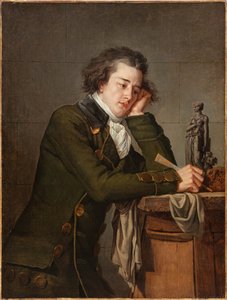
antoine denis chaudet
1763 - 1810 , France
プロフィール概要
- Artistic Movement Or Style: Neoclassical
- Artists Or Movements Influenced By This Artist: ['Roman Sculpture']
- Artists Who Influenced This Artist: ['Antonio Canova']
- Date Of Birth: 1763
- Full Name: Antoine Denis Chaudet
- Nationality: French
- Notable Artworks: ['Peace']
- Place Of Birth: Paris, France

