

 プレビュー
プレビュー
 プリントを購入
 シェアする
シェアする シェアする
シェアする
 詳細を見る
詳細を見る

 ダウンロード
 似ている作品
 X線調査
X線調査 スライドショー
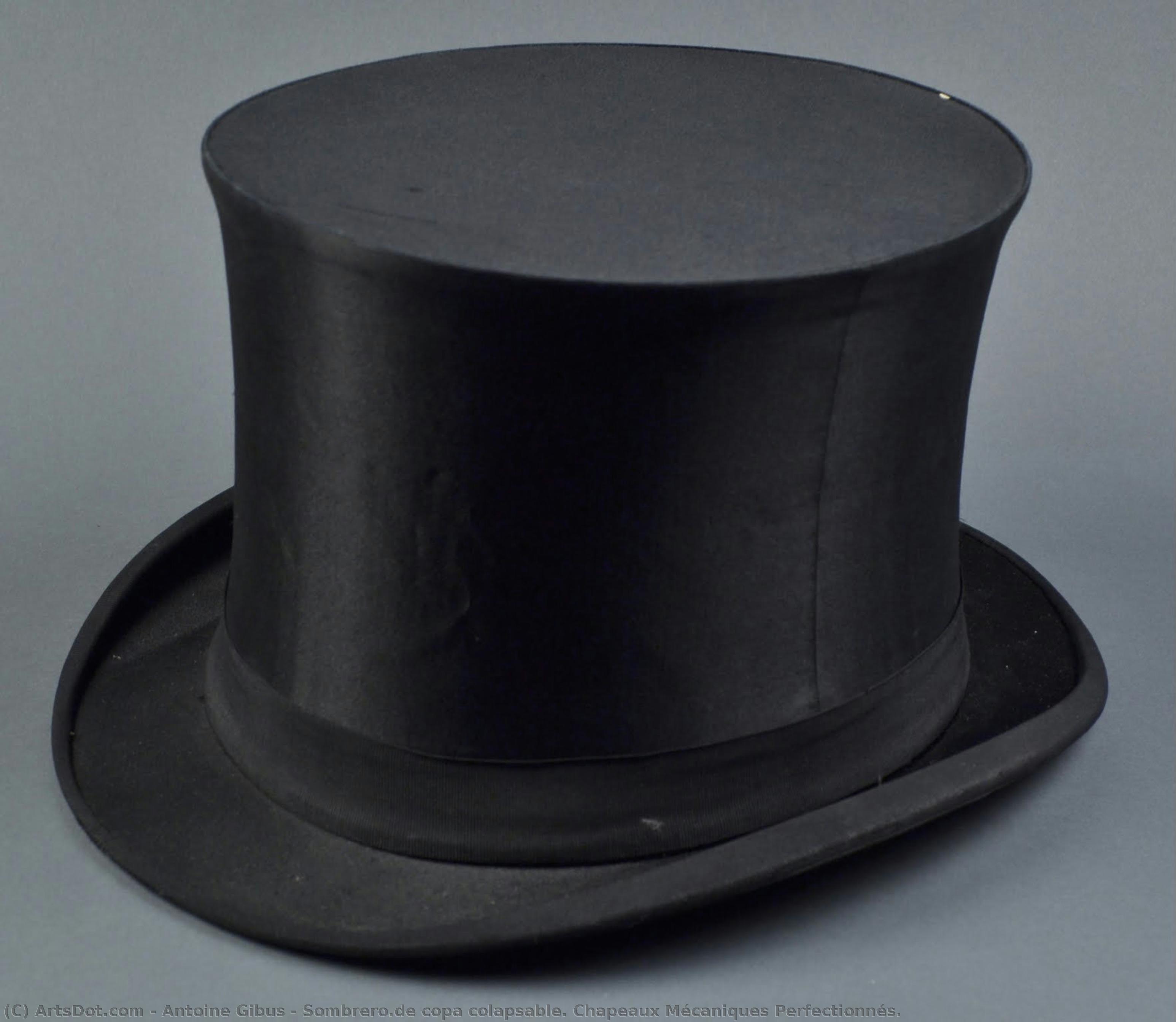
Sombrero.de copa colapsable. Chapeaux Mécaniques Perfectionnés.
 1900
1900 24.0 x 30.0 cm
 Museum of the Purpose of the Object
 詳細を見る
詳細を見る




































作品のオリジナル比率に合わせた、当店の規定サイズからお選びください。

特定のフレームやスペースに合わせて、ご希望のサイズをご入力いただけます。選択されたサイズが元の画像の比率と異なる場合、アートワークをトリミングするか、手描きで要素を追加して絵画を拡張いたします。デジタルモックアップ を制作し、制作開始前にご確認(承認)をいただきます。
画面上のプレビューは、実際のトリミングや拡張を正確に反映しているものではありません。最終的な構図は、モックアップによってのみ正確にご確認いただけます。
カスタムサイズもご利用いただけますが、元の比率を維持するためには、あらかじめ用意されたリストからサイズを選択することをお勧めいたします。
ご注文後、ArtsDot.com チームより詳細な指示をお送りするとともに、仕上がりイメージ(モックアップ)をご提供いたします。


 ガラスオプションは、110cm未満のサイズでのみご利用いただけます。

Sombrero.de copa colapsable. Chapeaux Mécaniques Perfectionnés.
複製技法
複製画のサイズ
-


合計金額
$ 263
関連作品








アーティストの略歴
Eugène Delacroix: A Revolutionary Soul of French Romanticism
Eugène Delacroix, born Ferdinand Victor Eugène Delacroix on April 26, 1798, in Charenton-Saint-Maurice near Paris, was more than just a painter; he was a catalyst for artistic change. His life, marked by both privilege and profound personal tragedy, fueled an intensely passionate and revolutionary approach to art that would forever alter the course of French painting. From his early childhood surrounded by artists and intellectuals to his iconic depictions of historical events and dramatic narratives, Delacroix’s journey embodies the spirit of Romanticism – a celebration of emotion, individualism, and the sublime power of nature. His legacy continues to resonate today, influencing generations of artists with his bold use of color, dynamic compositions, and unflinching portrayal of human experience.A Childhood Shaped by Art and Loss
Delacroix’s early life was a tapestry woven with threads of both comfort and sorrow. Born into a family deeply connected to the French court – his father, Charles Delacroix, held a prominent position as Minister of Foreign Affairs – he enjoyed a relatively privileged upbringing. However, this stability was shattered by the untimely death of his mother, Victoire Delacroix, in 1814. This loss profoundly impacted the young Eugène, leaving him feeling adrift and vulnerable. Despite this personal hardship, he found solace and guidance through his uncle, Henri-François Riesener, a renowned painter who introduced him to the world of art and provided invaluable mentorship. Delacroix’s artistic inclinations were nurtured further by his attendance at the Lycée Impérial (now the Lycée Louis-le-Grand), where he developed a keen eye for detail and a deep appreciation for classical masters like Raphael, Michelangelo, and Titian. He spent countless hours studying these works at the Louvre, absorbing their techniques and striving to emulate their grandeur. The influence of Théodore Géricault, another rising star in the Parisian art scene, proved particularly significant, shaping Delacroix’s approach to composition and subject matter.The Rise of a Romantic Vision
Delacroix's artistic breakthrough arrived at the Salon of 1822 with *Dante and Virgil in Hell*, a dramatic depiction inspired by Dante Alighieri’s *Inferno*. The painting immediately captivated critics, establishing Delacroix as a major force in the burgeoning Romantic movement. Unlike the prevailing Neoclassical style, which emphasized order, restraint, and idealized forms, Delacroix embraced emotion, passion, and the raw energy of experience. He drew inspiration from Rubens and Venetian Renaissance painters, prioritizing color, movement, and dramatic lighting over meticulous detail and precise representation. His bold use of vibrant hues – fiery reds, deep blues, and rich golds – created a sense of intensity and immediacy that resonated deeply with viewers. His subsequent works, such as *The Massacre at Scio* (1827) and *Death of Sardanapalus* (1830-31), further cemented his reputation as a revolutionary artist. *The Massacre at Scio*, depicting the brutal events of the Greek War of Independence, showcased Delacroix’s ability to capture the chaos and violence of conflict with visceral realism. *Death of Sardanapalus*, a monumental painting inspired by Lord Byron's poem, explored themes of destruction, mortality, and the inevitability of fate through its dramatic composition and evocative use of color.Liberty Leading the People: An Icon of Revolution
Perhaps Delacroix’s most enduring masterpiece is *Liberty Leading the People* (1830), a powerful allegory commemorating the July Revolution that overthrew King Charles X. This iconic painting, now housed in the Louvre, transcends mere historical documentation; it embodies the spirit of revolution and the ideals of freedom and democracy. The central figure of Liberty, depicted as a bare-breasted woman wielding the French flag, leads a diverse group of revolutionaries – workers, students, and soldiers – over a barricade strewn with corpses. Delacroix’s masterful use of light and shadow, combined with his dynamic composition, creates a sense of urgency and movement that captures the fervor of the uprising. The painting was initially met with mixed reactions, some critics finding it too chaotic and emotionally charged, but it quickly became a symbol of French republicanism and remains one of the most recognizable images in Western art.Legacy and Influence
Eugène Delacroix’s impact on the course of art history is undeniable. His bold experimentation with color, composition, and subject matter paved the way for Impressionist painters like Monet and Renoir, who sought to capture fleeting moments of light and atmosphere. His emphasis on emotional expression and individual experience resonated deeply with Romantic writers and musicians, contributing to a broader cultural shift towards valuing subjectivity and imagination. Delacroix’s willingness to tackle controversial themes – such as violence, death, and social injustice – challenged the conventions of academic art and opened up new possibilities for artistic exploration. Even today, his work continues to inspire artists and captivate audiences with its raw emotion, dramatic intensity, and timeless message of freedom and revolution. His legacy stands as a testament to the power of art to reflect and shape the human experience.
antoine gibus
1798 - 1873 , France
基本情報
- Artistic Movement Or Style: Romanticism
- Artists Or Movements Influenced By This Artist: ['Impressionists']
- Artists Who Influenced This Artist:
- Rubens
- Tintoretto
- Date Of Birth: April 26, 1798
- Date Of Death: August 13, 1863
- Full Name: Eugène Delacroix
- Nationality: French
- Notable Artworks:
- Liberty Leading the People
- Death of Sardanapalus
- Place Of Birth: Charenton-Saint-Maurice, France

