

 プレビュー
プレビュー
 シェアする
シェアする シェアする
シェアする
 詳細を見る
詳細を見る

 ダウンロード
 似ている作品
 X線調査
X線調査 スライドショー
 Stats
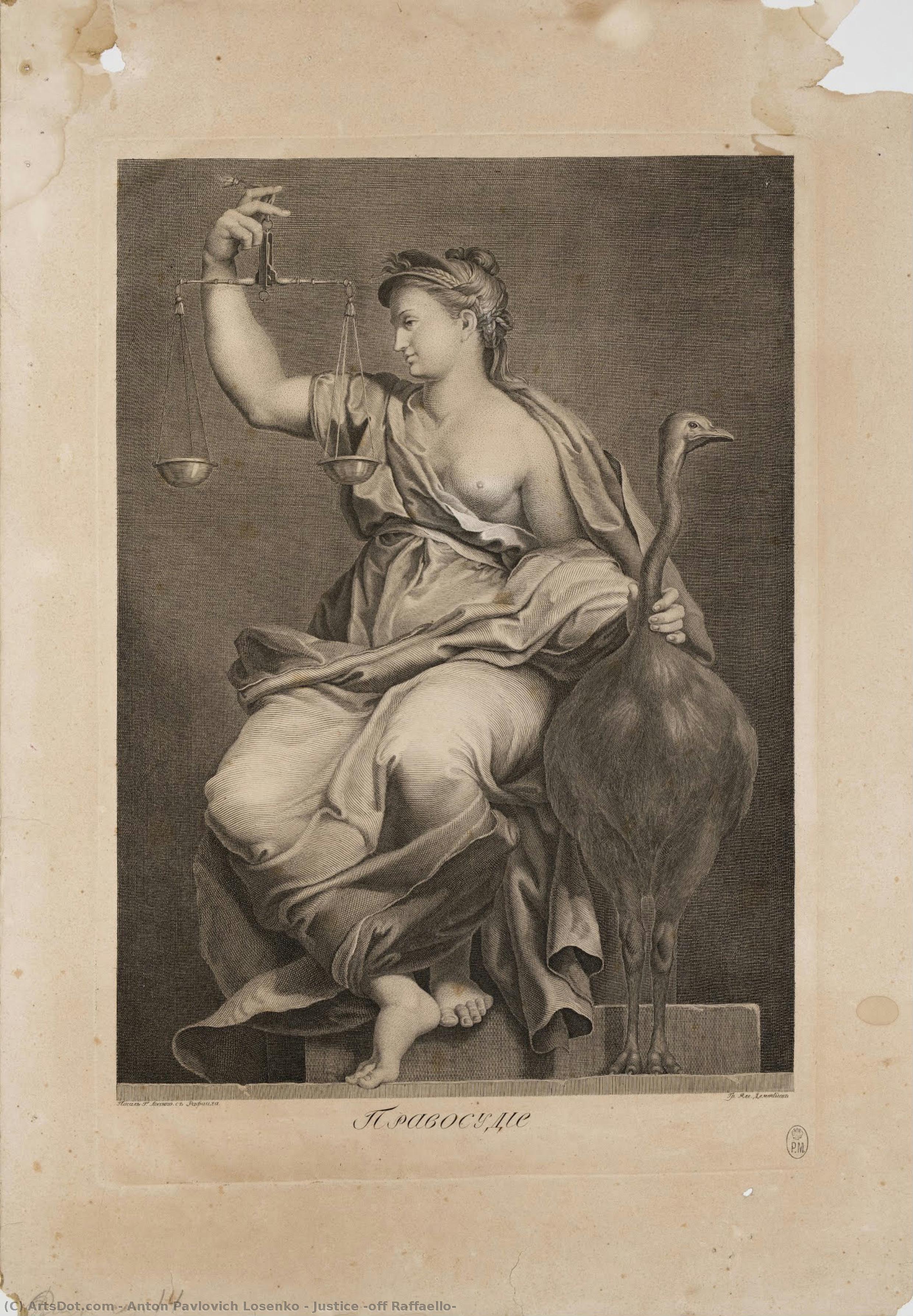
StatsJustice (off Raffaello)
 Engraving
- Neoclassicism
 1700
1700- Early Modern
 61.0 x 42.0 cm
 Dagestan Museum of Fine Arts named after P. S. Gamzatova
 詳細を見る
詳細を見る
オンラインプレビューをはるかに凌ぐ、高解像度で鮮明なデジタル画像をご購入いただけます。
各ファイルは、社内の専門家が高度なツールと熟練した手作業によるレタッチを用いて、細心の注意を払って準備されています。すべての画像において、卓越した鮮明度、正確な色彩再現性、そして繊細なディテールを保証いたします。
最終ファイルは、プロフェッショナルな編集・印刷環境ですぐにご利用いただけるよう最適化された状態で、72時間以内にメールにてお届けいたします。これは、一流のデザインスタジオ、出版社、ギャラリーから信頼されているものと同等の品質です。
デジタルアート
個人での鑑賞、印刷、クリエイティブなプロジェクト用に、高解像度ファイルをダウンロードできます。 ( Switch to Print 手描きの絵画を購入)
デジタル画像のご注文に付随する特典
高品質なデジタル画像配信を、確かな品質で。
ArtsDot.com を選ぶことは、単に画像を手に入れることではありません。それは、プロの手によって精密に仕上げられ、満足保証が付いた高品質なデジタルアートワークを受け取ることを意味します。ご注文いただいた際に自動的に付随する内容は、以下の通りです:

メールですぐにお届け
ご注文から72時間以内に、高解像度のデジタル画像ファイルがメールでお手元に届きます。すぐにそのままご利用いただけます。

AI技術で最適化されたデジタルファイル
お客様の作品は、高度なAIツールと専門家による手作業の編集を組み合わせてプロフェッショナルに最適化されており、細部のディテール、鮮明さ、そして正確な色再現性を最大限に引き出しています。

一生涯無料の再送サービス
ファイルを誤って削除したり、紛失してしまったりしましたか?ご安心ください。いつでも無料で再送いたします。

輸入手数料は一切かかりません
関税や手数料、配送料を気にすることなく、お気に入りのアートワークをすぐにお楽しみいただけます。デジタルダウンロードは常に免税です。

色彩再現の保証
プロ仕様のツールとカラーマネジメント技術を用いることで、デジタル画像が元の色を最大限に忠実に再現することを保証いたします。

100日間満足保証
ご購入いただいたデジタル画像にご満足いただけない場合は、100日以内であれば、理由を問わず修正または100%の返金対応をさせていただきます。

100% 返金保証
ご満足いただけない場合は、デジタルファイルを受け取ってから100日以内であれば、理由を問わず全額返金いたします。

まとめ買い割引
3枚購入で10%OFF - 5枚購入で15%OFF - 10枚以上購入で20%OFF。クリエイティブなプロジェクト、ギャラリー、エージェンシーに最適です。
A Vision of Divine Equilibrium
In the delicate interplay of light and shadow within Anton Pavlovich Losenko’s Justice (off Raffaello), we encounter a profound meditation on the nature of balance and moral clarity. This evocative work, rooted in the neoclassical tradition, presents a figure of monumental grace, draped in classical attire that speaks to the timelessness of her purpose. As she stands poised with scales in one hand and an ostrich by her side, the viewer is drawn into a silent, contemplative moment where the weight of existence is measured against the purity of truth. The painting serves as more than a mere depiction; it is a window into an era where art sought to harmonize the human condition with divine order.
The composition is masterfully orchestrated to guide the eye through a narrative of weighing and wisdom. Losenko, a pioneer of Russian historical painting, utilizes a refined technique that emphasizes the textures of the subject's gown and the soft, organic presence of the ostrich. The way the light catches the metallic sheen of the scales creates a focal point of intense significance, suggesting that justice is not merely a concept, but a tangible, luminous force. For the discerning collector or interior designer, this piece offers a sophisticated centerpiece, capable of anchoring a room with its quiet authority and classical elegance.
Symbolism and the Neoclassical Spirit
To gaze upon this work is to engage with a rich tapestry of symbolism deeply embedded in the 18th-century aesthetic. The presence of the ostrich, often associated in classical iconography with the ability to endure or even swallow stones, adds a layer of complexity to the theme of justice. As the figure appears to weigh the bird against her scales, Losenko invites us to consider the heavy burdens of truth and the meticulous care required to maintain equilibrium in an unpredictable world. The crown worn by the central figure elevates the scene from a simple allegory to a regal proclamation of law and cosmic stability.
Losenko’s background, shaped by the disciplined atmosphere of the Imperial Academy of Arts, is evident in the structural integrity of the piece. Every brushstroke contributes to a sense of permanence and dignity. This is an artwork designed for those who appreciate the intellectual depth of historical subjects—those who seek to surround themselves with art that provokes thought and inspires a sense of decorum. Whether placed in a grand library or a contemporary gallery space, the painting’s ability to evoke a sense of historical continuity makes it an invaluable acquisition for any serious connoisseur of fine art.
An Invitation to Timeless Elegance
For those looking to curate an environment of prestige and reflection, a high-quality reproduction of Justice provides an unparalleled opportunity. The painting captures the essence of Losenko’s mastery, bringing the grandeur of the Russian neoclassical movement into the modern home. It is a piece that transcends mere decoration, acting instead as a silent interlocutor that speaks of integrity, strength, and the enduring pursuit of balance.
Integrating such a masterpiece into an interior design scheme allows for a dialogue between the past and the present. The soft palette and classical motifs harmonize beautifully with both traditional period furnishings and sleek, minimalist settings, providing a touch of academic sophistication that is both rare and deeply moving. To own this work is to possess a fragment of art history, a testament to the enduring power of justice to inspire awe across the centuries.
関連作品

作家の略歴
The Architect of Russian History: The Life and Legacy of Anton Losenko
In the grand tapestry of eighteenth-century art, few figures loom as large or as foundational as Anton Pavlovich Losenko. A pioneer who bridged the gap between the decorative elegance of the Baroque and the disciplined moral clarity of Neoclassicism, Losenko did more than merely paint; he helped forge a visual language for a burgeoning empire. Born in 1737 in Hlukhiv, within the vibrant Cossack heritage of what is now Ukraine, his early life was defined by a profound sense of resilience. Orphaned at the tender age of seven, his path led him to the Saint Petersburg Court Choir. While it was here that he first encountered the structured harmonies of music, it was also where a loss of voice redirected his creative spirit toward the silent, powerful medium of the brush.
Losenko’s ascent from an orphaned choirboy to a titan of the Imperial Academy of Arts is a narrative of extraordinary discipline and talent. Under the mentorship of Ivan Argunov, he underwent a rigorous apprenticeship that laid the groundwork for his technical mastery. By 1759, his admission to the Imperial Academy marked the beginning of a meteoric rise. His early portraits, including those of luminaries such as Ivan Shuvalov and Alexander Sumarokov, revealed an artist capable of profound psychological depth, capturing not just the physical likeness of the Russian elite but the very essence of their character and status.
A European Odyssey: Paris, Rome, and the Neoclassical Spirit
The true expansion of Losenko’s artistic soul occurred through his travels across the great art capitals of Europe. In 1760, the Academy dispatched him to Paris, where he immersed himself in the teachings of Jean II Restout. This period was transformative; the French Neoclassical influence infused his work with a new sense of structural order and clarity. It was during this time that he tackled monumental biblical themes, such as the miraculous catch of fish, utilizing dramatic chiaroscuro to breathe life into sacred narratives. These works demonstrated an ability to marry the theatricality of the previous era with the emerging preference for balanced, rational composition.
His journey continued to Rome between 1766 and 1769, a pilgrimage that allowed him to commune directly with the ghosts of antiquity. Studying the divine proportions of Raphael, Losenko refined his ability to depict human emotion through idealized forms. His biblical series featuring Cain and Abel stands as a testament to this period, showcasing a mastery of light and shadow that echoed the humanist ideals of the Enlightenment. These years in Italy were not merely about learning technique; they were about absorbing the classical vocabulary that he would eventually translate into a uniquely Russian context.
The Foundation of a National School
Upon his return to Saint Petersburg, Losenko achieved what few artists of his era could: he elevated historical painting from a secondary genre to the highest tier of academic prestige. His masterpiece, Vladimir I of Kiev and Rogneda of Polotsk, was a watershed moment for Russian art. By selecting an episode from Kievan Rus' history, Losenko provided the Russian people with a visual connection to their ancestral past, grounding the Neoclassical style in local historical significance. This work earned him not only the title of Academician but also a professorship, placing him at the helm of artistic education in the Empire.
Losenko’s influence extended far beyond the canvas. As a director and educator, he shaped the minds of future generations, even authoring a vital textbook on human proportions that served as a standard for decades. His legacy is characterized by several enduring contributions:
- The Birth of Historical Painting: He established the precedent that art should serve as a vessel for national identity and historical memory.
- Technical Rigor: Through his academic leadership, he instilled a disciplined approach to anatomy and composition in the Russian school.
- Synthesis of Styles: He successfully blended the dramatic lighting of the Baroque with the structural clarity of French Neoclassicism.
Though his life was tragically short, ending in 1773, Anton Losenko left behind an indelible mark on the cultural landscape. He transformed the Russian Academy from a recipient of Western influence into a creator of its own profound artistic tradition, ensuring that the history of his people would be told through the lens of beauty, dignity, and truth.
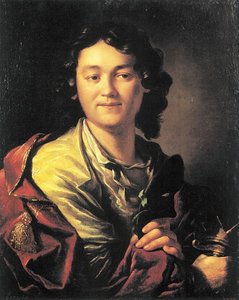
anton pavlovich losenko
1737 - 1773 , Russia
プロフィール概要
- Artistic Movement Or Style: Neoclassical
- Artists Or Movements Influenced By This Artist: ['Imperial Russian Historical Movement']
- Artists Who Influenced This Artist: ['Jean II Restout']
- Date Of Birth: August 30, 1737
- Date Of Death: December 23, 1773
- Full Name: Anton Pavlovich Losenko
- Nationality: Ukrainian
- Notable Artworks:
- Vladimir and Rogneda
- St. Andrew The Apostle
- Place Of Birth: Hluhiv, Ukraine