

 プレビュー
プレビュー
 プリントを購入
 シェアする
シェアする シェアする
シェアする
 詳細を見る
詳細を見る

 ダウンロード
 似ている作品
 X線調査
X線調査 スライドショー
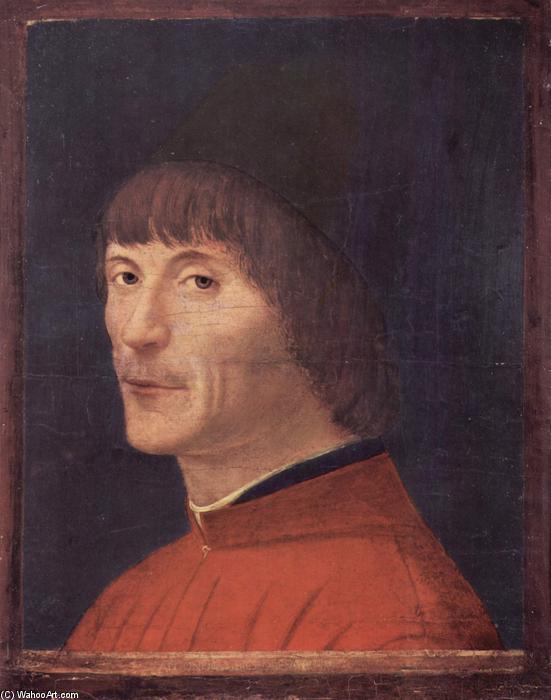
Portrait of a Man
 Oil On Canvas
- WallArt
- Early Renaissance
 1474
1474- Renaissance
 32.0 x 26.0 cm
 国立博物館群
 詳細を見る
詳細を見る




P118B $10

P118H $10

P118W $10

P438Z $10

P508JH $12

P508YH $12

P805H $10

P805Z $10

P919BZ $10

P919G $10

P919XJ $10

P959ZH $10

P968JZ $12

W106C $8

W218G $10

W218JH $8

W218Y $10

W307PJ $10

W316G $10

W316PJ $8

W316Y $10

W398PJ $8

W4111J $10

W500HY $15

W500JH $15

W692G $12

W849H $8

W940BG $15

W953PJ $8




作品のオリジナル比率に合わせた、当店の規定サイズからお選びください。

特定のフレームやスペースに合わせて、ご希望のサイズをご入力いただけます。選択されたサイズが元の画像の比率と異なる場合、アートワークをトリミングするか、手描きで要素を追加して絵画を拡張いたします。デジタルモックアップ を制作し、制作開始前にご確認(承認)をいただきます。
画面上のプレビューは、実際のトリミングや拡張を正確に反映しているものではありません。最終的な構図は、モックアップによってのみ正確にご確認いただけます。
カスタムサイズもご利用いただけますが、元の比率を維持するためには、あらかじめ用意されたリストからサイズを選択することをお勧めいたします。
ご注文後、ArtsDot.com チームより詳細な指示をお送りするとともに、仕上がりイメージ(モックアップ)をご提供いたします。


 ガラスオプションは、110cm未満のサイズでのみご利用いただけます。

Portrait of a Man
複製技法
複製画のサイズ
-


合計金額
$ 263
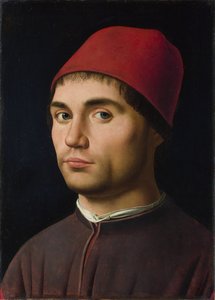
The Enigmatic Gaze of Early Renaissance Mastery
To stand before this portrait is to encounter a moment suspended in time, a breath held by the vibrant spirit of the Italian Renaissance. Antonello da Messina’s Portrait of a Man from 1474 is far more than a mere likeness; it is a profound meditation on human presence rendered with breathtaking technical virtuosity. The subject, captured in a three-quarter view, confronts the viewer with an expression that is both contemplative and subtly knowing. His gaze, directed just off-center, seems to follow one’s own thoughts, inviting an intimate dialogue across the centuries. The artist has achieved a remarkable balance between meticulous observation and soulful suggestion, making the sitter feel less like a painted figure and more like a personality momentarily paused for our admiration.
Technique and the Illusion of Life
What elevates this work to the realm of masterpiece is Antonello’s masterful handling of oil paint. He was a pioneer in bringing the luminous qualities of Northern European oil techniques into the Italian heartland, and it shines through every visible brushstroke. Observe the play of light across the subject's fair skin; it is not merely illuminated but seems to possess an inner glow, achieved through exquisite chiaroscuro. The subtle gradations of shadow give volume and weight to his features, lending a palpable three-dimensionality that was revolutionary for its time. Furthermore, the texture captured in the rich red cap and the folds of his high-collared garment speaks to an almost tactile realism. This fine brushwork allows us to appreciate not just the man, but the very materials of his world.
Historical Echoes: The Spirit of Humanism
This portrait emerges from a period of immense cultural efflorescence—the Renaissance—a time when humanity rediscovered its own potential following the shadow of the Middle Ages. Antonello da Messina stood at this vibrant crossroads, blending the burgeoning humanist focus on individual experience with established artistic traditions. The painting embodies this spirit: it celebrates the individual subject while remaining deeply rooted in classical ideals of proportion and dignity. It is a visual testament to the era’s belief in human capacity for intellect and emotion, echoing the profound explorations found in contemporaries like Leonardo da Vinci.
A Study in Color and Composition
The composition itself is strikingly deliberate. The dark, indistinct background serves a crucial function: it strips away all narrative clutter, forcing the viewer’s entire focus onto the illuminated figure. This dramatic isolation amplifies the emotional weight of the portrait. Against this void, the vibrant red of his attire acts as an anchor point, drawing the eye immediately to the contrast between the rich fabric and the pale skin. The overall effect is one of contained energy—a quiet drama played out through color, light, and the enduring mystery held within a single, captivating glance.
Bringing Renaissance Depth Home
For those who wish to incorporate such historical depth into a modern interior or collection, this reproduction offers an unparalleled connection to art history. Owning a piece inspired by Portrait of a Man is not simply decorating; it is curating a conversation with the masters. It brings the intellectual rigor and emotional resonance of the Early Renaissance directly into your space, allowing the quiet contemplation inherent in the painting to enrich your daily life.
ARTWORK_CODE:Renaissance Portraiture関連作品
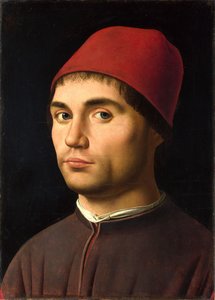
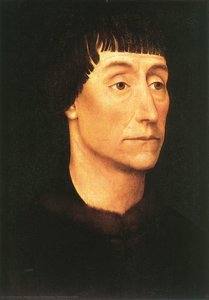
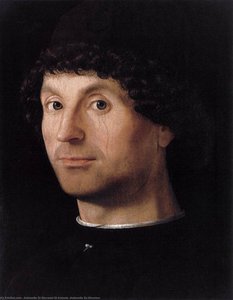
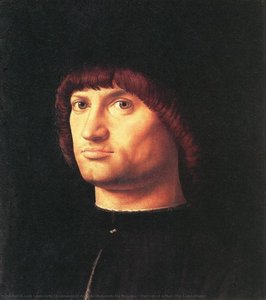
アーティストの略歴
アントネッロ・ダ・メッシーナ:ルネサンスの先駆者
アントネッロ・ディ・ジョヴァンニ・ディ・アントニオ、一般的にはアントネッロ・ダ・メッシーナ(約1430年 – 1579年2月)として知られる彼は、初期ルネサンスから盛期ルネサンスへの移行期における重要な人物です。シチリアの活気ある港町メッシーナで生まれ育ったアントネッロは、北方ルネサンス絵画の精密な写実性と、その時代の高まりつつあった人文主義的理想を融合させた独自の芸術的アイデンティティを築き上げました。同時代人のヴェネツィア派画家たちにしばしば影が薄い存在と見なされますが、アントネッロが後世のイタリア人画家たち、特にヴェネツィア派画家たちに与えた影響は否定できず、真の革新者であり、異質な芸術的伝統を結びつける架け橋としての地位を確立しています。
彼の幼少期については不明な点が多いのですが、ナポリでニッコロ・コラントニオのもとで初期の訓練を受けたと考えられています。この出会いは非常に重要であり、アントネッロはアルフォンソ5世の庇護者であったコラントニオが収集していたヤン・ファン・エイクやロヒール・ファン・デル・ウェイデンのような北方ルネサンス絵画の洗練された技法に触れることになりました。細部に至るまでの徹底的な描写、鮮やかな色彩、そして光学への深い理解を特徴とするこれらの初期の影響は、アントネッロ独自のスタイル形成の基盤となりました。同時代の多くの画家たちとは異なり、アントネッロは主にメッシーナにとどまり、シチリアのルーツと国際的な芸術的潮流との関わりが反映された作品群を生み出しました。
独特な様式の発展
アントネッロの芸術的旅程は、徐々に進化を遂げています。1455年の「シビウのキリスト磔刑」のような初期の作品には、油絵技法や質感の精密な描写において北方ルネサンス絵画への強い影響が見られます。人物たちは写真のように写実的であり、驚くべき正確さで細部を捉えています。しかしアントネッロは単なる模倣に留まらず、イタリア独自の感性を作品に吹き込みました。彼は大気遠近法を用いて空間的な奥行きを深め、より説得力のある距離感を創り出しました。さらに、光と影の微妙なグラデーションによって形態をモデル化する洗練された技法を開発し、ルネサンス絵画の中心となるキアロスクーロ効果を予見しました。
アントネッロの発展における重要な転換点は、1456年頃にヴェネツィアでジョヴァンニ・ベッリーニと出会ったことです。彼らの交流の具体的な内容は議論の余地がありますが、ベッリーリがアントネッロの色使いや構図に大きな影響を与えたことは明らかです。特に赤や青といった豊かな色彩の使用、そして叙情的な美への強調は、アントネッロのパレットとスタイルに永続的な影響を与えました。「サルティーングのマドンナ」(約1460年)は、この変化を如実に示しており、初期の作品よりも調和のとれた色使いと優雅さを示しています。
主要な作品と芸術的革新
アントネッロの最も有名な絵画、「聖ヒエロニモスの書斎」(約1475年)や「受胎告知」(約1475年)は、彼の芸術的才能を証明するものです。「聖ヒエロニモスの書斎」は、小さくても非常に複雑なパネルであり、イタリア絵画における画期的な業績と見なされています。この作品は、北方ルネサンスの写実性とイタリアの人文主義が融合した革新的な遠近法、光、そして細部の描写を示しています。聖人の解剖学的構造を丹念に描き出し、複雑な建築的背景と組み合わせることで、奥行きと空間の魅惑的な錯覚を生み出しています。
同様に、「受胎告知」は、アントネッロが移ろいゆく感情や優雅さを捉える能力を示しています。聖母マリアの穏やかな表情と天使ガブリエルの注意深い姿勢は、深遠な敬意を伝えています。アントネッロの油絵技法の習熟度は、微妙な色彩の変化と質感を可能にし、これらの神聖な人物の驚くほどリアルな描写を実現しています。
遺産と影響
比較的短いキャリア(49歳で死去)にもかかわらず、アントネッロ・ダ・メッシーナはイタリア美術史に消えない足跡を残しました。彼は油絵をイタリアに導入した人物として広く知られていますが、この主張については研究者によって議論されています。いずれにせよ、アントネッロの先駆的な油絵技法と革新的な技術は、ジョルジョーネやティツィアーノを含むヴェネツィア派画家たちに間違いなく影響を与えました。写実性への強調、大気遠近法の使用、そして人文主義的理想の統合は、イタリア・ルネサンス絵画の軌跡を形作るのに役立ちました。
アントネッロの作品は、その技術的な卓越性、感情的な深み、そして深遠な美しさのために今も高く評価されています。彼は、芸術的伝統と進化するイタリア・ルネサンスの文化的景観との複雑な相互作用を理解するための重要な人物であり続けています。
アントネッロ・ダ・メッシーナ
1430 - 1479 , イタリア
関連記事
レオナルド・ダ・ヴィンチ:至高の25選 - 芸術、科学、そして不朽の名作の世界
レオナルド・ダ・ヴィンチの至宝25選。モナリザ、最後の晩餐…ルネサンス美術を代表する名画の世界へ。芸術史、技法、そして感動の物語を紐解き、お部屋に飾る高級複製画で特別な空間を。ArtsDot.comで全コレクションをご覧ください。
Antonello da Messina: Innovation, Devotion & the Sicilian Renaissance Master's Enduring Legacy
Explore the groundbreaking art of Antonello da Messina, a pivotal figure of the Renaissance. Discover his innovative oil painting techniques, captivating portraits, and lasting influence on Italian masters. Learn more at ArtsDot.
Leonardo da Vinci: A Renaissance Master’s Synthesis of Art, Science & Human Observation – Reinterpreted for the Collector
Explore Leonardo da Vinci’s timeless masterpieces with ArtsDot. Discover insights into his art, science, and legacy – trusted expertise for discerning collectors seeking authentic reproductions & investment opportunities.
The Enduring Legacy of Oil Paint: Technique, History & Emotional Resonance in Western Art
Explore the rich history & techniques of oil painting! Discover Renaissance masters, scientific principles behind color, and emotional resonance in art. Learn about glazing, layering, and atmospheric perspective – a guide for enthusiasts & collectors.

The Enduring Legacy of Oil on Canvas: Technique, History & Aesthetic Impact
Explore the rich history & techniques of oil painting – from Renaissance masters to Impressionism. Discover pigments, layering methods, and why this timeless medium endures. Expert insights for artists & art enthusiasts.

