

 プレビュー
プレビュー
 プリントを購入
 シェアする
シェアする シェアする
シェアする
 詳細を見る
詳細を見る

 ダウンロード
 似ている作品
 X線調査
X線調査 スライドショー
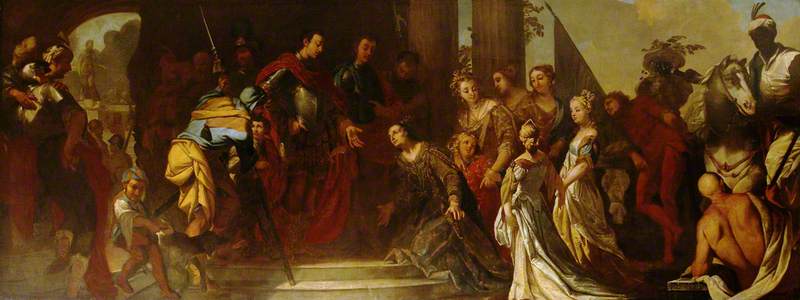
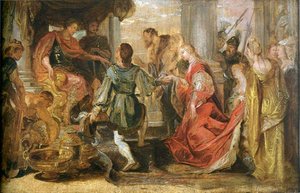
The Family of Darius before Alexander the Great
 Oil On Canvas
- WallArt
- Baroque
 213.0 x 564.0 cm
 アシュモリアン美術館
 詳細を見る
詳細を見る
オンラインプレビューをはるかに凌ぐ、高解像度で鮮明なデジタル画像をご購入いただけます。
各ファイルは、社内の専門家が高度なツールと熟練した手作業によるレタッチを用いて、細心の注意を払って準備されています。すべての画像において、卓越した鮮明度、正確な色彩再現性、そして繊細なディテールを保証いたします。
最終ファイルは、プロフェッショナルな編集・印刷環境ですぐにご利用いただけるよう最適化された状態で、72時間以内にメールにてお届けいたします。これは、一流のデザインスタジオ、出版社、ギャラリーから信頼されているものと同等の品質です。
デジタル画像のご注文に付随する特典
高品質なデジタル画像配信を、確かな品質で。
ArtsDot.com を選ぶことは、単に画像を手に入れることではありません。それは、プロの手によって精密に仕上げられ、満足保証が付いた高品質なデジタルアートワークを受け取ることを意味します。ご注文いただいた際に自動的に付随する内容は、以下の通りです:

メールですぐにお届け
ご注文から72時間以内に、高解像度のデジタル画像ファイルがメールでお手元に届きます。すぐにそのままご利用いただけます。

AI技術で最適化されたデジタルファイル
お客様の作品は、高度なAIツールと専門家による手作業の編集を組み合わせてプロフェッショナルに最適化されており、細部のディテール、鮮明さ、そして正確な色再現性を最大限に引き出しています。

一生涯無料の再送サービス
ファイルを誤って削除したり、紛失してしまったりしましたか?ご安心ください。いつでも無料で再送いたします。

輸入手数料は一切かかりません
関税や手数料、配送料を気にすることなく、お気に入りのアートワークをすぐにお楽しみいただけます。デジタルダウンロードは常に免税です。

色彩再現の保証
プロ仕様のツールとカラーマネジメント技術を用いることで、デジタル画像が元の色を最大限に忠実に再現することを保証いたします。

60日間満足保証
ご購入いただいたデジタル画像にご満足いただけない場合は、60日以内であれば、修正または100%の返金(理由を問う必要はありません)をさせていただきます。

100% 返金保証
ご満足いただけない場合は、デジタルファイルを受け取ってから60日以内であれば、理由を問わず全額返金いたします。

まとめ買い割引
3枚購入で10%OFF - 5枚購入で15%OFF - 10枚以上購入で20%OFF。クリエイティブなプロジェクト、ギャラリー、エージェンシーに最適です。
作品の詳細
The Family of Darius Before Alexander the Great: A Baroque Triumph of Narrative and Symbol
Paolo Veronese’s “The Family of Darius Before Alexander,” housed in the Ashmolean Museum, Oxford, stands as a monumental achievement of Venetian Baroque painting—a visual drama steeped in classical allusion and imbued with profound psychological insight. Completed around 1565-1570 for Francesco Pisani’s palazzo in Venice, this colossal canvas transcends mere depiction; it aspires to convey an epic tale of diplomacy, humiliation, and ultimately, magnanimity.
- Subject Matter: The painting portrays Alexander the Great confronting Darius III, the last king of Persia, following their decisive victory at Issus. It’s not simply a historical record but a carefully crafted narrative exploring themes of power, vulnerability, and reconciliation—a cornerstone of Veronese's artistic vision.
- Style: Veronese embodies the Venetian Grand Manner style, prioritizing theatrical grandeur and meticulous detail over purely decorative considerations. The composition is deliberately complex, employing a stage-like arrangement to heighten dramatic impact and immersing viewers in an opulent setting reminiscent of ancient Greece.
- Technique: Executed with oil on canvas, Veronese’s masterful brushwork demonstrates unparalleled control over texture and color. Layers upon layers of pigment create a luminous surface that captures the brilliance of gold leaf—a hallmark of Venetian aristocratic patronage—and imbues the figures with palpable warmth and vitality.
- Historical Context: The painting reflects the intellectual fervor of its time, fueled by humanist scholarship and revived interest in classical antiquity. Veronese skillfully integrates references to Greek mythology and iconography, subtly reinforcing the narrative’s moral dimension.
- Symbolism: Beyond its historical accuracy, “The Family of Darius Before Alexander” is laden with symbolic significance. The kneeling Sisygambis—Darius's mother—represents humility and supplication before divine judgment, while Alexander’s gesture embodies regal composure and forgiveness—a deliberate contrast to the perceived barbarity of Persian rule.
The painting’s visual impact is undeniable. Veronese’s masterful use of perspective creates a shallow depth of field that draws attention to the central group of figures, emphasizing their expressions and gestures. Dramatic lighting casts highlights on key characters—particularly Alexander—enhancing their prominence and conveying an aura of authority. The vibrant color palette—dominated by golds and ochres—contrasts sharply with darker hues, amplifying the theatrical atmosphere.
More than just a beautiful image, “The Family of Darius Before Alexander” is a testament to Veronese’s artistic genius—a captivating portrayal of human psychology interwoven with historical grandeur. Its enduring appeal lies in its ability to inspire contemplation on themes of leadership, compassion, and the complexities of intercultural relations.
関連作品




作家の略歴
The Grandeur of the Venetian Spirit
Antonio Bellucci stands as a luminous figure within the Venetian artistic tradition, a master whose brush captured the transition from the dramatic intensity of the Baroque to the airy elegance of the Rococo. Born in 1654 in Pieve di Soligo, Italy, Bellucci’s early training under Domenico Difnico in Sebénico provided him with a rigorous foundation in classical principles. However, it was his arrival in Venice that truly ignited his creative spirit. By 1675, he was already making significant contributions to the city's sacred spaces, most notably through his monumental frescoes for San Pietro di Castello. In these works, depicting Saint Lorenzo Giustiniani’s fervent prayers during the plague of 1447, Bellucci demonstrated an extraordinary ability to weave together religious devotion and human emotion, creating a sense of divine drama that resonated deeply with the Venetian public.
His talent was not confined to the spiritual realm; Bellucci possessed a versatile mastery over various genres, from the intimate tenderness of nativity scenes for the church of Ascension to the sweeping narratives of classical mythology. A defining characteristic of his development was his collaborative spirit. He worked in close harmony with the landscape painter Antonio Tempesta, where Bellucci’s skill in rendering human figures breathed life and narrative complexity into Tempesta's expansive vistas. This synergy between figure and landscape became a hallmark of his maturing style, blending movement and grace with structural depth.
A Courtly Ascent and European Legacy
As his reputation grew, Bellucci’s ambitions carried him far beyond the borders of the Venetian Republic, leading him to the heart of European power. His periods in Vienna during the late seventeenth and early eighteenth centuries marked a pinnacle in his career, as he secured the prestigious patronage of the Habsburg court. Under the gaze of Emperor Charles VI, Bellucci undertook monumental projects that showcased his technical prowess on an imperial scale. The four altarpieces he created for Klosterneuburg serve as enduring testaments to his ability to command large-scale religious compositions with both majesty and clarity.
The zenith of his architectural painting is perhaps best exemplified by the breathtaking ceiling frescoes at Palais Liechtenstein. In depicting the Triumph of Hercules, Bellucci utilized the grand manner to create an immersive experience, where mythological heroism meets the sophisticated aesthetics of the burgeoning Rococo era. This ability to synthesize classical grandeur with a lighter, more decorative touch allowed him to navigate the changing tastes of the European aristocracy with ease.
Beyond his individual achievements, Bellucci’s historical significance is cemented by his role as a mentor and an influential force in the lineage of Italian art. Through his instruction of talented students such as Antonio Balestra and potentially Jacopo Amigoni, he ensured that the sophisticated techniques of the Venetian school would endure and evolve. His legacy remains etched in the ceilings of palaces and the altars of cathedrals, representing a period of unparalleled artistic splendor where light, movement, and myth converged to celebrate the human and the divine.
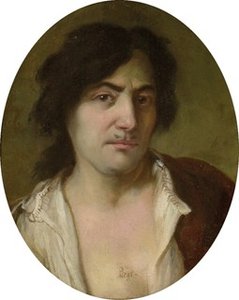
Antonio Bellucci
1654 - 1726 , Italy
プロフィール概要
- Artistic Movement Or Style: Rococo
- Artists Or Movements Influenced By This Artist: ['Venetian Art']
- Artists Who Influenced This Artist: ['Domenico Difnico']
- Date Of Birth: 1654
- Date Of Death: 1726
- Full Name: Antonio Bellucci
- Nationality: Italian
- Notable Artworks:
- St Lorenzo Giustiniani Praying
- Nativity
- Hercules Triumph
- Place Of Birth: Pieve di Soligo, Italy

