

 プレビュー
プレビュー
 プリントを購入
 シェアする
シェアする シェアする
シェアする
 詳細を見る
詳細を見る

 ダウンロード
 似ている作品
 X線調査
X線調査 スライドショー
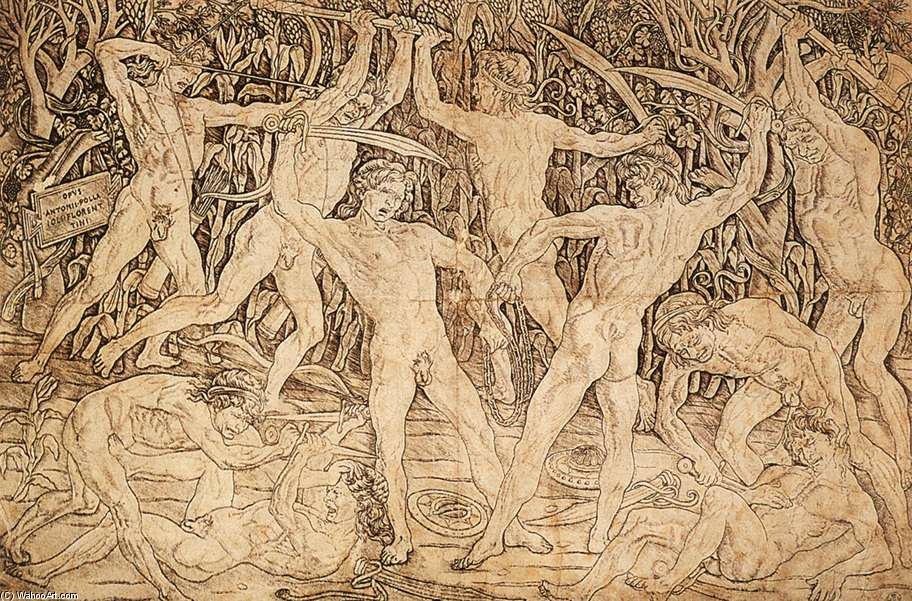
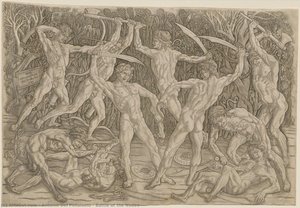
Battle of Ten Nudes
 Acrylic On Canvas
- WallArt
- Renaissance
 1470
1470 428.0 x 618.0 cm
 ウフィツィ美術館
 詳細を見る
詳細を見る
オンラインプレビューをはるかに凌ぐ、高解像度で鮮明なデジタル画像をご購入いただけます。
各ファイルは、社内の専門家が高度なツールと熟練した手作業によるレタッチを用いて、細心の注意を払って準備されています。すべての画像において、卓越した鮮明度、正確な色彩再現性、そして繊細なディテールを保証いたします。
最終ファイルは、プロフェッショナルな編集・印刷環境ですぐにご利用いただけるよう最適化された状態で、72時間以内にメールにてお届けいたします。これは、一流のデザインスタジオ、出版社、ギャラリーから信頼されているものと同等の品質です。
デジタル画像のご注文に付随する特典
高品質なデジタル画像配信を、確かな品質で。
ArtsDot.com を選ぶことは、単に画像を手に入れることではありません。それは、プロの手によって精密に仕上げられ、満足保証が付いた高品質なデジタルアートワークを受け取ることを意味します。ご注文いただいた際に自動的に付随する内容は、以下の通りです:

メールですぐにお届け
ご注文から72時間以内に、高解像度のデジタル画像ファイルがメールでお手元に届きます。すぐにそのままご利用いただけます。

AI技術で最適化されたデジタルファイル
お客様の作品は、高度なAIツールと専門家による手作業の編集を組み合わせてプロフェッショナルに最適化されており、細部のディテール、鮮明さ、そして正確な色再現性を最大限に引き出しています。

一生涯無料の再送サービス
ファイルを誤って削除したり、紛失してしまったりしましたか?ご安心ください。いつでも無料で再送いたします。

輸入手数料は一切かかりません
関税や手数料、配送料を気にすることなく、お気に入りのアートワークをすぐにお楽しみいただけます。デジタルダウンロードは常に免税です。

色彩再現の保証
プロ仕様のツールとカラーマネジメント技術を用いることで、デジタル画像が元の色を最大限に忠実に再現することを保証いたします。

60日間満足保証
ご購入いただいたデジタル画像にご満足いただけない場合は、60日以内であれば、修正または100%の返金(理由を問う必要はありません)をさせていただきます。

100% 返金保証
ご満足いただけない場合は、デジタルファイルを受け取ってから60日以内であれば、理由を問わず全額返金いたします。

まとめ買い割引
3枚購入で10%OFF - 5枚購入で15%OFF - 10枚以上購入で20%OFF。クリエイティブなプロジェクト、ギャラリー、エージェンシーに最適です。
The Battle of Ten Nudes: A Renaissance Echo of Classical Conflict
Antonio del Pollaiuolo’s “Battle of Ten Nudes,” painted around 1470, isn't merely a depiction of combat; it’s a meticulously crafted tableau resonating with the spirit of antiquity and offering a fascinating glimpse into the burgeoning artistic sensibilities of Renaissance Florence. Initially conceived as an engraving – a remarkably ambitious undertaking for its time – this monumental print, now realized in vibrant color reproduction, captures a scene brimming with dynamic energy and unsettling intensity. The subject matter itself is deliberately ambiguous, prompting debate amongst art historians regarding whether it represents a specific historical event, a mythological narrative, or perhaps even a stylized allegory of conflict. Regardless of its precise origin, the image powerfully evokes the spirit of gladiatorial contests and heroic struggles that captivated Roman audiences centuries earlier.
Pollaiuolo’s genius lies not just in his anatomical accuracy – a remarkable feat considering the limitations of drawing techniques at the time – but also in his masterful manipulation of space and light. The composition is strikingly shallow, creating an illusionistic depth reminiscent of ancient Roman relief sculpture. This technique, coupled with the deliberate use of muted earth tones and strategically placed highlights, draws the viewer directly into the heart of the fray. The figures are rendered with a startling realism; their muscles bulge realistically, their expressions convey raw emotion – fury, pain, determination – and their movements suggest a brutal, almost chaotic dance of violence. The sheer scale of the print—approximately 15 x 23 inches—further amplifies this immersive effect, enveloping the viewer in the drama unfolding before them.
A Masterclass in Engraving Technique
The creation of “Battle of Ten Nudes” is a testament to Pollaiuolo’s skill as an engraver. Unlike painting, where color and texture are built up layer by layer, engraving relies on meticulously carving lines into a metal plate – typically copper or steel – using specialized tools. The artist would first create a preliminary drawing, then transfer it onto the metal surface. Using a sharp tool called a burin, he would carefully incise the lines, creating areas of light (where ink would pass through) and dark (where the metal remained untouched). These engraved lines were then inked and wiped to reveal the final image on paper. The fact that over fifty copies of this print were produced is extraordinary; it demonstrates both Pollaiuolo’s technical prowess and the immense popularity of his work.
Interestingly, art historians have identified two distinct stages in the creation of the engraving. This suggests that Pollaiuolo had to recarve certain areas of the plate after the initial impressions were made, indicating a painstaking process of refinement. The resulting variations between copies add another layer of intrigue to this already complex artwork. The meticulous detail and precision evident in every line speak volumes about Pollaiuolo’s dedication to his craft – a hallmark of Renaissance artists who sought to master both technique and artistic expression.
Symbolism and the Echoes of Antiquity
Beyond its immediate visual impact, “Battle of Ten Nudes” is rich in symbolic meaning. The figures themselves are often interpreted as representing various aspects of human nature – strength, courage, brutality, and vulnerability. The presence of weapons—swords, axes, shields—underscores the violent nature of conflict, while the continuous chain that binds two of the central figures evokes ancient allegories of fate and destiny. Some scholars have suggested that the print may be a commentary on the political turmoil of Florence during this period, though definitive proof remains elusive.
Crucially, the work is deeply rooted in classical antiquity. The musculature of the figures, their poses, and even the overall composition echo the idealized forms found in Roman sculpture and painting. Pollaiuolo was clearly drawing inspiration from the artistic legacy of Greece and Rome, reflecting a broader Renaissance fascination with reviving the values and aesthetics of these ancient civilizations. The print serves as a powerful reminder of how deeply the Renaissance artists were influenced by the past, seeking to emulate its grandeur and beauty in their own creations.
A Timeless Masterpiece: Reproduction and Beyond
Today, “Battle of Ten Nudes” continues to captivate audiences with its dramatic intensity and technical brilliance. Reproductions, such as this vibrant color print, allow us to appreciate the nuances of Pollaiuolo’s artistry in a way that is accessible to all. Its powerful imagery makes it an ideal addition to any collection or interior space, bringing a touch of Renaissance drama and intellectual depth to any setting. The work's enduring appeal lies not only in its aesthetic qualities but also in its ability to provoke thought and inspire contemplation about the nature of conflict, beauty, and the human condition – themes that resonate just as powerfully today as they did centuries ago.
関連作品
作家の略歴
動きとフォルムのフィレンツェの巨匠
イタリア・ルネサンスの躍動感を体現する名前、アントニオ・デル・ポッライウオーロ。彼は1429年頃にフィレンツェで登場し、芸術表現そのものを再定義した画期的な人物でした。鶏小屋を意味する「ポッライウオーロ」という家業は、彼の芸術が到達するであろう高みに全く結びついていませんでしたが、アントニオの道のりは筆とキャンバスから始まったのではありません。それは、金細工や金属加工という緻密な職人技の世界から幕を開けたのです。この初期の経験を通じて培われた精巧なディテールへの没入と正確な実行力は、彼の後の活動に深く影響を与え、そのスタイルを特徴づける解剖学的な正確さと技術的な熟練度への献身を植え付けました。彼は単なる芸術家ではありませんでした。それは、技術と革新を見事に融合させ、フィレンツェ美術に消しがたい足跡を残した職人だったのです。彼の父の工房は、おそらくバルトルッチョ・ディ・ミケーレの指導を受け、ロレンツォ・ジベルティの影響も受けながら、彼を芸術的な偉大さへと押し上げる基礎訓練を提供しました。共同作業と解剖学的探求
ポッライウオーロのキャリアの初期段階は、彼の兄弟ピエロ・デル・ポッライウオーロと切り離すことはできませんでした。二人の協働する精神は、古典古代への魅了と、人体を理解するという揺るぎないコミットメントに特徴づけられる共通の美学を育みました。彼らの共同作品の中での個々の貢献を区別するのはしばしば困難ですが、両兄弟が解剖学に対して飽くなき好奇心を持っていたことは明らかです。伝説によれば、彼らは筋骨や骨格構造への理解を深めるため、当時としては大胆な行為であった解剖まで行ったとされています。このリアリズムへの献身は単なる学問的なものではなく、比類のない躍動感と表現力をもって人物を描き出す原動力となりました。二人の共同の工房は、古典的な理想が新たに鍛え上げられ、明確にルネサンス的な感受性が吹き込まれたるるる坩堝となったのです。アンドレア・デル・カスタニョのような初期の巨匠の影響も彼らの作品には見られ、過去の伝統とこの時代の勃興する革新との架け橋となっていました。彫刻、絵画、そしてエングレーヴィングの誕生
アントニオ・デル・ポッライウオーロの芸術的成果は多様な媒体に及び、それぞれが彼の独自の視点を示していました。画家として称賛される一方で、彼は特にその彫刻とエングレーヴィングで名声を博しました。彼の作品はしばしば英雄的な物語を描いており、ヘラクレスのような古典神話の人物を中心に据え、強さ、闘争、そして勝利を体現しています。既存の青銅の雌狼の彫刻に幼いロムルスとレムスを加えたことは、技術的な熟練さと芸術的な感性の両方を示す金属工芸の証左です。しかし、ポッライウオーロが真にイタリア美術に革命を起こしたのはエングレーヴィングの領域でした。彼の裸体の戦い(紀元1465年頃~1475年頃)は単なるイメージではありませんでした。それはフォルム、構図、そして表現の可能性を探求した画期的な試みだったのです。この版画は、その躍動的なエネルギー、解剖学的な正確さ、光と影の劇的な相互作用で称賛され、エングレーヴィング技術を大きく進歩させ、アルブレヒト・デューラーのような芸術家に深い影響を与えました。彼の絵画、例えば印象的な聖セバスティアヌス(1473年~1475年)はその生々しいリアリズムで知られ、一方の女性の肖像画からは、ファッションにおける静けさと細部への緻密な配慮が漂っています。ローマでの依頼と永続的な遺産
1484年、ポッライウオーロは名誉ある依頼を受け、ローマへと向かいます。そこで彼は教皇シクストゥス4世の墓という記念碑的な課題に取り組み、それは1493年に完成しました。この事業は、芸術的ビジョンを大規模な彫刻形態に翻訳する彼の能力を示し、彼をイタリアを代表する芸術家の一人として確固たる地位を築きました。その後、彼はフィレンツェに戻り、サント・スピリトの聖具室の作業を監督した後、最終的に1498年にローマで息を引き取りました。彼の死は一つの時代の終わりを告げましたが、その影響力は何世代にもわたって響き続けたのです。彼の弟子の一人であったサンドロ・ボッティチェリは、ポッライウオーロの解剖学的な正確さと躍動的な構図への重点を吸収しました。シクストゥス4世とインノケンティウス8世の墓は、彼の技術の不朽の記念碑として立っており、彼の革新的なエングレーヴィングは今なお畏敬と賞賛を呼び起こしています。アントニオ・デル・ポッライウオーロの貢献は計り知れないものでした。彼は単なる画家や彫刻家ではなく、芸術表現の可能性そのものを再定義した真のルネサンスの万能人だったのです。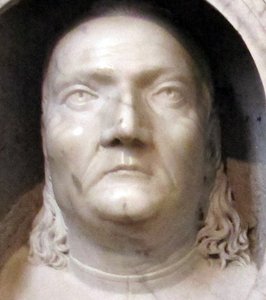
アントニオ・デル・ポッライウオーロ
1429 - 1498 , イタリア
プロフィール概要
- Artistic Movement Or Style: ルネサンス
- Artists Or Movements Influenced By This Artist:
- サンドロ・ボッティチェリ
- アルブレヒト・デューラー
- Artists Who Influenced This Artist:
- バルトルッチョ・ディ・ミケーレ
- ロレンツォ・ギベルティ
- Date Of Birth: 1429年
- Date Of Death: 1498年
- Full Name: アントニオ・デル・ポッライウオーロ
- Nationality: イタリア人
- Notable Artworks:
- 聖セバスティアヌス
- シクストゥス4世の記念碑
- 勝利のダビデ像
- 裸の戦い
- Place Of Birth: フィレンツェ、イタリア

