

 プレビュー
プレビュー
 シェアする
シェアする シェアする
シェアする
 詳細を見る
詳細を見る

 ダウンロード
 似ている作品
 X線調査
X線調査 スライドショー
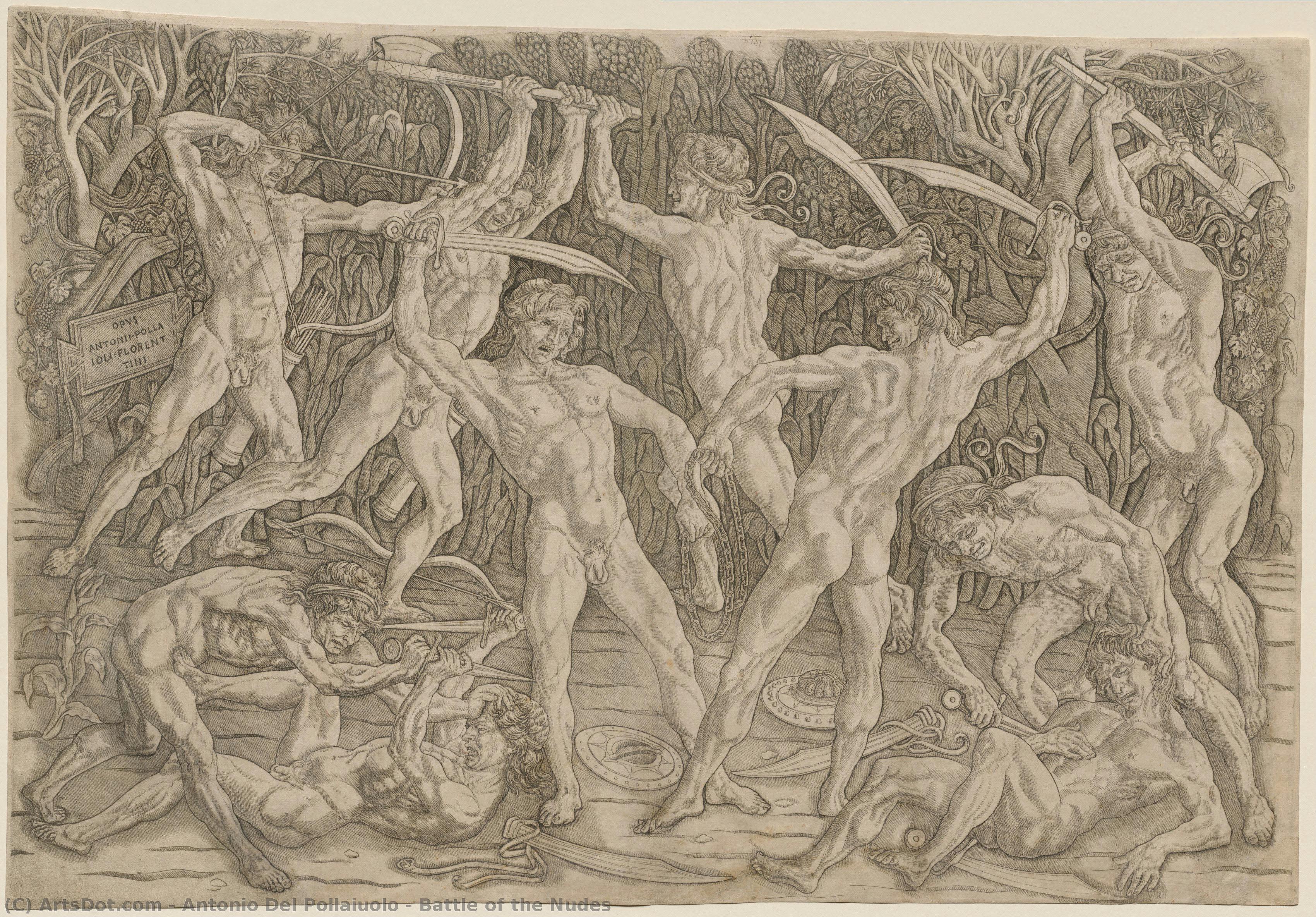
Battle of the Nudes
 Engraving
- Italian Renaissance
 1470
1470 42.0 x 60.0 cm
 クリーブランド美術館
 詳細を見る
詳細を見る
ジークレー/アートプリント
迅速な制作と多彩な仕上げオプションを備えた、ミュージアムクオリティのジークレーまたはキャンバスプリント。 ( 手描きの絵画を購入 画像を購入)




P118B $10

P118H $10

P118W $10

P438Z $10

P508JH $12

P508YH $12

P805H $10

P805Z $10

P919BZ $10

P919G $10

P919XJ $10

P959ZH $10

P968JZ $12

W106C $8

W218G $10

W218JH $8

W218Y $10

W307PJ $10

W316G $10

W316PJ $8

W316Y $10

W398PJ $8

W4111J $10

W500HY $15

W500JH $15

W692G $12

W849H $8

W940BG $15

W953PJ $8




作品のオリジナル比率に合わせた、当店の規定サイズからお選びください。

特定のフレームやスペースに合わせて、ご自身でサイズを指定することも可能です。選択されたサイズが元の画像の比率と一致しない場合、作品をトリミングするか、鏡面反射または単色での塗りつぶしによって画像を拡張いたします。制作を開始する前に、ご確認用のデジタルモックアップをお送りいたします。
画面上のプレビューには、実際のトリミングや拡張は反映されませんのでご注意ください。最終的な構図を正確に確認できるのは、モックアップのみとなります。
カスタムサイズも承っておりますが、元の比率を維持するためには、あらかじめ用意されたリストからサイズを選択することをお勧めいたします。


 ガラスオプションは、110cm未満のサイズでのみご利用いただけます。

Battle of the Nudes
ジークレー/アートプリント
複製画のサイズ
-


合計金額
$ 62
The Raw Power of Conflict: Antonio del Pollaiuolo’s “Battle of the Nudes”
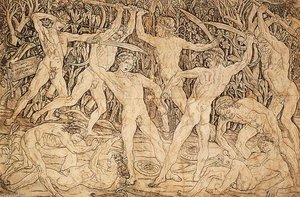
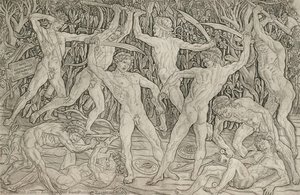
Antonio del Pollaiuolo's "Battle of the Nudes," created around 1470-75, isn’t merely a depiction of combat; it’s a visceral eruption of masculine energy frozen in time. This monumental engraving, now housed within the Cleveland Museum of Art, transcends its historical context to resonate with an enduring intensity—a testament to the artist's mastery of anatomy, dynamism, and the potent allure of the nude male form. Far from a straightforward battle scene, it’s a study in strained musculature, desperate aggression, and the brutal beauty of human struggle, offering a rare glimpse into the artistic sensibilities of Renaissance Florence.
The print immediately commands attention with its sheer scale – measuring over 42 centimeters by 60.9 centimeters – an unusual size for engravings of this period. Within this expansive space, fifteen figures are locked in a chaotic dance of violence and desperation. The composition is remarkably balanced, despite the apparent frenzy; Pollaiuolo meticulously arranges his warriors into pairs, each engaged in a fierce duel. Notice how the figures aren’t simply attacking; they're *consumed* by their actions – faces contorted with rage, limbs flung out in desperate parries, and bodies straining under the weight of exertion. The artist doesn’t shy away from depicting the grotesque: exposed muscles ripple with tension, wounds are visible, and expressions of agony flicker across the men’s faces. This unflinching realism was revolutionary for its time, pushing beyond the idealized representations favored by many of his contemporaries.
A Classical Echo in a Florentine Workshop
Delving deeper into the print reveals a fascinating interplay between classical influence and Renaissance innovation. While undeniably rooted in the artistic traditions of ancient Greece and Rome – evidenced by the heroic poses, the emphasis on musculature, and the overall sense of drama – “Battle of the Nudes” isn’t a slavish imitation of antiquity. Pollaiuolo injects a distinctly Florentine sensibility into his work, imbuing the scene with a palpable energy and emotional intensity that sets it apart. The figures aren't stoic gods or idealized heroes; they are men driven by primal instincts, caught in a moment of brutal self-assertion.
The print’s composition also subtly references classical relief sculpture – a technique Pollaiuolo likely honed during his early career as a goldsmith and metalworker. The figures seem to emerge from the dense background of vegetation, creating a sense of depth and volume that mimics the low relief found on ancient Roman monuments. This deliberate choice underscores the print’s ambition: to capture not just a scene of battle but also the spirit of classical art within the context of Renaissance Florence.
Decoding the Symbolism – A Chain of Souls?
The precise meaning behind “Battle of the Nudes” has remained a subject of scholarly debate for centuries. While some have suggested it depicts a specific historical event—perhaps a gladiatorial contest or a battle from the Trojan War—Pollaiuolo himself offered no explicit explanation, leaving the interpretation open to the viewer. However, several intriguing clues point towards a more complex symbolic reading.
One particularly compelling theory centers on the chain that binds the two central figures. Throughout art history, chains have frequently symbolized the connection between body and soul—a concept deeply rooted in medieval Christian theology. In this context, the chain could represent the struggle to reconcile earthly desires with spiritual aspirations, or perhaps the inescapable bonds of fate. The fact that these men are locked together suggests a shared destiny, highlighting the interconnectedness of human experience.
Furthermore, the print’s meticulous anatomical detail—a hallmark of Pollaiuolo's style—suggests an underlying interest in the mechanics of the body and its relationship to the soul. As Vasari noted, Pollaiuolo dissected cadavers to study human anatomy, a practice that was becoming increasingly common among Renaissance artists seeking to achieve greater realism in their work. “Battle of the Nudes” is therefore not just a depiction of violence; it’s also a profound exploration of the physical and spiritual dimensions of the human condition.
A Masterpiece of Printmaking Technique
Beyond its compelling subject matter and symbolic richness, "Battle of the Nudes" stands as a remarkable achievement in printmaking technique. Pollaiuolo employed a sophisticated method known as “drypoint,” which involved scratching an image into a metal plate with a needle. This created a fine, velvety texture that produced rich tonal variations when inked and wiped. The resulting print is characterized by its dramatic contrasts of light and shadow, its dynamic composition, and its remarkably detailed rendering of the human form.
The fact that over fifty copies of this engraving were made—a surprisingly high number for a work of art from this period—testifies to its enduring appeal. “Battle of the Nudes” has served as an inspiration for generations of artists, and it continues to captivate viewers with its raw power, its profound symbolism, and its exquisite craftsmanship. It remains a cornerstone of Renaissance printmaking, offering a window into the artistic genius of Antonio del Pollaiuolo and the vibrant cultural landscape of Florence.
関連作品
アーティストの略歴
動きとフォルムのフィレンツェの巨匠
イタリア・ルネサンスの躍動感を体現する名前、アントニオ・デル・ポッライウオーロ。彼は1429年頃にフィレンツェで登場し、芸術表現そのものを再定義した画期的な人物でした。鶏小屋を意味する「ポッライウオーロ」という家業は、彼の芸術が到達するであろう高みに全く結びついていませんでしたが、アントニオの道のりは筆とキャンバスから始まったのではありません。それは、金細工や金属加工という緻密な職人技の世界から幕を開けたのです。この初期の経験を通じて培われた精巧なディテールへの没入と正確な実行力は、彼の後の活動に深く影響を与え、そのスタイルを特徴づける解剖学的な正確さと技術的な熟練度への献身を植え付けました。彼は単なる芸術家ではありませんでした。それは、技術と革新を見事に融合させ、フィレンツェ美術に消しがたい足跡を残した職人だったのです。彼の父の工房は、おそらくバルトルッチョ・ディ・ミケーレの指導を受け、ロレンツォ・ジベルティの影響も受けながら、彼を芸術的な偉大さへと押し上げる基礎訓練を提供しました。共同作業と解剖学的探求
ポッライウオーロのキャリアの初期段階は、彼の兄弟ピエロ・デル・ポッライウオーロと切り離すことはできませんでした。二人の協働する精神は、古典古代への魅了と、人体を理解するという揺るぎないコミットメントに特徴づけられる共通の美学を育みました。彼らの共同作品の中での個々の貢献を区別するのはしばしば困難ですが、両兄弟が解剖学に対して飽くなき好奇心を持っていたことは明らかです。伝説によれば、彼らは筋骨や骨格構造への理解を深めるため、当時としては大胆な行為であった解剖まで行ったとされています。このリアリズムへの献身は単なる学問的なものではなく、比類のない躍動感と表現力をもって人物を描き出す原動力となりました。二人の共同の工房は、古典的な理想が新たに鍛え上げられ、明確にルネサンス的な感受性が吹き込まれたるるる坩堝となったのです。アンドレア・デル・カスタニョのような初期の巨匠の影響も彼らの作品には見られ、過去の伝統とこの時代の勃興する革新との架け橋となっていました。彫刻、絵画、そしてエングレーヴィングの誕生
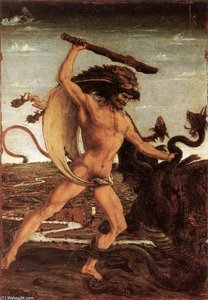
アントニオ・デル・ポッライウオーロの芸術的成果は多様な媒体に及び、それぞれが彼の独自の視点を示していました。画家として称賛される一方で、彼は特にその彫刻とエングレーヴィングで名声を博しました。彼の作品はしばしば英雄的な物語を描いており、ヘラクレスのような古典神話の人物を中心に据え、強さ、闘争、そして勝利を体現しています。既存の青銅の雌狼の彫刻に幼いロムルスとレムスを加えたことは、技術的な熟練さと芸術的な感性の両方を示す金属工芸の証左です。しかし、ポッライウオーロが真にイタリア美術に革命を起こしたのはエングレーヴィングの領域でした。彼の裸体の戦い(紀元1465年頃~1475年頃)は単なるイメージではありませんでした。それはフォルム、構図、そして表現の可能性を探求した画期的な試みだったのです。この版画は、その躍動的なエネルギー、解剖学的な正確さ、光と影の劇的な相互作用で称賛され、エングレーヴィング技術を大きく進歩させ、アルブレヒト・デューラーのような芸術家に深い影響を与えました。彼の絵画、例えば印象的な聖セバスティアヌス(1473年~1475年)はその生々しいリアリズムで知られ、一方の女性の肖像画からは、ファッションにおける静けさと細部への緻密な配慮が漂っています。ローマでの依頼と永続的な遺産
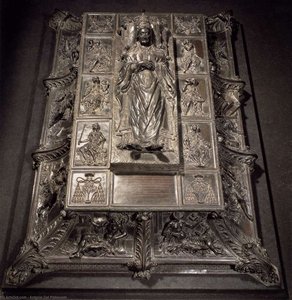
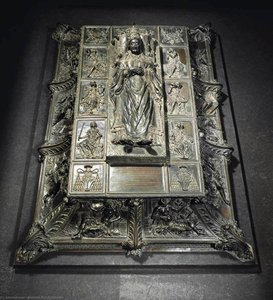
1484年、ポッライウオーロは名誉ある依頼を受け、ローマへと向かいます。そこで彼は教皇シクストゥス4世の墓という記念碑的な課題に取り組み、それは1493年に完成しました。この事業は、芸術的ビジョンを大規模な彫刻形態に翻訳する彼の能力を示し、彼をイタリアを代表する芸術家の一人として確固たる地位を築きました。その後、彼はフィレンツェに戻り、サント・スピリトの聖具室の作業を監督した後、最終的に1498年にローマで息を引き取りました。彼の死は一つの時代の終わりを告げましたが、その影響力は何世代にもわたって響き続けたのです。彼の弟子の一人であったサンドロ・ボッティチェリは、ポッライウオーロの解剖学的な正確さと躍動的な構図への重点を吸収しました。シクストゥス4世とインノケンティウス8世の墓は、彼の技術の不朽の記念碑として立っており、彼の革新的なエングレーヴィングは今なお畏敬と賞賛を呼び起こしています。アントニオ・デル・ポッライウオーロの貢献は計り知れないものでした。彼は単なる画家や彫刻家ではなく、芸術表現の可能性そのものを再定義した真のルネサンスの万能人だったのです。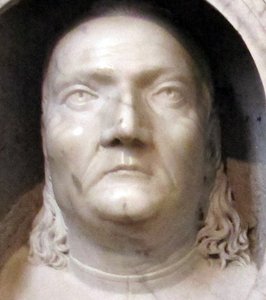
アントニオ・デル・ポッライウオーロ
1429 - 1498 , イタリア
基本情報
- Artistic Movement Or Style: ルネサンス
- Artists Or Movements Influenced By This Artist:
- サンドロ・ボッティチェリ
- アルブレヒト・デューラー
- Artists Who Influenced This Artist:
- バルトルッチョ・ディ・ミケーレ
- ロレンツォ・ギベルティ
- Date Of Birth: 1429年
- Date Of Death: 1498年
- Full Name: アントニオ・デル・ポッライウオーロ
- Nationality: イタリア人
- Notable Artworks:
- 聖セバスティアヌス
- シクストゥス4世の記念碑
- 勝利のダビデ像
- 裸の戦い
- Place Of Birth: フィレンツェ、イタリア
関連記事
Engraving's Golden Age: 10 Masterpieces That Redefined Art | ArtsDot
Journey through art history with our Top 10 Legendary Engravings! Explore masterpieces by Dürer, Rembrandt & Goya. Discover the stories behind these iconic prints and find museum-quality reproductions for your home at ArtsDot.com.
Engraving: A Historical Survey of Technique, Artistic Expression & Enduring Legacy
Explore the rich history of engraving with ArtsDot. Discover techniques, iconic artists like Dürer & Callot, collecting tips, and expert guidance for preserving your art investment. Learn about intaglio printing & more!
The Intricate World of Engraving: A Historical Survey of Technique, Artistic Expression & Enduring Legacy
Explore the rich history of engraving with ArtsDot. Discover techniques, iconic artists like Dürer & Callot, collecting tips, and expert guidance for preserving your art investment. Learn about intaglio printing & more!
The Enduring Allure of the Nude: A Historical & Artistic Exploration of the Human Form
Explore the captivating history of nude art! Discover iconic paintings & artists from classical to modern eras. Uncover symbolism, techniques & find museum-quality reproductions at ArtsDot.
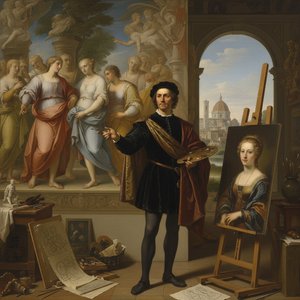
Andrea del Sarto: Florentine Grace, Technical Mastery & Artistic Ambition
Explore the life & art of Andrea del Sarto, a Florentine Renaissance master renowned for harmonious compositions & technical brilliance. Discover his frescoes, portraits, and lasting influence on art history.

