

 プレビュー
プレビュー
 プリントを購入
 シェアする
シェアする シェアする
シェアする
 詳細を見る
詳細を見る

 ダウンロード
 似ている作品
 X線調査
X線調査 スライドショー
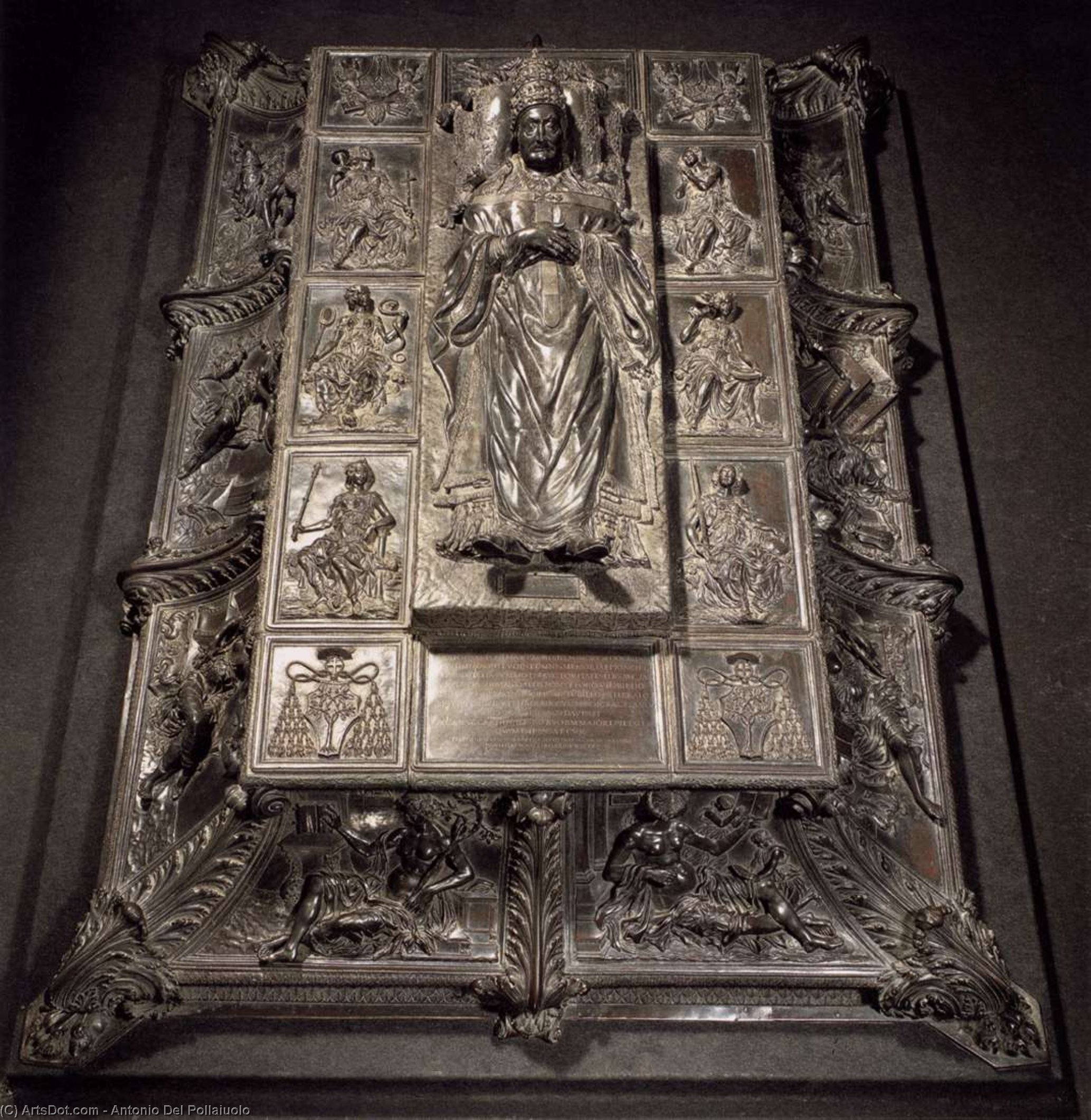
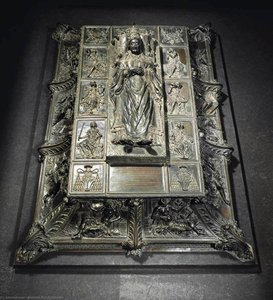
Monument of Sixtus IV


 詳細を見る
詳細を見る




P118B $10

P118H $10

P118W $10

P438Z $10

P508JH $12

P508YH $12

P805H $10

P805Z $10

P919BZ $10

P919G $10

P919XJ $10

P959ZH $10

P968JZ $12

W106C $8

W218G $10

W218JH $8

W218Y $10

W307PJ $10

W316G $10

W316PJ $8

W316Y $10

W398PJ $8

W4111J $10

W500HY $15

W500JH $15

W692G $12

W849H $8

W940BG $15

W953PJ $8




作品のオリジナル比率に合わせた、当店の規定サイズからお選びください。

特定のフレームやスペースに合わせて、ご希望のサイズをご入力いただけます。選択されたサイズが元の画像の比率と異なる場合、アートワークをトリミングするか、手描きで要素を追加して絵画を拡張いたします。デジタルモックアップ を制作し、制作開始前にご確認(承認)をいただきます。
画面上のプレビューは、実際のトリミングや拡張を正確に反映しているものではありません。最終的な構図は、モックアップによってのみ正確にご確認いただけます。
カスタムサイズもご利用いただけますが、元の比率を維持するためには、あらかじめ用意されたリストからサイズを選択することをお勧めいたします。
ご注文後、ArtsDot.com チームより詳細な指示をお送りするとともに、仕上がりイメージ(モックアップ)をご提供いたします。


 ガラスオプションは、110cm未満のサイズでのみご利用いただけます。

Monument of Sixtus IV
複製技法
複製画のサイズ
-


合計金額
$ 263
作品解説
Antonio del Pollaiuolo’s Monument of Sixtus IV: A Testament to Papal Grandeur
The bronze monument commemorating Pope Sixtus IV stands as a remarkable achievement of Florentine Renaissance sculpture, embodying not merely artistic skill but also the profound spiritual convictions of its era. Crafted in 1484 by Antonio del Pollaiuolo and his brother Piero – collaborators renowned for their anatomical precision and innovative approach to sculptural representation – this imposing piece transcends mere commemoration; it’s a meticulously constructed visual narrative steeped in symbolism and reflecting the ambitions of papal Rome during a period of significant artistic ferment.A Synthesis of Gothic Legacy and Renaissance Innovation
Del Pollaiuolo's style represents a fascinating confluence of influences. While firmly rooted in Late Gothic traditions – evident in the monument’s pyramidal structure and hierarchical scale – it simultaneously embraces the humanist ideals championed by Leonardo da Vinci and Michelangelo, signaling a decisive break from medieval artistic conventions. The sculptor skillfully blended classical proportions with intricate detailing characteristic of Gothic art, resulting in an aesthetic that is both monumental and exquisitely refined. This duality speaks to the broader cultural landscape of Florence at the time: a city striving for intellectual advancement while retaining its connection to religious heritage.Technical Mastery and Anatomical Accuracy
The monument’s execution demonstrates unparalleled technical prowess. Del Pollaiuolo, having honed his skills in goldsmithing alongside his father, employed advanced casting techniques – likely utilizing bronze alloy – ensuring exceptional durability and capturing minute nuances of texture. The sculptor's meticulous attention to anatomical detail is particularly noteworthy; he undertook dissections to deepen his understanding of human musculature, a practice considered radical for its time and reflecting the burgeoning scientific curiosity of the Renaissance. This dedication to realism elevates the sculpture beyond mere decorative grandeur, transforming it into a profound exploration of the human form. The surface finish achieved – polished bronze exhibiting subtle variations in sheen – further underscores the artist’s commitment to achieving visual perfection.Symbolism Embedded in Form and Composition
Beyond its technical brilliance lies a rich tapestry of symbolism woven throughout the sculpture's design. The central figure, representing Saint Peter Damian, is positioned atop a pyramidal base symbolizing divine authority and stability. His outstretched hands gesture towards heaven, conveying prayerful devotion and reinforcing the monument’s spiritual purpose. Surrounding him are smaller sculpted figures depicting allegorical scenes – notably representations of virtues like Faith, Hope, and Charity – illustrating Christian theology and emphasizing moral righteousness. The heraldic emblems adorning the frame—lions symbolizing papal strength and shields representing Florentine nobility—serve as visual reminders of Sixtus IV’s reign and its significance in Florentine history.Emotional Resonance: Remembrance and Reverence
Ultimately, ‘Monument of Sixtus IV’ transcends its formal elements to evoke a powerful emotional response. Its solemn grandeur inspires contemplation on mortality and faith, prompting viewers to reflect upon the enduring legacy of papal patronage and artistic achievement. The monument's meticulous craftsmanship and evocative symbolism solidify Del Pollaiuolo’s place as one of the foremost sculptors of his generation—a testament to Florentine artistry during a transformative period in European culture. Its enduring beauty continues to captivate audiences today, offering an unparalleled glimpse into the spiritual and intellectual aspirations of Renaissance Italy.関連作品
アーティストの略歴
動きとフォルムのフィレンツェの巨匠
イタリア・ルネサンスの躍動感を体現する名前、アントニオ・デル・ポッライウオーロ。彼は1429年頃にフィレンツェで登場し、芸術表現そのものを再定義した画期的な人物でした。鶏小屋を意味する「ポッライウオーロ」という家業は、彼の芸術が到達するであろう高みに全く結びついていませんでしたが、アントニオの道のりは筆とキャンバスから始まったのではありません。それは、金細工や金属加工という緻密な職人技の世界から幕を開けたのです。この初期の経験を通じて培われた精巧なディテールへの没入と正確な実行力は、彼の後の活動に深く影響を与え、そのスタイルを特徴づける解剖学的な正確さと技術的な熟練度への献身を植え付けました。彼は単なる芸術家ではありませんでした。それは、技術と革新を見事に融合させ、フィレンツェ美術に消しがたい足跡を残した職人だったのです。彼の父の工房は、おそらくバルトルッチョ・ディ・ミケーレの指導を受け、ロレンツォ・ジベルティの影響も受けながら、彼を芸術的な偉大さへと押し上げる基礎訓練を提供しました。共同作業と解剖学的探求
ポッライウオーロのキャリアの初期段階は、彼の兄弟ピエロ・デル・ポッライウオーロと切り離すことはできませんでした。二人の協働する精神は、古典古代への魅了と、人体を理解するという揺るぎないコミットメントに特徴づけられる共通の美学を育みました。彼らの共同作品の中での個々の貢献を区別するのはしばしば困難ですが、両兄弟が解剖学に対して飽くなき好奇心を持っていたことは明らかです。伝説によれば、彼らは筋骨や骨格構造への理解を深めるため、当時としては大胆な行為であった解剖まで行ったとされています。このリアリズムへの献身は単なる学問的なものではなく、比類のない躍動感と表現力をもって人物を描き出す原動力となりました。二人の共同の工房は、古典的な理想が新たに鍛え上げられ、明確にルネサンス的な感受性が吹き込まれたるるる坩堝となったのです。アンドレア・デル・カスタニョのような初期の巨匠の影響も彼らの作品には見られ、過去の伝統とこの時代の勃興する革新との架け橋となっていました。彫刻、絵画、そしてエングレーヴィングの誕生
アントニオ・デル・ポッライウオーロの芸術的成果は多様な媒体に及び、それぞれが彼の独自の視点を示していました。画家として称賛される一方で、彼は特にその彫刻とエングレーヴィングで名声を博しました。彼の作品はしばしば英雄的な物語を描いており、ヘラクレスのような古典神話の人物を中心に据え、強さ、闘争、そして勝利を体現しています。既存の青銅の雌狼の彫刻に幼いロムルスとレムスを加えたことは、技術的な熟練さと芸術的な感性の両方を示す金属工芸の証左です。しかし、ポッライウオーロが真にイタリア美術に革命を起こしたのはエングレーヴィングの領域でした。彼の裸体の戦い(紀元1465年頃~1475年頃)は単なるイメージではありませんでした。それはフォルム、構図、そして表現の可能性を探求した画期的な試みだったのです。この版画は、その躍動的なエネルギー、解剖学的な正確さ、光と影の劇的な相互作用で称賛され、エングレーヴィング技術を大きく進歩させ、アルブレヒト・デューラーのような芸術家に深い影響を与えました。彼の絵画、例えば印象的な聖セバスティアヌス(1473年~1475年)はその生々しいリアリズムで知られ、一方の女性の肖像画からは、ファッションにおける静けさと細部への緻密な配慮が漂っています。ローマでの依頼と永続的な遺産
1484年、ポッライウオーロは名誉ある依頼を受け、ローマへと向かいます。そこで彼は教皇シクストゥス4世の墓という記念碑的な課題に取り組み、それは1493年に完成しました。この事業は、芸術的ビジョンを大規模な彫刻形態に翻訳する彼の能力を示し、彼をイタリアを代表する芸術家の一人として確固たる地位を築きました。その後、彼はフィレンツェに戻り、サント・スピリトの聖具室の作業を監督した後、最終的に1498年にローマで息を引き取りました。彼の死は一つの時代の終わりを告げましたが、その影響力は何世代にもわたって響き続けたのです。彼の弟子の一人であったサンドロ・ボッティチェリは、ポッライウオーロの解剖学的な正確さと躍動的な構図への重点を吸収しました。シクストゥス4世とインノケンティウス8世の墓は、彼の技術の不朽の記念碑として立っており、彼の革新的なエングレーヴィングは今なお畏敬と賞賛を呼び起こしています。アントニオ・デル・ポッライウオーロの貢献は計り知れないものでした。彼は単なる画家や彫刻家ではなく、芸術表現の可能性そのものを再定義した真のルネサンスの万能人だったのです。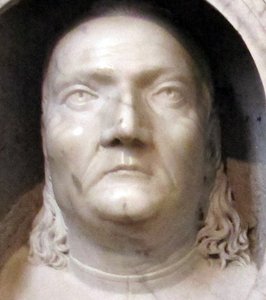
アントニオ・デル・ポッライウオーロ
1429 - 1498 , イタリア
基本情報
- Artistic Movement Or Style: ルネサンス
- Artists Or Movements Influenced By This Artist:
- サンドロ・ボッティチェリ
- アルブレヒト・デューラー
- Artists Who Influenced This Artist:
- バルトルッチョ・ディ・ミケーレ
- ロレンツォ・ギベルティ
- Date Of Birth: 1429年
- Date Of Death: 1498年
- Full Name: アントニオ・デル・ポッライウオーロ
- Nationality: イタリア人
- Notable Artworks:
- 聖セバスティアヌス
- シクストゥス4世の記念碑
- 勝利のダビデ像
- 裸の戦い
- Place Of Birth: フィレンツェ、イタリア
関連記事

The Enduring Legacy of Bronze: A Historical & Artistic Exploration for the Collector
Explore the rich history & enduring appeal of bronze sculpture with expert insights for collectors at ArtsDot. Learn about casting techniques, iconic artists, collecting tips & contemporary interpretations.

Bronze Age to Modern Masters: 10 Sculptures That Redefined Art | ArtsDot
Journey through art history with 10 legendary bronze sculptures – from Michelangelo's David to Rodin’s Thinker. Explore the stories, techniques & timeless beauty of these masterpieces. Find museum-quality reproductions & elevate your home decor on ArtsDot.com.
The Enduring Legacy of Bronze: History, Technique & Artistic Expression for the Collector
Explore the rich history & enduring appeal of bronze sculpture with expert insights for collectors at ArtsDot. Learn about casting techniques, iconic artists, and collecting tips.

The Enduring Legacy of Bronze Sculpture: A Collector's Guide to Form & Cultural Significance
Explore the rich history & enduring appeal of bronze sculpture with expert insights for collectors at ArtsDot. Learn about casting techniques, iconic artists, and collecting tips to build a discerning art collection.

The Enduring Legacy of Bronze Sculpture: Technique, Symbolism & Cultural Impact
Explore the rich history & enduring appeal of bronze sculpture with expert insights for collectors. Learn about casting techniques, iconic artists, collecting tips & contemporary interpretations at ArtsDot.

