

 プレビュー
プレビュー
 シェアする
シェアする シェアする
シェアする
 詳細を見る
詳細を見る

 ダウンロード
 似ている作品
 X線調査
X線調査 スライドショー
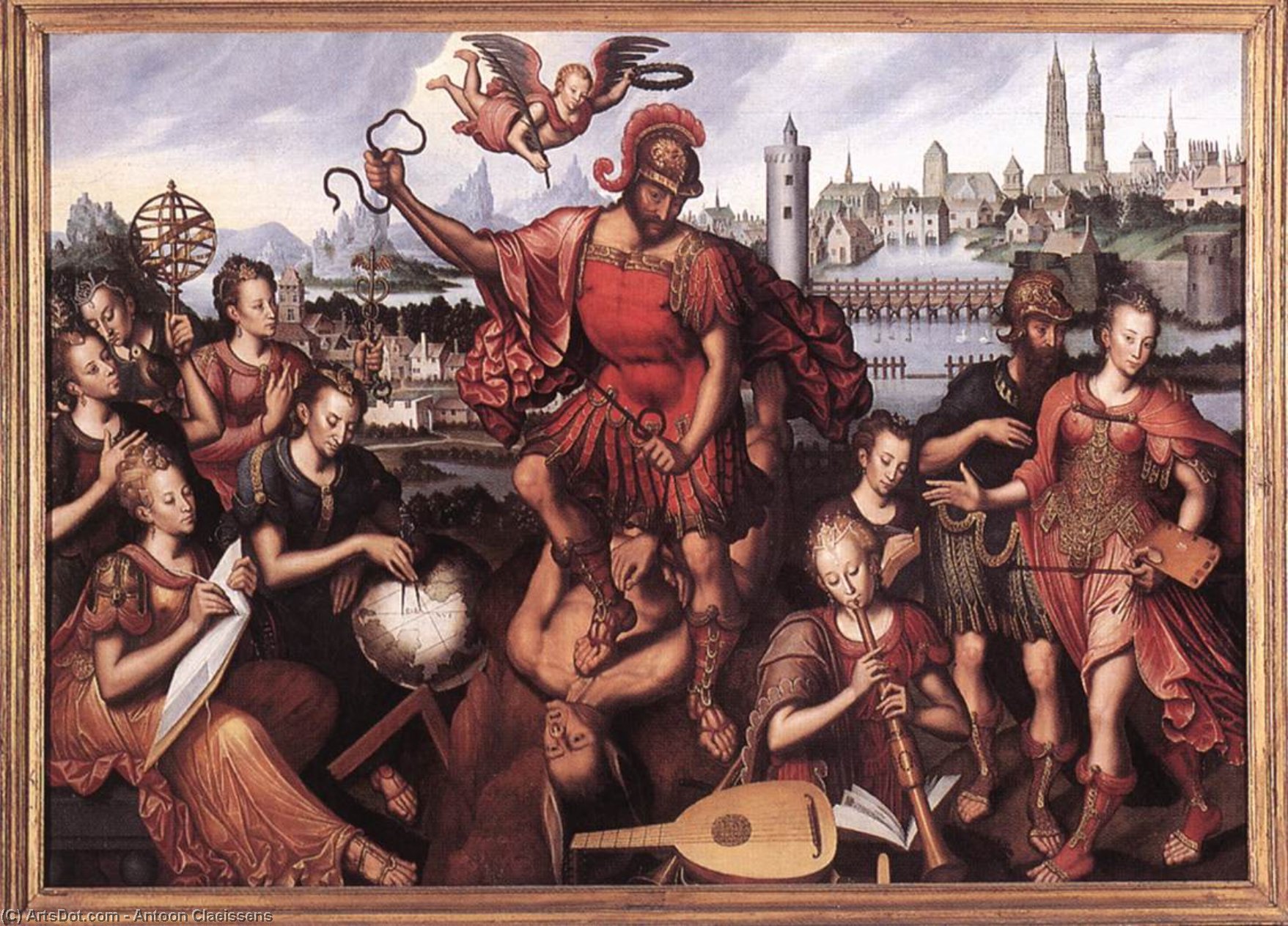
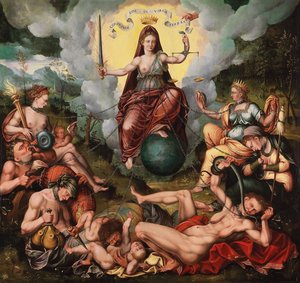
Mars Vanquishing Ignorance
 Oil On Canvas
- WallArt
- Renaissance
 1605
1605- Renaissance
 197.0 x 279.0 cm
 Groeninge Museum
 詳細を見る
詳細を見る
ジークレー/アートプリント
迅速な制作と多彩な仕上げオプションを備えた、ミュージアムクオリティのジークレーまたはキャンバスプリント。 ( 手描きの絵画を購入 画像を購入)




P118B $10

P118H $10

P118W $10

P438Z $10

P508JH $12

P508YH $12

P805H $10

P805Z $10

P919BZ $10

P919G $10

P919XJ $10

P959ZH $10

P968JZ $12

W106C $8

W218G $10

W218JH $8

W218Y $10

W307PJ $10

W316G $10

W316PJ $8

W316Y $10

W398PJ $8

W4111J $10

W500HY $15

W500JH $15

W692G $12

W849H $8

W940BG $15

W953PJ $8




作品のオリジナル比率に合わせた、当店の規定サイズからお選びください。

特定のフレームやスペースに合わせて、ご自身でサイズを指定することも可能です。選択されたサイズが元の画像の比率と一致しない場合、作品をトリミングするか、鏡面反射または単色での塗りつぶしによって画像を拡張いたします。制作を開始する前に、ご確認用のデジタルモックアップをお送りいたします。
画面上のプレビューには、実際のトリミングや拡張は反映されませんのでご注意ください。最終的な構図を正確に確認できるのは、モックアップのみとなります。
カスタムサイズも承っておりますが、元の比率を維持するためには、あらかじめ用意されたリストからサイズを選択することをお勧めいたします。


 ガラスオプションは、110cm未満のサイズでのみご利用いただけます。

Mars Vanquishing Ignorance
ジークレー/アートプリント
複製画のサイズ
-


合計金額
$ 62
The Triumph of Enlightenment: An Encounter with Mars Vanquishing Ignorance
To stand before Antoon Claeissens' Mars Vanquishing Ignorance is not merely to observe a painting; it is to step directly into the vibrant, intellectual fervor of the early seventeenth century. This monumental oil on canvas, executed in 1605, pulses with the energy of discovery and the profound human yearning for understanding. Claeissens, a master deeply rooted in the artistic heart of Bruges, has gifted us more than just pigment and linen; he has captured a grand philosophical narrative—the eternal struggle between the blinding fog of ignorance and the brilliant dawn of knowledge.
A Symphony of Symbolism and Classical Might
At the very core of the composition stands Mars, the Roman deity embodying martial prowess. Yet here, his strength is not directed toward mere bloodshed, but toward a far more formidable foe: the creeping tendrils of oblivion itself. His triumphant posture, coupled with the potent symbols he wields—the scorpion and the snake—speaks volumes. These creatures are ancient emblems, representing the primal forces that threaten clarity. Surrounding this central drama is an assembly of figures, each personification of human endeavor: philosophy contemplates, mathematics calculates, astronomy charts the heavens, and music weaves its ethereal threads. It is a visual syllabus of civilization’s greatest achievements, all gathered under the banner of intellectual ascendancy.
Mastery in Technique and Historical Resonance
Claeissens' command over his medium is breathtaking. The oil on canvas allows for a richness of color and a depth of shadow that gives the scene an almost palpable drama. Observe how the light seems to emanate not just from the sky, but from the very concepts being celebrated—a divine illumination guiding humanity forward. The background itself grounds this lofty allegory in reality; the detailed cityscape evokes the recognizable grandeur of Bruges during that era, anchoring the sublime struggle within a tangible, historical setting. This fusion of high allegory with meticulous local detail is the hallmark of Claeissens' genius.
Bringing Enlightenment Home: Considerations for Reproduction
For those who wish to invite this powerful statement into their own curated spaces—be it a grand hall or a scholarly study—the reproduction of Mars Vanquishing Ignorance offers an unparalleled opportunity. Owning a hand-painted rendition allows one to connect intimately with the texture, the weight, and the narrative power of such a significant piece of Renaissance thought. It serves not only as a breathtaking decorative centerpiece but also as a constant, eloquent reminder that curiosity remains our most potent weapon against the shadows.
関連作品

アーティストの略歴
Antoon Claeissens: The Master of Bruges Allegory
Antoon Claeissens, a name perhaps less familiar than some of his Flemish contemporaries, stands as a pivotal figure in the artistic landscape of 16th-century Bruges. Born around 1536 and passing away in 1613, he was a painter deeply intertwined with the city’s cultural and political life, serving as its official artist for a significant period. Claeissens wasn't merely a recorder of events; he was an interpreter of ideas, crafting dramatic religious scenes and intricate allegories that reflected the intellectual currents and social dynamics of his time. His legacy lies not just in the finished artworks but also in the complex family network of artists – his brothers Gillis and Pieter – who collectively shaped the artistic identity of Bruges during a remarkably fertile era.
Claeissens’ early life was steeped in art, as he apprenticed under the renowned Adrian Becaert, a master known for his detailed historical paintings. This foundation provided him with a strong grounding in technique and perspective – skills that would later be employed to great effect. However, it was within the Claeissens workshop itself that Antoon truly flourished, benefiting from the collective experience and established reputation of his father, Pieter Claeissens the Elder, and his brothers. This familial collaboration is a fascinating aspect of his career; while each artist possessed individual styles, they frequently worked together on large-scale projects, making precise attribution of specific works challenging even today.
A City Painter’s Responsibilities
Antoon Claeissens' role as the city painter of Bruges was far more than a simple commission. He was responsible for a vast array of artistic endeavors that served both religious and civic purposes. Following the tumultuous events of the Beeldenstorm (the Iconoclastic Fury) in 1566, which saw the destruction of countless religious images, the city council commissioned artists to restore and replace these lost artworks. Claeissens played a crucial part in this monumental undertaking, contributing significantly to the decoration of several parish churches – including Saint Gillis Church and the Church of Our Lady – with altarpieces, frescoes, and panel paintings.
Beyond restoring existing works, he was also tasked with creating new pieces that conveyed religious messages and reinforced civic values. This involved a deep understanding of theological concepts, historical narratives, and allegorical symbolism—elements that are abundantly present in his most celebrated works. His involvement extended to the administration of the Bruges Guild of St. Luke, where he served as dean multiple times, demonstrating his considerable influence within the artistic community.
Key Works and Artistic Style
Claeissens’ oeuvre is characterized by a dramatic intensity and a masterful command of composition. His paintings are often large-scale, employing rich colors and meticulous detail to create visually arresting scenes. Several works stand out as particularly significant examples of his artistic skill and thematic concerns. “Mars Vanquishing the Seven Capital Sins” (circa 1605), now housed in the Groeningemuseum, is perhaps his most famous painting. This allegorical composition depicts Mars, the god of war, triumphing over the seven deadly sins – a potent symbol of virtue prevailing over vice. The intricate details and carefully rendered figures convey both the grandeur of the subject matter and Claeissens’ technical prowess.
Another notable work is “The Judgement of Solomon” (circa 1580), which showcases his ability to depict complex narratives with clarity and emotional impact. The painting illustrates the biblical story of King Solomon, known for his wisdom and justice, weighing the testimonies of two women claiming a baby. The scene is rendered with dramatic lighting and dynamic movement, capturing the tension and uncertainty of the moment. These works, along with pieces like “Banquet,” demonstrate Claeissens’ skill in blending religious themes with humanist concerns.
Legacy and Historical Significance
Antoon Claeissens' contribution to the artistic heritage of Bruges is undeniable. He was a key figure within the Claeissens family, a dynasty that dominated the city’s art scene for generations. His work reflects the intellectual and religious ferment of the 16th century, embodying the complex interplay between faith, reason, and civic identity. While his individual style may not be immediately recognizable in the same way as those of some of his contemporaries, his influence is evident in the collective output of the Claeissens workshop – a testament to their shared vision and artistic collaboration.
Furthermore, Claeissens’ role as the city painter highlights the crucial connection between art and governance in 16th-century Bruges. His paintings served not only as devotional objects but also as powerful symbols of civic pride and religious authority. Studying his work offers a valuable window into the social, political, and cultural dynamics of this vibrant and influential city.
antoon claeissens
1536 - 1613 , Belgium
基本情報
- Artistic Movement Or Style: Flemish painting
- Artists Or Movements Influenced By This Artist: ['Pourbus']
- Artists Who Influenced This Artist: ['Adrian Becaert']
- Date Of Birth: c. 1536, Bruges
- Date Of Death: 1613, Bruges
- Full Name: Antoon Claeissens
- Nationality: Flemish
- Notable Artworks:
- Mars vanquishing Ignorance
- Banquet
- The Judgement of Solomon
- Place Of Birth: Bruges, Belgium
関連記事

Oil on Canvas: A Historical & Technical Exploration of a Timeless Artistic Medium
Explore the rich history & enduring techniques of oil painting on canvas. Discover the science behind its longevity, conservation practices, and contemporary relevance. Expert insights for art enthusiasts.

The Enduring Legacy of Oil on Canvas: Technique, History & Aesthetic Impact
Explore the rich history & techniques of oil painting – from Renaissance masters to Impressionism. Discover pigments, layering methods, and why this timeless medium endures. Expert insights for artists & art enthusiasts.

The Enduring Power of Painting: A Historical & Contemporary Exploration of Form and Emotion
Explore the rich history & enduring techniques of oil painting with ArtsDot. Discover masterpieces, learn about art collecting, and find authentic handmade reproductions crafted by skilled artists.

油彩のキャンバス:技法、歴史、そして現代の実践 - 古典美術愛好家へ
油彩の技法、歴史、巨匠たちの秘密を徹底解説。古典美術愛好家向けに、初期フランドル絵画から現代の実践まで深く掘り下げます。ArtsDotで高品質な複製画やカスタムオーダーも承ります。
Oil on Board: A Historical Survey of Technique, Aesthetic Qualities & Enduring Appeal
Explore the rich history of oil on board painting! Discover techniques, aesthetic qualities & enduring appeal from early masters to modern practice. Expert insights for collectors and art enthusiasts.