 プレビュー
プレビュー
 プリントを購入
 シェアする
シェアする シェアする
シェアする
 詳細を見る
詳細を見る

 ダウンロード
 似ている作品
 X線調査
X線調査 スライドショー
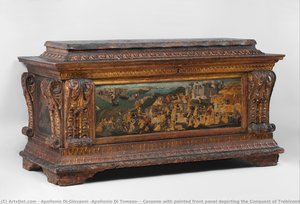
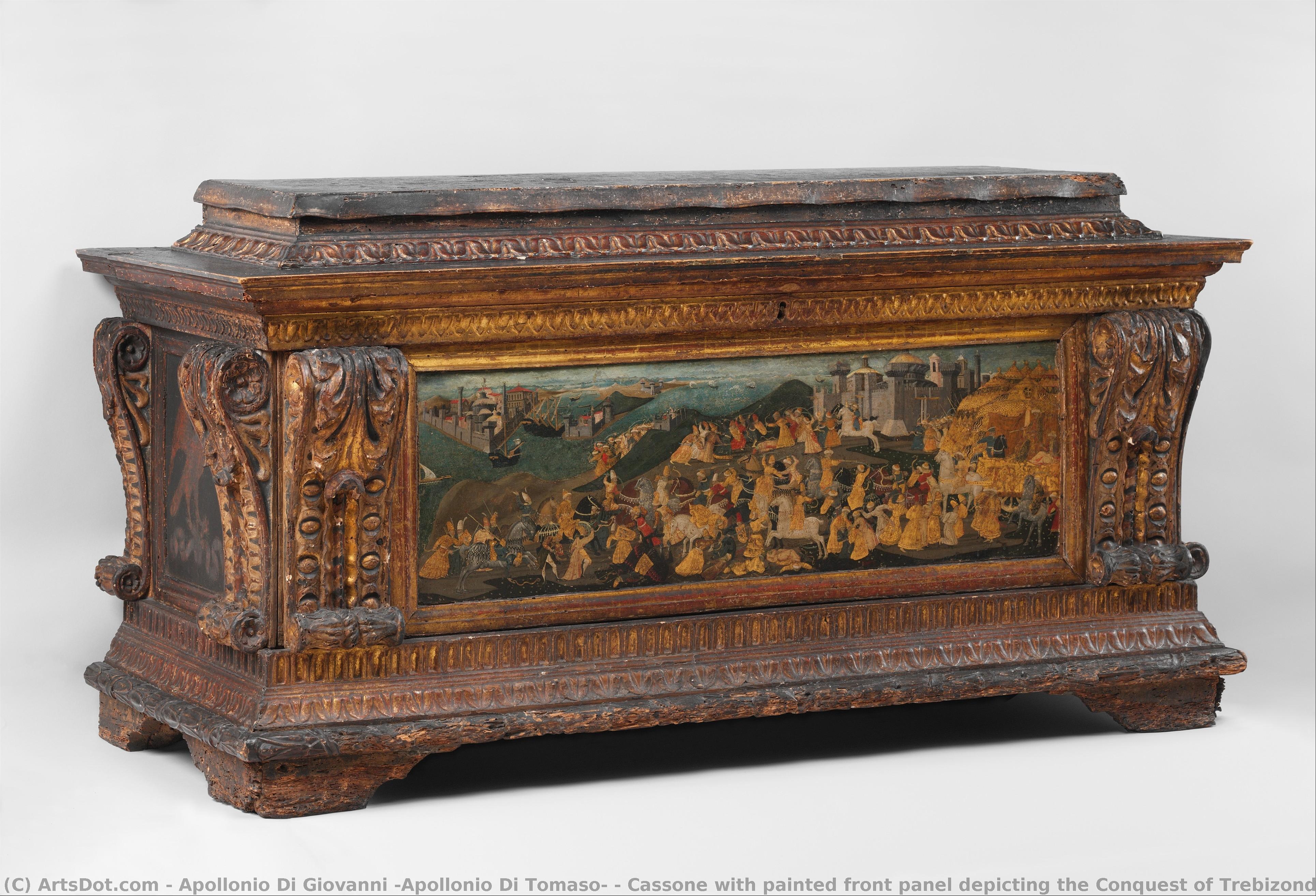
コンスタンティノープル征服を描いたカッソネ
 絵画
絵画- Renaissance Florentine Painting
 1461
1461 100.0 x 196.0 cm
 メトロポリタン美術館
 詳細を見る
詳細を見る




P118B $10

P118H $10

P118W $10

P438Z $10

P508JH $12

P508YH $12

P805H $10

P805Z $10

P919BZ $10

P919G $10

P919XJ $10

P959ZH $10

P968JZ $12

W106C $8

W218G $10

W218JH $8

W218Y $10

W307PJ $10

W316G $10

W316PJ $8

W316Y $10

W398PJ $8

W4111J $10

W500HY $15

W500JH $15

W692G $12

W849H $8

W940BG $15

W953PJ $8




作品のオリジナル比率に合わせた、当店の規定サイズからお選びください。

特定のフレームやスペースに合わせて、ご希望のサイズをご入力いただけます。選択されたサイズが元の画像の比率と異なる場合、アートワークをトリミングするか、手描きで要素を追加して絵画を拡張いたします。デジタルモックアップ を制作し、制作開始前にご確認(承認)をいただきます。
画面上のプレビューは、実際のトリミングや拡張を正確に反映しているものではありません。最終的な構図は、モックアップによってのみ正確にご確認いただけます。
カスタムサイズもご利用いただけますが、元の比率を維持するためには、あらかじめ用意されたリストからサイズを選択することをお勧めいたします。
ご注文後、ArtsDot.com チームより詳細な指示をお送りするとともに、仕上がりイメージ(モックアップ)をご提供いたします。


 ガラスオプションは、110cm未満のサイズでのみご利用いただけます。

コンスタンティノープル征服を描いたカッソネ
複製技法
複製画のサイズ
-


合計金額
$ 263
カッソネにおけるテリビゾンド征服の描写:ルネサンス美術における歴史と象徴
このカッソネは、フィレンツェの美術商ステファノ・バルディニから1913年に購入されたもので、十五世紀の芸術作品の中でも稀に見られるものとして知られています。特にテリビゾンド征服という当時の歴史的な出来事を鮮やかに描き出した点は、他のカッソネと比較しても際立っています。この傑作は、アポロニオ・ディ・ジョヴァンニとマルコ・デル・ブーノの工房が制作したものであり、その工房は十五世紀フィレンツェで最も優れた絵画カッソネを生産していたことで栄えました。テリビゾンド征服という当時の歴史的な出来事をモチーフに選ばれた背景には、バロック美術における物語性の重視といった芸術家の思想的な傾向が反映されています。 テリビゾンド征服は、東ローマ帝国最後の拠点であったテリビゾンドをメフメド二世率いるオスマン帝国の軍が奪取した事件です。この絵画は、当時の都市のランドマークや地理的特徴を巧みに表現しており、特に聖フランチェスコ教会とユスティニアヌス柱は、ローマ帝国時代の遺物として重要な意味を持っています。これらの要素は、テリビゾンド征服という歴史的な出来事に対する信仰心を象徴していると考えられます。また、絵画にはオスマン帝国の軍隊がテリビゾンドの城壁を攻撃する様子が描かれており、当時の政治情勢や軍事戦略を反映しています。この絵画は、当時の社会生活や文化的な価値観を伝えるとともに、歴史家や芸術家に大きな刺激を与えました。 カッソネの制作技術は、テラコッタ彫刻やレリーフなど他の美術技法とは異なり、特に繊細な色彩表現と質感の再現に優れています。アポロニオ・ディ・ジョヴァンニとマルコ・デル・ブーノの工房は、テラコッタ彫刻における革新的な技術を駆使し、当時の芸術家たちに新たな表現方法を提供しました。この工房は特にテラコッタ彫刻において優れた技術を持つことで知られており、その技術は他の工房と比較しても優れていました。カッソネの制作技術は、当時の美術家たちが素材や技法を用いて歴史的な出来事や物語を表現する能力を示すものであり、芸術史における重要な役割を果たしました。 絵画の色使いは、テラコッタ彫刻などの他の美術技法とは異なり、特に鮮やかな色彩と豊かな質感の再現に優れています。アポロニオ・ディ・ジョヴァンニとマルコ・デル・ブーノの工房は、テラコッタ彫刻における革新的な技術を駆使し、当時の芸術家たちに新たな表現方法を提供しました。この工房は特にテラコッタ彫刻において優れた技術を持つことで知られており、その技術は他の工房と比較しても優れていました。絵画の色使いは、当時の美術家たちが素材や技法を用いて歴史的な出来事や物語を表現する能力を示すものであり、芸術史における重要な役割を果たしました。このカッソネの色彩表現は、テラコッタ彫刻などの他の美術技法とは異なり、特に鮮やかな色彩と豊かな質感の再現に優れており、当時の美術家たちが素材や技法を用いて歴史的な出来事や物語を表現する能力を示すものであり、芸術史における重要な役割を果たしました。 カッソネの表面はテラコッタ彫刻などの他の美術技法とは異なり、特に繊細な質感の再現に優れています。アポロニオ・ディ・ジョヴァンニとマルコ・デル・ブーノの工房は、テラコッタ彫刻における革新的な技術を駆使し、当時の芸術家たちに新たな表現方法を提供しました。この工房は特にテラコッタ彫刻において優れた技術を持つことで知られており、その技術は他の工房と比較しても優れていました。カッソネの表面はテラコッタ彫刻などの他の美術技法とは異なり、特に繊細な質感の再現に優れており、当時の美術家たちが素材や技法を用いて歴史的な出来事や物語を表現する能力を示すものであり、芸術史における重要な役割を果たしました。このカッソネの表面はテラコッタ彫刻などの他の美術技法とは異なり、特に繊細な質感の再現に優れており、当時の美術家たちが素材や技法を用いて歴史的な出来事や物語を表現する能力を示すものであり、芸術史における重要な役割を果たしました。関連作品
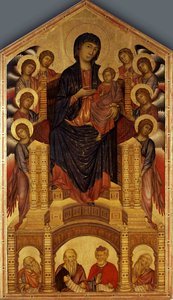
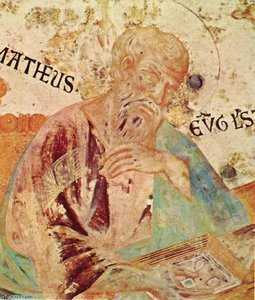
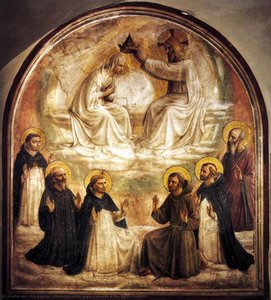
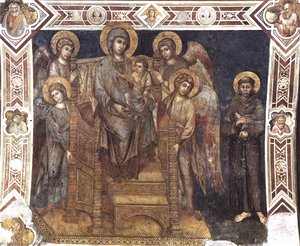
アーティストの略歴
A Florentine Master of Narrative: Apollonio di Giovanni
Apollonio di Giovanni di Tomaso, born in Florence around 1415-1417 and passing away in 1465, stands as a compelling figure within the Early Renaissance. While perhaps not possessing the household name recognition of contemporaries like Donatello or Masaccio, Apollonio carved out a significant niche for himself as a highly sought-after painter and illuminator, particularly celebrated for his exquisitely decorated *cassoni* – wedding chests that served as both functional objects and vibrant expressions of Florentine life and ideals. His workshop was arguably the most prolific and fashionable in Florence during its active years, producing over 300 cassoni between 1446 and 1465 alone, a testament to the demand for his artistry. He wasn’t merely replicating designs; he was crafting narratives, capturing contemporary fashions, and reflecting the burgeoning humanist spirit of the era.Early Life and Workshop Practice
Details regarding Apollonio's early training remain somewhat elusive, but it is known that he joined Florence’s doctors and apothecaries’ guild in 1442 – a common practice for artists at the time – before becoming a full member of the painters’ guild, the Compania di San Luca, in 1443. His most enduring professional relationship began around 1446 with Marco del Buono Giamberti. This partnership proved remarkably successful; together they established a workshop that dominated the cassone market for nearly two decades. The division of labor within the workshop is still debated by scholars, but it’s generally accepted that Apollonio was primarily responsible for the figurative painting, while Del Buono oversaw other aspects of production and potentially contributed to designs. The sheer volume of work emanating from their studio suggests a highly organized system involving numerous assistants and craftsmen, allowing them to cater to a diverse clientele with varying tastes and budgets.Themes and Techniques: A Renaissance Mirror
Apollonio’s cassoni are not simply decorative; they offer invaluable insights into the cultural preoccupations of 15th-century Florence. He frequently depicted scenes drawn from classical mythology – tales of Troy, stories of heroic deeds, and allegorical representations of love and virtue. However, what sets Apollonio apart is his masterful integration of contemporary elements. His figures are adorned in the latest Florentine fashions, architectural backgrounds reflect the city’s evolving urban landscape, and details often allude to specific events or patrons. His technique is characterized by a delicate touch, vibrant color palettes, and an emphasis on graceful forms. He skillfully employed tempera paint on wood panels, achieving a luminous quality that enhanced the narrative clarity of his compositions. The influence of painters like Marco del Buono Giamberti is evident in Apollonio’s work, particularly in the refined draftsmanship and attention to detail. He also demonstrated considerable skill as an illuminator, producing beautifully rendered manuscripts that showcase his mastery of line and color.Major Achievements and Lasting Legacy
While numerous cassoni attributed to Apollonio survive, several works stand out as particularly representative of his artistic prowess. The *Cassone with painted front panel depicting the Conquest of Trebizond* (1416) is a prime example of his ability to depict contemporary historical events with both accuracy and artistry. The chest commemorates a significant military victory for Florence, transforming a political event into a visually compelling narrative. Other notable works include panels illustrating scenes from Petrarch’s *Triumphs*, showcasing his engagement with humanist literature. Perhaps most intriguing is Apollonio's connection to the earliest surviving tarot decks. He and Del Buono are now credited with creating what is known as the “Estensi” deck, a masterpiece of illuminated playing cards that offers a fascinating glimpse into Renaissance symbolism and iconography. Apollonio di Giovanni’s legacy lies not in groundbreaking innovation but in his exceptional skill at synthesizing existing artistic traditions and adapting them to meet the demands of a sophisticated clientele. He was a master craftsman who captured the spirit of his age, leaving behind a body of work that continues to captivate and inform our understanding of Renaissance Florence.Historical Significance
Apollonio di Giovanni’s importance extends beyond the aesthetic qualities of his paintings. His cassoni provide invaluable documentation of Florentine material culture – clothing styles, furniture design, architectural trends – offering a unique window into daily life during the 15th century. His workshop's success also highlights the growing commercialization of art and the increasing importance of patronage in Renaissance society. The demand for his work demonstrates the rising affluence of Florence’s merchant class and their desire to express their status through luxurious possessions. Furthermore, his involvement with the creation of the Estensi tarot deck adds another layer of intrigue to his biography, suggesting a broader intellectual curiosity and engagement with esoteric traditions. While often overshadowed by more celebrated artists, Apollonio di Giovanni remains a crucial figure in understanding the artistic landscape of Early Renaissance Florence – a testament to the power of narrative, craftsmanship, and the enduring appeal of beauty.
apollonio di giovanni (apollonio di tomaso)
1416 - 1465 , Italy
基本情報
- Artistic Movement Or Style: Renaissance Sculpture
- Date Of Birth: Florence, Italy (1416)
- Date Of Death: 1465
- Full Name: Apollonio di Giovanni di Tommaso
- Nationality: Italian
- Notable Artworks: ['Cassone with painted front panel depicting the Conquest of Trebizond']
- Place Of Birth: Florence
関連記事
High Medieval Art: 10 Masterpieces That Shaped an Era | ArtsDot
Journey through High Medieval Art! Explore 10 iconic masterpieces – from Giotto's frescoes to stunning Gothic cathedrals. Discover the stories behind these timeless paintings, sculptures & illuminated manuscripts. Find museum-quality art reproductions at ArtsDot.com.
Illuminating Faith & Power: A Journey Through Medieval Art (c. 500 – c. 1500)
Explore the rich history of Medieval Art (c. 500 – c. 1500) with ArtsDot. Discover Byzantine mosaics, Gothic cathedrals & Renaissance masterpieces. Expert insights & museum-quality reproductions.
Illuminating Eternity: A Comprehensive Exploration of Byzantine Art's Legacy
Explore the rich history & stunning artistry of the Byzantine Empire! Discover iconic mosaics, profound symbolism, and lasting influence on Western art. A comprehensive guide for history lovers.
Late Medieval Masterpieces: 10 Artworks That Defined an Era | ArtsDot
Journey through 10 defining Late Medieval masterpieces – from Giotto's frescoes to Jan van Eyck’s realism. Explore the stories, techniques & vibrant colors of Gothic art. Find museum-quality reproductions and elevate your home decor with ArtsDot.com! Discover all masterpieces on ArtsDot.com
ウフィツィ美術館の至宝25選:ルネサンス巨匠たちの傑作とアートデコレーション
ウフィツィ美術館の至宝25選:ボッティチェリ、レオナルド・ダ・ヴィンチ…ルネサンス巨匠たちの傑作と感動的な物語を紐解きます。高品質な絵画複製やアートプリントで、お部屋に名画の輝きを。ArtsDot.comで芸術の世界へ。