

 プレビュー
プレビュー
 プリントを購入
 シェアする
シェアする シェアする
シェアする
 詳細を見る
詳細を見る

 ダウンロード
 似ている作品
 X線調査
X線調査 スライドショー
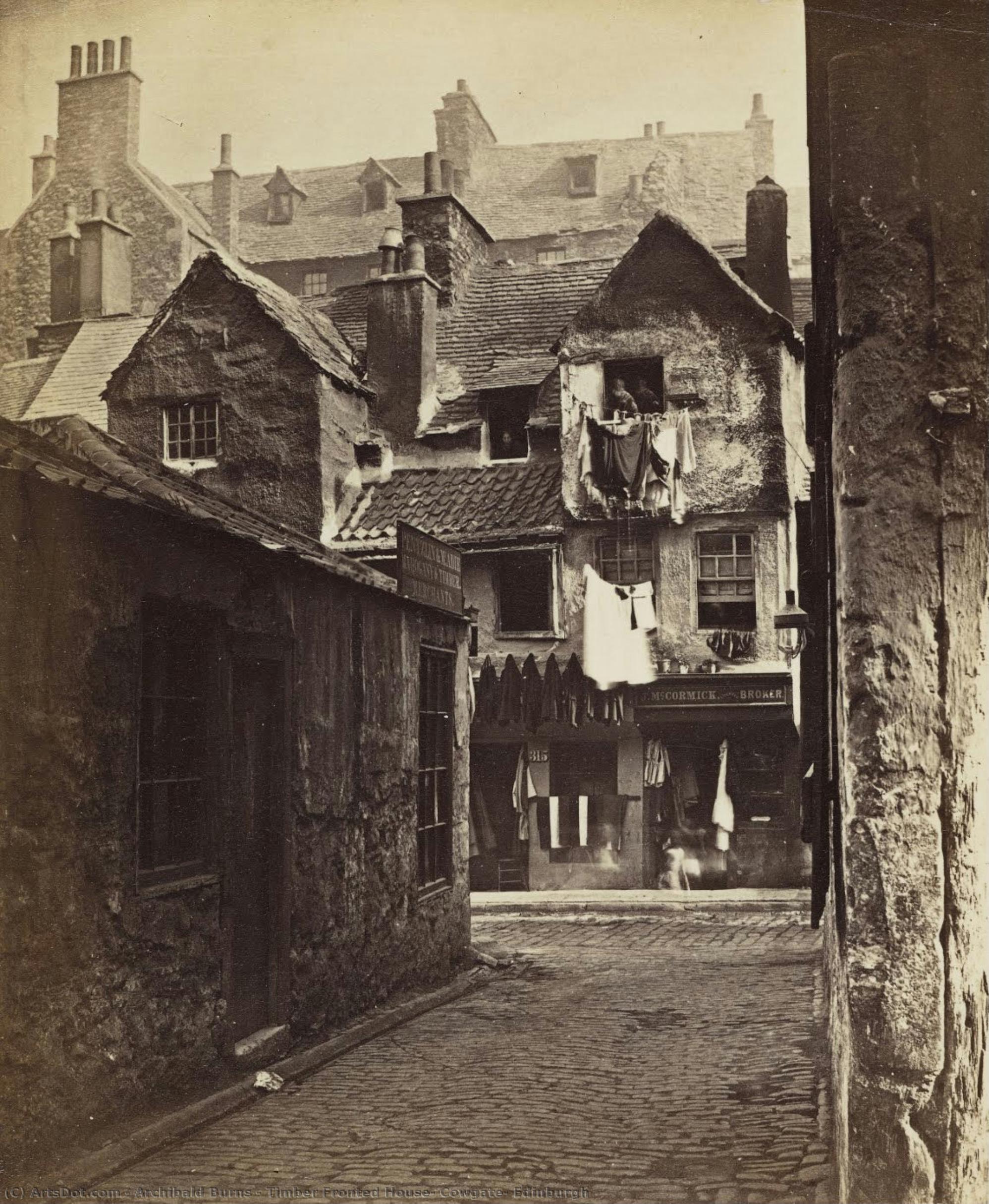
Timber Fronted House, Cowgate, Edinburgh


 詳細を見る
詳細を見る
オンラインプレビューをはるかに凌ぐ、高解像度で鮮明なデジタル画像をご購入いただけます。
各ファイルは、社内の専門家が高度なツールと熟練した手作業によるレタッチを用いて、細心の注意を払って準備されています。すべての画像において、卓越した鮮明度、正確な色彩再現性、そして繊細なディテールを保証いたします。
最終ファイルは、プロフェッショナルな編集・印刷環境ですぐにご利用いただけるよう最適化された状態で、72時間以内にメールにてお届けいたします。これは、一流のデザインスタジオ、出版社、ギャラリーから信頼されているものと同等の品質です。
デジタル画像のご注文に付随する特典
高品質なデジタル画像配信を、確かな品質で。
ArtsDot.com を選ぶことは、単に画像を手に入れることではありません。それは、プロの手によって精密に仕上げられ、満足保証が付いた高品質なデジタルアートワークを受け取ることを意味します。ご注文いただいた際に自動的に付随する内容は、以下の通りです:

メールですぐにお届け
ご注文から72時間以内に、高解像度のデジタル画像ファイルがメールでお手元に届きます。すぐにそのままご利用いただけます。

AI技術で最適化されたデジタルファイル
お客様の作品は、高度なAIツールと専門家による手作業の編集を組み合わせてプロフェッショナルに最適化されており、細部のディテール、鮮明さ、そして正確な色再現性を最大限に引き出しています。

一生涯無料の再送サービス
ファイルを誤って削除したり、紛失してしまったりしましたか?ご安心ください。いつでも無料で再送いたします。

輸入手数料は一切かかりません
関税や手数料、配送料を気にすることなく、お気に入りのアートワークをすぐにお楽しみいただけます。デジタルダウンロードは常に免税です。

色彩再現の保証
プロ仕様のツールとカラーマネジメント技術を用いることで、デジタル画像が元の色を最大限に忠実に再現することを保証いたします。

100日間満足保証
ご購入いただいたデジタル画像にご満足いただけない場合は、100日以内であれば、理由を問わず修正または100%の返金対応をさせていただきます。

100% 返金保証
ご満足いただけない場合は、デジタルファイルを受け取ってから100日以内であれば、理由を問わず全額返金いたします。

まとめ買い割引
3枚購入で10%OFF - 5枚購入で15%OFF - 10枚以上購入で20%OFF。クリエイティブなプロジェクト、ギャラリー、エージェンシーに最適です。
関連作品








作家の略歴
Archibald Burns: Preserving Edinburgh’s Soul Through Light and Shadow
Archibald Burns, a name perhaps less familiar than some of his contemporaries, stands as a quietly significant figure in the history of Scottish photography. Born in Edinburgh in 1831, he wasn't a flamboyant innovator or a revolutionary stylist; instead, he possessed a meticulous eye and an unwavering dedication to documenting the evolving cityscape of his beloved city. His work, primarily focused on architectural details and landscapes, offers a remarkably intimate glimpse into Victorian Edinburgh – a time of rapid transformation, shadowed by the demolition of historic buildings for the sake of progress.
Burns’ early life reveals a man deeply rooted in the artistic traditions of Scotland. He joined the Photographic Society of Scotland in 1858 and later became one of the founding members of the Edinburgh Photographic Society in 1861, signaling his commitment to this nascent art form. Initially, he pursued landscape photography, capturing the rolling hills and dramatic skies surrounding Edinburgh. However, it was his fascination with the city itself that truly defined his career. He established his first studio at 22 Calton Stairs in 1861, a location that would become synonymous with his work for nearly a decade before he moved to Rock House in 1871.
Burns’ photographic practice coincided with a period of intense urban development in Edinburgh. The city was undergoing significant changes – the demolition of historic closes (narrow alleyways) and wynds (street passages) to make way for wider streets and grander buildings. This destruction, while intended to modernize the city, threatened to erase its unique character. Recognizing this impending loss, Burns dedicated himself to meticulously recording these vanishing spaces before they disappeared forever. His most celebrated work from this period is undoubtedly his series of photographs documenting the Cowgate area – a collection that now resides within the Scottish National Portrait Gallery and serves as a poignant reminder of what was lost.
A Master of Salted Paper: Technique and Style
Burns’ photographic style wasn't characterized by dramatic effects or elaborate compositions. Instead, he favored a restrained, almost documentary approach. He primarily utilized the salted paper process, a technique that produced images with a subtle tonal range and a characteristic slightly muted quality. This method, popular at the time, emphasized detail and texture, allowing the inherent character of the buildings and landscapes to shine through. His compositions were often carefully framed, focusing on architectural details – ornate doorways, weathered stonework, and intricate window frames – revealing the beauty in the commonplace.
Crucially, Burns’ work wasn't simply a record of physical structures; it was an attempt to capture the *spirit* of Edinburgh. His photographs convey a sense of melancholy and nostalgia, reflecting the awareness that these historic spaces were being sacrificed for progress. The shadows cast by the buildings, the textures of the stone, and the subtle variations in light all contribute to this evocative atmosphere.
Publications and Legacy: Documenting a City’s Transformation
Beyond his individual prints, Burns played a vital role in documenting Edinburgh through published works. In 1868, he collaborated with Thomas Henderson on “Picturesque Bits from Old Edinburgh,” a book that showcased a selection of his photographs alongside descriptive text. This publication helped to raise awareness about the city’s architectural heritage and cemented Burns' reputation as a skilled documentarian.
Following his death in 1880, his studio contents were sold at auction – a testament to the breadth of his collection and the value he placed on his photographic equipment. The sale offered a fascinating glimpse into the tools of his trade: cameras, lenses, chemicals, and countless prints. His work has since been exhibited widely, including a notable showcase at the Inverness Museum and Art Gallery, further solidifying his place in Scottish art history.
Beyond the Image: A Window into Victorian Edinburgh
Archibald Burns’ legacy extends far beyond the individual photographs he produced. He served as a crucial visual witness to a pivotal moment in Edinburgh's history – a period of rapid transformation that irrevocably altered the city’s landscape. His meticulous documentation provides invaluable insights into the architectural and social fabric of Victorian Scotland, offering a poignant reminder of what was lost and a powerful testament to the importance of preserving our cultural heritage. His photographs are not merely images; they are windows into a bygone era, inviting us to contemplate the relationship between progress and preservation.
Further Resources

Archibald Burns
1831 - 1880 , United Kingdom
プロフィール概要
- Artistic Movement Or Style: Landscape/Architectural
- Artists Or Movements Influenced By This Artist: ['Victorian Photography']
- Artists Who Influenced This Artist: ['Hill & Adamson']
- Date Of Birth: 1831 Edinburgh UK
- Date Of Death: 1880
- Full Name: Archibald Burns
- Nationality: Scottish
- Notable Artworks:
- Timber Fronted House, Cowgate
- Princes St Edinburgh
- Place Of Birth: Edinburgh UK