

 プレビュー
プレビュー
 プリントを購入
 シェアする
シェアする シェアする
シェアする
 詳細を見る
詳細を見る

 ダウンロード
 似ている作品
 X線調査
X線調査 スライドショー
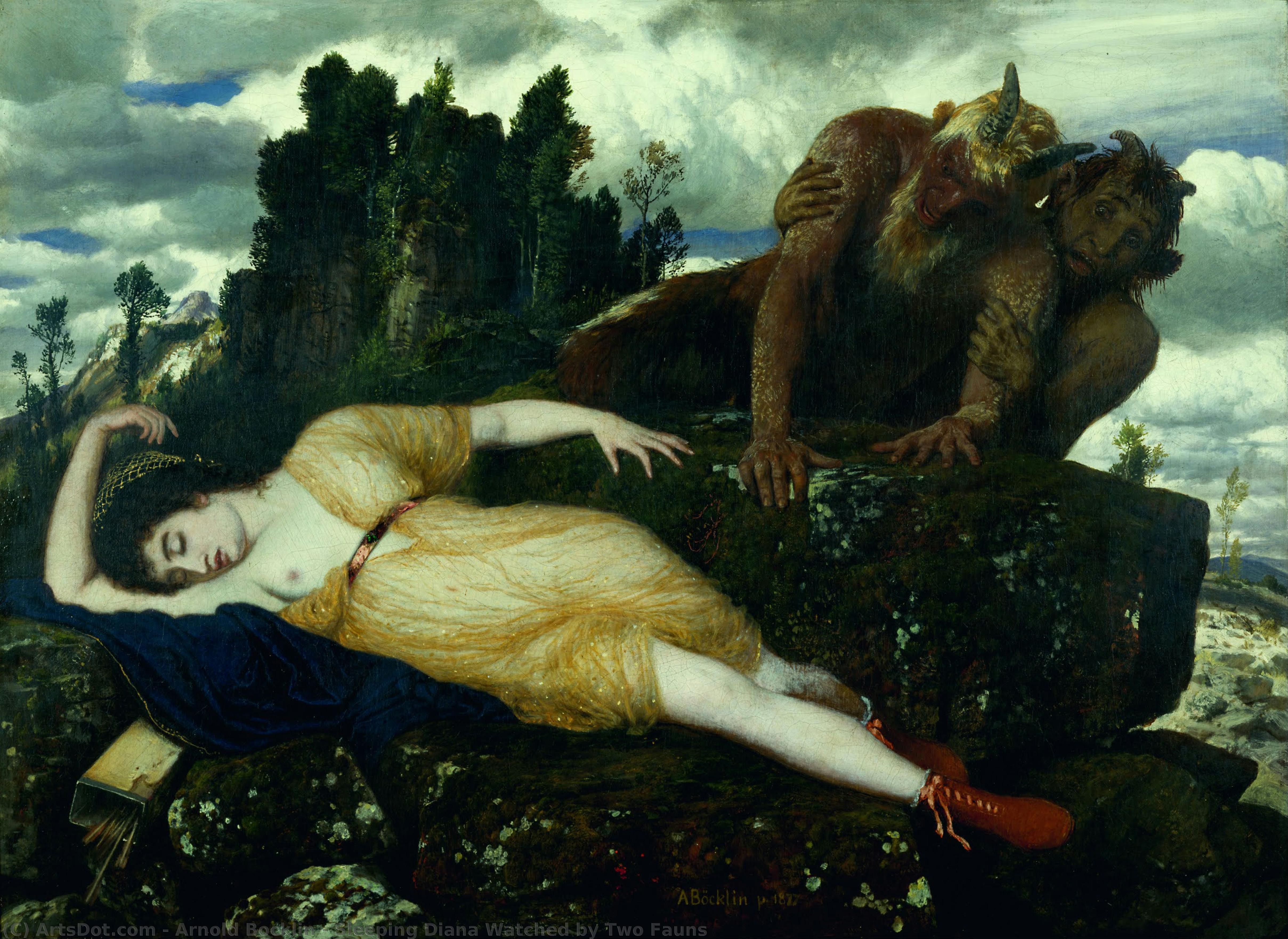
Sleeping Diana Watched by Two Fauns
 Acrylic On Canvas
- WallArt
- Symbolist Painting
 1877
1877 50.0 x 774.0 cm
 Kunstpalast
 詳細を見る
詳細を見る




P118B $10

P118H $10

P118W $10

P438Z $10

P508JH $12

P508YH $12

P805H $10

P805Z $10

P919BZ $10

P919G $10

P919XJ $10

P959ZH $10

P968JZ $12

W106C $8

W218G $10

W218JH $8

W218Y $10

W307PJ $10

W316G $10

W316PJ $8

W316Y $10

W398PJ $8

W4111J $10

W500HY $15

W500JH $15

W692G $12

W849H $8

W940BG $15

W953PJ $8




作品のオリジナル比率に合わせた、当店の規定サイズからお選びください。

特定のフレームやスペースに合わせて、ご希望のサイズをご入力いただけます。選択されたサイズが元の画像の比率と異なる場合、アートワークをトリミングするか、手描きで要素を追加して絵画を拡張いたします。デジタルモックアップ を制作し、制作開始前にご確認(承認)をいただきます。
画面上のプレビューは、実際のトリミングや拡張を正確に反映しているものではありません。最終的な構図は、モックアップによってのみ正確にご確認いただけます。
カスタムサイズもご利用いただけますが、元の比率を維持するためには、あらかじめ用意されたリストからサイズを選択することをお勧めいたします。
ご注文後、ArtsDot.com チームより詳細な指示をお送りするとともに、仕上がりイメージ(モックアップ)をご提供いたします。


 ガラスオプションは、110cm未満のサイズでのみご利用いただけます。

Sleeping Diana Watched by Two Fauns
複製技法
複製画のサイズ
-


合計金額
$ 263
作品解説
The Enigmatic Realm of Arnold Böcklin’s “Sleeping Diana”
Arnold Böcklin's "Sleeping Diana Watched by Two Fauns," painted in 1877-85, is not merely a depiction of a serene woodland scene; it’s an immersion into a realm of potent symbolism and haunting beauty. This tempera on panel masterpiece, currently residing in the Museum Kunstpalast in Düsseldorf, immediately draws the viewer into a world where classical mythology intertwines with unsettling introspection. The painting's power lies not just in its exquisite detail – the dappled sunlight filtering through ancient trees, the delicate folds of Diana’s gown – but in the palpable tension between innocence and primal instinct, restraint and desire.
Böcklin, a key figure in the Symbolist movement, rejected the naturalism prevalent in earlier art. Instead, he sought to evoke emotions and ideas through suggestive imagery, often drawing upon folklore, mythology, and the darker aspects of human experience. His work frequently explores themes of death, decay, and the subconscious—elements subtly woven into this particular composition. The painting’s genesis is rooted in a fascination with the ancient world, particularly Roman art and literature, combined with a deeply personal exploration of mortality and the fleeting nature of beauty.
A Dance of Contrasts: Goddess and Creatures
At the heart of “Sleeping Diana” lies a captivating interplay of figures. The goddess Diana, depicted in a state of languid repose upon a moss-covered rock, embodies purity, chastity, and the hunt—attributes traditionally associated with her role as protector of young women. Her serene expression and graceful posture suggest both vulnerability and an underlying strength. However, this idealized image is dramatically contrasted by the two fauns flanking her. These creatures, rendered with a touch of unsettling realism, possess a distinctly animalistic quality, their hands almost touching in a gesture that hints at a suppressed, perhaps even forbidden, attraction.
The positioning of the fauns—one reaching out tentatively towards Diana, the other holding back—creates a dynamic tension. It’s not a violent confrontation, but rather a delicate negotiation between opposing forces: the divine and the earthly, the rational and the instinctual, the controlled and the wild. The subtle shift in their postures suggests a moment suspended in time, a fleeting glimpse into a primal drama.
Technique and Atmosphere – A Palette of Twilight
Böcklin’s masterful technique contributes significantly to the painting's evocative atmosphere. He employed a rich, layered application of tempera paint, creating a sense of depth and texture that captures the dappled light filtering through the trees. The color palette is dominated by muted greens, browns, and blues—tones reminiscent of twilight or early morning—which imbue the scene with a melancholic beauty. Böcklin’s use of chiaroscuro – the dramatic contrast between light and shadow – further enhances the painting's emotional impact, drawing attention to Diana’s form while simultaneously shrouding the surrounding landscape in mystery.
Notably, Böcklin was influenced by the Italian Renaissance color palettes, particularly those favored during the Early Renaissance. This influence is evident in the warm, earthy tones and the overall sense of harmony and balance within the composition. The meticulous detail in rendering the foliage and the subtle nuances of light and shadow demonstrate Böcklin’s exceptional skill as a landscape painter.
Symbolism and Enduring Resonance
“Sleeping Diana Watched by Two Fauns” is replete with symbolic meaning, inviting multiple interpretations. The painting can be read as an allegory for the tension between desire and restraint, innocence and experience, or perhaps even the struggle to maintain control over one’s impulses. The fauns themselves are often interpreted as representing the darker aspects of human nature—the primal instincts that lie beneath the surface of civilized society. Diana's sleep can be seen as a state of vulnerability, while the watchful fauns embody the constant threat of temptation and transgression.
Despite its somewhat unsettling undertones, “Sleeping Diana” remains a profoundly beautiful and captivating work of art. It’s a testament to Böcklin’s ability to capture not just visual beauty but also the complex emotions and psychological states that lie beneath the surface of human experience. Reproductions of this iconic painting continue to resonate with viewers today, offering a glimpse into a world where myth, symbolism, and timeless beauty converge.
関連作品
アーティストの略歴
生い立ちと修行時代
アーノルド・ベックリンは、スイスを代表する象徴主義の画家として、1827年10月16日、スイスのバーゼルに生を受けました。彼の父であるクリスティアン・フリードリヒ・ベックリンは、シャフハウゼンに古くから続く家系に属し、絹織物貿易に従事していました。また、母であるウルシュラ・リッペも同じくバーゼルの出身でした。若き日のベックリンは、デュッセルドルフ美術アカデミーにてシラーマンに師事し、その過程でアンセルム・フェイエルバッハとの親交を深めました。こうして彼は、デュッセルドルフ派の画家としての足跡を刻み始めたのです。芸術的キャリアと象徴主義
ベックリンの芸術的な旅路は、彼を様々な都市へと導きました。パリではルーヴル美術館での研鑽を積み、ローマではその壮麗な景色から多大な影響を受けました。彼の作品には、古典的な建築を背景に、寓意や神話の登場人物が描かれることが多く、そこには常に「死」や「死すべき運命(モータリティ)」という深遠なテーマが探求されていました。- 初期の代表作の一つである『大公園』では、古代神話の世界が見事に表現されています。
- この時期の重要な作品として、『ニンフとサテュロス』(1858年)や『サッフォー』(1859年)が挙げられます。
- また、ベックリン独自のスタイルを象徴するのが、『自画像:死がバイオリンを弾く』(1872年)です。
遺産と影響力
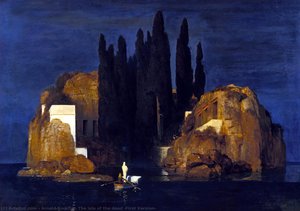
ベックリンの名を最も広く知らしめたのは、1880年から1886年にかけて描かれた5つのバージョンの『死の島』でしょう。この作品は、娘が埋葬されたフィレンツェの英国人墓地を彷彿とさせるものです。彼の芸術は、ハンス・トマのような後進の画家たちに影響を与えただけでなく、後期ロマン派の作曲家たちのインスピレーションの源ともなりました。- 批評家のクレメント・グリーンバーグは、ベックリンの作品を、その時代における「最も完成された表現の一つ」と評しました。
- 彼のスタイルはラファエル前派とも共鳴し、夢の世界や神秘主義的な側面を強調しています。
美術館とコレクション
ベックリンの傑作は、現在も世界中の様々な美術館に収蔵されています。- 公立美術コレクション(スイス、バーゼル)
- バーゼル美術館(スイス)
- チューリッヒ・クンストハウス(スイス、チューリッヒ)
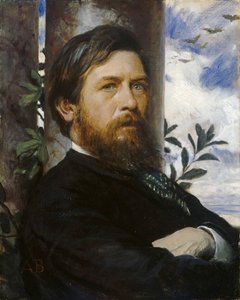
アーノルド・ベックリン
1827 - 1901 , スイス
基本情報
- Artistic Movement Or Style: 象徴主義
- Artists Or Movements Influenced By This Artist:
- ハンス・トーマ
- ラファエル前派
- Artists Who Influenced This Artist:
- シルマー
- フェーアバッハ
- Date Of Birth: 1827年10月16日
- Date Of Death: 1901年1月16日
- Full Name: アーノルド・ベックリン
- Nationality: スイス
- Notable Artworks:
- 死の島
- ニンフとサテュロス
- サッフォー
- 自画像
- Place Of Birth: スイス、バーゼル
関連記事
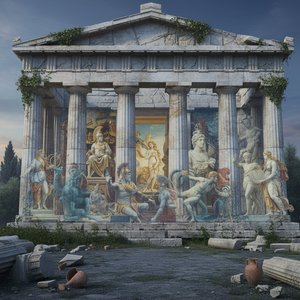
Echoes of Olympus: Mythological Narratives in Western Art Through the Ages
Explore the captivating history of mythological narratives in Western art! From ancient Greece to modern masterpieces, discover iconic artworks & symbolism. Expert analysis and high-quality reproductions at ArtsDot.
神話と個人的な象徴が織りなす世界:油絵による自己の神話の表現
油絵で自己の神話を表現しませんか?象徴主義、色彩心理学、構図など専門的な知識を基に、内面世界を深掘りするアート作品をご提案。高級美術品からカスタムオーダーまで、ArtsDotがあなたの創造性をサポートします。
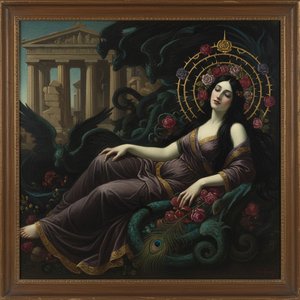
Franz von Stuck: Symbolism, Decadence & the Pursuit of Ideal Beauty
Explore the captivating world of Franz von Stuck, a leading Symbolist painter. Discover his mythological masterpieces, decadent themes, & investment potential. Expert analysis for discerning collectors.
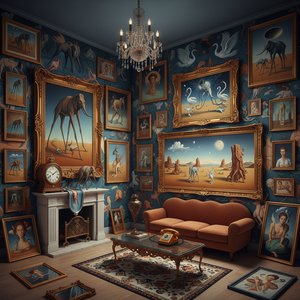
サルバドール・ダリ傑作25選:夢と深層心理を探求する美術の世界 | ArtsDot
サルバドール・ダリの傑作25選。夢、深層心理、シュルレアリスムの世界を旅する美術史ツアー🎨 ArtsDotで高品質な版画や絵画をお楽しみください。リビングやオフィスに名画を飾りませんか?今すぐコレクションをご覧ください!
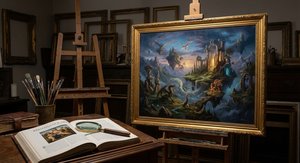
The Ethereal Realm on Canvas: Exploring Themes of Fantasy & Imagination in Art History
Explore the captivating world of fantasy & surreal art history with ArtsDot. Discover iconic artists like De Chirico & Moreau, and expert guidance for collecting timeless masterpieces. Find your dream artwork today!

