 プレビュー
プレビュー
 シェアする
シェアする シェアする
シェアする
 詳細を見る
詳細を見る

 ダウンロード
 似ている作品
 X線調査
X線調査 スライドショー
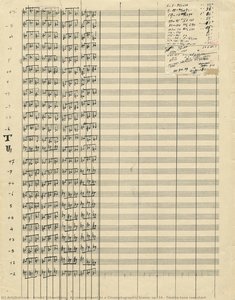
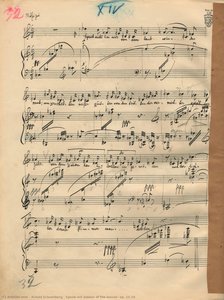
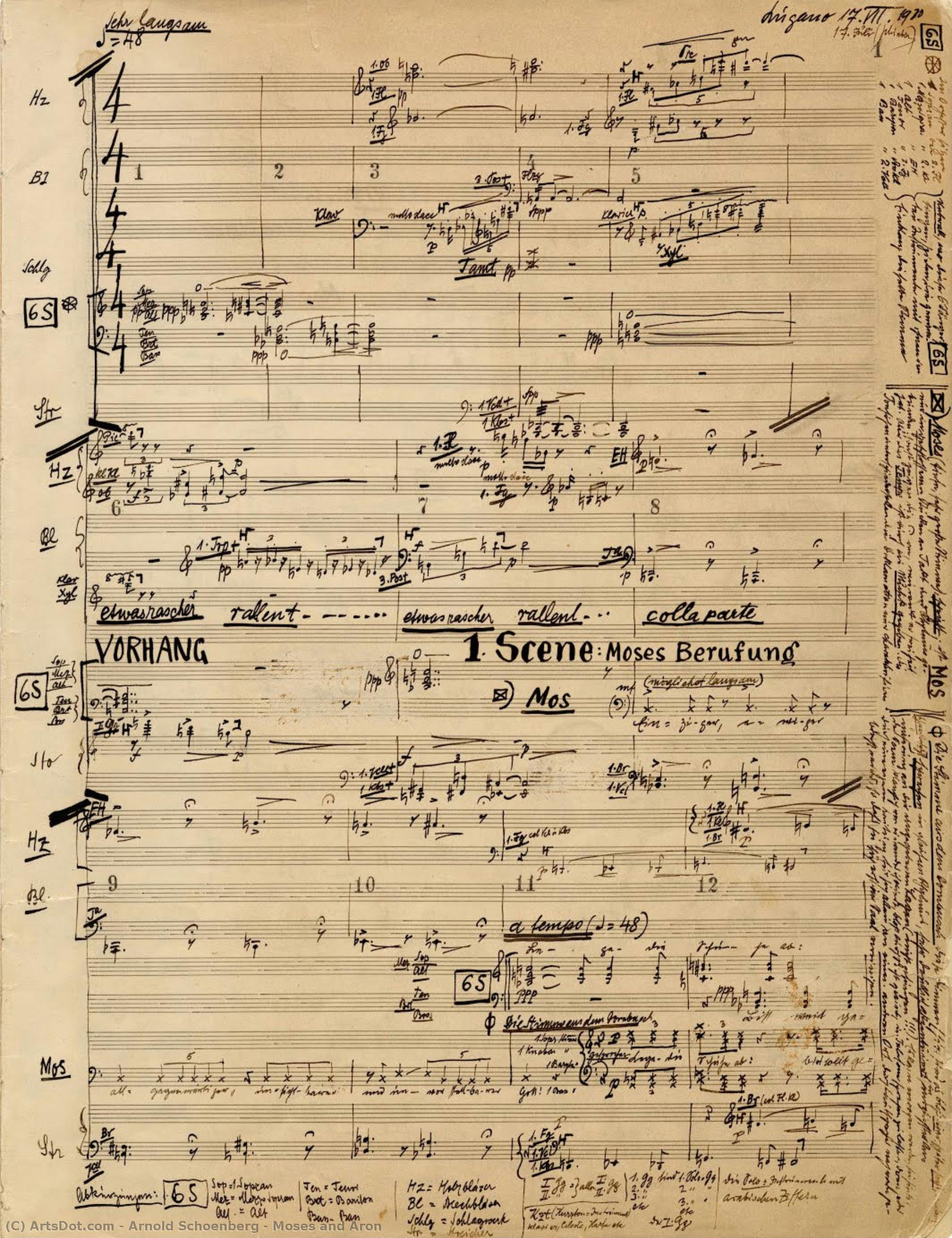
Moses and Aron
 Acrylic On Canvas
- WallArt
- Expressionist Modernism
 1930
1930- 19th Century
 27.0 x 35.0 cm
 Arnold Schönberg Center
 詳細を見る
詳細を見る
ジークレー/アートプリント
迅速な制作と多彩な仕上げオプションを備えた、ミュージアムクオリティのジークレーまたはキャンバスプリント。 ( 手描きの絵画を購入 画像を購入)




P118B $10

P118H $10

P118W $10

P438Z $10

P508JH $12

P508YH $12

P805H $10

P805Z $10

P919BZ $10

P919G $10

P919XJ $10

P959ZH $10

P968JZ $12

W106C $8

W218G $10

W218JH $8

W218Y $10

W307PJ $10

W316G $10

W316PJ $8

W316Y $10

W398PJ $8

W4111J $10

W500HY $15

W500JH $15

W692G $12

W849H $8

W940BG $15

W953PJ $8




作品のオリジナル比率に合わせた、当店の規定サイズからお選びください。

特定のフレームやスペースに合わせて、ご自身でサイズを指定することも可能です。選択されたサイズが元の画像の比率と一致しない場合、作品をトリミングするか、鏡面反射または単色での塗りつぶしによって画像を拡張いたします。制作を開始する前に、ご確認用のデジタルモックアップをお送りいたします。
画面上のプレビューには、実際のトリミングや拡張は反映されませんのでご注意ください。最終的な構図を正確に確認できるのは、モックアップのみとなります。
カスタムサイズも承っておりますが、元の比率を維持するためには、あらかじめ用意されたリストからサイズを選択することをお勧めいたします。


 ガラスオプションは、110cm未満のサイズでのみご利用いただけます。

Moses and Aron
ジークレー/アートプリント
複製画のサイズ
-


合計金額
$ 62
A Fragment of Divine Discord: Schönberg’s “Moses und Aron”
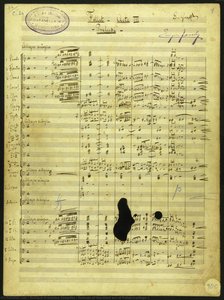
This meticulously rendered hand-painted reproduction captures a poignant fragment – a music sheet – from Arnold Schoenberg's ambitious opera, "Moses und Aron," completed in 1930. More than just musical notation, this document embodies the very heart of Schoenberg’s revolutionary exploration of faith, doubt, and the struggle between abstract thought and earthly desire. The image itself is deceptively simple: a close-up view of handwritten German music, scattered with notes and annotations, yet it speaks volumes about a composer wrestling with profound philosophical and religious questions. The sheet's aged appearance – dating back to 1930 – immediately grounds the artwork in its historical context, hinting at the intense creative process that birthed one of the most significant works in modern music.
A Symphony of Contradiction
Schoenberg conceived “Moses und Aron” as a dramatic exploration of the biblical story of the giving of the Ten Commandments. However, he wasn’t simply transcribing a religious text; he was dissecting it, analyzing its inherent contradictions. The opera juxtaposes the austere pronouncements of Moses – representing pure, unwavering thought and divine revelation – with the more pragmatic, almost materialistic concerns of Aron, his brother. This dynamic is powerfully visualized in the music sheet itself: the dense, complex notation reflecting Moses’ intellectual rigor while the scattered markings suggest Aron's preoccupation with earthly details. The unusual instrumentation—an enlarged orchestra combined with instruments like the harp, celesta, and mandolines – further underscores this deliberate contrast, creating a sonic landscape that mirrors the operatic drama.
Technique and Detail: A Window into Schoenberg’s Process
- Handwritten Notation: The reproduction faithfully captures the character of Schoenberg's original handwritten score. The varying penmanship, annotations, and markings reflect his iterative process of composition and refinement.
- Material Texture: Subtle textures have been meticulously rendered to simulate the feel of aged paper and ink, adding a layer of realism and historical authenticity to the artwork.
- Color Palette: A muted palette of browns, creams, and grays evokes the atmosphere of a composer’s study, emphasizing the intellectual and contemplative nature of the work.
Symbolism and Emotional Resonance
Beyond its technical aspects, this reproduction offers a powerful symbolic representation of artistic struggle. The fragmented sheet suggests the incomplete nature of human understanding, mirroring Schoenberg’s own grappling with complex theological and philosophical ideas. The act of studying the music evokes a sense of intimacy and invites the viewer to contemplate the profound questions at the heart of the opera: Can reason alone comprehend the divine? What is the relationship between faith and doubt? The image resonates with an emotional intensity, capturing the tension between aspiration and limitation, idealism and pragmatism – qualities that define both Schoenberg’s genius and the enduring power of “Moses und Aron.”
関連作品
アーティストの略歴
幼少期と音楽への第一歩
アルノルト・シェーンベルクは、オーストリア系アメリカ人の作曲家であり、1874年9月13日、オーストリアのウィーンに生を受けました。彼の幼少期は、靴屋を営む父のもと、決して裕福とは言えない質素な環境の中にありました。しかし、その内なる音楽への情熱は、彼を独学という険しい道へと駆り立て、自らの手で音楽の深淵へと踏み込ませたのです。音楽的進化と代表作
シェーンベルクの初期作品、例えば 『変容した夜』(1899年) は、ブラームスとワーグナーの様式を融合させた見事なシンセシスを示していました。やがて彼は、アントン・ヴェベルン や アルバン・ベルク と共に、新ウィーン楽派の中核を担う存在へと成長を遂げます。その後の 弦楽四重奏曲第2番 (1907–1908年)、『期待』(1909年)、そして 『ピエロ・ルナール』(1912年) といった作品群は、無調音楽への革新的なアプローチを象徴するものとなりました。教授活動と亡命、そして晩年
1933年、ナチスの台頭により、シェーンベルクの音楽は「退廃芸術」の烙印を押され、彼はプロイセン芸術アカデミーを辞任することを余儀なくされました。その後、彼はアメリカへと渡り、カリフォルニア大学ロサンゼルス校(UCLA)などで教鞭を執りました。現在、同大学の施設には彼の名を冠したものが存在しています。 [https://ArtsDot.com/@/arnold-sochenberg](ArtsDotでシェーンベルクの生涯と作品についてさらに詳しく知る)。- シェーンベルクは映画音楽の探求や、より調性的な音楽の作曲にも取り組み、1939年には 室内交響曲第2番 を完成させました。
- また、バイロンに倣い、『ナポレオンへの頌歌』(1942年) においてファシズムの暴君を風刺しました。
- 戦後のウィーンからは名誉市民権を贈られましたが、晩年は病に伏しており、その様子は 弦楽三重奏曲 (1946年) にも刻まれています。
遺産と影響力
ホロコーストの悲劇が世界に知れ渡る中、シェーンベルクは 『ワルシャワの生存者』(1947年) を通じて、犠牲者たちを追悼しました。1951年には、イスラエル・コンサバトリーおよび音楽院から名誉会長に選出されました。 [https://ArtsDot.com/@@/a@d3bqc7-the-museum-destroyed-by-fire-(united-states)](彼の作品が与えた影響についてArtsDotで詳しく学ぶ)。 重要なポイント:- シェーンベルクの革新的な音楽は、20世紀のクラシック音楽において最も影響力があり、かつ論争を巻き起こしたものの一つでした。
- 少なくとも三世代にわたる作曲家たちが、彼の形式的な原理を継承・発展させました。
- 彼の美学と音楽史的見解は、音楽学者のテオドール・W・アドルノやカール・ダールハウスにも多大な影響を与えました。
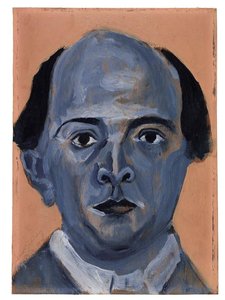
アーノルド・シェーンベルク
1874 - 1951 , オーストリア
基本情報
- Artistic Movement Or Style: 十二音技法、表現主義
- Artists Or Movements Influenced By This Artist:
- アントン・ウェーベルン
- アルバン・ベルク
- Artists Who Influenced This Artist:
- ヨハネス・ブラームス
- リヒャルト・ワーグナー
- Date Of Birth: 1874年9月13日
- Date Of Death: 1951年
- Full Name: アーノルド・シェーンベルク
- Nationality: オーストリア系アメリカ人
- Notable Artworks:
- 組曲 作品29
- ミュージック・タイプライター
- スタッフライナー
- Place Of Birth: オーストリア、ウィーン
関連記事
Harmonies on Canvas: Exploring the Visual Representation of Music in Art History
Explore the fascinating history of music's visual representation in art! From ancient symbolism to modern abstraction, discover how artists have captured sound and emotion on canvas. Expert insights & stunning examples.
ヴェネツィア・ビエンナーレ厳選25作品:芸術と歴史が織りなす至高のコレクション | ArtsDot
ヴェネツィア・ビエンナーレの至宝25選。印象派から現代アートまで、名画の背景にある物語と芸術家の情熱を紐解きます。ArtsDotで、キャンバスアートや油絵複製をお楽しみください。今すぐコレクションをご覧ください。

Beyond Symbolism: Exploring the Spiritual Landscapes of Mikalojus Konstantinas Čiurlionis's Art
Explore the captivating world of Mikalojus Konstantinas Čiurlionis, a pioneer of abstract art. Discover his unique blend of music and painting, spiritual themes, and lasting influence on Lithuanian culture. Learn more at ArtsDot.