

 プレビュー
プレビュー
 プリントを購入
 シェアする
シェアする シェアする
シェアする
 詳細を見る
詳細を見る

 ダウンロード
 似ている作品
 X線調査
X線調査 スライドショー
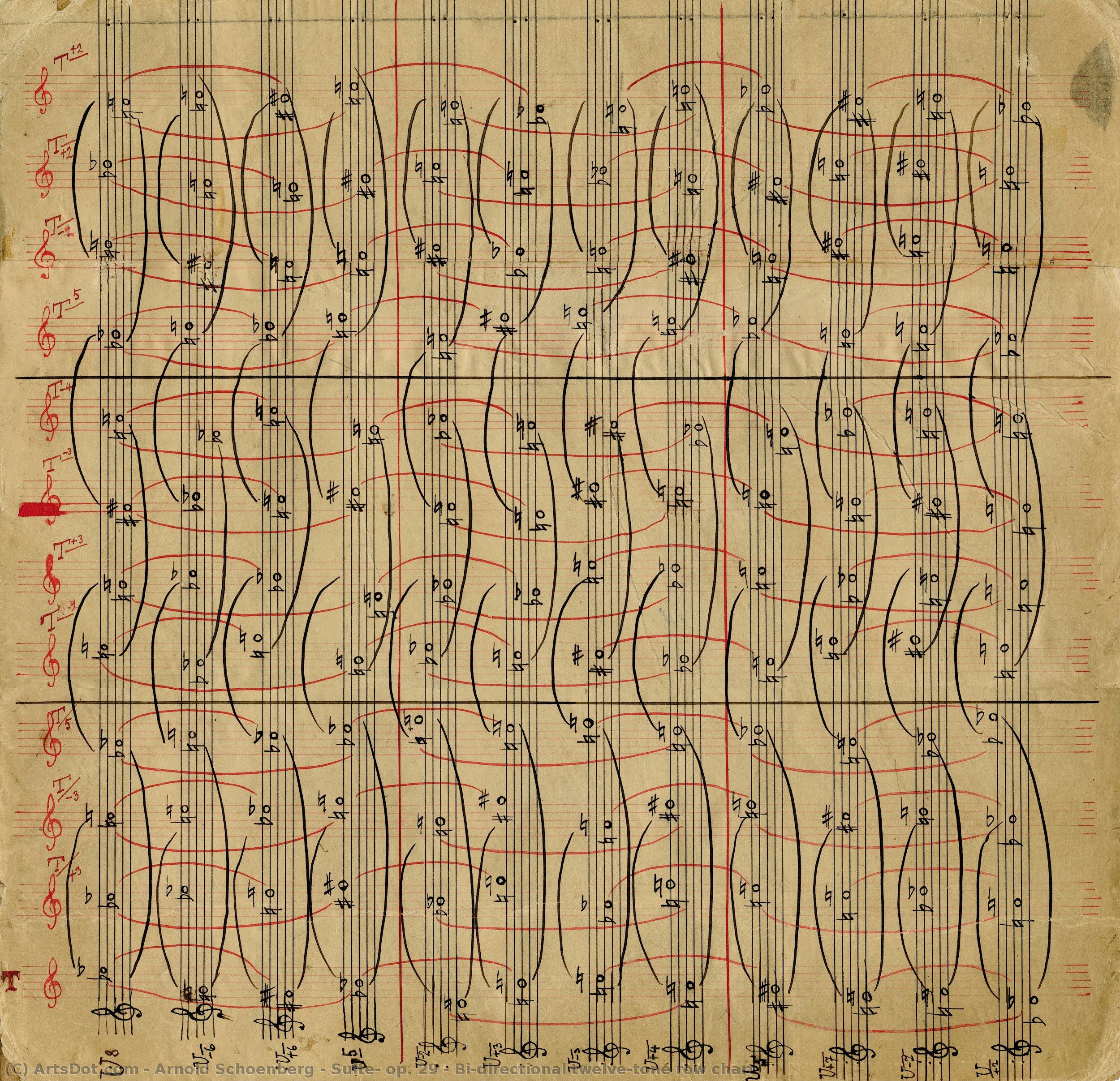
Suite, op. 29 - Bi-directional twelve-tone row chart
 Acrylic On Canvas
- WallArt
- Modernism
 1924
1924 33.0 x 32.0 cm
 Arnold Schönberg Center
 詳細を見る
詳細を見る
オンラインプレビューをはるかに凌ぐ、高解像度で鮮明なデジタル画像をご購入いただけます。
各ファイルは、社内の専門家が高度なツールと熟練した手作業によるレタッチを用いて、細心の注意を払って準備されています。すべての画像において、卓越した鮮明度、正確な色彩再現性、そして繊細なディテールを保証いたします。
最終ファイルは、プロフェッショナルな編集・印刷環境ですぐにご利用いただけるよう最適化された状態で、72時間以内にメールにてお届けいたします。これは、一流のデザインスタジオ、出版社、ギャラリーから信頼されているものと同等の品質です。
デジタル画像のご注文に付随する特典
高品質なデジタル画像配信を、確かな品質で。
ArtsDot.com を選ぶことは、単に画像を手に入れることではありません。それは、プロの手によって精密に仕上げられ、満足保証が付いた高品質なデジタルアートワークを受け取ることを意味します。ご注文いただいた際に自動的に付随する内容は、以下の通りです:

メールですぐにお届け
ご注文から72時間以内に、高解像度のデジタル画像ファイルがメールでお手元に届きます。すぐにそのままご利用いただけます。

AI技術で最適化されたデジタルファイル
お客様の作品は、高度なAIツールと専門家による手作業の編集を組み合わせてプロフェッショナルに最適化されており、細部のディテール、鮮明さ、そして正確な色再現性を最大限に引き出しています。

一生涯無料の再送サービス
ファイルを誤って削除したり、紛失してしまったりしましたか?ご安心ください。いつでも無料で再送いたします。

輸入手数料は一切かかりません
関税や手数料、配送料を気にすることなく、お気に入りのアートワークをすぐにお楽しみいただけます。デジタルダウンロードは常に免税です。

色彩再現の保証
プロ仕様のツールとカラーマネジメント技術を用いることで、デジタル画像が元の色を最大限に忠実に再現することを保証いたします。

60日間満足保証
ご購入いただいたデジタル画像にご満足いただけない場合は、60日以内であれば、修正または100%の返金(理由を問う必要はありません)をさせていただきます。

100% 返金保証
ご満足いただけない場合は、デジタルファイルを受け取ってから60日以内であれば、理由を問わず全額返金いたします。

まとめ買い割引
3枚購入で10%OFF - 5枚購入で15%OFF - 10枚以上購入で20%OFF。クリエイティブなプロジェクト、ギャラリー、エージェンシーに最適です。
作品の詳細
A Symphony in Black and Red: Decoding Schoenberg’s “Suite, op. 29”
Arnold Schönberg's "Suite, op. 29 – Bi-directional twelve-tone row chart" isn’t merely a musical score; it’s a visual manifestation of radical innovation, a testament to the composer’s relentless pursuit of sonic and artistic boundaries. Created in 1924, during a period of intense experimentation within his own compositional methods—specifically, his “Method of composing with twelve tones which are related only with one another”—this work represents a pivotal moment in 20th-century music history. It’s a piece that demands both intellectual engagement and emotional resonance, inviting the viewer to decipher its intricate structure and appreciate the profound shift it embodies away from traditional tonal harmony.
The chart itself is deceptively simple in its execution. A stark black and white photograph reveals a sheet of paper, almost square in shape, overlaid with a dense network of horizontal and vertical lines. These aren’t the familiar contours of musical notation; instead, they represent twelve tones arranged in a meticulously crafted row – the foundation upon which Schönberg built his groundbreaking serialist compositions. The red line that snakes through the center is particularly striking, marking the “T” (theme/subject) row, the core element from which all subsequent variations and transformations emerge. The act of turning the page 90 degrees clockwise immediately reveals a fascinating visual paradox: the notes are reversed, creating a retrograde effect – reading them backward unveils a mirrored image of the original sequence.
The Language of Twelve Tones
Schönberg’s twelve-tone technique wasn't simply about arranging notes in a random order. It was a deliberate attempt to dismantle the established hierarchy of musical keys and chords, replacing it with a system governed by mathematical precision. The “Method” sought to eliminate all tonal preference, ensuring that no single note or interval dominated the composition. This radical approach, initially met with resistance, ultimately paved the way for atonality and serialism – techniques that profoundly influenced generations of composers.
The visual representation of this method is remarkably effective. The horizontal and vertical lines create a sense of ordered chaos, mirroring the complex relationships within the twelve-tone row. The black and red slurs, dividing the row into groups of three or four notes, further emphasize the structured yet unpredictable nature of Schönberg’s system. These groupings aren't arbitrary; they are carefully designed to explore specific harmonic possibilities and create a sense of rhythmic and melodic tension.
A Visual Dialogue with Music
Schönberg wasn’t simply translating musical ideas into a visual format; he was engaging in a dialogue between two distinct artistic disciplines. As an artist himself, Schönberg sought to bridge the gap between music and painting, exploring ways to represent abstract concepts visually. The "Suite, op. 29" exemplifies this ambition, demonstrating how a complex musical structure can be rendered in a clear, comprehensible visual form.
The choice of materials – ink on paper – is also significant. Ink, with its inherent fluidity and ability to create subtle gradations of tone, perfectly captures the nuanced relationships within the twelve-tone row. The stark contrast between black and red further enhances the visual impact, drawing attention to key elements and creating a sense of dynamism.
Collecting a Legacy: Reproductions and Inspiration
Today, "Suite, op. 29 – Bi-directional twelve-tone row chart" stands as a powerful symbol of musical innovation and artistic experimentation. High-quality reproductions offer a unique opportunity to experience this groundbreaking work firsthand, allowing art lovers, collectors, and interior designers alike to appreciate its beauty and complexity. The piece’s geometric precision and bold color palette make it an ideal addition to modern spaces, while its historical significance provides a fascinating conversation starter.
Consider commissioning a hand-painted reproduction – a faithful recreation of Schönberg's original chart, meticulously crafted by skilled artisans. This ensures that you own not just a beautiful artwork but also a tangible connection to one of the 20th century’s most influential composers. It’s an investment in art history and a celebration of the enduring power of musical innovation.
関連作品
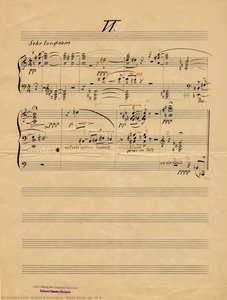
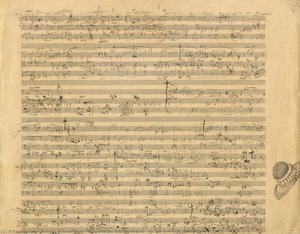
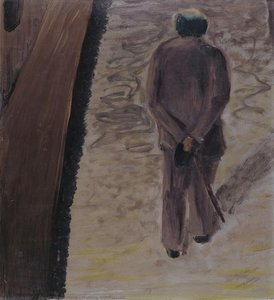
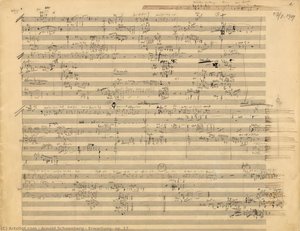
作家の略歴
幼少期と音楽への第一歩
アルノルト・シェーンベルクは、オーストリア系アメリカ人の作曲家であり、1874年9月13日、オーストリアのウィーンに生を受けました。彼の幼少期は、靴屋を営む父のもと、決して裕福とは言えない質素な環境の中にありました。しかし、その内なる音楽への情熱は、彼を独学という険しい道へと駆り立て、自らの手で音楽の深淵へと踏み込ませたのです。音楽的進化と代表作
シェーンベルクの初期作品、例えば 『変容した夜』(1899年) は、ブラームスとワーグナーの様式を融合させた見事なシンセシスを示していました。やがて彼は、アントン・ヴェベルン や アルバン・ベルク と共に、新ウィーン楽派の中核を担う存在へと成長を遂げます。その後の 弦楽四重奏曲第2番 (1907–1908年)、『期待』(1909年)、そして 『ピエロ・ルナール』(1912年) といった作品群は、無調音楽への革新的なアプローチを象徴するものとなりました。教授活動と亡命、そして晩年
1933年、ナチスの台頭により、シェーンベルクの音楽は「退廃芸術」の烙印を押され、彼はプロイセン芸術アカデミーを辞任することを余儀なくされました。その後、彼はアメリカへと渡り、カリフォルニア大学ロサンゼルス校(UCLA)などで教鞭を執りました。現在、同大学の施設には彼の名を冠したものが存在しています。 [https://ArtsDot.com/@/arnold-sochenberg](ArtsDotでシェーンベルクの生涯と作品についてさらに詳しく知る)。- シェーンベルクは映画音楽の探求や、より調性的な音楽の作曲にも取り組み、1939年には 室内交響曲第2番 を完成させました。
- また、バイロンに倣い、『ナポレオンへの頌歌』(1942年) においてファシズムの暴君を風刺しました。
- 戦後のウィーンからは名誉市民権を贈られましたが、晩年は病に伏しており、その様子は 弦楽三重奏曲 (1946年) にも刻まれています。
遺産と影響力
ホロコーストの悲劇が世界に知れ渡る中、シェーンベルクは 『ワルシャワの生存者』(1947年) を通じて、犠牲者たちを追悼しました。1951年には、イスラエル・コンサバトリーおよび音楽院から名誉会長に選出されました。 [https://ArtsDot.com/@@/a@d3bqc7-the-museum-destroyed-by-fire-(united-states)](彼の作品が与えた影響についてArtsDotで詳しく学ぶ)。 重要なポイント:- シェーンベルクの革新的な音楽は、20世紀のクラシック音楽において最も影響力があり、かつ論争を巻き起こしたものの一つでした。
- 少なくとも三世代にわたる作曲家たちが、彼の形式的な原理を継承・発展させました。
- 彼の美学と音楽史的見解は、音楽学者のテオドール・W・アドルノやカール・ダールハウスにも多大な影響を与えました。
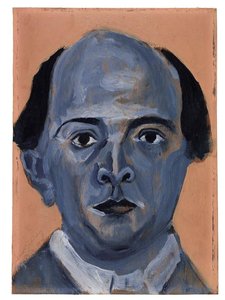
アーノルド・シェーンベルク
1874 - 1951 , オーストリア
プロフィール概要
- Artistic Movement Or Style: 十二音技法、表現主義
- Artists Or Movements Influenced By This Artist:
- アントン・ウェーベルン
- アルバン・ベルク
- Artists Who Influenced This Artist:
- ヨハネス・ブラームス
- リヒャルト・ワーグナー
- Date Of Birth: 1874年9月13日
- Date Of Death: 1951年
- Full Name: アーノルド・シェーンベルク
- Nationality: オーストリア系アメリカ人
- Notable Artworks:
- 組曲 作品29
- ミュージック・タイプライター
- スタッフライナー
- Place Of Birth: オーストリア、ウィーン

