

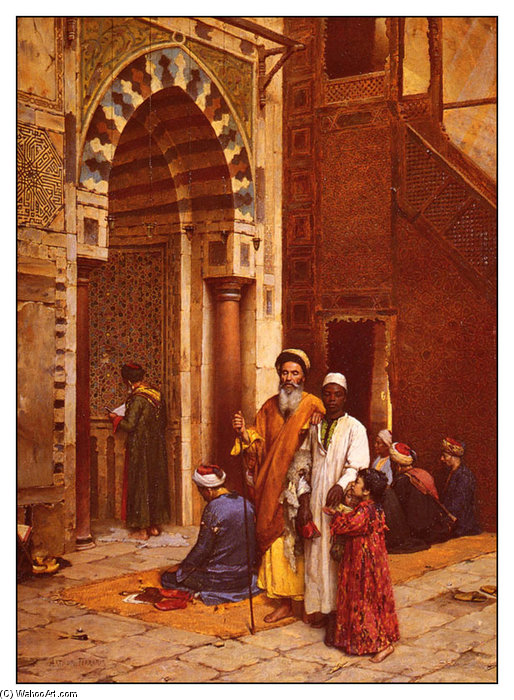
 プレビュー
プレビュー
 シェアする
シェアする シェアする
シェアする
 詳細を見る
詳細を見る

 ダウンロード
 似ている作品
 X線調査
X線調査 スライドショー
 統計情報
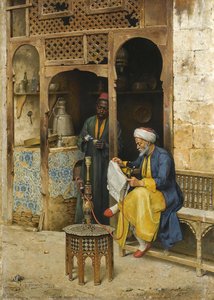
統計情報Blind Man At The Mosque
 詳細を見る
詳細を見る
ジークレー/アートプリント
迅速な制作と多彩な仕上げオプションを備えた、ミュージアムクオリティのジークレーまたはキャンバスプリント。 ( 手描きの絵画を購入 デジタル画像販売へ切り替え)




































作品のオリジナル比率に合わせた、当店の規定サイズからお選びください。

特定のフレームやスペースに合わせて、ご自身でサイズを指定することも可能です。選択されたサイズが元の画像の比率と一致しない場合、作品をトリミングするか、鏡面反射または単色での塗りつぶしによって画像を拡張いたします。制作を開始する前に、ご確認用のデジタルモックアップをお送りいたします。
画面上のプレビューには、実際のトリミングや拡張は反映されませんのでご注意ください。最終的な構図を正確に確認できるのは、モックアップのみとなります。
カスタムサイズも承っておりますが、元の比率を維持するためには、あらかじめ用意されたリストからサイズを選択することをお勧めいたします。


 ガラスオプションは、110cm未満のサイズでのみご利用いただけます。

Blind Man At The Mosque
ジークレー/アートプリント
複製画のサイズ
-


合計金額
$ 62
関連作品


アーティストの略歴
Arthur von Ferraris: A Hungarian Visionary of the Orient
Arthur von Ferraris (1856-1936) emerged from Budapest, Hungary, as a painter captivated by the exotic allure of the East – specifically Egypt and Persia. His artistic journey wasn’t merely about depicting landscapes; it was an attempt to capture the soul of cultures vastly different from his own upbringing, reflecting a burgeoning fascination with anthropology and comparative religion during the late 19th century. Unlike many artists of his time focused on grand narratives or idealized representations, Ferraris sought authenticity, meticulously observing daily life and striving for nuanced portrayals that conveyed both visual splendor and psychological depth.- Early Life & Education: Born into a wealthy family with connections to the Austro-Hungarian Empire, Ferraris received a privileged education emphasizing classical studies alongside artistic pursuits. He initially studied at Budapest University before embarking on independent travels throughout Europe, absorbing influences from Impressionism and Academic painting.
- Cairo Inspirations: Ferraris’s breakthrough came during his expeditions to Egypt between 1890 and 1905. These voyages profoundly impacted his artistic vision, fueling a series of paintings that immortalized Cairo's vibrant marketplaces, bustling streets, and religious ceremonies. He skillfully employed atmospheric perspective and luminous color palettes—techniques championed by Impressionists like Claude Monet—to convey the sensory experience of these locations.
- Notable Works & Patronage: Ferraris gained recognition within Hungarian artistic circles and enjoyed patronage from prominent figures, including Emperor Franz Joseph I. His paintings graced the walls of royal residences and were exhibited at prestigious salons in Paris and Vienna. Among his most celebrated pieces are “Blind Man At The Mosque” and “The Blind Man,” which exemplify his dedication to portraying marginalized individuals with compassion and dignity.
- Legacy & Influence: Arthur von Ferraris’s contribution to Orientalist painting extends beyond mere aesthetic beauty. He championed a humanist approach, prioritizing observation and psychological insight over romanticized clichés. His work continues to inspire artists today who strive for truthful depictions of cultures outside the Western canon. Moreover, Ferraris's meticulous attention to detail and masterful use of color solidified his place as one of Hungary’s foremost painters of the Belle Époque—a period marked by artistic innovation and intellectual curiosity.
arthur von ferraris
1856 - 1936
基本情報
- Artistic Movement Or Style: Orientalism
- Date Of Birth: 1856
- Date Of Death: 1936
- Full Name: Arthur von Ferraris
- Nationality: Hungarian
- Notable Artworks:
- Driving A Bargain
- Blind Man At The Mosque
- The Blind Man
- Place Of Birth: Hungary