

 プレビュー
プレビュー
 プリントを購入
 シェアする
シェアする シェアする
シェアする
 詳細を見る
詳細を見る

 ダウンロード
 似ている作品
 X線調査
X線調査 スライドショー
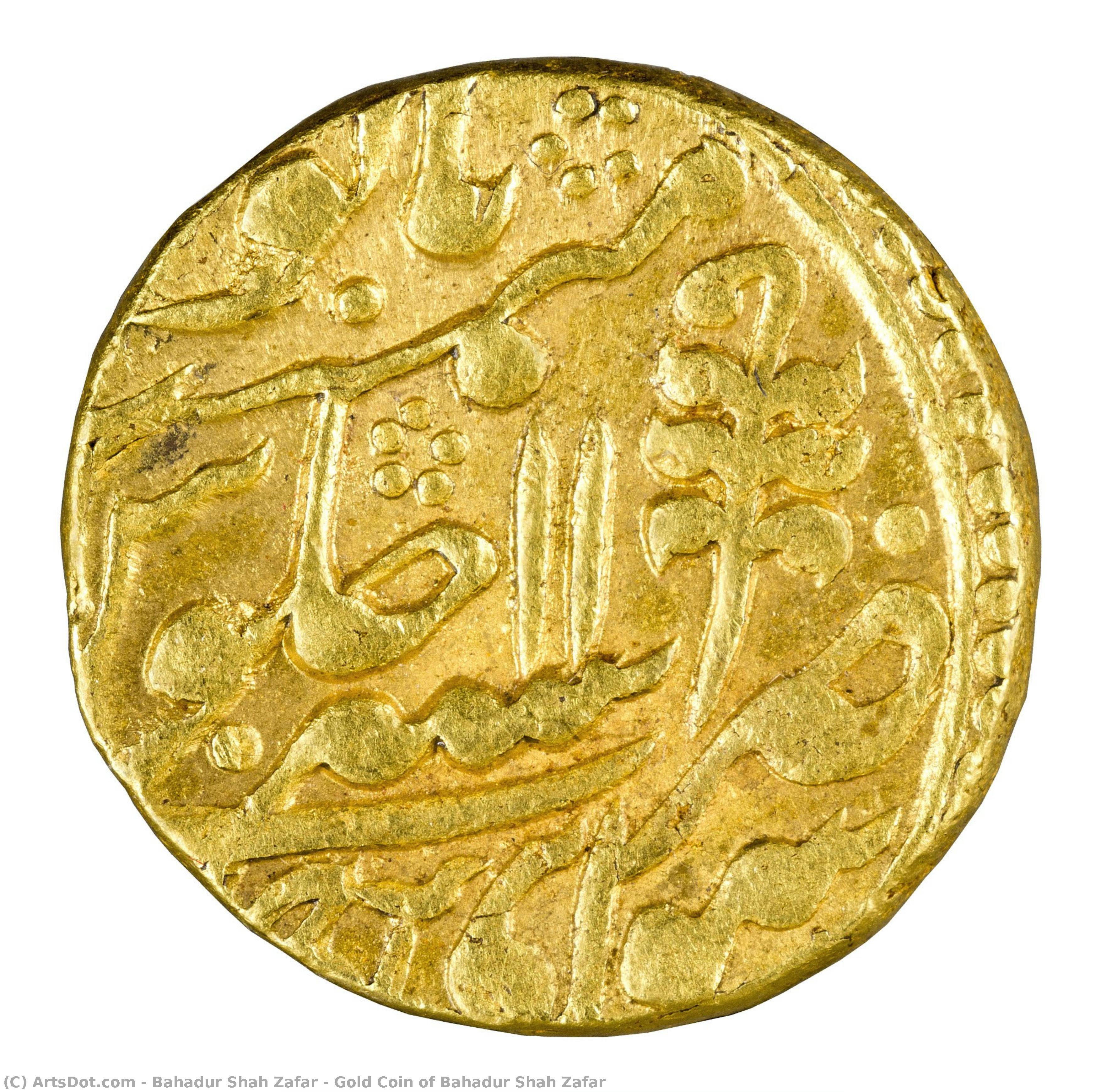
Gold Coin of Bahadur Shah Zafar


 詳細を見る
詳細を見る
オンラインプレビューをはるかに凌ぐ、高解像度で鮮明なデジタル画像をご購入いただけます。
各ファイルは、社内の専門家が高度なツールと熟練した手作業によるレタッチを用いて、細心の注意を払って準備されています。すべての画像において、卓越した鮮明度、正確な色彩再現性、そして繊細なディテールを保証いたします。
最終ファイルは、プロフェッショナルな編集・印刷環境ですぐにご利用いただけるよう最適化された状態で、72時間以内にメールにてお届けいたします。これは、一流のデザインスタジオ、出版社、ギャラリーから信頼されているものと同等の品質です。
デジタル画像のご注文に付随する特典
高品質なデジタル画像配信を、確かな品質で。
ArtsDot.com を選ぶことは、単に画像を手に入れることではありません。それは、プロの手によって精密に仕上げられ、満足保証が付いた高品質なデジタルアートワークを受け取ることを意味します。ご注文いただいた際に自動的に付随する内容は、以下の通りです:

メールですぐにお届け
ご注文から72時間以内に、高解像度のデジタル画像ファイルがメールでお手元に届きます。すぐにそのままご利用いただけます。

AI技術で最適化されたデジタルファイル
お客様の作品は、高度なAIツールと専門家による手作業の編集を組み合わせてプロフェッショナルに最適化されており、細部のディテール、鮮明さ、そして正確な色再現性を最大限に引き出しています。

一生涯無料の再送サービス
ファイルを誤って削除したり、紛失してしまったりしましたか?ご安心ください。いつでも無料で再送いたします。

輸入手数料は一切かかりません
関税や手数料、配送料を気にすることなく、お気に入りのアートワークをすぐにお楽しみいただけます。デジタルダウンロードは常に免税です。

色彩再現の保証
プロ仕様のツールとカラーマネジメント技術を用いることで、デジタル画像が元の色を最大限に忠実に再現することを保証いたします。

60日間満足保証
ご購入いただいたデジタル画像にご満足いただけない場合は、60日以内であれば、修正または100%の返金(理由を問う必要はありません)をさせていただきます。

100% 返金保証
ご満足いただけない場合は、デジタルファイルを受け取ってから60日以内であれば、理由を問わず全額返金いたします。

まとめ買い割引
3枚購入で10%OFF - 5枚購入で15%OFF - 10枚以上購入で20%OFF。クリエイティブなプロジェクト、ギャラリー、エージェンシーに最適です。
A Glimpse into Imperial India – The Gold Coin of Bahadur Shah Zafar
The image before you captures more than just a gold coin; it’s a tangible fragment of a bygone era, a whispered echo of the last Mughal Emperor and his tumultuous reign. This intricately designed piece, depicting the profile of Bahadur Shah Zafar, isn't merely a monetary object but a miniature historical record, a testament to artistry and political upheaval within the vibrant tapestry of 18th-century India. The coin’s weathered surface speaks volumes – it has witnessed centuries, bearing the subtle marks of time and handling, lending an undeniable sense of authenticity and connection to its past.
The craftsmanship is immediately striking. The central portrait, rendered with remarkable detail for its size, showcases Zafar's regal features—a strong jawline, a thoughtful gaze, and the subtle ornamentation characteristic of Mughal imperial iconography. Surrounding this central figure are Arabic inscriptions, likely detailing the coin’s minting date (1274), the emperor’s title, and perhaps even auspicious blessings. The use of raised lettering and meticulously applied borders demonstrates the skill of the goldsmith and the importance placed on both function and aesthetic appeal in Mughal coinage.
The Emperor and His Legacy
Bahadur Shah Zafar (1775-1862) was a complex figure, a poet, calligrapher, and ultimately, the last sovereign of the once-mighty Mughal Empire. Born Mirza Abu Zafar Sirajuddin Muhammad, he ascended to the throne in 1837 following the death of his father, Akbar II. His reign, though brief, marked a poignant transition – a final, flickering ember of an empire that had already begun its decline. He was known by his pen name, Zafar, meaning “Victory,” a title tragically ironic given the circumstances of his exile and eventual demise.
The coin’s creation occurred during a period of immense political change. The British East India Company's influence was steadily tightening its grip on India, leading to widespread unrest and ultimately, the Sepoy Mutiny of 1857. Zafar’s role in this uprising, though largely symbolic, cemented his place as a symbol of resistance against colonial rule. The coin itself can be viewed as a subtle assertion of imperial authority amidst growing instability – a reminder of the Mughal dynasty's past glory even as it faded into memory.
Symbolism and Artistic Technique
Beyond its historical significance, the coin is a remarkable example of Mughal artistic technique. The gold itself—a precious metal signifying wealth and power—is expertly worked to create a smooth, lustrous surface. The intricate details of the portrait are achieved through a combination of repoussé (hammering from the reverse side) and chasing (using tools to raise or lower the metal's surface), techniques that demand considerable skill and patience. The stylized floral motifs adorning the borders—often found in Mughal art—add an element of elegance and refinement, reflecting the empire’s appreciation for beauty and ornamentation.
The coin’s design also incorporates elements of Islamic symbolism. Geometric patterns and calligraphy are frequently used to convey religious messages and honor Allah. The use of Arabic script not only provides information about the coin but also reflects its connection to a rich cultural heritage.
A Window into the Past – Reproduction Possibilities
Reproductions of this extraordinary coin offer a unique opportunity to bring a piece of Mughal history into your home or office. When selecting a reproduction, consider the materials used—high-quality resin or metal are essential to capture the coin’s original luster and detail. The level of craftsmanship in the reproduction should be comparable to the original, ensuring that it accurately reflects the artistry and historical significance of this remarkable artifact. This piece serves as a beautiful reminder of India's rich past, inviting contemplation on its emperors, its art, and its enduring legacy.
関連作品



作家の略歴
early life and reign
bahadur shah zafar, also known as bahadur shah ii, was the last mughal emperor of india, born in delhi, india in 1775. he was the second son of emperor akbar ii and became emperor in 1837 after his father's death.artistic pursuits
apart from being a ruler, bahadur shah zafar was a well-known poet and calligrapher, known by his pen name zafar. his artistic talents are a testament to the cultural richness of the mughal empire.notable artworks
although primarily known for his poetic works, bahadur shah zafar's artistic endeavors can be seen in various forms. unfortunately, due to the passage of time and historical events, many of his artworks are not readily available. however, his legacy lives on through his writings.- important note: as a poet, bahadur shah zafar's works are more prevalent in literary archives rather than art collections like ArtsDot, which focuses on visual arts.
- for enthusiasts of mughal art, ArtsDot offers a wide range of artworks from the mughal period, including paintings and sculptures. explore the mughal art movement to discover more about this fascinating era.
- visit the wahoo art timeline for a detailed overview of art history, including the mughal period and its influence on indian art.
legacy and exile
bahadur shah zafar's reign was marked by the indian rebellion of 1857, which led to his deposition and exile to rangoon, burma, by the british in 1858. he passed away in 1862.conclusion
bahadur shah zafar's life is a blend of politics, poetry, and art, reflecting the complex nature of the mughal empire. while his visual artworks may not be as widely available, his legacy as a poet and last mughal emperor endures.- explore more about indian art and the mughal period on ArtsDot.
- discover the wahoo art timeline for a comprehensive view of art history.
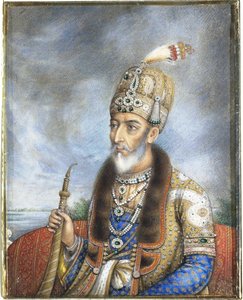
bahadur shah zafar
1775 - 1862 , India
プロフィール概要
- Artistic Movement Or Style: Mughal art & poetry
- Artists Or Movements Influenced By This Artist: ['Mughal art movement']
- Artists Who Influenced This Artist: ['Akbar II']
- Date Of Birth: October 24, 1775
- Date Of Death: November 7, 1862
- Full Name: Abu Zafar Siraj-ud-din Muhammad
- Nationality: Indian
- Notable Artworks: ['Kulliyyat-i-Zafar']
- Place Of Birth: Delhi, India

